


AnthroboticsLab
  • Home
  • Research
    Soft Robotics: Advancements in Bio-Inspired Flexible Systems

    Soft Robotics: Advancements in Bio-Inspired Flexible Systems

    Autonomous Robots and Reinforcement Learning: Paving the Way for Intelligent Machines

    Autonomous Robots and Reinforcement Learning: Paving the Way for Intelligent Machines

    Designing Adaptive User Interfaces: Enhancing Human-Computer Interaction through Dynamic Interfaces

    Designing Adaptive User Interfaces: Enhancing Human-Computer Interaction through Dynamic Interfaces

    Human-Machine Interaction in Augmented Reality and Virtual Reality: A Comprehensive Exploration

    Human-Machine Interaction in Augmented Reality and Virtual Reality: A Comprehensive Exploration

    Affective Computing and Human-Machine Emotional Interaction: The Future of Emotional AI

    Affective Computing and Human-Machine Emotional Interaction: The Future of Emotional AI

    Researching How Machines Can Understand, Recognize, and Respond to Human Emotions

    Researching How Machines Can Understand, Recognize, and Respond to Human Emotions

  • Technology
    Edge Computing: A Key Technology for Real-Time Computer Vision Applications

    Edge Computing: A Key Technology for Real-Time Computer Vision Applications

    Image Fusion in Computer Vision: Enhancing Scene Understanding Through Multi-Sensor Integration

    Image Fusion in Computer Vision: Enhancing Scene Understanding Through Multi-Sensor Integration

    Sensor Fusion Technology: Achieving High-Precision Environmental Perception in Modern Robotics

    Sensor Fusion Technology: Achieving High-Precision Environmental Perception in Modern Robotics

    3D Vision Reconstruction and Depth Estimation: Foundations, Techniques, and Applications

    3D Vision Reconstruction and Depth Estimation: Foundations, Techniques, and Applications

    Computer Vision: The Foundation of Robotic Perception and Its Broad Applications in Autonomous Driving, Industrial Automation, and Medical Surgery

    Computer Vision: The Foundation of Robotic Perception and Its Broad Applications in Autonomous Driving, Industrial Automation, and Medical Surgery

    Ensuring Robots Do Not Harm Humans While Performing Tasks

    Ensuring Robots Do Not Harm Humans While Performing Tasks

  • Industry
    The Application of Robotics and Automated Logistics Systems in Supply Chain Management

    The Application of Robotics and Automated Logistics Systems in Supply Chain Management

    Collaborative Robots and Human Workers: Enhancing Productivity and Ensuring Worker Safety

    Collaborative Robots and Human Workers: Enhancing Productivity and Ensuring Worker Safety

    Modern Production Lines: Emphasizing Flexibility and Customization

    Modern Production Lines: Emphasizing Flexibility and Customization

    The Expanding Role of Robots in Manufacturing: Advancements, Applications, and Future Prospects

    The Expanding Role of Robots in Manufacturing: Advancements, Applications, and Future Prospects

    Industry 4.0: Revolutionizing Manufacturing with IoT, AI, Robotics, and Big Data

    Industry 4.0: Revolutionizing Manufacturing with IoT, AI, Robotics, and Big Data

    Smart Manufacturing and Industry 4.0: Revolutionizing the Future of Production

    Smart Manufacturing and Industry 4.0: Revolutionizing the Future of Production

  • Insights
    How to Improve Robot Flexibility While Ensuring Strength and Durability: A Major Technological Challenge

    How to Improve Robot Flexibility While Ensuring Strength and Durability: A Major Technological Challenge

    Expert Interview: The Future of Biomimicry in Technology and Innovation

    Expert Interview: The Future of Biomimicry in Technology and Innovation

    Biomimetic Robots: Drawing Inspiration from Nature to Simulate the Behavior and Structure of Plants and Animals

    Biomimetic Robots: Drawing Inspiration from Nature to Simulate the Behavior and Structure of Plants and Animals

    Recent Advances in Flexible Materials and Bionic Muscle Actuation Technologies

    Recent Advances in Flexible Materials and Bionic Muscle Actuation Technologies

    Integrating Artificial Intelligence and Biomimetics: How Bionic Robots in Healthcare Can Provide Personalized Treatment Plans

    Integrating Artificial Intelligence and Biomimetics: How Bionic Robots in Healthcare Can Provide Personalized Treatment Plans

    The Great Potential of Bionic Robots in Neurorehabilitation

    The Great Potential of Bionic Robots in Neurorehabilitation

  • Futures
    Robotics and Societal Change: Smart Cities and Digitalized Living

    Robotics and Societal Change: Smart Cities and Digitalized Living

    The Widespread Application of Robotics: Potential Impact on Traditional Jobs

    The Widespread Application of Robotics: Potential Impact on Traditional Jobs

    Smart Homes and Life Assistants: The Future of Everyday Living

    Smart Homes and Life Assistants: The Future of Everyday Living

    The Expanding Role of Robots in the Service Industry: From Customer Service to Personalized Healthcare

    The Expanding Role of Robots in the Service Industry: From Customer Service to Personalized Healthcare

    Fully Automated Production and Services: The Future of Industry and Innovation

    Fully Automated Production and Services: The Future of Industry and Innovation

    The Future of Robots: From Tools to Understanding, Learning, and Responding to Human Society

    The Future of Robots: From Tools to Understanding, Learning, and Responding to Human Society

AnthroboticsLab
  • Home
  • Research
    Soft Robotics: Advancements in Bio-Inspired Flexible Systems

    Soft Robotics: Advancements in Bio-Inspired Flexible Systems

    Autonomous Robots and Reinforcement Learning: Paving the Way for Intelligent Machines

    Autonomous Robots and Reinforcement Learning: Paving the Way for Intelligent Machines

    Designing Adaptive User Interfaces: Enhancing Human-Computer Interaction through Dynamic Interfaces

    Designing Adaptive User Interfaces: Enhancing Human-Computer Interaction through Dynamic Interfaces

    Human-Machine Interaction in Augmented Reality and Virtual Reality: A Comprehensive Exploration

    Human-Machine Interaction in Augmented Reality and Virtual Reality: A Comprehensive Exploration

    Affective Computing and Human-Machine Emotional Interaction: The Future of Emotional AI

    Affective Computing and Human-Machine Emotional Interaction: The Future of Emotional AI

    Researching How Machines Can Understand, Recognize, and Respond to Human Emotions

    Researching How Machines Can Understand, Recognize, and Respond to Human Emotions

  • Technology
    Edge Computing: A Key Technology for Real-Time Computer Vision Applications

    Edge Computing: A Key Technology for Real-Time Computer Vision Applications

    Image Fusion in Computer Vision: Enhancing Scene Understanding Through Multi-Sensor Integration

    Image Fusion in Computer Vision: Enhancing Scene Understanding Through Multi-Sensor Integration

    Sensor Fusion Technology: Achieving High-Precision Environmental Perception in Modern Robotics

    Sensor Fusion Technology: Achieving High-Precision Environmental Perception in Modern Robotics

    3D Vision Reconstruction and Depth Estimation: Foundations, Techniques, and Applications

    3D Vision Reconstruction and Depth Estimation: Foundations, Techniques, and Applications

    Computer Vision: The Foundation of Robotic Perception and Its Broad Applications in Autonomous Driving, Industrial Automation, and Medical Surgery

    Computer Vision: The Foundation of Robotic Perception and Its Broad Applications in Autonomous Driving, Industrial Automation, and Medical Surgery

    Ensuring Robots Do Not Harm Humans While Performing Tasks

    Ensuring Robots Do Not Harm Humans While Performing Tasks

  • Industry
    The Application of Robotics and Automated Logistics Systems in Supply Chain Management

    The Application of Robotics and Automated Logistics Systems in Supply Chain Management

    Collaborative Robots and Human Workers: Enhancing Productivity and Ensuring Worker Safety

    Collaborative Robots and Human Workers: Enhancing Productivity and Ensuring Worker Safety

    Modern Production Lines: Emphasizing Flexibility and Customization

    Modern Production Lines: Emphasizing Flexibility and Customization

    The Expanding Role of Robots in Manufacturing: Advancements, Applications, and Future Prospects

    The Expanding Role of Robots in Manufacturing: Advancements, Applications, and Future Prospects

    Industry 4.0: Revolutionizing Manufacturing with IoT, AI, Robotics, and Big Data

    Industry 4.0: Revolutionizing Manufacturing with IoT, AI, Robotics, and Big Data

    Smart Manufacturing and Industry 4.0: Revolutionizing the Future of Production

    Smart Manufacturing and Industry 4.0: Revolutionizing the Future of Production

  • Insights
    How to Improve Robot Flexibility While Ensuring Strength and Durability: A Major Technological Challenge

    How to Improve Robot Flexibility While Ensuring Strength and Durability: A Major Technological Challenge

    Expert Interview: The Future of Biomimicry in Technology and Innovation

    Expert Interview: The Future of Biomimicry in Technology and Innovation

    Biomimetic Robots: Drawing Inspiration from Nature to Simulate the Behavior and Structure of Plants and Animals

    Biomimetic Robots: Drawing Inspiration from Nature to Simulate the Behavior and Structure of Plants and Animals

    Recent Advances in Flexible Materials and Bionic Muscle Actuation Technologies

    Recent Advances in Flexible Materials and Bionic Muscle Actuation Technologies

    Integrating Artificial Intelligence and Biomimetics: How Bionic Robots in Healthcare Can Provide Personalized Treatment Plans

    Integrating Artificial Intelligence and Biomimetics: How Bionic Robots in Healthcare Can Provide Personalized Treatment Plans

    The Great Potential of Bionic Robots in Neurorehabilitation

    The Great Potential of Bionic Robots in Neurorehabilitation

  • Futures
    Robotics and Societal Change: Smart Cities and Digitalized Living

    Robotics and Societal Change: Smart Cities and Digitalized Living

    The Widespread Application of Robotics: Potential Impact on Traditional Jobs

    The Widespread Application of Robotics: Potential Impact on Traditional Jobs

    Smart Homes and Life Assistants: The Future of Everyday Living

    Smart Homes and Life Assistants: The Future of Everyday Living

    The Expanding Role of Robots in the Service Industry: From Customer Service to Personalized Healthcare

    The Expanding Role of Robots in the Service Industry: From Customer Service to Personalized Healthcare

    Fully Automated Production and Services: The Future of Industry and Innovation

    Fully Automated Production and Services: The Future of Industry and Innovation

    The Future of Robots: From Tools to Understanding, Learning, and Responding to Human Society

    The Future of Robots: From Tools to Understanding, Learning, and Responding to Human Society

AnthroboticsLab
No Result
View All Result
Home Technology

Reinforcement Learning Enables Robots to Self-Learn and Optimize Behavior Strategies Through Interaction with the Environment

October 16, 2025
in Technology
Reinforcement Learning Enables Robots to Self-Learn and Optimize Behavior Strategies Through Interaction with the Environment

Introduction

In recent years, Reinforcement Learning (RL) has emerged as a transformative approach for enabling robots to perform complex tasks autonomously. Unlike traditional programming methods, where specific instructions are coded for every action, RL allows robots to learn and optimize their behavior by interacting with their environment. This self-learning process, where robots continuously improve based on feedback, opens up new possibilities for creating machines that can adapt to dynamic and unpredictable situations without human intervention.

This article will explore the role of Reinforcement Learning in robotics, focusing on how RL enables robots to learn autonomously, optimize their actions, and adapt to various environments. We will also examine the current state of research in this field, its applications, and the challenges that need to be addressed to fully harness the potential of RL for robotic systems.


What is Reinforcement Learning (RL)?

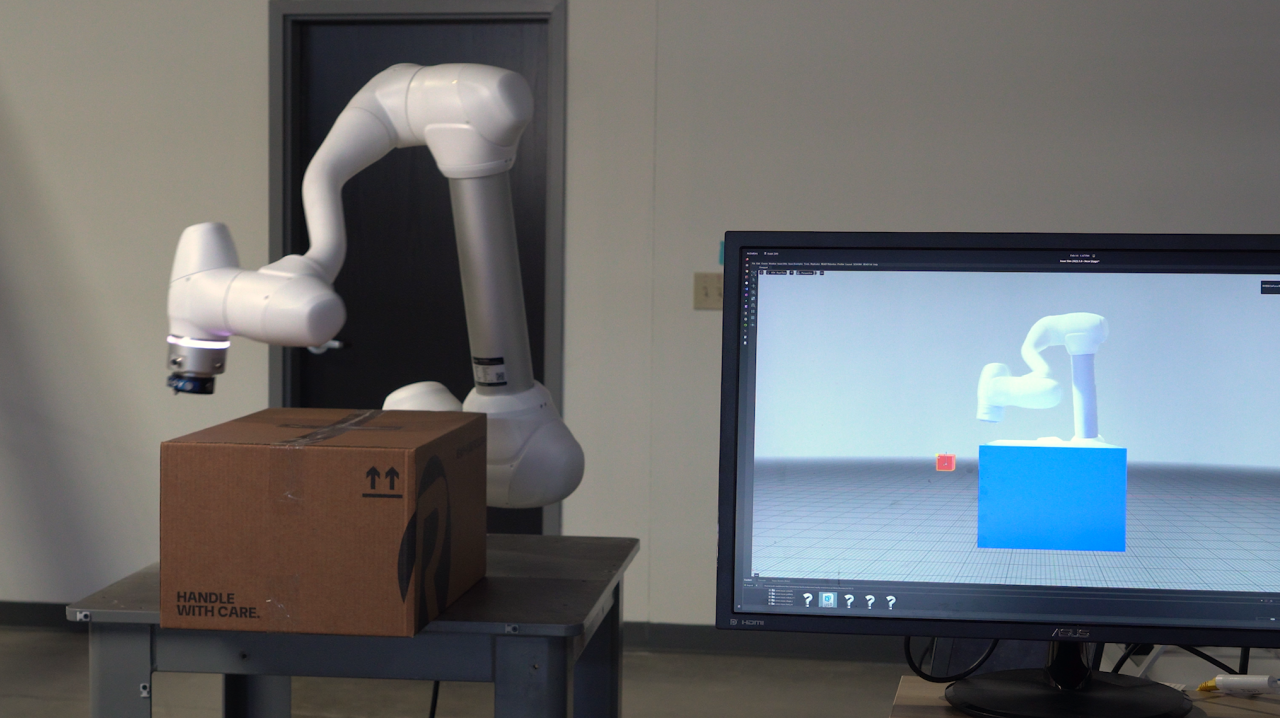
Reinforcement Learning is a subfield of Machine Learning where an agent learns to make decisions by performing actions in an environment and receiving feedback in the form of rewards or penalties. The agent’s objective is to maximize its cumulative reward over time. The learning process is often modeled as a Markov Decision Process (MDP), where the agent must choose the optimal action at each step based on its current state, with the goal of achieving the highest total reward.

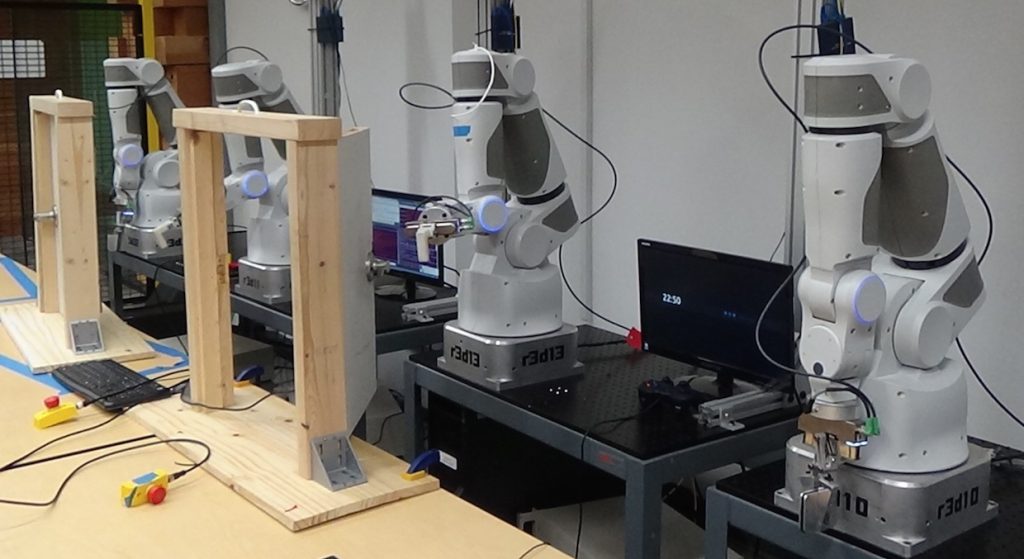
In the context of robotics, RL enables robots to autonomously learn and improve their behavior by trial and error. Instead of being programmed with specific instructions for each task, the robot explores its environment, interacts with it, and uses feedback to adjust its actions. Over time, the robot refines its decision-making process to achieve greater efficiency, accuracy, or performance.

How RL Works in Robotics

The core components of an RL system are the agent, the environment, and the reward system. Here’s how they work together in the context of robotics:

  1. Agent: The robot itself is the agent, which perceives the environment through sensors and takes actions to achieve a specific goal (e.g., pick up an object, navigate through a space).
  2. Environment: The environment includes everything the robot interacts with. This could be a physical world, such as a factory floor or a home, or a simulated environment for training purposes.
  3. Action: The robot performs actions that alter the state of the environment, such as moving, grasping, or rotating an object.
  4. State: The state represents the current condition of the environment as perceived by the robot, such as the position of objects or the robot’s own orientation.
  5. Reward: After taking an action, the robot receives feedback in the form of a reward or penalty. Positive rewards encourage the robot to repeat the action, while penalties push it to avoid certain behaviors.
  6. Policy: The policy is a strategy or mapping that defines how the robot decides on the next action based on its current state. It evolves over time as the robot learns from the rewards it receives.
  7. Value Function: The value function estimates the long-term reward of being in a particular state and following a given policy. It helps the robot assess which states are more favorable to reach.
Applications of Reinforcement Learning in Robotics

The potential of RL to transform robotics is vast, with applications spanning numerous industries, including manufacturing, healthcare, autonomous vehicles, and service robotics. Below are some key examples where RL is being leveraged to enhance robotic capabilities:

1. Autonomous Navigation and Path Planning

One of the most prominent applications of RL in robotics is in autonomous navigation. In environments such as warehouses, factories, or even outdoor terrain, robots must navigate complex spaces while avoiding obstacles, adjusting to dynamic environments, and reaching specific goals.

Through reinforcement learning, robots can learn to autonomously plan paths, optimize their movements, and improve their efficiency over time. For example, a robot tasked with delivering packages in a warehouse could use RL to learn the best routes, avoid crowded areas, and optimize its speed based on the current state of the environment.

2. Robot Manipulation and Grasping

Another critical area where RL is used is robot manipulation. Tasks such as object grasping, assembly, and manipulation require a high level of precision and adaptability. Traditional programming methods struggle in this context due to the vast number of possible actions and environments a robot might encounter.

By using RL, robots can learn how to manipulate objects autonomously by exploring different strategies, receiving feedback, and improving their tactics over time. For instance, a robot can use RL to determine the most effective way to pick up objects of various shapes and sizes, optimizing for grip strength, speed, and safety.

3. Human-Robot Interaction (HRI)

In collaborative settings, such as cobots working alongside humans, robots must learn to interact safely and effectively with people. RL is increasingly used to enable robots to learn social norms, communication strategies, and appropriate responses to human actions.

Through continuous interaction, the robot can learn to adjust its behavior based on human cues, such as proximity, gesture, or verbal communication. RL enables robots to adapt their responses in real-time, ensuring smoother collaboration and reducing the risk of accidents in shared workspaces.

4. Autonomous Vehicles and Drones

The combination of RL and robotics has been particularly impactful in the development of autonomous vehicles and drones. These machines must navigate real-world environments while avoiding obstacles, maintaining stability, and adhering to traffic laws.

RL allows autonomous vehicles to learn from their environment by simulating driving scenarios, adjusting their policies to optimize safety, energy efficiency, and navigation accuracy. Similarly, drones use RL to navigate through complex environments, optimizing flight paths and avoiding obstacles based on feedback.


Challenges in Reinforcement Learning for Robotics

While Reinforcement Learning offers significant advantages, implementing RL in real-world robotic systems comes with its own set of challenges. Some of the key obstacles include:

1. Sample Efficiency

In RL, the agent typically requires a large number of interactions with the environment to learn effective behavior. However, in real-world scenarios, gathering this data can be time-consuming, expensive, and sometimes dangerous. For example, if a robot is learning how to manipulate delicate objects, the robot may repeatedly damage them before learning the correct strategy.

Researchers are focusing on sample-efficient RL methods that allow robots to learn faster, requiring fewer interactions with the environment. These methods include transfer learning, where a robot applies knowledge gained from one task to another, and sim-to-real transfer, where a robot learns in a simulated environment before applying its knowledge in the real world.

2. Safety and Reliability

As robots learn autonomously, ensuring that they make safe and reliable decisions is paramount. In situations where a robot’s actions can lead to significant consequences—such as medical robots or autonomous vehicles—safety concerns become especially critical.

Research into safe reinforcement learning is focused on developing methods to guarantee that robots do not perform harmful actions during their learning process. This includes implementing constraints on the robot’s actions and using reward functions that penalize unsafe behaviors.

3. Real-Time Adaptation

In dynamic environments, robots must continuously adapt to changing conditions, such as new obstacles, shifting goals, or unexpected behaviors from humans. The ability to make real-time adjustments based on new information is essential for ensuring long-term success.

Real-time learning and adaptive RL algorithms are being developed to address this challenge, allowing robots to respond quickly to environmental changes while still optimizing their overall behavior.


The Future of Reinforcement Learning in Robotics

The potential for Reinforcement Learning to revolutionize robotics is immense. As RL algorithms continue to improve, we can expect robots to become more autonomous, adaptable, and efficient in a wide range of tasks.

1. Integration with Other AI Technologies

The future of RL in robotics will likely involve integration with other AI technologies, such as computer vision, natural language processing, and neural networks. By combining RL with these technologies, robots will be able to better perceive their environment, interpret human commands, and make more intelligent decisions.

2. Collaborative and Multi-Agent Systems

Another exciting area of development is multi-agent RL, where multiple robots learn and collaborate together. This could lead to teams of robots working in tandem to accomplish complex tasks, such as search-and-rescue missions or autonomous logistics operations.

3. Industry-Specific Applications

As RL technology matures, we can expect its adoption to increase across a wide range of industries. From healthcare robots that learn to assist surgeons, to agricultural robots that optimize crop harvesting, the potential applications of RL in specialized domains are vast.


Conclusion

Reinforcement Learning represents a significant leap forward in robotic technology, allowing robots to learn from experience and optimize their actions in ways that were previously unimaginable. By enabling robots to interact with their environment and improve their behavior autonomously, RL is paving the way for more intelligent, adaptable, and efficient robotic systems.

As researchers continue to overcome the challenges of sample efficiency, safety, and real-time adaptation, RL will play an increasingly crucial role in the development of robots that can perform complex tasks without the need for human intervention. The future of robotics, powered by reinforcement learning, promises to transform industries and improve the quality of life for people around the world.
Tags: RobotsSelf-LearnTechnology
ShareTweetShare

Related Posts

Edge Computing: A Key Technology for Real-Time Computer Vision Applications
Technology

Edge Computing: A Key Technology for Real-Time Computer Vision Applications

December 1, 2025
Image Fusion in Computer Vision: Enhancing Scene Understanding Through Multi-Sensor Integration
Technology

Image Fusion in Computer Vision: Enhancing Scene Understanding Through Multi-Sensor Integration

November 30, 2025
Sensor Fusion Technology: Achieving High-Precision Environmental Perception in Modern Robotics
Technology

Sensor Fusion Technology: Achieving High-Precision Environmental Perception in Modern Robotics

November 29, 2025
3D Vision Reconstruction and Depth Estimation: Foundations, Techniques, and Applications
Technology

3D Vision Reconstruction and Depth Estimation: Foundations, Techniques, and Applications

November 28, 2025
Computer Vision: The Foundation of Robotic Perception and Its Broad Applications in Autonomous Driving, Industrial Automation, and Medical Surgery
Technology

Computer Vision: The Foundation of Robotic Perception and Its Broad Applications in Autonomous Driving, Industrial Automation, and Medical Surgery

November 27, 2025
Ensuring Robots Do Not Harm Humans While Performing Tasks
Technology

Ensuring Robots Do Not Harm Humans While Performing Tasks

November 26, 2025
Leave Comment
  • Trending
  • Comments
  • Latest
The Revolutionary Impact of Robotics on Disaster Rescue and Environmental Protection

The Revolutionary Impact of Robotics on Disaster Rescue and Environmental Protection

October 20, 2025
Defining the Relationship Between Humans and Robots

Defining the Relationship Between Humans and Robots

October 20, 2025
Biomimetics: A Multidisciplinary Approach to the Future of Robotics and Innovation

Biomimetics: A Multidisciplinary Approach to the Future of Robotics and Innovation

October 20, 2025
How Robots Understand, Respond to, and Simulate Human Emotions to Enhance Interaction Experience

How Robots Understand, Respond to, and Simulate Human Emotions to Enhance Interaction Experience

October 20, 2025
The Integration of Artificial Intelligence and Human-Computer Interaction

The Integration of Artificial Intelligence and Human-Computer Interaction

Researching How Machines Can Recognize and Understand Human Emotions to Improve the Naturalness of Human-Computer Interaction

Researching How Machines Can Recognize and Understand Human Emotions to Improve the Naturalness of Human-Computer Interaction

AI Can Recognize User Emotions Through Facial Expressions, Voice Tones, and Other Signals and Respond Accordingly

AI Can Recognize User Emotions Through Facial Expressions, Voice Tones, and Other Signals and Respond Accordingly

Voice Assistant Research Drives Breakthroughs in Speech Recognition and Natural Language Understanding

Voice Assistant Research Drives Breakthroughs in Speech Recognition and Natural Language Understanding

Robotics and Societal Change: Smart Cities and Digitalized Living

Robotics and Societal Change: Smart Cities and Digitalized Living

December 1, 2025
How to Improve Robot Flexibility While Ensuring Strength and Durability: A Major Technological Challenge

How to Improve Robot Flexibility While Ensuring Strength and Durability: A Major Technological Challenge

December 1, 2025
The Application of Robotics and Automated Logistics Systems in Supply Chain Management

The Application of Robotics and Automated Logistics Systems in Supply Chain Management

December 1, 2025
Edge Computing: A Key Technology for Real-Time Computer Vision Applications

Edge Computing: A Key Technology for Real-Time Computer Vision Applications

December 1, 2025
AnthroboticsLab

Through expert commentary and deep dives into industry trends and ethical considerations, we bridge the gap between academic research and real-world application, fostering a deeper understanding of our technological future.

© 2025 anthroboticslab.com. contacts:[email protected]

No Result
View All Result
  • Home
  • Research
  • Technology
  • Industry
  • Insights
  • Futures

© 2025 anthroboticslab.com. contacts:[email protected]

Welcome Back!

Login to your account below

Forgotten Password?

Retrieve your password

Please enter your username or email address to reset your password.

Log In