













Introduction
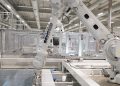
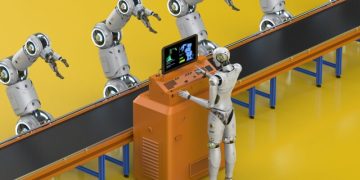
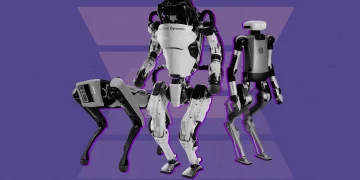
As the world moves into an era dominated by advanced robotics and digital technologies, the fabric of human society is undergoing profound transformation. Smart cities, robotics, and digitalization are interwoven in ways that promise to reshape the way we live, work, and interact. With the rise of artificial intelligence (AI), Internet of Things (IoT), and machine learning, robots are no longer confined to industrial applications or science fiction. Instead, they are becoming integral to urban life, interacting with humans in ways that improve efficiency, sustainability, and quality of life.
This article will explore how robots are influencing societal structures, particularly within the framework of smart cities and digital living. We will analyze how robotics is shaping urban development, how it contributes to economic productivity, and how the integration of AI and robotic systems is transforming societal roles, infrastructure, and the human experience.
The Rise of Smart Cities
1. What is a Smart City?
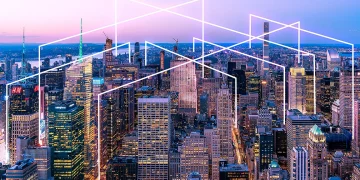
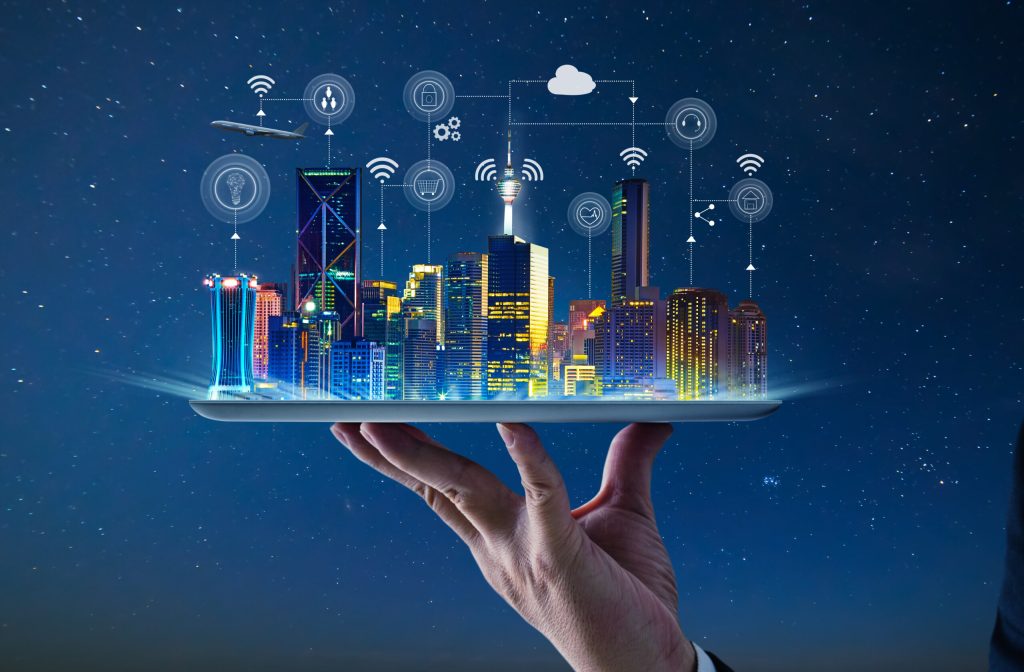
A smart city is an urban area that uses digital technology and data-driven solutions to improve the quality of life for its residents, enhance sustainability, and optimize urban operations. Through the integration of sensors, networks, and artificial intelligence, smart cities harness the power of data to better manage resources such as energy, water, and transportation. In such cities, robotics plays a crucial role in automating infrastructure, managing services, and enhancing the efficiency of public utilities.
2. Robots in Smart Cities: Key Applications
A. Autonomous Transportation
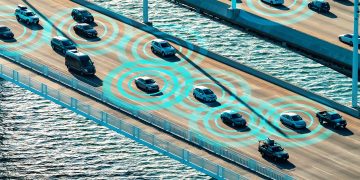
One of the most visible applications of robots in smart cities is in autonomous vehicles. Self-driving cars, buses, and delivery drones are being tested and deployed in urban environments, offering the potential for safer, more efficient transportation. These robotic vehicles can reduce traffic congestion, lower accident rates, and provide convenient transportation options for those unable to drive.
- Self-driving cars use AI to navigate the streets, avoiding obstacles, following traffic rules, and optimizing routes in real-time.
- Autonomous delivery robots and drones are increasingly being used for last-mile deliveries, reducing the need for human drivers and speeding up the delivery process.
These advancements are reshaping the way people move around cities, with implications for urban planning, pollution control, and the overall flow of daily life.
B. Robotic Assistants for Public Services
Robots are also being deployed in public service roles in smart cities. From maintenance robots that monitor and repair infrastructure to security robots that patrol streets, these machines are becoming essential tools for maintaining and enhancing urban life. For example, robots can:
- Clean streets and public spaces autonomously, using AI to detect and collect trash.
- Monitor air quality and traffic conditions, providing real-time data to city planners and allowing them to optimize public services.
By automating these routine tasks, robots free up human workers to focus on higher-value tasks while improving the overall efficiency and sustainability of urban environments.
C. Smart Infrastructure and Maintenance
As cities continue to grow, managing the infrastructure becomes increasingly complex. Robots and automation technologies are playing a crucial role in maintaining and upgrading critical infrastructure such as water supply systems, electric grids, and public buildings. For instance:
- Drones are used for inspections of bridges, buildings, and power lines, helping engineers detect issues before they become serious.
- Robotic systems in waste management can monitor waste levels and optimize collection routes, reducing costs and environmental impact.
The use of robotics to monitor and maintain infrastructure ensures that cities remain safe, efficient, and functional for all their residents.
3. Economic Impacts of Smart Cities and Robotics
The economic landscape of smart cities is deeply influenced by the integration of robotic systems and digital technologies. By automating key processes, cities can realize significant improvements in productivity, cost-efficiency, and resource management. Key economic benefits include:
- Reduced labor costs: Robots can replace manual labor for routine tasks, reducing the need for human workers in hazardous or monotonous roles.
- Increased operational efficiency: Smart cities use real-time data to optimize traffic, energy use, and waste management, significantly improving resource allocation.
- Job creation: Although robots may displace some low-skill jobs, the rise of automation leads to new job opportunities in sectors such as AI development, robotics engineering, and data analysis.
Moreover, the emergence of smart cities promotes innovative industries, fostering growth in the tech, robotics, and AI sectors.
Digitalization of Daily Life
1. The Role of Robotics in Daily Life
Robots are gradually becoming integrated into our everyday lives, transitioning from industrial applications to household and personal use. From personal assistants to healthcare robots, digital technologies are reshaping how we interact with machines and how they contribute to our daily routines.
A. Personal Robots and AI Assistants
The home assistant market is one of the most prominent examples of robots becoming part of daily life. Devices like Amazon Alexa, Google Assistant, and Apple Siri are early examples of AI-driven robots that facilitate voice commands, help with scheduling, and control smart home devices. These digital assistants play a growing role in enabling more seamless and convenient living.
Looking beyond voice assistants, robots are also being used in the form of robotic vacuum cleaners (like Roomba), robotic lawnmowers, and even personal companion robots that provide emotional support and help with tasks like meal preparation or home monitoring.
B. Healthcare Robots
One of the most transformative impacts of robotics in digitalized living is in healthcare. Robots are revolutionizing patient care, diagnosis, and treatment in a number of ways:
- Surgical robots, such as da Vinci, enable doctors to perform minimally invasive procedures with greater precision, reducing recovery times and improving patient outcomes.
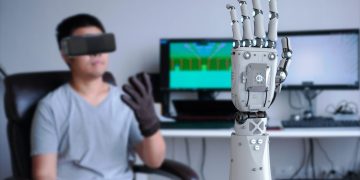
- Robotic prosthetics and exoskeletons help people with disabilities regain mobility and independence.
- Telepresence robots allow doctors to remotely examine patients in rural or underserved areas, improving access to healthcare.
These advancements not only enhance healthcare outcomes but also reduce costs, making healthcare more efficient and accessible.
C. Elderly Care and Social Robotics
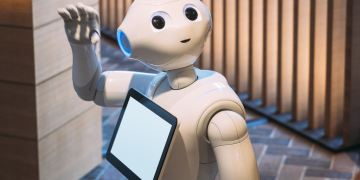
In an aging population, robots are playing an increasing role in providing care and companionship. Robotic caregivers can assist elderly individuals with daily activities such as medication management, mobility support, and emotional companionship. Robots like Pepper, a humanoid robot, are designed to interact with elderly patients, offering conversation and entertainment, while also monitoring their health.
These robots help alleviate the burden on human caregivers, particularly in environments like nursing homes and home healthcare, where demand for care is outstripping supply.
Societal and Ethical Implications of Robotics
1. Social Integration and Human-Robot Interaction
As robots increasingly take on roles in daily life, their interaction with humans becomes critical. The challenge lies in ensuring that robots can seamlessly integrate into society, interact with people effectively, and perform tasks that are beneficial rather than disruptive.
Key areas of focus include:
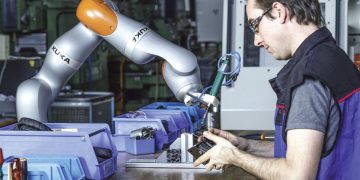
- Human-robot collaboration: Collaborative robots (or cobots) are designed to work alongside humans in shared spaces, combining human intelligence with robotic precision. This collaboration is essential for applications in manufacturing, healthcare, and service industries.
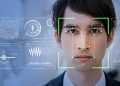
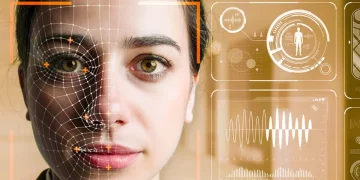
- Emotional intelligence: For robots to effectively interact with humans, they must be able to understand and respond to human emotions. Robots equipped with affective computing can recognize emotions based on facial expressions, voice tone, or body language, allowing for more meaningful interactions.
- Ethics of robot autonomy: As robots become more autonomous, questions around accountability, decision-making, and privacy arise. What happens when an autonomous vehicle causes an accident, or a healthcare robot makes a mistake? The development of ethical frameworks for robot behavior is crucial.
2. Job Displacement and Re-Skilling
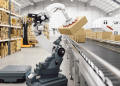
One of the biggest concerns surrounding the integration of robots in society is their potential to displace human workers. In sectors such as manufacturing, logistics, and customer service, robots can perform tasks traditionally done by humans, leading to job losses in certain fields. However, these disruptions can be mitigated by:
- Re-skilling programs: Training workers for new roles in AI, robotics, and technology management can help them transition to the jobs of the future.
- Job creation in new industries: As automation increases, new sectors will emerge that require skilled workers to maintain and program robotic systems, creating new job opportunities.
3. Privacy and Data Security
With the increase in robotic systems collecting and analyzing data about people’s movements, preferences, and behaviors, concerns over data privacy and security grow. The proliferation of IoT devices, smart sensors, and personal assistants generates vast amounts of personal data. Protecting this data and ensuring cybersecurity will be vital for maintaining public trust as robots become more involved in everyday life.
Conclusion
Robots and digital technologies are significantly altering the structure of society, particularly in the development of smart cities and the digitalization of daily life. By improving efficiency, sustainability, and quality of life, robots are becoming key enablers of modern urban living, from autonomous transportation to healthcare robotics. However, this transformation comes with complex challenges in social integration, ethical concerns, and workforce disruption.
As we continue to integrate robots into every facet of our lives, it will be essential to balance technological advancement with ethical responsibility and human-centered design. The future of robotics promises to shape urban environments, enhance human capabilities, and create a more connected and efficient society. The challenge will lie in ensuring that these technological changes benefit all members of society and lead to a sustainable, inclusive, and harmonious future.