






AnthroboticsLab
  • Home
  • Research
    Soft Robotics: Advancements in Bio-Inspired Flexible Systems

    Soft Robotics: Advancements in Bio-Inspired Flexible Systems

    Autonomous Robots and Reinforcement Learning: Paving the Way for Intelligent Machines

    Autonomous Robots and Reinforcement Learning: Paving the Way for Intelligent Machines

    Designing Adaptive User Interfaces: Enhancing Human-Computer Interaction through Dynamic Interfaces

    Designing Adaptive User Interfaces: Enhancing Human-Computer Interaction through Dynamic Interfaces

    Human-Machine Interaction in Augmented Reality and Virtual Reality: A Comprehensive Exploration

    Human-Machine Interaction in Augmented Reality and Virtual Reality: A Comprehensive Exploration

    Affective Computing and Human-Machine Emotional Interaction: The Future of Emotional AI

    Affective Computing and Human-Machine Emotional Interaction: The Future of Emotional AI

    Researching How Machines Can Understand, Recognize, and Respond to Human Emotions

    Researching How Machines Can Understand, Recognize, and Respond to Human Emotions

  • Technology
    Edge Computing: A Key Technology for Real-Time Computer Vision Applications

    Edge Computing: A Key Technology for Real-Time Computer Vision Applications

    Image Fusion in Computer Vision: Enhancing Scene Understanding Through Multi-Sensor Integration

    Image Fusion in Computer Vision: Enhancing Scene Understanding Through Multi-Sensor Integration

    Sensor Fusion Technology: Achieving High-Precision Environmental Perception in Modern Robotics

    Sensor Fusion Technology: Achieving High-Precision Environmental Perception in Modern Robotics

    3D Vision Reconstruction and Depth Estimation: Foundations, Techniques, and Applications

    3D Vision Reconstruction and Depth Estimation: Foundations, Techniques, and Applications

    Computer Vision: The Foundation of Robotic Perception and Its Broad Applications in Autonomous Driving, Industrial Automation, and Medical Surgery

    Computer Vision: The Foundation of Robotic Perception and Its Broad Applications in Autonomous Driving, Industrial Automation, and Medical Surgery

    Ensuring Robots Do Not Harm Humans While Performing Tasks

    Ensuring Robots Do Not Harm Humans While Performing Tasks

  • Industry
    The Application of Robotics and Automated Logistics Systems in Supply Chain Management

    The Application of Robotics and Automated Logistics Systems in Supply Chain Management

    Collaborative Robots and Human Workers: Enhancing Productivity and Ensuring Worker Safety

    Collaborative Robots and Human Workers: Enhancing Productivity and Ensuring Worker Safety

    Modern Production Lines: Emphasizing Flexibility and Customization

    Modern Production Lines: Emphasizing Flexibility and Customization

    The Expanding Role of Robots in Manufacturing: Advancements, Applications, and Future Prospects

    The Expanding Role of Robots in Manufacturing: Advancements, Applications, and Future Prospects

    Industry 4.0: Revolutionizing Manufacturing with IoT, AI, Robotics, and Big Data

    Industry 4.0: Revolutionizing Manufacturing with IoT, AI, Robotics, and Big Data

    Smart Manufacturing and Industry 4.0: Revolutionizing the Future of Production

    Smart Manufacturing and Industry 4.0: Revolutionizing the Future of Production

  • Insights
    How to Improve Robot Flexibility While Ensuring Strength and Durability: A Major Technological Challenge

    How to Improve Robot Flexibility While Ensuring Strength and Durability: A Major Technological Challenge

    Expert Interview: The Future of Biomimicry in Technology and Innovation

    Expert Interview: The Future of Biomimicry in Technology and Innovation

    Biomimetic Robots: Drawing Inspiration from Nature to Simulate the Behavior and Structure of Plants and Animals

    Biomimetic Robots: Drawing Inspiration from Nature to Simulate the Behavior and Structure of Plants and Animals

    Recent Advances in Flexible Materials and Bionic Muscle Actuation Technologies

    Recent Advances in Flexible Materials and Bionic Muscle Actuation Technologies

    Integrating Artificial Intelligence and Biomimetics: How Bionic Robots in Healthcare Can Provide Personalized Treatment Plans

    Integrating Artificial Intelligence and Biomimetics: How Bionic Robots in Healthcare Can Provide Personalized Treatment Plans

    The Great Potential of Bionic Robots in Neurorehabilitation

    The Great Potential of Bionic Robots in Neurorehabilitation

  • Futures
    Robotics and Societal Change: Smart Cities and Digitalized Living

    Robotics and Societal Change: Smart Cities and Digitalized Living

    The Widespread Application of Robotics: Potential Impact on Traditional Jobs

    The Widespread Application of Robotics: Potential Impact on Traditional Jobs

    Smart Homes and Life Assistants: The Future of Everyday Living

    Smart Homes and Life Assistants: The Future of Everyday Living

    The Expanding Role of Robots in the Service Industry: From Customer Service to Personalized Healthcare

    The Expanding Role of Robots in the Service Industry: From Customer Service to Personalized Healthcare

    Fully Automated Production and Services: The Future of Industry and Innovation

    Fully Automated Production and Services: The Future of Industry and Innovation

    The Future of Robots: From Tools to Understanding, Learning, and Responding to Human Society

    The Future of Robots: From Tools to Understanding, Learning, and Responding to Human Society

AnthroboticsLab
  • Home
  • Research
    Soft Robotics: Advancements in Bio-Inspired Flexible Systems

    Soft Robotics: Advancements in Bio-Inspired Flexible Systems

    Autonomous Robots and Reinforcement Learning: Paving the Way for Intelligent Machines

    Autonomous Robots and Reinforcement Learning: Paving the Way for Intelligent Machines

    Designing Adaptive User Interfaces: Enhancing Human-Computer Interaction through Dynamic Interfaces

    Designing Adaptive User Interfaces: Enhancing Human-Computer Interaction through Dynamic Interfaces

    Human-Machine Interaction in Augmented Reality and Virtual Reality: A Comprehensive Exploration

    Human-Machine Interaction in Augmented Reality and Virtual Reality: A Comprehensive Exploration

    Affective Computing and Human-Machine Emotional Interaction: The Future of Emotional AI

    Affective Computing and Human-Machine Emotional Interaction: The Future of Emotional AI

    Researching How Machines Can Understand, Recognize, and Respond to Human Emotions

    Researching How Machines Can Understand, Recognize, and Respond to Human Emotions

  • Technology
    Edge Computing: A Key Technology for Real-Time Computer Vision Applications

    Edge Computing: A Key Technology for Real-Time Computer Vision Applications

    Image Fusion in Computer Vision: Enhancing Scene Understanding Through Multi-Sensor Integration

    Image Fusion in Computer Vision: Enhancing Scene Understanding Through Multi-Sensor Integration

    Sensor Fusion Technology: Achieving High-Precision Environmental Perception in Modern Robotics

    Sensor Fusion Technology: Achieving High-Precision Environmental Perception in Modern Robotics

    3D Vision Reconstruction and Depth Estimation: Foundations, Techniques, and Applications

    3D Vision Reconstruction and Depth Estimation: Foundations, Techniques, and Applications

    Computer Vision: The Foundation of Robotic Perception and Its Broad Applications in Autonomous Driving, Industrial Automation, and Medical Surgery

    Computer Vision: The Foundation of Robotic Perception and Its Broad Applications in Autonomous Driving, Industrial Automation, and Medical Surgery

    Ensuring Robots Do Not Harm Humans While Performing Tasks

    Ensuring Robots Do Not Harm Humans While Performing Tasks

  • Industry
    The Application of Robotics and Automated Logistics Systems in Supply Chain Management

    The Application of Robotics and Automated Logistics Systems in Supply Chain Management

    Collaborative Robots and Human Workers: Enhancing Productivity and Ensuring Worker Safety

    Collaborative Robots and Human Workers: Enhancing Productivity and Ensuring Worker Safety

    Modern Production Lines: Emphasizing Flexibility and Customization

    Modern Production Lines: Emphasizing Flexibility and Customization

    The Expanding Role of Robots in Manufacturing: Advancements, Applications, and Future Prospects

    The Expanding Role of Robots in Manufacturing: Advancements, Applications, and Future Prospects

    Industry 4.0: Revolutionizing Manufacturing with IoT, AI, Robotics, and Big Data

    Industry 4.0: Revolutionizing Manufacturing with IoT, AI, Robotics, and Big Data

    Smart Manufacturing and Industry 4.0: Revolutionizing the Future of Production

    Smart Manufacturing and Industry 4.0: Revolutionizing the Future of Production

  • Insights
    How to Improve Robot Flexibility While Ensuring Strength and Durability: A Major Technological Challenge

    How to Improve Robot Flexibility While Ensuring Strength and Durability: A Major Technological Challenge

    Expert Interview: The Future of Biomimicry in Technology and Innovation

    Expert Interview: The Future of Biomimicry in Technology and Innovation

    Biomimetic Robots: Drawing Inspiration from Nature to Simulate the Behavior and Structure of Plants and Animals

    Biomimetic Robots: Drawing Inspiration from Nature to Simulate the Behavior and Structure of Plants and Animals

    Recent Advances in Flexible Materials and Bionic Muscle Actuation Technologies

    Recent Advances in Flexible Materials and Bionic Muscle Actuation Technologies

    Integrating Artificial Intelligence and Biomimetics: How Bionic Robots in Healthcare Can Provide Personalized Treatment Plans

    Integrating Artificial Intelligence and Biomimetics: How Bionic Robots in Healthcare Can Provide Personalized Treatment Plans

    The Great Potential of Bionic Robots in Neurorehabilitation

    The Great Potential of Bionic Robots in Neurorehabilitation

  • Futures
    Robotics and Societal Change: Smart Cities and Digitalized Living

    Robotics and Societal Change: Smart Cities and Digitalized Living

    The Widespread Application of Robotics: Potential Impact on Traditional Jobs

    The Widespread Application of Robotics: Potential Impact on Traditional Jobs

    Smart Homes and Life Assistants: The Future of Everyday Living

    Smart Homes and Life Assistants: The Future of Everyday Living

    The Expanding Role of Robots in the Service Industry: From Customer Service to Personalized Healthcare

    The Expanding Role of Robots in the Service Industry: From Customer Service to Personalized Healthcare

    Fully Automated Production and Services: The Future of Industry and Innovation

    Fully Automated Production and Services: The Future of Industry and Innovation

    The Future of Robots: From Tools to Understanding, Learning, and Responding to Human Society

    The Future of Robots: From Tools to Understanding, Learning, and Responding to Human Society

AnthroboticsLab
No Result
View All Result
Home Industry

Robots in Surgery: Enhancing Precision, Stability, and Treatment Outcomes

October 16, 2025
in Industry
Robots in Surgery: Enhancing Precision, Stability, and Treatment Outcomes

Introduction

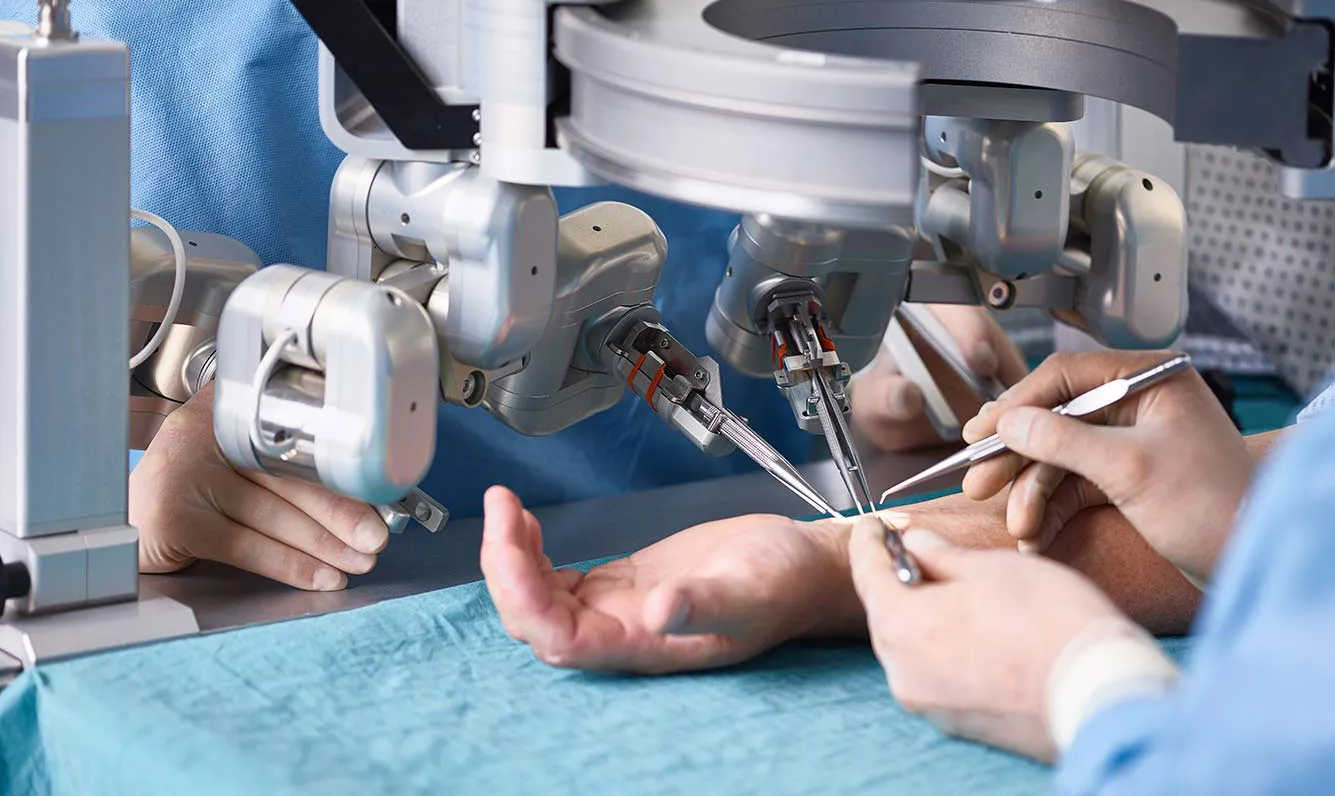
Surgical procedures have evolved dramatically over the past few decades, with advancements in robotics and automation playing a significant role. Robots, once thought of as mere tools, are now becoming integral members of surgical teams. They offer unparalleled precision, stability, and consistency—qualities that are especially crucial in complex surgeries. The use of robotic assistance has not only reduced human error but has also opened new possibilities for minimally invasive surgery, ultimately leading to better patient outcomes.

This article delves into the impact of robotic technology on modern surgery, examining how robotic systems are reshaping the landscape of healthcare. We will explore how robots assist in various surgical procedures, their benefits in terms of precision, stability, and reduced errors, and how they are improving treatment outcomes for patients.


1. The Evolution of Robotic Surgery

1.1 From Concept to Reality

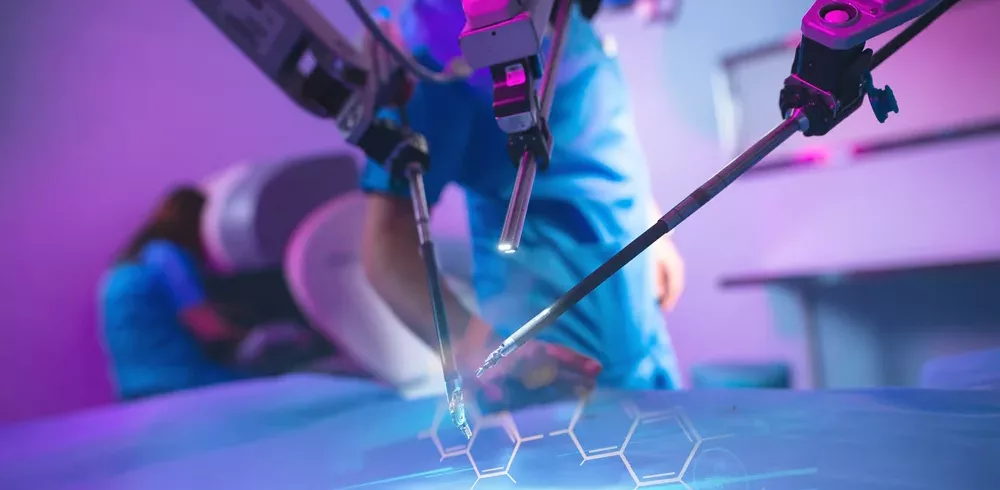
The idea of using machines to assist in surgery dates back to the 1980s, but it was not until the early 2000s that robotic surgery began to gain mainstream adoption. The introduction of the da Vinci Surgical System by Intuitive Surgical in 2000 marked a turning point. It enabled surgeons to perform minimally invasive surgeries with greater precision, using robotic arms controlled by a console. Over the years, advancements in robotic hardware, software, and AI have paved the way for even more sophisticated systems that offer enhanced capabilities.

1.2 The Rise of Minimally Invasive Surgery

Minimally invasive surgery (MIS) refers to surgical techniques that use small incisions, often no larger than a few millimeters, to minimize damage to healthy tissue and reduce recovery times. Robotic systems have revolutionized MIS, enabling doctors to perform highly precise surgeries with greater control and stability, even in hard-to-reach areas of the body. This has led to:

  • Shorter recovery times
  • Less postoperative pain
  • Fewer complications
  • Reduced scarring

With the growing capability of robotic surgery systems, these benefits are now accessible for a wider range of complex procedures, such as cardiothoracic surgery, neurosurgery, and orthopedic surgery.

2. Enhancing Precision with Robotic Systems

2.1 The Importance of Precision in Surgery

In any surgery, precision is paramount. Even the smallest deviation from the intended path can lead to complications or permanent damage. Traditional surgical methods, while effective, rely heavily on the surgeon’s manual dexterity, experience, and focus. Human limitations, such as hand tremors, fatigue, and limited visual access in certain areas, can compromise the accuracy of delicate procedures.

Robotic surgery systems, on the other hand, are designed to overcome these limitations by offering unprecedented precision and control. Robotic arms can move with greater accuracy than the human hand, performing delicate maneuvers that would be difficult or impossible with manual techniques.

2.2 How Robotics Achieve Higher Precision

  • Fine Motor Skills: Robotic systems can execute movements with extreme precision, often in fractions of a millimeter. For instance, during neurosurgery, even the slightest misstep can lead to permanent brain damage, but robotic systems are capable of performing such intricate tasks with great accuracy.
  • Enhanced Visualization: Robots are often equipped with advanced 3D imaging and high-definition cameras that provide the surgeon with a clearer, magnified view of the surgical site. This allows the surgeon to see and interact with tissues that might otherwise be difficult to visualize.
  • Reduced Tremor: One of the most significant advantages of robotic systems is their ability to eliminate or filter out hand tremors. Human hands naturally exhibit slight tremors, especially during long or complex procedures, but robots can operate with unwavering stability.

2.3 Case Studies: Precision in Action

Several high-stakes surgeries highlight the precision capabilities of robotic systems:

  • Prostatectomy: In robotic prostatectomy, robotic assistance enables surgeons to remove the prostate gland with extreme precision, preserving surrounding tissue and minimizing the risk of complications such as incontinence or erectile dysfunction.
  • Spinal Surgery: Robotic arms can perform spinal procedures with such accuracy that they can place screws and rods into the spine with millimeter-level precision, significantly reducing the risk of neurological damage and post-surgical complications.

3. Enhancing Stability in Complex Surgical Procedures

3.1 Stability and Control: A Critical Factor

While precision focuses on accuracy, stability is just as critical in many surgeries, especially those requiring prolonged focus and delicate maneuvers. In conventional surgeries, human surgeons may experience physical fatigue, hand tremors, or even limited range of motion, which can affect the overall stability of the procedure. Robotic systems, by contrast, provide superior stability through their rigid structure, highly controlled movements, and continuous feedback mechanisms.

3.2 The Role of Robotics in Minimizing Fatigue

Surgeons often work for several hours on complex procedures, which can lead to fatigue and reduced concentration. Robot-assisted surgeries enable surgeons to perform extended procedures with reduced physical strain, as the robotic system handles the intricate movements and allows the surgeon to focus on decision-making. This is particularly beneficial in microsurgeries, such as ocular surgery, where sustained precision is essential.

3.3 Robotic Stability in Action

  • Cardiac Surgery: In robotic-assisted cardiac surgery, robots provide enhanced stability when performing delicate procedures on the heart, minimizing the risk of inadvertent damage to surrounding structures like blood vessels or valves.
  • Orthopedic Surgery: In robotic knee replacement, for example, robotic arms ensure that implants are positioned with absolute precision, improving the stability of the knee joint and the success rate of the procedure.

4. Reducing Errors and Improving Treatment Outcomes

4.1 The Role of Robotics in Reducing Human Error

Human error, whether due to fatigue, misjudgment, or limited physical dexterity, is an unavoidable aspect of traditional surgery. These errors can lead to incorrect incisions, inaccurate tissue removal, or even complications like infection or scarring. Robotic surgery systems minimize these risks by providing a high level of consistency and control throughout the procedure.

Robots also enable real-time data feedback during surgery, giving surgeons the ability to make data-driven decisions based on metrics like blood pressure, heart rate, and tissue condition. This immediate access to critical information reduces the likelihood of avoidable errors and allows for quicker responses to unforeseen issues.

4.2 Improved Treatment Outcomes

The introduction of robotic assistance into surgical procedures has consistently resulted in better patient outcomes, including:

  • Faster recovery times: With more precise cuts and less trauma to surrounding tissues, patients experience less pain and can often return to normal activities sooner.
  • Lower complication rates: Robotic systems’ ability to maintain stability and precision during surgeries reduces the risk of complications such as bleeding, infection, and organ damage.
  • Minimized scarring: With smaller incisions, robots enable surgeons to perform minimally invasive procedures, which results in smaller scars and less post-operative discomfort for patients.

4.3 Case Studies: Error Reduction and Improved Outcomes

  • Gynecological Surgery: In robotic-assisted hysterectomy, the robot’s high precision ensures that only the necessary tissue is removed, reducing blood loss and recovery time. Studies show that robotic-assisted hysterectomies lead to fewer complications compared to traditional methods.
  • Neurosurgery: In delicate brain surgery, robotic systems help surgeons navigate the complex neural pathways with remarkable precision, reducing the risk of damage to critical brain structures. This leads to improved recovery and reduced incidence of neurological deficits.

5. The Future of Robotic Surgery

5.1 Advances in AI and Machine Learning

The future of robotic surgery will be increasingly influenced by advances in artificial intelligence (AI) and machine learning. These technologies will enable robotic systems to learn from past surgeries, recognize patterns, and make predictive decisions during procedures. Over time, these systems will become even more autonomous, further reducing the potential for human error and improving treatment outcomes.

5.2 Integration with Augmented Reality (AR) and Virtual Reality (VR)

Emerging technologies such as augmented reality (AR) and virtual reality (VR) will also play a significant role in shaping the future of robotic surgery. By overlaying real-time visual data and 3D models onto the surgeon’s field of view, these technologies can help guide surgeons in performing highly complex tasks with unparalleled precision and confidence.


Conclusion

Robotic systems are increasingly playing a vital role in the world of surgery, offering higher precision, stability, and the ability to reduce errors, ultimately leading to improved patient outcomes. By enabling surgeons to perform complex procedures with greater control and less physical strain, these advanced technologies are not only improving surgical results but are also shaping the future of healthcare. With ongoing advancements in AI, machine learning, and robotics, the possibilities for the next generation of surgical tools are limitless, promising even more efficient, precise, and patient-centric care.
Tags: IndustryRobots in SurgerySurgical Robot Assistance
ShareTweetShare

Related Posts

The Application of Robotics and Automated Logistics Systems in Supply Chain Management
Industry

The Application of Robotics and Automated Logistics Systems in Supply Chain Management

December 1, 2025
Collaborative Robots and Human Workers: Enhancing Productivity and Ensuring Worker Safety
Industry

Collaborative Robots and Human Workers: Enhancing Productivity and Ensuring Worker Safety

November 30, 2025
Modern Production Lines: Emphasizing Flexibility and Customization
Industry

Modern Production Lines: Emphasizing Flexibility and Customization

November 29, 2025
The Expanding Role of Robots in Manufacturing: Advancements, Applications, and Future Prospects
Industry

The Expanding Role of Robots in Manufacturing: Advancements, Applications, and Future Prospects

November 28, 2025
Industry 4.0: Revolutionizing Manufacturing with IoT, AI, Robotics, and Big Data
Industry

Industry 4.0: Revolutionizing Manufacturing with IoT, AI, Robotics, and Big Data

November 27, 2025
Smart Manufacturing and Industry 4.0: Revolutionizing the Future of Production
Industry

Smart Manufacturing and Industry 4.0: Revolutionizing the Future of Production

November 26, 2025
Leave Comment
  • Trending
  • Comments
  • Latest
The Revolutionary Impact of Robotics on Disaster Rescue and Environmental Protection

The Revolutionary Impact of Robotics on Disaster Rescue and Environmental Protection

October 20, 2025
Defining the Relationship Between Humans and Robots

Defining the Relationship Between Humans and Robots

October 20, 2025
Biomimetics: A Multidisciplinary Approach to the Future of Robotics and Innovation

Biomimetics: A Multidisciplinary Approach to the Future of Robotics and Innovation

October 20, 2025
How Robots Understand, Respond to, and Simulate Human Emotions to Enhance Interaction Experience

How Robots Understand, Respond to, and Simulate Human Emotions to Enhance Interaction Experience

October 20, 2025
The Integration of Artificial Intelligence and Human-Computer Interaction

The Integration of Artificial Intelligence and Human-Computer Interaction

Researching How Machines Can Recognize and Understand Human Emotions to Improve the Naturalness of Human-Computer Interaction

Researching How Machines Can Recognize and Understand Human Emotions to Improve the Naturalness of Human-Computer Interaction

AI Can Recognize User Emotions Through Facial Expressions, Voice Tones, and Other Signals and Respond Accordingly

AI Can Recognize User Emotions Through Facial Expressions, Voice Tones, and Other Signals and Respond Accordingly

Voice Assistant Research Drives Breakthroughs in Speech Recognition and Natural Language Understanding

Voice Assistant Research Drives Breakthroughs in Speech Recognition and Natural Language Understanding

Robotics and Societal Change: Smart Cities and Digitalized Living

Robotics and Societal Change: Smart Cities and Digitalized Living

December 1, 2025
How to Improve Robot Flexibility While Ensuring Strength and Durability: A Major Technological Challenge

How to Improve Robot Flexibility While Ensuring Strength and Durability: A Major Technological Challenge

December 1, 2025
The Application of Robotics and Automated Logistics Systems in Supply Chain Management

The Application of Robotics and Automated Logistics Systems in Supply Chain Management

December 1, 2025
Edge Computing: A Key Technology for Real-Time Computer Vision Applications

Edge Computing: A Key Technology for Real-Time Computer Vision Applications

December 1, 2025
AnthroboticsLab

Through expert commentary and deep dives into industry trends and ethical considerations, we bridge the gap between academic research and real-world application, fostering a deeper understanding of our technological future.

© 2025 anthroboticslab.com. contacts:[email protected]

No Result
View All Result
  • Home
  • Research
  • Technology
  • Industry
  • Insights
  • Futures

© 2025 anthroboticslab.com. contacts:[email protected]

Welcome Back!

Login to your account below

Forgotten Password?

Retrieve your password

Please enter your username or email address to reset your password.

Log In