





AnthroboticsLab
  • Home
  • Research
    Soft Robotics: Advancements in Bio-Inspired Flexible Systems

    Soft Robotics: Advancements in Bio-Inspired Flexible Systems

    Autonomous Robots and Reinforcement Learning: Paving the Way for Intelligent Machines

    Autonomous Robots and Reinforcement Learning: Paving the Way for Intelligent Machines

    Designing Adaptive User Interfaces: Enhancing Human-Computer Interaction through Dynamic Interfaces

    Designing Adaptive User Interfaces: Enhancing Human-Computer Interaction through Dynamic Interfaces

    Human-Machine Interaction in Augmented Reality and Virtual Reality: A Comprehensive Exploration

    Human-Machine Interaction in Augmented Reality and Virtual Reality: A Comprehensive Exploration

    Affective Computing and Human-Machine Emotional Interaction: The Future of Emotional AI

    Affective Computing and Human-Machine Emotional Interaction: The Future of Emotional AI

    Researching How Machines Can Understand, Recognize, and Respond to Human Emotions

    Researching How Machines Can Understand, Recognize, and Respond to Human Emotions

  • Technology
    Edge Computing: A Key Technology for Real-Time Computer Vision Applications

    Edge Computing: A Key Technology for Real-Time Computer Vision Applications

    Image Fusion in Computer Vision: Enhancing Scene Understanding Through Multi-Sensor Integration

    Image Fusion in Computer Vision: Enhancing Scene Understanding Through Multi-Sensor Integration

    Sensor Fusion Technology: Achieving High-Precision Environmental Perception in Modern Robotics

    Sensor Fusion Technology: Achieving High-Precision Environmental Perception in Modern Robotics

    3D Vision Reconstruction and Depth Estimation: Foundations, Techniques, and Applications

    3D Vision Reconstruction and Depth Estimation: Foundations, Techniques, and Applications

    Computer Vision: The Foundation of Robotic Perception and Its Broad Applications in Autonomous Driving, Industrial Automation, and Medical Surgery

    Computer Vision: The Foundation of Robotic Perception and Its Broad Applications in Autonomous Driving, Industrial Automation, and Medical Surgery

    Ensuring Robots Do Not Harm Humans While Performing Tasks

    Ensuring Robots Do Not Harm Humans While Performing Tasks

  • Industry
    The Application of Robotics and Automated Logistics Systems in Supply Chain Management

    The Application of Robotics and Automated Logistics Systems in Supply Chain Management

    Collaborative Robots and Human Workers: Enhancing Productivity and Ensuring Worker Safety

    Collaborative Robots and Human Workers: Enhancing Productivity and Ensuring Worker Safety

    Modern Production Lines: Emphasizing Flexibility and Customization

    Modern Production Lines: Emphasizing Flexibility and Customization

    The Expanding Role of Robots in Manufacturing: Advancements, Applications, and Future Prospects

    The Expanding Role of Robots in Manufacturing: Advancements, Applications, and Future Prospects

    Industry 4.0: Revolutionizing Manufacturing with IoT, AI, Robotics, and Big Data

    Industry 4.0: Revolutionizing Manufacturing with IoT, AI, Robotics, and Big Data

    Smart Manufacturing and Industry 4.0: Revolutionizing the Future of Production

    Smart Manufacturing and Industry 4.0: Revolutionizing the Future of Production

  • Insights
    How to Improve Robot Flexibility While Ensuring Strength and Durability: A Major Technological Challenge

    How to Improve Robot Flexibility While Ensuring Strength and Durability: A Major Technological Challenge

    Expert Interview: The Future of Biomimicry in Technology and Innovation

    Expert Interview: The Future of Biomimicry in Technology and Innovation

    Biomimetic Robots: Drawing Inspiration from Nature to Simulate the Behavior and Structure of Plants and Animals

    Biomimetic Robots: Drawing Inspiration from Nature to Simulate the Behavior and Structure of Plants and Animals

    Recent Advances in Flexible Materials and Bionic Muscle Actuation Technologies

    Recent Advances in Flexible Materials and Bionic Muscle Actuation Technologies

    Integrating Artificial Intelligence and Biomimetics: How Bionic Robots in Healthcare Can Provide Personalized Treatment Plans

    Integrating Artificial Intelligence and Biomimetics: How Bionic Robots in Healthcare Can Provide Personalized Treatment Plans

    The Great Potential of Bionic Robots in Neurorehabilitation

    The Great Potential of Bionic Robots in Neurorehabilitation

  • Futures
    Robotics and Societal Change: Smart Cities and Digitalized Living

    Robotics and Societal Change: Smart Cities and Digitalized Living

    The Widespread Application of Robotics: Potential Impact on Traditional Jobs

    The Widespread Application of Robotics: Potential Impact on Traditional Jobs

    Smart Homes and Life Assistants: The Future of Everyday Living

    Smart Homes and Life Assistants: The Future of Everyday Living

    The Expanding Role of Robots in the Service Industry: From Customer Service to Personalized Healthcare

    The Expanding Role of Robots in the Service Industry: From Customer Service to Personalized Healthcare

    Fully Automated Production and Services: The Future of Industry and Innovation

    Fully Automated Production and Services: The Future of Industry and Innovation

    The Future of Robots: From Tools to Understanding, Learning, and Responding to Human Society

    The Future of Robots: From Tools to Understanding, Learning, and Responding to Human Society

AnthroboticsLab
  • Home
  • Research
    Soft Robotics: Advancements in Bio-Inspired Flexible Systems

    Soft Robotics: Advancements in Bio-Inspired Flexible Systems

    Autonomous Robots and Reinforcement Learning: Paving the Way for Intelligent Machines

    Autonomous Robots and Reinforcement Learning: Paving the Way for Intelligent Machines

    Designing Adaptive User Interfaces: Enhancing Human-Computer Interaction through Dynamic Interfaces

    Designing Adaptive User Interfaces: Enhancing Human-Computer Interaction through Dynamic Interfaces

    Human-Machine Interaction in Augmented Reality and Virtual Reality: A Comprehensive Exploration

    Human-Machine Interaction in Augmented Reality and Virtual Reality: A Comprehensive Exploration

    Affective Computing and Human-Machine Emotional Interaction: The Future of Emotional AI

    Affective Computing and Human-Machine Emotional Interaction: The Future of Emotional AI

    Researching How Machines Can Understand, Recognize, and Respond to Human Emotions

    Researching How Machines Can Understand, Recognize, and Respond to Human Emotions

  • Technology
    Edge Computing: A Key Technology for Real-Time Computer Vision Applications

    Edge Computing: A Key Technology for Real-Time Computer Vision Applications

    Image Fusion in Computer Vision: Enhancing Scene Understanding Through Multi-Sensor Integration

    Image Fusion in Computer Vision: Enhancing Scene Understanding Through Multi-Sensor Integration

    Sensor Fusion Technology: Achieving High-Precision Environmental Perception in Modern Robotics

    Sensor Fusion Technology: Achieving High-Precision Environmental Perception in Modern Robotics

    3D Vision Reconstruction and Depth Estimation: Foundations, Techniques, and Applications

    3D Vision Reconstruction and Depth Estimation: Foundations, Techniques, and Applications

    Computer Vision: The Foundation of Robotic Perception and Its Broad Applications in Autonomous Driving, Industrial Automation, and Medical Surgery

    Computer Vision: The Foundation of Robotic Perception and Its Broad Applications in Autonomous Driving, Industrial Automation, and Medical Surgery

    Ensuring Robots Do Not Harm Humans While Performing Tasks

    Ensuring Robots Do Not Harm Humans While Performing Tasks

  • Industry
    The Application of Robotics and Automated Logistics Systems in Supply Chain Management

    The Application of Robotics and Automated Logistics Systems in Supply Chain Management

    Collaborative Robots and Human Workers: Enhancing Productivity and Ensuring Worker Safety

    Collaborative Robots and Human Workers: Enhancing Productivity and Ensuring Worker Safety

    Modern Production Lines: Emphasizing Flexibility and Customization

    Modern Production Lines: Emphasizing Flexibility and Customization

    The Expanding Role of Robots in Manufacturing: Advancements, Applications, and Future Prospects

    The Expanding Role of Robots in Manufacturing: Advancements, Applications, and Future Prospects

    Industry 4.0: Revolutionizing Manufacturing with IoT, AI, Robotics, and Big Data

    Industry 4.0: Revolutionizing Manufacturing with IoT, AI, Robotics, and Big Data

    Smart Manufacturing and Industry 4.0: Revolutionizing the Future of Production

    Smart Manufacturing and Industry 4.0: Revolutionizing the Future of Production

  • Insights
    How to Improve Robot Flexibility While Ensuring Strength and Durability: A Major Technological Challenge

    How to Improve Robot Flexibility While Ensuring Strength and Durability: A Major Technological Challenge

    Expert Interview: The Future of Biomimicry in Technology and Innovation

    Expert Interview: The Future of Biomimicry in Technology and Innovation

    Biomimetic Robots: Drawing Inspiration from Nature to Simulate the Behavior and Structure of Plants and Animals

    Biomimetic Robots: Drawing Inspiration from Nature to Simulate the Behavior and Structure of Plants and Animals

    Recent Advances in Flexible Materials and Bionic Muscle Actuation Technologies

    Recent Advances in Flexible Materials and Bionic Muscle Actuation Technologies

    Integrating Artificial Intelligence and Biomimetics: How Bionic Robots in Healthcare Can Provide Personalized Treatment Plans

    Integrating Artificial Intelligence and Biomimetics: How Bionic Robots in Healthcare Can Provide Personalized Treatment Plans

    The Great Potential of Bionic Robots in Neurorehabilitation

    The Great Potential of Bionic Robots in Neurorehabilitation

  • Futures
    Robotics and Societal Change: Smart Cities and Digitalized Living

    Robotics and Societal Change: Smart Cities and Digitalized Living

    The Widespread Application of Robotics: Potential Impact on Traditional Jobs

    The Widespread Application of Robotics: Potential Impact on Traditional Jobs

    Smart Homes and Life Assistants: The Future of Everyday Living

    Smart Homes and Life Assistants: The Future of Everyday Living

    The Expanding Role of Robots in the Service Industry: From Customer Service to Personalized Healthcare

    The Expanding Role of Robots in the Service Industry: From Customer Service to Personalized Healthcare

    Fully Automated Production and Services: The Future of Industry and Innovation

    Fully Automated Production and Services: The Future of Industry and Innovation

    The Future of Robots: From Tools to Understanding, Learning, and Responding to Human Society

    The Future of Robots: From Tools to Understanding, Learning, and Responding to Human Society

AnthroboticsLab
No Result
View All Result
Home Futures

The Future of Smart Cities: How Robotics and Intelligent Technologies Will Create a More Efficient, Green, and Convenient Urban Environment

October 20, 2025
in Futures
The Future of Smart Cities: How Robotics and Intelligent Technologies Will Create a More Efficient, Green, and Convenient Urban Environment

Introduction

The concept of smart cities is rapidly gaining traction in urban planning and development. With the rapid advancements in robotics, artificial intelligence (AI), and other intelligent technologies, the future of urban life is poised for a monumental shift. The integration of these technologies into urban infrastructure promises to make cities more efficient, sustainable, and accessible, addressing many of the challenges faced by modern urban environments, such as traffic congestion, pollution, energy consumption, and the demand for public services.

In this article, we will explore how robotics and AI are transforming cities around the world. We will examine how intelligent technologies are being used to create sustainable urban environments, enhance the quality of life for residents, and improve the efficiency of city operations. Furthermore, we will analyze the challenges associated with the implementation of these technologies and the potential impacts they will have on society.


1. The Role of Robotics and AI in Smart Cities

a. Automating Urban Infrastructure

One of the most significant ways robotics and AI are contributing to the development of smart cities is through the automation of urban infrastructure. This includes everything from transportation systems to utilities management, all aimed at creating a more efficient, scalable, and sustainable urban environment.

Autonomous vehicles (AVs), such as self-driving cars, buses, and trucks, are poised to revolutionize urban mobility. These AI-driven vehicles can communicate with one another to optimize traffic flow, reduce congestion, and enhance safety on the roads. Additionally, AVs can be integrated into smart grids to optimize energy consumption, delivering electricity only when and where it’s needed, based on real-time demand.

The automation of building systems is another area where robotics and AI are having a profound impact. From heating and cooling systems to security and waste management, automated solutions are reducing the energy footprint of buildings while improving their functionality. Smart thermostats, for example, learn from user behavior and adjust temperature settings to save energy while maintaining comfort.

b. Intelligent Public Services

AI and robotics are also enhancing public services in smart cities. For instance, AI-powered chatbots and virtual assistants are being used to provide 24/7 customer service, helping citizens with everything from answering questions about public transportation to resolving complaints about utilities. These services save both time and money while improving the overall user experience.

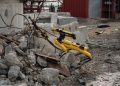
In addition to AI-driven communication systems, robotics are being deployed for public safety. Drones are increasingly being used by law enforcement and emergency responders to monitor large public events, track criminal activity, and provide first responders with real-time data in emergency situations. Robots are also being used in search-and-rescue operations, helping to locate survivors after natural disasters or in hazardous environments.

Expert Comment:
“Integrating robotics and AI into urban infrastructure is about more than just efficiency. It’s about creating a city that responds intelligently to the needs of its citizens, anticipates problems before they arise, and continuously improves its own operations.” — Dr. Emily Roberts, Urban Technology Expert


2. Green Technology and Sustainability in Smart Cities

a. Energy Management and Efficiency

One of the key challenges faced by modern cities is sustainable energy use. Smart cities aim to reduce their carbon footprint through green technologies that optimize energy consumption across residential, commercial, and industrial sectors.

AI-driven energy management systems play a crucial role in this process. These systems analyze vast amounts of data in real-time to adjust energy consumption patterns. For example, smart grids use AI to predict energy demand, adjust power distribution dynamically, and ensure that renewable energy sources like solar and wind are fully utilized, reducing reliance on fossil fuels.

Robotics also contributes to sustainability efforts. Robotic solar panel cleaners, for instance, use autonomous systems to clean solar panels in large fields, maximizing their efficiency and energy output without human intervention. These robots can work around the clock, ensuring that solar energy generation remains at peak performance.

b. Waste Management and Recycling

Waste management is another area where robotics and AI are transforming smart cities. Robotic waste sorting systems are being implemented in cities around the world to separate recyclables from waste automatically. These systems can identify materials such as plastics, glass, and metals, ensuring they are sent to the appropriate recycling facilities, which helps to reduce landfill use and promotes a circular economy.

In addition to waste sorting, robotics is also being used for waste collection. Autonomous robots and drones are being used to collect waste from residential and commercial areas, ensuring that trash is picked up efficiently and with minimal human involvement. This not only reduces the workload of waste management staff but also decreases the environmental impact of waste transportation.

c. Sustainable Agriculture

Sustainability also extends to urban agriculture, a growing trend in smart cities. Robotic farming technologies are being used to grow food in urban environments, utilizing vertical farming and hydroponic systems. These systems use AI and robotics to monitor and control environmental factors such as temperature, humidity, and light, ensuring optimal growth conditions for crops. By growing food in cities, transportation costs and carbon emissions are reduced, while increasing local food security.
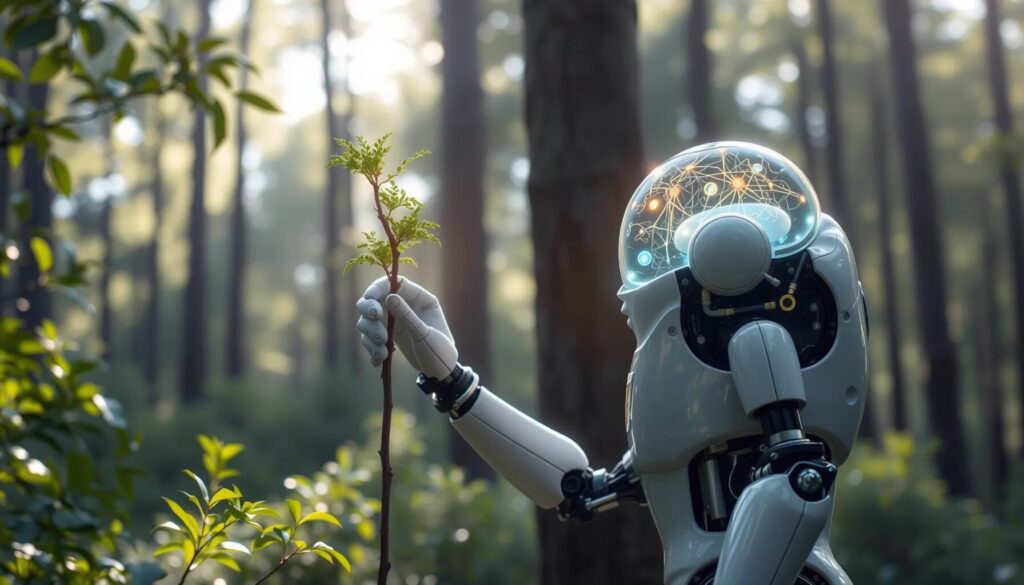

3. Enhancing Urban Mobility with Robotics and AI

a. Autonomous Transportation

One of the most visible applications of robotics and AI in smart cities is in the realm of autonomous transportation. Self-driving cars, buses, and trucks are already being tested in urban environments, with the promise of reducing congestion, improving safety, and making transportation more efficient.

For instance, in some cities, autonomous buses are already operating on a small scale, providing a more flexible and on-demand alternative to traditional public transportation systems. These buses can adjust their routes based on real-time demand, reducing wait times for passengers and improving traffic flow.

Additionally, robotic delivery systems are transforming the way goods are transported within cities. Drones and autonomous delivery vehicles are being used to deliver packages quickly and efficiently, bypassing traditional traffic congestion and reducing delivery times. This can result in a more convenient and cost-effective system for residents and businesses alike.

Case Study:
In Dubai, autonomous vehicles are being tested to transport passengers across short distances, and the city is also working on an integrated robotic taxi service that can connect with smart transportation networks. These innovations aim to make the city’s public transportation system more efficient and eco-friendly.

b. Mobility as a Service (MaaS)

Mobility as a Service (MaaS) is an emerging concept that integrates various forms of transportation—such as buses, taxis, bikes, and car-sharing—into a single, unified platform powered by AI. This allows city residents to plan, book, and pay for trips seamlessly through a mobile app, without the need for individual transportation modes or services.

AI-driven platforms can predict transportation demand, suggest the most efficient routes, and even ensure the availability of vehicles when needed. This seamless integration helps to reduce traffic congestion, lower pollution, and offer residents more flexible transportation options.


4. The Challenges and Ethical Considerations of Implementing Smart Cities

a. Privacy and Data Security

As smart cities rely heavily on data collection, AI, and robotics, concerns about privacy and data security are paramount. The vast amount of personal and behavioral data generated by connected devices, surveillance systems, and autonomous vehicles can be vulnerable to breaches or misuse.

To address these concerns, robust cybersecurity measures must be in place, and there needs to be clear legislation on data ownership and usage. Residents must feel confident that their personal data will be protected and used responsibly.

b. Job Displacement and Economic Impact

While automation and robotics bring many benefits, there is a concern about the potential for job displacement. As AI and robots take on roles traditionally performed by humans—such as in transportation, manufacturing, and customer service—there will be a need for reskilling programs and policies to support workers in transitioning to new roles.

Governments and businesses will need to balance technological advancement with economic stability, ensuring that the benefits of automation are widely distributed across society.


5. The Future of Smart Cities: A Vision for 2050 and Beyond

As we look toward the future, smart cities are expected to become even more interconnected, autonomous, and sustainable. Robotics and AI will continue to play a central role in shaping the cities of tomorrow, with innovations in urban farming, green energy, public safety, and transportation.

By 2050, it is possible that most major cities will have fully autonomous transportation networks, highly energy-efficient buildings, and robotic systems integrated into every aspect of urban life. These cities will be optimized for sustainability, efficiency, and the well-being of their residents, with technology providing real-time solutions to complex challenges.


Conclusion

The integration of robotics and AI into urban environments is no longer a distant dream but a rapidly unfolding reality. As cities evolve into smarter, greener, and more efficient hubs, these technologies promise to create a world where urban living is more convenient, sustainable, and enjoyable. However, achieving this vision will require careful planning, collaboration, and a focus on ethical considerations to ensure that the benefits of smart cities are shared by all.

In the coming decades, the fusion of robotics, AI, and green technology will not only reshape our cities but also redefine how we live, work, and interact with the urban environment. The future of cities is undoubtedly bright, and technology will be the key to unlocking this potential.
Tags: FuturesGreenSmart Cities
ShareTweetShare

Related Posts

Robotics and Societal Change: Smart Cities and Digitalized Living
Futures

Robotics and Societal Change: Smart Cities and Digitalized Living

December 1, 2025
The Widespread Application of Robotics: Potential Impact on Traditional Jobs
Futures

The Widespread Application of Robotics: Potential Impact on Traditional Jobs

November 30, 2025
Smart Homes and Life Assistants: The Future of Everyday Living
Futures

Smart Homes and Life Assistants: The Future of Everyday Living

November 29, 2025
The Expanding Role of Robots in the Service Industry: From Customer Service to Personalized Healthcare
Futures

The Expanding Role of Robots in the Service Industry: From Customer Service to Personalized Healthcare

November 28, 2025
Fully Automated Production and Services: The Future of Industry and Innovation
Futures

Fully Automated Production and Services: The Future of Industry and Innovation

November 27, 2025
The Future of Robots: From Tools to Understanding, Learning, and Responding to Human Society
Futures

The Future of Robots: From Tools to Understanding, Learning, and Responding to Human Society

November 26, 2025
Leave Comment
  • Trending
  • Comments
  • Latest
The Revolutionary Impact of Robotics on Disaster Rescue and Environmental Protection

The Revolutionary Impact of Robotics on Disaster Rescue and Environmental Protection

October 20, 2025
Defining the Relationship Between Humans and Robots

Defining the Relationship Between Humans and Robots

October 20, 2025
Biomimetics: A Multidisciplinary Approach to the Future of Robotics and Innovation

Biomimetics: A Multidisciplinary Approach to the Future of Robotics and Innovation

October 20, 2025
How Robots Understand, Respond to, and Simulate Human Emotions to Enhance Interaction Experience

How Robots Understand, Respond to, and Simulate Human Emotions to Enhance Interaction Experience

October 20, 2025
The Integration of Artificial Intelligence and Human-Computer Interaction

The Integration of Artificial Intelligence and Human-Computer Interaction

Researching How Machines Can Recognize and Understand Human Emotions to Improve the Naturalness of Human-Computer Interaction

Researching How Machines Can Recognize and Understand Human Emotions to Improve the Naturalness of Human-Computer Interaction

AI Can Recognize User Emotions Through Facial Expressions, Voice Tones, and Other Signals and Respond Accordingly

AI Can Recognize User Emotions Through Facial Expressions, Voice Tones, and Other Signals and Respond Accordingly

Voice Assistant Research Drives Breakthroughs in Speech Recognition and Natural Language Understanding

Voice Assistant Research Drives Breakthroughs in Speech Recognition and Natural Language Understanding

Robotics and Societal Change: Smart Cities and Digitalized Living

Robotics and Societal Change: Smart Cities and Digitalized Living

December 1, 2025
How to Improve Robot Flexibility While Ensuring Strength and Durability: A Major Technological Challenge

How to Improve Robot Flexibility While Ensuring Strength and Durability: A Major Technological Challenge

December 1, 2025
The Application of Robotics and Automated Logistics Systems in Supply Chain Management

The Application of Robotics and Automated Logistics Systems in Supply Chain Management

December 1, 2025
Edge Computing: A Key Technology for Real-Time Computer Vision Applications

Edge Computing: A Key Technology for Real-Time Computer Vision Applications

December 1, 2025
AnthroboticsLab

Through expert commentary and deep dives into industry trends and ethical considerations, we bridge the gap between academic research and real-world application, fostering a deeper understanding of our technological future.

© 2025 anthroboticslab.com. contacts:[email protected]

No Result
View All Result
  • Home
  • Research
  • Technology
  • Industry
  • Insights
  • Futures

© 2025 anthroboticslab.com. contacts:[email protected]

Welcome Back!

Login to your account below

Forgotten Password?

Retrieve your password

Please enter your username or email address to reset your password.

Log In