


AnthroboticsLab
  • Home
  • Research
    Soft Robotics: Advancements in Bio-Inspired Flexible Systems

    Soft Robotics: Advancements in Bio-Inspired Flexible Systems

    Autonomous Robots and Reinforcement Learning: Paving the Way for Intelligent Machines

    Autonomous Robots and Reinforcement Learning: Paving the Way for Intelligent Machines

    Designing Adaptive User Interfaces: Enhancing Human-Computer Interaction through Dynamic Interfaces

    Designing Adaptive User Interfaces: Enhancing Human-Computer Interaction through Dynamic Interfaces

    Human-Machine Interaction in Augmented Reality and Virtual Reality: A Comprehensive Exploration

    Human-Machine Interaction in Augmented Reality and Virtual Reality: A Comprehensive Exploration

    Affective Computing and Human-Machine Emotional Interaction: The Future of Emotional AI

    Affective Computing and Human-Machine Emotional Interaction: The Future of Emotional AI

    Researching How Machines Can Understand, Recognize, and Respond to Human Emotions

    Researching How Machines Can Understand, Recognize, and Respond to Human Emotions

  • Technology
    Edge Computing: A Key Technology for Real-Time Computer Vision Applications

    Edge Computing: A Key Technology for Real-Time Computer Vision Applications

    Image Fusion in Computer Vision: Enhancing Scene Understanding Through Multi-Sensor Integration

    Image Fusion in Computer Vision: Enhancing Scene Understanding Through Multi-Sensor Integration

    Sensor Fusion Technology: Achieving High-Precision Environmental Perception in Modern Robotics

    Sensor Fusion Technology: Achieving High-Precision Environmental Perception in Modern Robotics

    3D Vision Reconstruction and Depth Estimation: Foundations, Techniques, and Applications

    3D Vision Reconstruction and Depth Estimation: Foundations, Techniques, and Applications

    Computer Vision: The Foundation of Robotic Perception and Its Broad Applications in Autonomous Driving, Industrial Automation, and Medical Surgery

    Computer Vision: The Foundation of Robotic Perception and Its Broad Applications in Autonomous Driving, Industrial Automation, and Medical Surgery

    Ensuring Robots Do Not Harm Humans While Performing Tasks

    Ensuring Robots Do Not Harm Humans While Performing Tasks

  • Industry
    The Application of Robotics and Automated Logistics Systems in Supply Chain Management

    The Application of Robotics and Automated Logistics Systems in Supply Chain Management

    Collaborative Robots and Human Workers: Enhancing Productivity and Ensuring Worker Safety

    Collaborative Robots and Human Workers: Enhancing Productivity and Ensuring Worker Safety

    Modern Production Lines: Emphasizing Flexibility and Customization

    Modern Production Lines: Emphasizing Flexibility and Customization

    The Expanding Role of Robots in Manufacturing: Advancements, Applications, and Future Prospects

    The Expanding Role of Robots in Manufacturing: Advancements, Applications, and Future Prospects

    Industry 4.0: Revolutionizing Manufacturing with IoT, AI, Robotics, and Big Data

    Industry 4.0: Revolutionizing Manufacturing with IoT, AI, Robotics, and Big Data

    Smart Manufacturing and Industry 4.0: Revolutionizing the Future of Production

    Smart Manufacturing and Industry 4.0: Revolutionizing the Future of Production

  • Insights
    How to Improve Robot Flexibility While Ensuring Strength and Durability: A Major Technological Challenge

    How to Improve Robot Flexibility While Ensuring Strength and Durability: A Major Technological Challenge

    Expert Interview: The Future of Biomimicry in Technology and Innovation

    Expert Interview: The Future of Biomimicry in Technology and Innovation

    Biomimetic Robots: Drawing Inspiration from Nature to Simulate the Behavior and Structure of Plants and Animals

    Biomimetic Robots: Drawing Inspiration from Nature to Simulate the Behavior and Structure of Plants and Animals

    Recent Advances in Flexible Materials and Bionic Muscle Actuation Technologies

    Recent Advances in Flexible Materials and Bionic Muscle Actuation Technologies

    Integrating Artificial Intelligence and Biomimetics: How Bionic Robots in Healthcare Can Provide Personalized Treatment Plans

    Integrating Artificial Intelligence and Biomimetics: How Bionic Robots in Healthcare Can Provide Personalized Treatment Plans

    The Great Potential of Bionic Robots in Neurorehabilitation

    The Great Potential of Bionic Robots in Neurorehabilitation

  • Futures
    Robotics and Societal Change: Smart Cities and Digitalized Living

    Robotics and Societal Change: Smart Cities and Digitalized Living

    The Widespread Application of Robotics: Potential Impact on Traditional Jobs

    The Widespread Application of Robotics: Potential Impact on Traditional Jobs

    Smart Homes and Life Assistants: The Future of Everyday Living

    Smart Homes and Life Assistants: The Future of Everyday Living

    The Expanding Role of Robots in the Service Industry: From Customer Service to Personalized Healthcare

    The Expanding Role of Robots in the Service Industry: From Customer Service to Personalized Healthcare

    Fully Automated Production and Services: The Future of Industry and Innovation

    Fully Automated Production and Services: The Future of Industry and Innovation

    The Future of Robots: From Tools to Understanding, Learning, and Responding to Human Society

    The Future of Robots: From Tools to Understanding, Learning, and Responding to Human Society

AnthroboticsLab
  • Home
  • Research
    Soft Robotics: Advancements in Bio-Inspired Flexible Systems

    Soft Robotics: Advancements in Bio-Inspired Flexible Systems

    Autonomous Robots and Reinforcement Learning: Paving the Way for Intelligent Machines

    Autonomous Robots and Reinforcement Learning: Paving the Way for Intelligent Machines

    Designing Adaptive User Interfaces: Enhancing Human-Computer Interaction through Dynamic Interfaces

    Designing Adaptive User Interfaces: Enhancing Human-Computer Interaction through Dynamic Interfaces

    Human-Machine Interaction in Augmented Reality and Virtual Reality: A Comprehensive Exploration

    Human-Machine Interaction in Augmented Reality and Virtual Reality: A Comprehensive Exploration

    Affective Computing and Human-Machine Emotional Interaction: The Future of Emotional AI

    Affective Computing and Human-Machine Emotional Interaction: The Future of Emotional AI

    Researching How Machines Can Understand, Recognize, and Respond to Human Emotions

    Researching How Machines Can Understand, Recognize, and Respond to Human Emotions

  • Technology
    Edge Computing: A Key Technology for Real-Time Computer Vision Applications

    Edge Computing: A Key Technology for Real-Time Computer Vision Applications

    Image Fusion in Computer Vision: Enhancing Scene Understanding Through Multi-Sensor Integration

    Image Fusion in Computer Vision: Enhancing Scene Understanding Through Multi-Sensor Integration

    Sensor Fusion Technology: Achieving High-Precision Environmental Perception in Modern Robotics

    Sensor Fusion Technology: Achieving High-Precision Environmental Perception in Modern Robotics

    3D Vision Reconstruction and Depth Estimation: Foundations, Techniques, and Applications

    3D Vision Reconstruction and Depth Estimation: Foundations, Techniques, and Applications

    Computer Vision: The Foundation of Robotic Perception and Its Broad Applications in Autonomous Driving, Industrial Automation, and Medical Surgery

    Computer Vision: The Foundation of Robotic Perception and Its Broad Applications in Autonomous Driving, Industrial Automation, and Medical Surgery

    Ensuring Robots Do Not Harm Humans While Performing Tasks

    Ensuring Robots Do Not Harm Humans While Performing Tasks

  • Industry
    The Application of Robotics and Automated Logistics Systems in Supply Chain Management

    The Application of Robotics and Automated Logistics Systems in Supply Chain Management

    Collaborative Robots and Human Workers: Enhancing Productivity and Ensuring Worker Safety

    Collaborative Robots and Human Workers: Enhancing Productivity and Ensuring Worker Safety

    Modern Production Lines: Emphasizing Flexibility and Customization

    Modern Production Lines: Emphasizing Flexibility and Customization

    The Expanding Role of Robots in Manufacturing: Advancements, Applications, and Future Prospects

    The Expanding Role of Robots in Manufacturing: Advancements, Applications, and Future Prospects

    Industry 4.0: Revolutionizing Manufacturing with IoT, AI, Robotics, and Big Data

    Industry 4.0: Revolutionizing Manufacturing with IoT, AI, Robotics, and Big Data

    Smart Manufacturing and Industry 4.0: Revolutionizing the Future of Production

    Smart Manufacturing and Industry 4.0: Revolutionizing the Future of Production

  • Insights
    How to Improve Robot Flexibility While Ensuring Strength and Durability: A Major Technological Challenge

    How to Improve Robot Flexibility While Ensuring Strength and Durability: A Major Technological Challenge

    Expert Interview: The Future of Biomimicry in Technology and Innovation

    Expert Interview: The Future of Biomimicry in Technology and Innovation

    Biomimetic Robots: Drawing Inspiration from Nature to Simulate the Behavior and Structure of Plants and Animals

    Biomimetic Robots: Drawing Inspiration from Nature to Simulate the Behavior and Structure of Plants and Animals

    Recent Advances in Flexible Materials and Bionic Muscle Actuation Technologies

    Recent Advances in Flexible Materials and Bionic Muscle Actuation Technologies

    Integrating Artificial Intelligence and Biomimetics: How Bionic Robots in Healthcare Can Provide Personalized Treatment Plans

    Integrating Artificial Intelligence and Biomimetics: How Bionic Robots in Healthcare Can Provide Personalized Treatment Plans

    The Great Potential of Bionic Robots in Neurorehabilitation

    The Great Potential of Bionic Robots in Neurorehabilitation

  • Futures
    Robotics and Societal Change: Smart Cities and Digitalized Living

    Robotics and Societal Change: Smart Cities and Digitalized Living

    The Widespread Application of Robotics: Potential Impact on Traditional Jobs

    The Widespread Application of Robotics: Potential Impact on Traditional Jobs

    Smart Homes and Life Assistants: The Future of Everyday Living

    Smart Homes and Life Assistants: The Future of Everyday Living

    The Expanding Role of Robots in the Service Industry: From Customer Service to Personalized Healthcare

    The Expanding Role of Robots in the Service Industry: From Customer Service to Personalized Healthcare

    Fully Automated Production and Services: The Future of Industry and Innovation

    Fully Automated Production and Services: The Future of Industry and Innovation

    The Future of Robots: From Tools to Understanding, Learning, and Responding to Human Society

    The Future of Robots: From Tools to Understanding, Learning, and Responding to Human Society

AnthroboticsLab
No Result
View All Result
Home Insights

Biomimetic Robots: Designing and Developing Robots that Imitate Nature’s Creatures

October 15, 2025
in Insights
Biomimetic Robots: Designing and Developing Robots that Imitate Nature’s Creatures

1. Introduction to Biomimetic Robotics

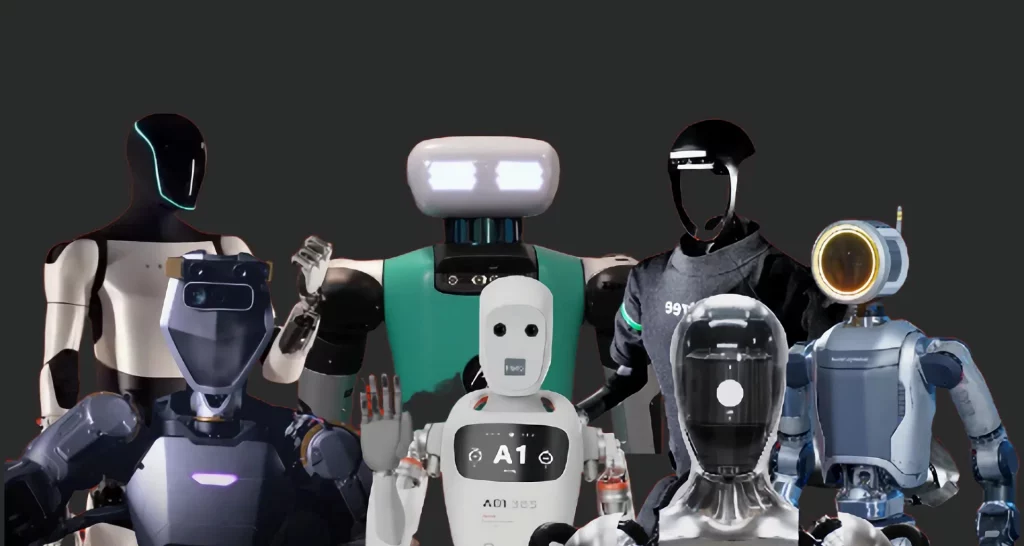
Biomimicry, or the design and development of systems based on the structures, functions, and principles observed in nature, has become a powerful paradigm in engineering. In the context of robotics, biomimetic robots aim to replicate or draw inspiration from the movements, behaviors, and structures of living organisms. These robots exhibit behaviors, such as walking, crawling, swimming, or flying, similar to those of animals and insects. The ultimate goal is to build robots that are efficient, adaptive, and resilient, much like the creatures in the natural world.

One of the key advantages of biomimetic robots lies in their ability to navigate complex, unpredictable environments. By imitating natural organisms, these robots can handle tasks that conventional robots, often limited by rigid forms and mechanisms, cannot perform. For example, soft robots that mimic the malleability and adaptability of biological organisms can access tight spaces and perform delicate tasks.

This field is multifaceted, encompassing a wide range of research from the development of robotic limbs inspired by human anatomy to underwater robots that replicate the swimming mechanisms of fish. The applications of biomimetic robots extend into various domains, including medical surgery, search and rescue, environmental monitoring, and even entertainment.


2. Core Research Areas in Biomimetic Robotics

2.1 Imitating Locomotion: From Animals to Machines

One of the primary focuses of biomimetic robotics is the study of locomotion—the ability to move from one place to another. By mimicking the movement of animals, researchers aim to create robots that can navigate terrain more efficiently and with greater stability than traditional robots.

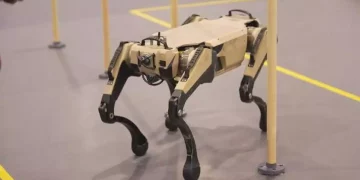
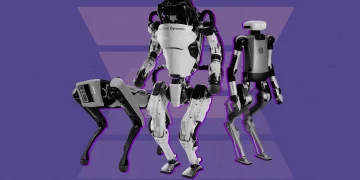
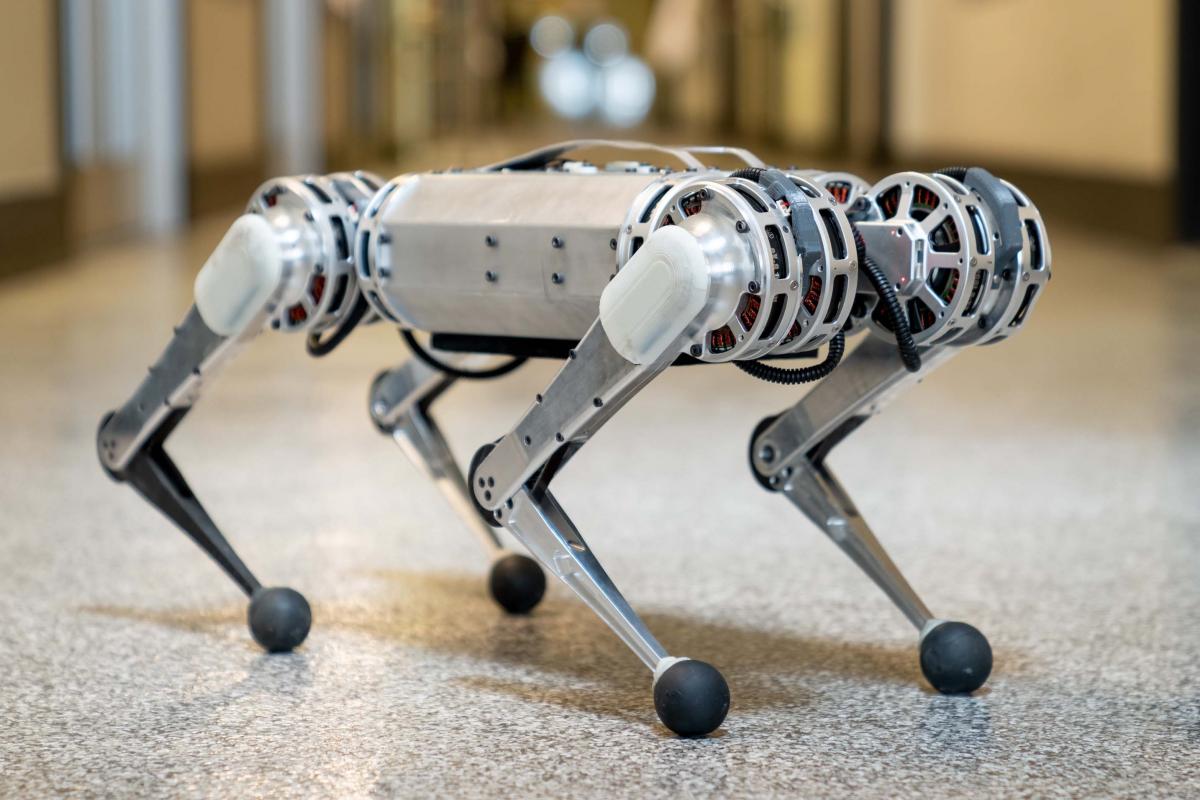
For instance, the Cheetah Robot developed by Boston Dynamics mimics the high-speed running of a cheetah, achieving impressive speeds of up to 28.3 miles per hour. This biomimetic approach allows the robot to achieve agility, speed, and flexibility, enabling it to operate in dynamic environments such as urban landscapes or rough terrains. Similarly, snake-like robots, inspired by the sinuous movement of snakes, are designed to slither through tight spaces, making them ideal for rescue operations in collapsed buildings or areas where other robots cannot fit.

2.2 Soft Robotics: Flexibility and Adaptability

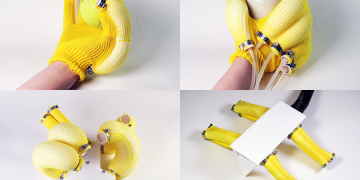
Another crucial area of biomimetic robotics involves the development of soft robots that emulate the flexibility and compliance of biological tissues. Unlike rigid robots, soft robots are made from materials that can deform and adapt to their surroundings, offering a higher degree of interaction with delicate objects or hazardous environments.

For example, the Octopus-Inspired Robot replicates the flexible and adaptable limbs of an octopus, enabling it to manipulate objects, explore underwater environments, or even perform minimally invasive surgeries. The soft nature of the robot’s design allows it to compress, stretch, and twist, offering unprecedented dexterity in tasks that require fine motor skills.

Soft robots also have a profound impact on medical applications, where they can be used in surgery, rehabilitation, or diagnostics. For instance, soft robots modeled after the human tongue or digestive system are capable of moving through small, constrained spaces in the body, providing a safer and less invasive alternative to traditional surgical methods.

2.3 Sensory and Perception Systems: Mimicking Biological Senses

Another research direction focuses on developing robots with sensory systems that mirror the capabilities of living organisms. For example, vision-based robots inspired by the eyes of various animals, such as eagles or mantis shrimps, can detect objects at a greater range and resolution than human eyes. These advanced sensory systems allow biomimetic robots to interact more intelligently with their environment.

In particular, robots that mimic the sensory perception of species like bats or dolphins, which use echolocation to detect objects, are being developed for applications such as autonomous navigation or underwater exploration. These robots can “see” their environment through sound waves, enabling them to operate in environments with low visibility or in areas where traditional vision-based systems might fail.

2.4 Self-Healing Mechanisms

In nature, organisms exhibit the remarkable ability to self-heal after damage, whether it is the regeneration of limbs in certain species or the repair of cellular structures. Self-healing robots aim to replicate this biological phenomenon, ensuring that the robot can recover from damage autonomously, extending its operational lifespan.

Researchers have successfully created soft robots that contain self-healing materials. These robots are resilient and can continue to function even after being punctured or exposed to environmental stressors. For instance, self-healing polymers can restore the structural integrity of the robot’s outer casing, preventing total failure of the system. This feature is particularly useful in environments where repairs are difficult or time-consuming, such as deep-sea exploration or space missions.

3. Applications of Biomimetic Robots

3.1 Medical Applications: Precision and Minimally Invasive Surgery

Biomimetic robots hold significant promise for the medical field, particularly in the realm of minimally invasive surgery and rehabilitation. Soft robots, which are designed to mimic the flexibility of biological tissues, can be used for surgical tasks that require delicate maneuvering inside the human body. These robots can navigate narrow passages, remove tumors, or assist in organ transplants with minimal disruption to surrounding tissues.

For example, robotic arms modeled after the human anatomy allow for precise movements and the ability to hold surgical instruments with high stability. The ability to replicate human-like dexterity and fine motor skills is critical for ensuring patient safety during intricate procedures.

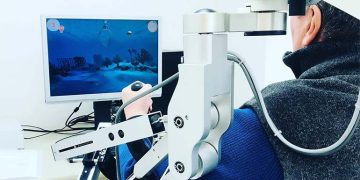
Moreover, robots designed to mimic human limbs are used in rehabilitation to assist patients in regaining mobility and strength. These robots can provide personalized care by adjusting movements based on the patient’s condition, making rehabilitation more effective.

3.2 Search and Rescue Operations: Navigating Complex Environments

In search and rescue missions, biomimetic robots offer distinct advantages over traditional robots. Their ability to navigate challenging environments—such as collapsed buildings, dense forests, or underwater caves—can be greatly enhanced by imitating the movement of animals.

For example, quadruped robots inspired by animals such as dogs or cheetahs can rapidly move over rough terrain, searching for victims trapped in rubble or debris. Snake-like robots can slither into small openings to reach people trapped in confined spaces. By mimicking the behavior and physical structures of animals, these robots can move in ways that would be difficult or impossible for rigid, wheeled robots.

Additionally, some aerial robots, designed to replicate the flight capabilities of birds or insects, are used in search and rescue missions to cover large areas quickly. They can land gently and navigate obstacles in hard-to-reach locations.

3.3 Exploration: Unlocking New Frontiers

Biomimetic robots also have applications in exploration, whether on land, underwater, or in space. In underwater environments, robots inspired by fish or squid can perform tasks such as exploring deep-sea ecosystems, collecting samples, or assisting in underwater construction.

In space exploration, robots that mimic the movement of creatures like caterpillars or spiders could be used to traverse the rocky and unpredictable terrains of planets like Mars or the Moon. The ability of biomimetic robots to adapt to unknown environments and perform a variety of tasks could open up new frontiers in space research and colonization.


4. Challenges in Biomimetic Robotics

Despite the remarkable progress made in the field of biomimetic robotics, several challenges remain.

4.1 Material Limitations

One of the most significant challenges is finding suitable materials that can mimic the flexibility, durability, and resilience of biological systems. While soft robots have demonstrated promise in terms of movement, creating materials that can self-heal or withstand extreme conditions, such as deep-sea pressures or high temperatures, remains a major hurdle.

4.2 Energy Efficiency and Power Sources

Biomimetic robots often require more energy to operate than traditional rigid robots, particularly when they rely on complex movements and soft materials. Developing efficient power sources that can sustain long-duration missions, especially in remote environments like space or deep sea, is critical.

4.3 Autonomy and Control

Biomimetic robots often have to interact with dynamic environments that change unpredictably. Achieving a high degree of autonomy—enabling robots to adapt to unforeseen circumstances without human intervention—remains a significant challenge. Furthermore, fine-tuning the control systems to mimic biological behaviors with high precision is a key research direction.


5. Future Directions

As biomimetic robotics advances, we can expect to see the development of even more sophisticated systems capable of tackling complex real-world tasks. Future biomimetic robots could include:

  • Self-repairing robots that can heal themselves in extreme environments.
  • Collaborative robots that work alongside humans in workplaces or healthcare settings.
  • Highly autonomous robots that can navigate and perform tasks without human input, such as in disaster zones or remote exploration missions.

The future of biomimetic robots holds enormous potential, from improving human life to enabling breakthroughs in scientific discovery. Through continued research and development, biomimetic robots will increasingly mirror the abilities and qualities of nature’s most efficient and adaptive organisms.


6. Conclusion

Biomimetic robots represent the intersection of nature and technology, offering exciting possibilities for a wide range of industries. By studying and imitating the forms, behaviors, and processes found in nature, engineers and scientists can create machines that are not only innovative but also highly efficient and adaptive. Despite the challenges that remain, the future of biomimetic robotics is bright, and its potential to solve real-world problems is virtually limitless.
Tags: Biomimetic RobotsInsightsNature-inspired robotics
ShareTweetShare

Related Posts

How to Improve Robot Flexibility While Ensuring Strength and Durability: A Major Technological Challenge
Insights

How to Improve Robot Flexibility While Ensuring Strength and Durability: A Major Technological Challenge

December 1, 2025
Expert Interview: The Future of Biomimicry in Technology and Innovation
Insights

Expert Interview: The Future of Biomimicry in Technology and Innovation

November 30, 2025
Biomimetic Robots: Drawing Inspiration from Nature to Simulate the Behavior and Structure of Plants and Animals
Insights

Biomimetic Robots: Drawing Inspiration from Nature to Simulate the Behavior and Structure of Plants and Animals

November 29, 2025
Recent Advances in Flexible Materials and Bionic Muscle Actuation Technologies
Insights

Recent Advances in Flexible Materials and Bionic Muscle Actuation Technologies

November 28, 2025
Integrating Artificial Intelligence and Biomimetics: How Bionic Robots in Healthcare Can Provide Personalized Treatment Plans
Insights

Integrating Artificial Intelligence and Biomimetics: How Bionic Robots in Healthcare Can Provide Personalized Treatment Plans

November 27, 2025
The Great Potential of Bionic Robots in Neurorehabilitation
Insights

The Great Potential of Bionic Robots in Neurorehabilitation

November 26, 2025
Leave Comment
  • Trending
  • Comments
  • Latest
The Revolutionary Impact of Robotics on Disaster Rescue and Environmental Protection

The Revolutionary Impact of Robotics on Disaster Rescue and Environmental Protection

October 20, 2025
Defining the Relationship Between Humans and Robots

Defining the Relationship Between Humans and Robots

October 20, 2025
Biomimetics: A Multidisciplinary Approach to the Future of Robotics and Innovation

Biomimetics: A Multidisciplinary Approach to the Future of Robotics and Innovation

October 20, 2025
How Robots Understand, Respond to, and Simulate Human Emotions to Enhance Interaction Experience

How Robots Understand, Respond to, and Simulate Human Emotions to Enhance Interaction Experience

October 20, 2025
The Integration of Artificial Intelligence and Human-Computer Interaction

The Integration of Artificial Intelligence and Human-Computer Interaction

Researching How Machines Can Recognize and Understand Human Emotions to Improve the Naturalness of Human-Computer Interaction

Researching How Machines Can Recognize and Understand Human Emotions to Improve the Naturalness of Human-Computer Interaction

AI Can Recognize User Emotions Through Facial Expressions, Voice Tones, and Other Signals and Respond Accordingly

AI Can Recognize User Emotions Through Facial Expressions, Voice Tones, and Other Signals and Respond Accordingly

Voice Assistant Research Drives Breakthroughs in Speech Recognition and Natural Language Understanding

Voice Assistant Research Drives Breakthroughs in Speech Recognition and Natural Language Understanding

Robotics and Societal Change: Smart Cities and Digitalized Living

Robotics and Societal Change: Smart Cities and Digitalized Living

December 1, 2025
How to Improve Robot Flexibility While Ensuring Strength and Durability: A Major Technological Challenge

How to Improve Robot Flexibility While Ensuring Strength and Durability: A Major Technological Challenge

December 1, 2025
The Application of Robotics and Automated Logistics Systems in Supply Chain Management

The Application of Robotics and Automated Logistics Systems in Supply Chain Management

December 1, 2025
Edge Computing: A Key Technology for Real-Time Computer Vision Applications

Edge Computing: A Key Technology for Real-Time Computer Vision Applications

December 1, 2025
AnthroboticsLab

Through expert commentary and deep dives into industry trends and ethical considerations, we bridge the gap between academic research and real-world application, fostering a deeper understanding of our technological future.

© 2025 anthroboticslab.com. contacts:[email protected]

No Result
View All Result
  • Home
  • Research
  • Technology
  • Industry
  • Insights
  • Futures

© 2025 anthroboticslab.com. contacts:[email protected]

Welcome Back!

Login to your account below

Forgotten Password?

Retrieve your password

Please enter your username or email address to reset your password.

Log In