

AnthroboticsLab
  • Home
  • Research
    Soft Robotics: Advancements in Bio-Inspired Flexible Systems

    Soft Robotics: Advancements in Bio-Inspired Flexible Systems

    Autonomous Robots and Reinforcement Learning: Paving the Way for Intelligent Machines

    Autonomous Robots and Reinforcement Learning: Paving the Way for Intelligent Machines

    Designing Adaptive User Interfaces: Enhancing Human-Computer Interaction through Dynamic Interfaces

    Designing Adaptive User Interfaces: Enhancing Human-Computer Interaction through Dynamic Interfaces

    Human-Machine Interaction in Augmented Reality and Virtual Reality: A Comprehensive Exploration

    Human-Machine Interaction in Augmented Reality and Virtual Reality: A Comprehensive Exploration

    Affective Computing and Human-Machine Emotional Interaction: The Future of Emotional AI

    Affective Computing and Human-Machine Emotional Interaction: The Future of Emotional AI

    Researching How Machines Can Understand, Recognize, and Respond to Human Emotions

    Researching How Machines Can Understand, Recognize, and Respond to Human Emotions

  • Technology
    Edge Computing: A Key Technology for Real-Time Computer Vision Applications

    Edge Computing: A Key Technology for Real-Time Computer Vision Applications

    Image Fusion in Computer Vision: Enhancing Scene Understanding Through Multi-Sensor Integration

    Image Fusion in Computer Vision: Enhancing Scene Understanding Through Multi-Sensor Integration

    Sensor Fusion Technology: Achieving High-Precision Environmental Perception in Modern Robotics

    Sensor Fusion Technology: Achieving High-Precision Environmental Perception in Modern Robotics

    3D Vision Reconstruction and Depth Estimation: Foundations, Techniques, and Applications

    3D Vision Reconstruction and Depth Estimation: Foundations, Techniques, and Applications

    Computer Vision: The Foundation of Robotic Perception and Its Broad Applications in Autonomous Driving, Industrial Automation, and Medical Surgery

    Computer Vision: The Foundation of Robotic Perception and Its Broad Applications in Autonomous Driving, Industrial Automation, and Medical Surgery

    Ensuring Robots Do Not Harm Humans While Performing Tasks

    Ensuring Robots Do Not Harm Humans While Performing Tasks

  • Industry
    The Application of Robotics and Automated Logistics Systems in Supply Chain Management

    The Application of Robotics and Automated Logistics Systems in Supply Chain Management

    Collaborative Robots and Human Workers: Enhancing Productivity and Ensuring Worker Safety

    Collaborative Robots and Human Workers: Enhancing Productivity and Ensuring Worker Safety

    Modern Production Lines: Emphasizing Flexibility and Customization

    Modern Production Lines: Emphasizing Flexibility and Customization

    The Expanding Role of Robots in Manufacturing: Advancements, Applications, and Future Prospects

    The Expanding Role of Robots in Manufacturing: Advancements, Applications, and Future Prospects

    Industry 4.0: Revolutionizing Manufacturing with IoT, AI, Robotics, and Big Data

    Industry 4.0: Revolutionizing Manufacturing with IoT, AI, Robotics, and Big Data

    Smart Manufacturing and Industry 4.0: Revolutionizing the Future of Production

    Smart Manufacturing and Industry 4.0: Revolutionizing the Future of Production

  • Insights
    How to Improve Robot Flexibility While Ensuring Strength and Durability: A Major Technological Challenge

    How to Improve Robot Flexibility While Ensuring Strength and Durability: A Major Technological Challenge

    Expert Interview: The Future of Biomimicry in Technology and Innovation

    Expert Interview: The Future of Biomimicry in Technology and Innovation

    Biomimetic Robots: Drawing Inspiration from Nature to Simulate the Behavior and Structure of Plants and Animals

    Biomimetic Robots: Drawing Inspiration from Nature to Simulate the Behavior and Structure of Plants and Animals

    Recent Advances in Flexible Materials and Bionic Muscle Actuation Technologies

    Recent Advances in Flexible Materials and Bionic Muscle Actuation Technologies

    Integrating Artificial Intelligence and Biomimetics: How Bionic Robots in Healthcare Can Provide Personalized Treatment Plans

    Integrating Artificial Intelligence and Biomimetics: How Bionic Robots in Healthcare Can Provide Personalized Treatment Plans

    The Great Potential of Bionic Robots in Neurorehabilitation

    The Great Potential of Bionic Robots in Neurorehabilitation

  • Futures
    Robotics and Societal Change: Smart Cities and Digitalized Living

    Robotics and Societal Change: Smart Cities and Digitalized Living

    The Widespread Application of Robotics: Potential Impact on Traditional Jobs

    The Widespread Application of Robotics: Potential Impact on Traditional Jobs

    Smart Homes and Life Assistants: The Future of Everyday Living

    Smart Homes and Life Assistants: The Future of Everyday Living

    The Expanding Role of Robots in the Service Industry: From Customer Service to Personalized Healthcare

    The Expanding Role of Robots in the Service Industry: From Customer Service to Personalized Healthcare

    Fully Automated Production and Services: The Future of Industry and Innovation

    Fully Automated Production and Services: The Future of Industry and Innovation

    The Future of Robots: From Tools to Understanding, Learning, and Responding to Human Society

    The Future of Robots: From Tools to Understanding, Learning, and Responding to Human Society

AnthroboticsLab
  • Home
  • Research
    Soft Robotics: Advancements in Bio-Inspired Flexible Systems

    Soft Robotics: Advancements in Bio-Inspired Flexible Systems

    Autonomous Robots and Reinforcement Learning: Paving the Way for Intelligent Machines

    Autonomous Robots and Reinforcement Learning: Paving the Way for Intelligent Machines

    Designing Adaptive User Interfaces: Enhancing Human-Computer Interaction through Dynamic Interfaces

    Designing Adaptive User Interfaces: Enhancing Human-Computer Interaction through Dynamic Interfaces

    Human-Machine Interaction in Augmented Reality and Virtual Reality: A Comprehensive Exploration

    Human-Machine Interaction in Augmented Reality and Virtual Reality: A Comprehensive Exploration

    Affective Computing and Human-Machine Emotional Interaction: The Future of Emotional AI

    Affective Computing and Human-Machine Emotional Interaction: The Future of Emotional AI

    Researching How Machines Can Understand, Recognize, and Respond to Human Emotions

    Researching How Machines Can Understand, Recognize, and Respond to Human Emotions

  • Technology
    Edge Computing: A Key Technology for Real-Time Computer Vision Applications

    Edge Computing: A Key Technology for Real-Time Computer Vision Applications

    Image Fusion in Computer Vision: Enhancing Scene Understanding Through Multi-Sensor Integration

    Image Fusion in Computer Vision: Enhancing Scene Understanding Through Multi-Sensor Integration

    Sensor Fusion Technology: Achieving High-Precision Environmental Perception in Modern Robotics

    Sensor Fusion Technology: Achieving High-Precision Environmental Perception in Modern Robotics

    3D Vision Reconstruction and Depth Estimation: Foundations, Techniques, and Applications

    3D Vision Reconstruction and Depth Estimation: Foundations, Techniques, and Applications

    Computer Vision: The Foundation of Robotic Perception and Its Broad Applications in Autonomous Driving, Industrial Automation, and Medical Surgery

    Computer Vision: The Foundation of Robotic Perception and Its Broad Applications in Autonomous Driving, Industrial Automation, and Medical Surgery

    Ensuring Robots Do Not Harm Humans While Performing Tasks

    Ensuring Robots Do Not Harm Humans While Performing Tasks

  • Industry
    The Application of Robotics and Automated Logistics Systems in Supply Chain Management

    The Application of Robotics and Automated Logistics Systems in Supply Chain Management

    Collaborative Robots and Human Workers: Enhancing Productivity and Ensuring Worker Safety

    Collaborative Robots and Human Workers: Enhancing Productivity and Ensuring Worker Safety

    Modern Production Lines: Emphasizing Flexibility and Customization

    Modern Production Lines: Emphasizing Flexibility and Customization

    The Expanding Role of Robots in Manufacturing: Advancements, Applications, and Future Prospects

    The Expanding Role of Robots in Manufacturing: Advancements, Applications, and Future Prospects

    Industry 4.0: Revolutionizing Manufacturing with IoT, AI, Robotics, and Big Data

    Industry 4.0: Revolutionizing Manufacturing with IoT, AI, Robotics, and Big Data

    Smart Manufacturing and Industry 4.0: Revolutionizing the Future of Production

    Smart Manufacturing and Industry 4.0: Revolutionizing the Future of Production

  • Insights
    How to Improve Robot Flexibility While Ensuring Strength and Durability: A Major Technological Challenge

    How to Improve Robot Flexibility While Ensuring Strength and Durability: A Major Technological Challenge

    Expert Interview: The Future of Biomimicry in Technology and Innovation

    Expert Interview: The Future of Biomimicry in Technology and Innovation

    Biomimetic Robots: Drawing Inspiration from Nature to Simulate the Behavior and Structure of Plants and Animals

    Biomimetic Robots: Drawing Inspiration from Nature to Simulate the Behavior and Structure of Plants and Animals

    Recent Advances in Flexible Materials and Bionic Muscle Actuation Technologies

    Recent Advances in Flexible Materials and Bionic Muscle Actuation Technologies

    Integrating Artificial Intelligence and Biomimetics: How Bionic Robots in Healthcare Can Provide Personalized Treatment Plans

    Integrating Artificial Intelligence and Biomimetics: How Bionic Robots in Healthcare Can Provide Personalized Treatment Plans

    The Great Potential of Bionic Robots in Neurorehabilitation

    The Great Potential of Bionic Robots in Neurorehabilitation

  • Futures
    Robotics and Societal Change: Smart Cities and Digitalized Living

    Robotics and Societal Change: Smart Cities and Digitalized Living

    The Widespread Application of Robotics: Potential Impact on Traditional Jobs

    The Widespread Application of Robotics: Potential Impact on Traditional Jobs

    Smart Homes and Life Assistants: The Future of Everyday Living

    Smart Homes and Life Assistants: The Future of Everyday Living

    The Expanding Role of Robots in the Service Industry: From Customer Service to Personalized Healthcare

    The Expanding Role of Robots in the Service Industry: From Customer Service to Personalized Healthcare

    Fully Automated Production and Services: The Future of Industry and Innovation

    Fully Automated Production and Services: The Future of Industry and Innovation

    The Future of Robots: From Tools to Understanding, Learning, and Responding to Human Society

    The Future of Robots: From Tools to Understanding, Learning, and Responding to Human Society

AnthroboticsLab
No Result
View All Result
Home Insights

Microrobotic Biomimetic Systems for Targeted Drug Delivery and In-Vivo Diagnostics

October 15, 2025
in Insights
Microrobotic Biomimetic Systems for Targeted Drug Delivery and In-Vivo Diagnostics

1. Introduction

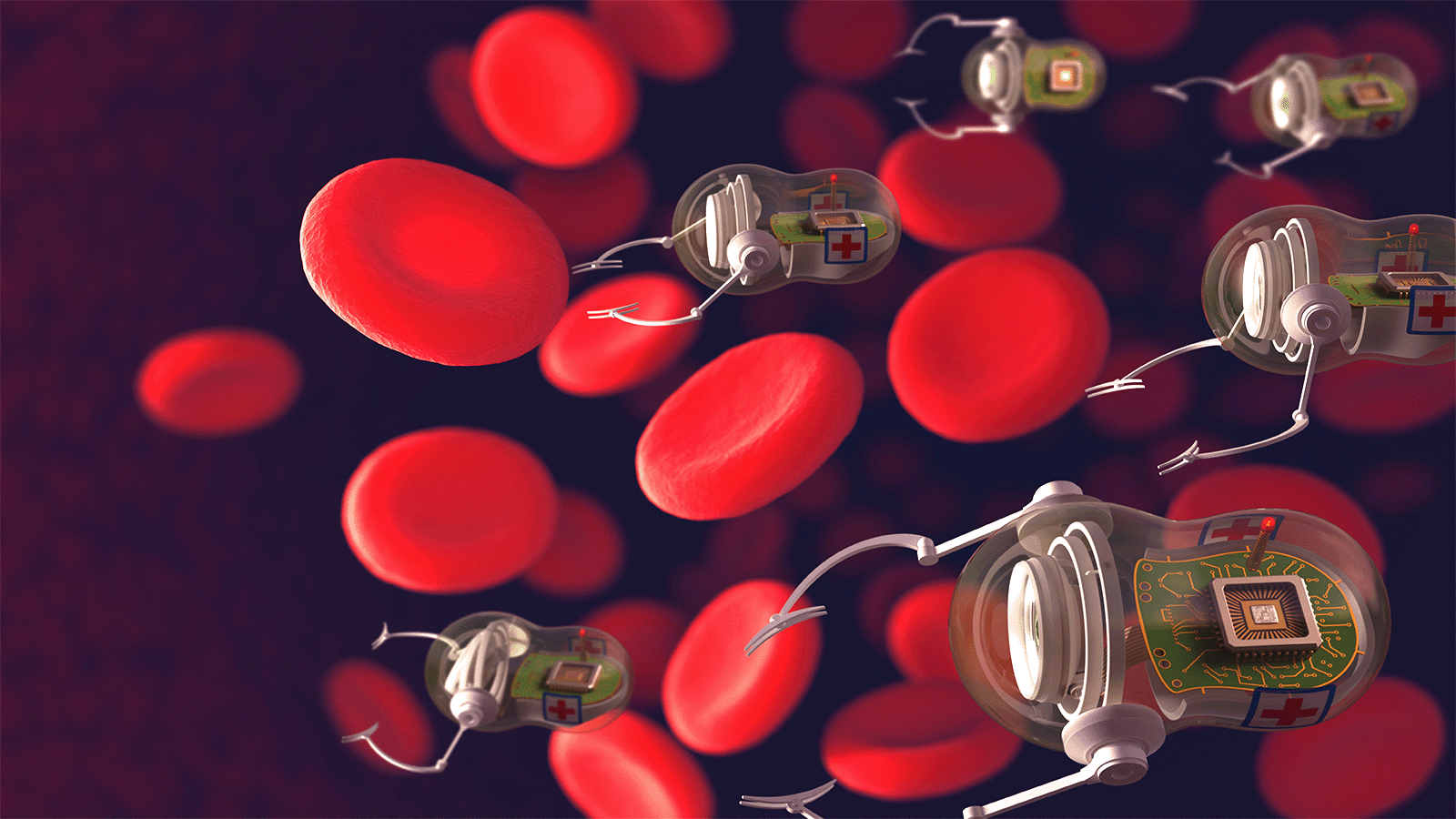
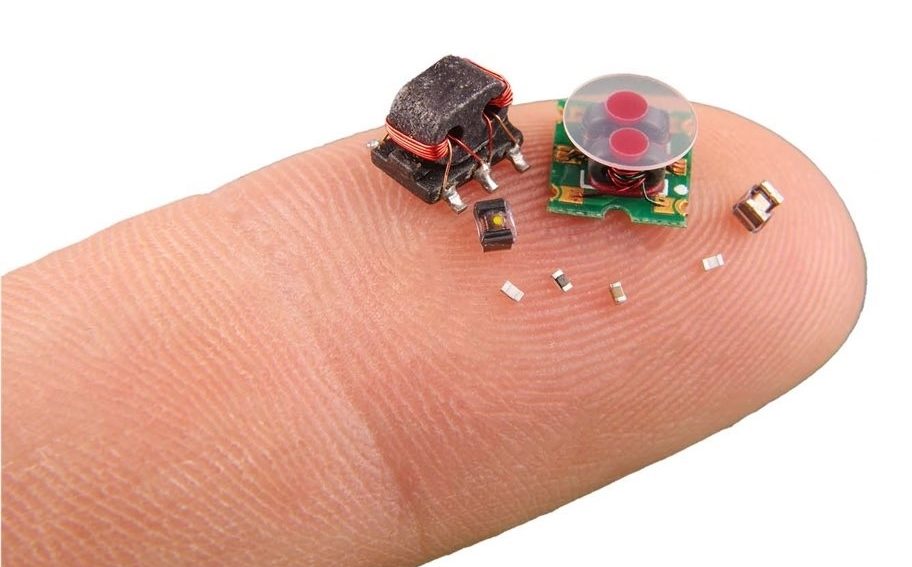
The continuous progress in robotics, nanotechnology, and biomimetics has led to the creation of microrobots that are able to mimic the movements and functions of living organisms. These robots are small enough to navigate through the human body, offering unprecedented potential in the fields of drug delivery, disease diagnostics, and surgical procedures.

In particular, biomimetic microrobots—those inspired by natural systems—offer unique advantages. For instance, robots inspired by bacteria, ciliary motion, or even insects are capable of navigating through blood vessels, detecting disease markers, and delivering therapeutic agents directly to affected areas, minimizing side effects. This article examines the emerging roles of these robots in personalized medicine, discussing their applications, challenges, and the future of their integration into mainstream healthcare practices.


2. Biomimetic Design: Inspiration from Nature

2.1 The Power of Mimicking Nature

Biomimicry, or the design of systems based on natural organisms, has revolutionized robotics, particularly in the context of microrobots. In nature, certain organisms exhibit extraordinary capabilities that are challenging to replicate in machines. For example, bacteria and sperm cells can move autonomously through fluids, ciliary motion allows for precise movement across surfaces, and fish demonstrate efficient propulsion through water. These natural movements inspire roboticists to create highly efficient, autonomous systems that can perform complex tasks inside the human body.

Through biomimetic designs, microrobots can mimic the natural locomotion of organisms such as bacteria, jellyfish, or worms. These micro-robots utilize these mechanisms to move through blood vessels or tissues, facilitating targeted drug delivery or performing precise diagnostic procedures.

2.2 Technological Foundations

The ability of microrobots to perform delicate tasks, such as drug delivery or diagnostics, relies on advances in micro-electromechanical systems (MEMS), nanotechnology, and artificial intelligence (AI). MEMS technology enables the creation of small, precise robots capable of performing a variety of tasks with extreme precision. Additionally, AI algorithms are often employed to guide these robots through complex biological systems, ensuring they reach their targets and execute tasks without human intervention.

For example, some biomimetic robots utilize chemical gradients to navigate the body, similar to how bacteria use chemotaxis to move toward certain chemicals. Others rely on external magnetic fields or ultrasound to guide their movements, ensuring they remain on course to perform their intended functions.


3. Microrobots for Targeted Drug Delivery

3.1 Precision in Drug Delivery

One of the most exciting applications of microrobotic biomimetic systems is in targeted drug delivery. Traditional drug delivery methods, such as oral pills or injections, often result in drugs affecting healthy tissues in addition to diseased areas. This leads to unwanted side effects. However, microrobots can deliver therapeutic agents directly to the targeted cells or tissues, reducing systemic side effects and increasing treatment efficacy.

For instance, biomimetic microrobots inspired by bacteria can move toward specific disease sites, such as tumors or infections, by following chemical signals in the body. This ability to “navigate” toward problem areas provides a personalized medicine approach, delivering drugs where they are most needed, thereby improving treatment outcomes.

3.2 Enhancing Cancer Treatment

Cancer treatment, particularly in the case of chemotherapy, often involves delivering powerful drugs that can affect not only cancerous cells but also surrounding healthy cells, leading to severe side effects. Microrobots equipped with drug-carrying capsules can directly target tumor cells, delivering drugs in a controlled and localized manner, significantly reducing damage to healthy tissues.

For example, magnetically guided microrobots have been developed that can navigate the bloodstream to reach tumors. Once there, they can release chemotherapy agents or even RNA-based therapies, minimizing side effects and optimizing the therapeutic effect. This precision targeting makes cancer treatments more effective and less harmful to the patient’s overall health.

3.3 Treating Infectious Diseases

Microrobots can also be used to deliver antibiotics or antiviral drugs directly to infected areas. Traditional treatments for bacterial infections or viral diseases often require systemic drug distribution, which can lead to resistance or damage to the body’s healthy flora. With biomimetic robots, the drugs can be released in a controlled and precise manner, improving the effectiveness of the treatment and minimizing resistance.

In infections, where bacteria are localized in specific regions, robots mimicking swarming behaviors can navigate directly to the infection site, using sensor systems to detect bacterial signatures. Once they arrive, the robots can release antimicrobial agents to eradicate the infection while preserving healthy tissues.

4. Microrobots in In-Vivo Diagnostics

4.1 Non-Invasive Diagnostics

Traditional diagnostic methods often require invasive procedures such as biopsy or endoscopy. However, microrobots can offer non-invasive, precise alternatives for in-vivo diagnostics. By using sensor-equipped microrobots, medical professionals can obtain real-time data from inside the body without the need for surgical interventions. These robots can be used to analyze tissue, blood, and other bodily fluids, providing valuable insights into disease progression.

Biomimetic robots can also be designed to sense chemical markers, such as pH levels, temperature changes, or biomolecular signals. This allows for early detection of diseases like cancer, diabetes, or heart disease, facilitating preventive care before symptoms become severe.

4.2 Microscale Imaging and Monitoring

Another promising area of microrobotic diagnostics is microscale imaging. Robots can be equipped with tiny cameras or imaging devices that allow them to visualize internal structures, organs, or tissues from within. These robots can move through the digestive tract, blood vessels, or other areas, capturing high-resolution images in real time and transmitting them to healthcare providers for analysis.

Such capabilities could revolutionize diagnostic procedures, reducing the need for traditional imaging techniques like MRI or CT scans, and enabling more frequent, less invasive health monitoring.


5. Challenges in the Development of Microrobotic Biomimetic Systems

5.1 Miniaturization and Power Supply

One of the main challenges in developing microrobotic systems is ensuring they are sufficiently small while maintaining enough power to carry out their tasks. Microrobots need to be miniaturized to navigate small capillaries and other narrow bodily regions, but this often limits their power capacity. Currently, research is focused on developing new methods of powering these robots, such as wireless charging, magnetic fields, or chemical reactions.

5.2 Biocompatibility and Safety

As microrobots are designed to operate inside the human body, ensuring their biocompatibility is paramount. These robots must be made of materials that will not trigger an immune response, cause inflammation, or be toxic. Researchers are developing bio-safe materials and coatings to make sure that these robots do not adversely affect the body’s health.

Moreover, safety protocols need to be established to ensure that the robots can function without causing injury to tissues or organs. The design must ensure that the robots can exit the body after completing their task, preventing any complications.


6. Future Directions

The future of biomimetic microrobots in medicine is incredibly promising. Advancements in artificial intelligence, machine learning, and nanotechnology will drive innovations that enhance the autonomy and precision of these robots, allowing them to self-navigate and self-repair. Researchers are already exploring more efficient drug delivery systems, enhanced diagnostic sensors, and soft robotics that can operate with greater dexterity and flexibility.

In the future, biomimetic microrobots may play an even larger role in preventive medicine, enabling real-time health monitoring and offering personalized treatments based on individual health conditions.


7. Conclusion

Biomimetic microrobots are set to become a cornerstone of future medicine. Their ability to perform targeted drug delivery and in-vivo diagnostics with high precision offers new avenues for treating diseases, improving patient care, and reducing healthcare costs. Although challenges remain in areas such as miniaturization, power supply, and biocompatibility, the ongoing progress in technology ensures that these robots will likely become integral parts of modern healthcare. As the field continues to evolve, microrobots will undoubtedly enhance the precision, efficiency, and personalization of medical treatments, revolutionizing healthcare for generations to come.
Tags: Biomimetic drug deliveryInsightsMicrorobotic
ShareTweetShare

Related Posts

How to Improve Robot Flexibility While Ensuring Strength and Durability: A Major Technological Challenge
Insights

How to Improve Robot Flexibility While Ensuring Strength and Durability: A Major Technological Challenge

December 1, 2025
Expert Interview: The Future of Biomimicry in Technology and Innovation
Insights

Expert Interview: The Future of Biomimicry in Technology and Innovation

November 30, 2025
Biomimetic Robots: Drawing Inspiration from Nature to Simulate the Behavior and Structure of Plants and Animals
Insights

Biomimetic Robots: Drawing Inspiration from Nature to Simulate the Behavior and Structure of Plants and Animals

November 29, 2025
Recent Advances in Flexible Materials and Bionic Muscle Actuation Technologies
Insights

Recent Advances in Flexible Materials and Bionic Muscle Actuation Technologies

November 28, 2025
Integrating Artificial Intelligence and Biomimetics: How Bionic Robots in Healthcare Can Provide Personalized Treatment Plans
Insights

Integrating Artificial Intelligence and Biomimetics: How Bionic Robots in Healthcare Can Provide Personalized Treatment Plans

November 27, 2025
The Great Potential of Bionic Robots in Neurorehabilitation
Insights

The Great Potential of Bionic Robots in Neurorehabilitation

November 26, 2025
Leave Comment
  • Trending
  • Comments
  • Latest
The Revolutionary Impact of Robotics on Disaster Rescue and Environmental Protection

The Revolutionary Impact of Robotics on Disaster Rescue and Environmental Protection

October 20, 2025
Defining the Relationship Between Humans and Robots

Defining the Relationship Between Humans and Robots

October 20, 2025
Biomimetics: A Multidisciplinary Approach to the Future of Robotics and Innovation

Biomimetics: A Multidisciplinary Approach to the Future of Robotics and Innovation

October 20, 2025
How Robots Understand, Respond to, and Simulate Human Emotions to Enhance Interaction Experience

How Robots Understand, Respond to, and Simulate Human Emotions to Enhance Interaction Experience

October 20, 2025
The Integration of Artificial Intelligence and Human-Computer Interaction

The Integration of Artificial Intelligence and Human-Computer Interaction

Researching How Machines Can Recognize and Understand Human Emotions to Improve the Naturalness of Human-Computer Interaction

Researching How Machines Can Recognize and Understand Human Emotions to Improve the Naturalness of Human-Computer Interaction

AI Can Recognize User Emotions Through Facial Expressions, Voice Tones, and Other Signals and Respond Accordingly

AI Can Recognize User Emotions Through Facial Expressions, Voice Tones, and Other Signals and Respond Accordingly

Voice Assistant Research Drives Breakthroughs in Speech Recognition and Natural Language Understanding

Voice Assistant Research Drives Breakthroughs in Speech Recognition and Natural Language Understanding

Robotics and Societal Change: Smart Cities and Digitalized Living

Robotics and Societal Change: Smart Cities and Digitalized Living

December 1, 2025
How to Improve Robot Flexibility While Ensuring Strength and Durability: A Major Technological Challenge

How to Improve Robot Flexibility While Ensuring Strength and Durability: A Major Technological Challenge

December 1, 2025
The Application of Robotics and Automated Logistics Systems in Supply Chain Management

The Application of Robotics and Automated Logistics Systems in Supply Chain Management

December 1, 2025
Edge Computing: A Key Technology for Real-Time Computer Vision Applications

Edge Computing: A Key Technology for Real-Time Computer Vision Applications

December 1, 2025
AnthroboticsLab

Through expert commentary and deep dives into industry trends and ethical considerations, we bridge the gap between academic research and real-world application, fostering a deeper understanding of our technological future.

© 2025 anthroboticslab.com. contacts:[email protected]

No Result
View All Result
  • Home
  • Research
  • Technology
  • Industry
  • Insights
  • Futures

© 2025 anthroboticslab.com. contacts:[email protected]

Welcome Back!

Login to your account below

Forgotten Password?

Retrieve your password

Please enter your username or email address to reset your password.

Log In