
AnthroboticsLab
  • Home
  • Research
    Soft Robotics: Advancements in Bio-Inspired Flexible Systems

    Soft Robotics: Advancements in Bio-Inspired Flexible Systems

    Autonomous Robots and Reinforcement Learning: Paving the Way for Intelligent Machines

    Autonomous Robots and Reinforcement Learning: Paving the Way for Intelligent Machines

    Designing Adaptive User Interfaces: Enhancing Human-Computer Interaction through Dynamic Interfaces

    Designing Adaptive User Interfaces: Enhancing Human-Computer Interaction through Dynamic Interfaces

    Human-Machine Interaction in Augmented Reality and Virtual Reality: A Comprehensive Exploration

    Human-Machine Interaction in Augmented Reality and Virtual Reality: A Comprehensive Exploration

    Affective Computing and Human-Machine Emotional Interaction: The Future of Emotional AI

    Affective Computing and Human-Machine Emotional Interaction: The Future of Emotional AI

    Researching How Machines Can Understand, Recognize, and Respond to Human Emotions

    Researching How Machines Can Understand, Recognize, and Respond to Human Emotions

  • Technology
    Edge Computing: A Key Technology for Real-Time Computer Vision Applications

    Edge Computing: A Key Technology for Real-Time Computer Vision Applications

    Image Fusion in Computer Vision: Enhancing Scene Understanding Through Multi-Sensor Integration

    Image Fusion in Computer Vision: Enhancing Scene Understanding Through Multi-Sensor Integration

    Sensor Fusion Technology: Achieving High-Precision Environmental Perception in Modern Robotics

    Sensor Fusion Technology: Achieving High-Precision Environmental Perception in Modern Robotics

    3D Vision Reconstruction and Depth Estimation: Foundations, Techniques, and Applications

    3D Vision Reconstruction and Depth Estimation: Foundations, Techniques, and Applications

    Computer Vision: The Foundation of Robotic Perception and Its Broad Applications in Autonomous Driving, Industrial Automation, and Medical Surgery

    Computer Vision: The Foundation of Robotic Perception and Its Broad Applications in Autonomous Driving, Industrial Automation, and Medical Surgery

    Ensuring Robots Do Not Harm Humans While Performing Tasks

    Ensuring Robots Do Not Harm Humans While Performing Tasks

  • Industry
    The Application of Robotics and Automated Logistics Systems in Supply Chain Management

    The Application of Robotics and Automated Logistics Systems in Supply Chain Management

    Collaborative Robots and Human Workers: Enhancing Productivity and Ensuring Worker Safety

    Collaborative Robots and Human Workers: Enhancing Productivity and Ensuring Worker Safety

    Modern Production Lines: Emphasizing Flexibility and Customization

    Modern Production Lines: Emphasizing Flexibility and Customization

    The Expanding Role of Robots in Manufacturing: Advancements, Applications, and Future Prospects

    The Expanding Role of Robots in Manufacturing: Advancements, Applications, and Future Prospects

    Industry 4.0: Revolutionizing Manufacturing with IoT, AI, Robotics, and Big Data

    Industry 4.0: Revolutionizing Manufacturing with IoT, AI, Robotics, and Big Data

    Smart Manufacturing and Industry 4.0: Revolutionizing the Future of Production

    Smart Manufacturing and Industry 4.0: Revolutionizing the Future of Production

  • Insights
    How to Improve Robot Flexibility While Ensuring Strength and Durability: A Major Technological Challenge

    How to Improve Robot Flexibility While Ensuring Strength and Durability: A Major Technological Challenge

    Expert Interview: The Future of Biomimicry in Technology and Innovation

    Expert Interview: The Future of Biomimicry in Technology and Innovation

    Biomimetic Robots: Drawing Inspiration from Nature to Simulate the Behavior and Structure of Plants and Animals

    Biomimetic Robots: Drawing Inspiration from Nature to Simulate the Behavior and Structure of Plants and Animals

    Recent Advances in Flexible Materials and Bionic Muscle Actuation Technologies

    Recent Advances in Flexible Materials and Bionic Muscle Actuation Technologies

    Integrating Artificial Intelligence and Biomimetics: How Bionic Robots in Healthcare Can Provide Personalized Treatment Plans

    Integrating Artificial Intelligence and Biomimetics: How Bionic Robots in Healthcare Can Provide Personalized Treatment Plans

    The Great Potential of Bionic Robots in Neurorehabilitation

    The Great Potential of Bionic Robots in Neurorehabilitation

  • Futures
    Robotics and Societal Change: Smart Cities and Digitalized Living

    Robotics and Societal Change: Smart Cities and Digitalized Living

    The Widespread Application of Robotics: Potential Impact on Traditional Jobs

    The Widespread Application of Robotics: Potential Impact on Traditional Jobs

    Smart Homes and Life Assistants: The Future of Everyday Living

    Smart Homes and Life Assistants: The Future of Everyday Living

    The Expanding Role of Robots in the Service Industry: From Customer Service to Personalized Healthcare

    The Expanding Role of Robots in the Service Industry: From Customer Service to Personalized Healthcare

    Fully Automated Production and Services: The Future of Industry and Innovation

    Fully Automated Production and Services: The Future of Industry and Innovation

    The Future of Robots: From Tools to Understanding, Learning, and Responding to Human Society

    The Future of Robots: From Tools to Understanding, Learning, and Responding to Human Society

AnthroboticsLab
  • Home
  • Research
    Soft Robotics: Advancements in Bio-Inspired Flexible Systems

    Soft Robotics: Advancements in Bio-Inspired Flexible Systems

    Autonomous Robots and Reinforcement Learning: Paving the Way for Intelligent Machines

    Autonomous Robots and Reinforcement Learning: Paving the Way for Intelligent Machines

    Designing Adaptive User Interfaces: Enhancing Human-Computer Interaction through Dynamic Interfaces

    Designing Adaptive User Interfaces: Enhancing Human-Computer Interaction through Dynamic Interfaces

    Human-Machine Interaction in Augmented Reality and Virtual Reality: A Comprehensive Exploration

    Human-Machine Interaction in Augmented Reality and Virtual Reality: A Comprehensive Exploration

    Affective Computing and Human-Machine Emotional Interaction: The Future of Emotional AI

    Affective Computing and Human-Machine Emotional Interaction: The Future of Emotional AI

    Researching How Machines Can Understand, Recognize, and Respond to Human Emotions

    Researching How Machines Can Understand, Recognize, and Respond to Human Emotions

  • Technology
    Edge Computing: A Key Technology for Real-Time Computer Vision Applications

    Edge Computing: A Key Technology for Real-Time Computer Vision Applications

    Image Fusion in Computer Vision: Enhancing Scene Understanding Through Multi-Sensor Integration

    Image Fusion in Computer Vision: Enhancing Scene Understanding Through Multi-Sensor Integration

    Sensor Fusion Technology: Achieving High-Precision Environmental Perception in Modern Robotics

    Sensor Fusion Technology: Achieving High-Precision Environmental Perception in Modern Robotics

    3D Vision Reconstruction and Depth Estimation: Foundations, Techniques, and Applications

    3D Vision Reconstruction and Depth Estimation: Foundations, Techniques, and Applications

    Computer Vision: The Foundation of Robotic Perception and Its Broad Applications in Autonomous Driving, Industrial Automation, and Medical Surgery

    Computer Vision: The Foundation of Robotic Perception and Its Broad Applications in Autonomous Driving, Industrial Automation, and Medical Surgery

    Ensuring Robots Do Not Harm Humans While Performing Tasks

    Ensuring Robots Do Not Harm Humans While Performing Tasks

  • Industry
    The Application of Robotics and Automated Logistics Systems in Supply Chain Management

    The Application of Robotics and Automated Logistics Systems in Supply Chain Management

    Collaborative Robots and Human Workers: Enhancing Productivity and Ensuring Worker Safety

    Collaborative Robots and Human Workers: Enhancing Productivity and Ensuring Worker Safety

    Modern Production Lines: Emphasizing Flexibility and Customization

    Modern Production Lines: Emphasizing Flexibility and Customization

    The Expanding Role of Robots in Manufacturing: Advancements, Applications, and Future Prospects

    The Expanding Role of Robots in Manufacturing: Advancements, Applications, and Future Prospects

    Industry 4.0: Revolutionizing Manufacturing with IoT, AI, Robotics, and Big Data

    Industry 4.0: Revolutionizing Manufacturing with IoT, AI, Robotics, and Big Data

    Smart Manufacturing and Industry 4.0: Revolutionizing the Future of Production

    Smart Manufacturing and Industry 4.0: Revolutionizing the Future of Production

  • Insights
    How to Improve Robot Flexibility While Ensuring Strength and Durability: A Major Technological Challenge

    How to Improve Robot Flexibility While Ensuring Strength and Durability: A Major Technological Challenge

    Expert Interview: The Future of Biomimicry in Technology and Innovation

    Expert Interview: The Future of Biomimicry in Technology and Innovation

    Biomimetic Robots: Drawing Inspiration from Nature to Simulate the Behavior and Structure of Plants and Animals

    Biomimetic Robots: Drawing Inspiration from Nature to Simulate the Behavior and Structure of Plants and Animals

    Recent Advances in Flexible Materials and Bionic Muscle Actuation Technologies

    Recent Advances in Flexible Materials and Bionic Muscle Actuation Technologies

    Integrating Artificial Intelligence and Biomimetics: How Bionic Robots in Healthcare Can Provide Personalized Treatment Plans

    Integrating Artificial Intelligence and Biomimetics: How Bionic Robots in Healthcare Can Provide Personalized Treatment Plans

    The Great Potential of Bionic Robots in Neurorehabilitation

    The Great Potential of Bionic Robots in Neurorehabilitation

  • Futures
    Robotics and Societal Change: Smart Cities and Digitalized Living

    Robotics and Societal Change: Smart Cities and Digitalized Living

    The Widespread Application of Robotics: Potential Impact on Traditional Jobs

    The Widespread Application of Robotics: Potential Impact on Traditional Jobs

    Smart Homes and Life Assistants: The Future of Everyday Living

    Smart Homes and Life Assistants: The Future of Everyday Living

    The Expanding Role of Robots in the Service Industry: From Customer Service to Personalized Healthcare

    The Expanding Role of Robots in the Service Industry: From Customer Service to Personalized Healthcare

    Fully Automated Production and Services: The Future of Industry and Innovation

    Fully Automated Production and Services: The Future of Industry and Innovation

    The Future of Robots: From Tools to Understanding, Learning, and Responding to Human Society

    The Future of Robots: From Tools to Understanding, Learning, and Responding to Human Society

AnthroboticsLab
No Result
View All Result
Home Insights

Biomimetic Prosthetics: Mimicking Human Movement for Natural and Flexible Functionality

October 15, 2025
in Insights
Biomimetic Prosthetics: Mimicking Human Movement for Natural and Flexible Functionality

1. Introduction

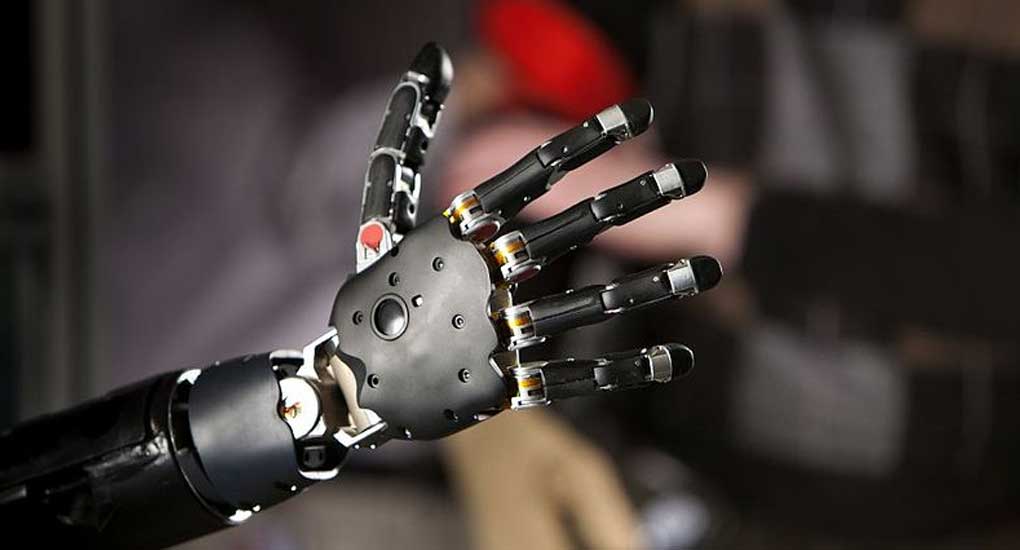
Biomimetic prosthetics represent a profound advancement in the field of prosthetic design, leveraging robotic technologies, neurological interfaces, and advanced materials to create artificial limbs that move as naturally as human limbs. Traditionally, prosthetics were rudimentary devices that lacked the functionality required to perform complex tasks like walking, running, or grasping objects. However, by mimicking the biomechanics of the human body, biomimetic prosthetics can replicate the intricate motion patterns, force feedback, and dexterity of human limbs, allowing users to perform a wide range of activities with precision and ease.

In this article, we explore how biomimetic design influences the development of prosthetics, the integration of human-like features in these devices, and the current state of prosthetic technology. Additionally, we address the challenges that remain in improving prosthetic mobility and comfort and provide a glimpse into the future of biomimetic prosthetics.


2. Understanding Biomimetic Prosthetics

2.1 What is Biomimicry in Prosthetics?

Biomimicry refers to the practice of imitating the natural world’s structures, functions, and processes to solve complex engineering challenges. In the case of prosthetics, biomimetic design aims to replicate the natural movement of the human body, making artificial limbs more responsive, efficient, and intuitive. The goal is not just to replace lost limbs, but to create prosthetics that interact with the user’s environment in a way that is both functional and seamless.

To achieve this, biomimetic prosthetics draw inspiration from the anatomy and kinetics of the human body, including the musculoskeletal system, joint mechanics, and neurological control mechanisms. By understanding and replicating these systems, engineers can create prosthetic devices that mimic the natural motion of human limbs, enhancing the user’s ability to perform daily tasks such as walking, climbing stairs, or performing intricate hand movements.

2.2 Key Features of Biomimetic Prosthetics

Biomimetic prosthetics stand out because of their human-like features. These features enable a high degree of functionality and user satisfaction:

  • Natural Movement and Flexibility: The use of advanced actuators and artificial muscles allows for smooth and continuous motion, closely mimicking the natural movement of joints. Prosthetic limbs can now bend, rotate, and move in ways that were once impossible with older models.
  • Intuitive Control: By incorporating neurological interfaces such as brain-machine interfaces (BMIs), electromyography (EMG) sensors, or nerve-controlled prosthetics, users can control their prosthetics with natural movements and thoughts, restoring a level of autonomy and comfort previously unseen in traditional prosthetics.
  • Sensory Feedback: The integration of tactile sensors and force sensors into prosthetic limbs allows users to feel sensations like grip strength, temperature, and texture, which were once inaccessible in artificial limbs.
  • Customization: Modern biomimetic prosthetics can be custom-designed to meet the specific needs of the individual. This includes prosthetics tailored to the user’s anatomical shape, activity level, and lifestyle. Customization ensures optimal performance, comfort, and durability.

3. Technological Advancements in Biomimetic Prosthetics

3.1 Neural Control and Brain-Machine Interfaces

A breakthrough in biomimetic prosthetics is the integration of neural control systems. Traditionally, prosthetics were manipulated through external mechanical mechanisms. However, biomimetic prosthetics now offer the ability to control artificial limbs via the nervous system, either through electromyography (EMG) or brain-machine interfaces (BMI).

  • EMG Control: By measuring the electrical activity of muscles, EMG-based prosthetics can respond to the user’s intentions to move the limb. These devices use electrodes placed on the skin or implanted into muscles to detect muscle contractions, which are then translated into movements of the prosthetic.
  • Brain-Machine Interfaces: BMIs take the process a step further by reading electrical signals directly from the brain and translating them into commands that control the prosthetic limb. This approach enables the user to control the prosthetic as if it were their natural limb, with greater ease and accuracy.

By leveraging neural control technologies, prosthetic limbs have become more responsive and adaptive, allowing for more natural movement and a seamless connection between the user and the device.

3.2 Artificial Muscles and Actuation Systems

One of the biggest challenges in biomimetic prosthetics is replicating the complexity and dexterity of human muscles. Modern prosthetics use artificial muscles, such as electroactive polymers and shape-memory alloys, to mimic the contraction and extension of biological muscles. These materials allow prosthetics to move with greater flexibility and strength, providing a more lifelike experience.

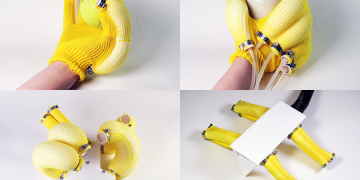
Artificial muscles are usually paired with actuation systems that convert electrical energy into mechanical motion, providing the force required for limb movement. For instance, the use of soft actuators in prosthetic hands allows for a high degree of flexibility in gripping and handling objects, enabling users to perform tasks with precision.

3.3 Sensor Technology and Feedback Systems

The integration of sensor technology is another important advancement in biomimetic prosthetics. Sensors provide users with vital information about their environment and their prosthetic’s performance. Tactile sensors in the fingertips of prosthetic hands can simulate the sensation of touch, enabling the user to feel the texture and pressure of objects they interact with.

  • Force Sensors: These sensors detect the amount of force being applied by the prosthetic limb, enabling the user to adjust the grip strength to avoid overexertion or damage to fragile objects.
  • Pressure Sensors: These sensors provide feedback on how much weight or force is being exerted on the limb, allowing users to better balance their weight while walking or running.

By providing real-time sensory feedback, biomimetic prosthetics offer a higher level of control and safety, allowing for more nuanced movements and improved task performance.


4. Impact of Biomimetic Prosthetics on Quality of Life

4.1 Restoring Mobility and Independence

One of the most profound impacts of biomimetic prosthetics is the restoration of mobility and independence. For individuals who have lost a limb, prosthetics offer a way to regain their freedom of movement. Biomimetic designs, which replicate natural movement, enable users to perform tasks such as walking, running, climbing stairs, or participating in sports, improving their overall quality of life.

With the development of advanced prosthetic legs and robotic exoskeletons, individuals with lower limb amputations or paralysis can now stand, walk, and even run. The integration of smart sensors, dynamic knee and ankle control, and muscle-driven actuation systems makes these devices more adaptable, responding to changing environments and offering increased stability and comfort.

4.2 Emotional and Psychological Benefits

Beyond physical movement, biomimetic prosthetics also offer psychological benefits. The ability to move naturally and participate in social activities helps individuals regain a sense of self-esteem and self-worth. Prosthetics that closely mimic the natural appearance and function of human limbs can also reduce feelings of stigmatization or discomfort, allowing for greater social integration.

By restoring the ability to perform familiar activities, such as shaking hands, gripping objects, or typing on a keyboard, biomimetic prosthetics have a positive impact on the mental well-being of the user, contributing to a more active and empowered lifestyle.


5. Challenges and Future Directions

5.1 Challenges in Biomimetic Prosthetics

While biomimetic prosthetics have come a long way, several challenges still remain:

  1. Cost and Accessibility: Advanced biomimetic prosthetics are often prohibitively expensive, limiting access for many individuals who could benefit from them.
  2. Power Supply: Prosthetic devices, especially those with artificial muscles and sensory feedback, require high energy efficiency to ensure longevity and reliable performance.
  3. Complexity of Integration: Integrating neurological interfaces with prosthetic limbs remains complex, requiring highly specialized medical procedures and extensive calibration.

5.2 The Future of Biomimetic Prosthetics

Looking forward, the future of biomimetic prosthetics lies in the continued integration of neural networks, machine learning, and smart materials. The goal is to create prosthetic limbs that not only mimic the movement of natural limbs but also learn from the user’s movements, becoming more adaptive and personalized over time.

In addition, 3D printing technologies may play a crucial role in reducing the cost and improving the customization of prosthetics, making them more accessible to a wider population.


6. Conclusion

Biomimetic prosthetics represent the cutting edge of prosthetic design, combining advances in robotics, neural control, sensor technology, and materials science. By mimicking the complex structure and function of the human body, these prosthetics offer individuals with disabilities the opportunity to regain natural movement, flexibility, and control. As technology continues to evolve, biomimetic prosthetics will become even more personalized, intuitive, and adaptive, offering users the chance to lead fuller, more independent lives. The future of biomimetic prosthetics holds great promise, with the potential to transform the lives of millions worldwide.
Tags: Biomimetic ProstheticsFlexible prosthetic designInsights
ShareTweetShare

Related Posts

How to Improve Robot Flexibility While Ensuring Strength and Durability: A Major Technological Challenge
Insights

How to Improve Robot Flexibility While Ensuring Strength and Durability: A Major Technological Challenge

December 1, 2025
Expert Interview: The Future of Biomimicry in Technology and Innovation
Insights

Expert Interview: The Future of Biomimicry in Technology and Innovation

November 30, 2025
Biomimetic Robots: Drawing Inspiration from Nature to Simulate the Behavior and Structure of Plants and Animals
Insights

Biomimetic Robots: Drawing Inspiration from Nature to Simulate the Behavior and Structure of Plants and Animals

November 29, 2025
Recent Advances in Flexible Materials and Bionic Muscle Actuation Technologies
Insights

Recent Advances in Flexible Materials and Bionic Muscle Actuation Technologies

November 28, 2025
Integrating Artificial Intelligence and Biomimetics: How Bionic Robots in Healthcare Can Provide Personalized Treatment Plans
Insights

Integrating Artificial Intelligence and Biomimetics: How Bionic Robots in Healthcare Can Provide Personalized Treatment Plans

November 27, 2025
The Great Potential of Bionic Robots in Neurorehabilitation
Insights

The Great Potential of Bionic Robots in Neurorehabilitation

November 26, 2025
Leave Comment
  • Trending
  • Comments
  • Latest
The Revolutionary Impact of Robotics on Disaster Rescue and Environmental Protection

The Revolutionary Impact of Robotics on Disaster Rescue and Environmental Protection

October 20, 2025
Defining the Relationship Between Humans and Robots

Defining the Relationship Between Humans and Robots

October 20, 2025
Biomimetics: A Multidisciplinary Approach to the Future of Robotics and Innovation

Biomimetics: A Multidisciplinary Approach to the Future of Robotics and Innovation

October 20, 2025
How Robots Understand, Respond to, and Simulate Human Emotions to Enhance Interaction Experience

How Robots Understand, Respond to, and Simulate Human Emotions to Enhance Interaction Experience

October 20, 2025
The Integration of Artificial Intelligence and Human-Computer Interaction

The Integration of Artificial Intelligence and Human-Computer Interaction

Researching How Machines Can Recognize and Understand Human Emotions to Improve the Naturalness of Human-Computer Interaction

Researching How Machines Can Recognize and Understand Human Emotions to Improve the Naturalness of Human-Computer Interaction

AI Can Recognize User Emotions Through Facial Expressions, Voice Tones, and Other Signals and Respond Accordingly

AI Can Recognize User Emotions Through Facial Expressions, Voice Tones, and Other Signals and Respond Accordingly

Voice Assistant Research Drives Breakthroughs in Speech Recognition and Natural Language Understanding

Voice Assistant Research Drives Breakthroughs in Speech Recognition and Natural Language Understanding

Robotics and Societal Change: Smart Cities and Digitalized Living

Robotics and Societal Change: Smart Cities and Digitalized Living

December 1, 2025
How to Improve Robot Flexibility While Ensuring Strength and Durability: A Major Technological Challenge

How to Improve Robot Flexibility While Ensuring Strength and Durability: A Major Technological Challenge

December 1, 2025
The Application of Robotics and Automated Logistics Systems in Supply Chain Management

The Application of Robotics and Automated Logistics Systems in Supply Chain Management

December 1, 2025
Edge Computing: A Key Technology for Real-Time Computer Vision Applications

Edge Computing: A Key Technology for Real-Time Computer Vision Applications

December 1, 2025
AnthroboticsLab

Through expert commentary and deep dives into industry trends and ethical considerations, we bridge the gap between academic research and real-world application, fostering a deeper understanding of our technological future.

© 2025 anthroboticslab.com. contacts:[email protected]

No Result
View All Result
  • Home
  • Research
  • Technology
  • Industry
  • Insights
  • Futures

© 2025 anthroboticslab.com. contacts:[email protected]

Welcome Back!

Login to your account below

Forgotten Password?

Retrieve your password

Please enter your username or email address to reset your password.

Log In