



AnthroboticsLab
  • Home
  • Research
    Soft Robotics: Advancements in Bio-Inspired Flexible Systems

    Soft Robotics: Advancements in Bio-Inspired Flexible Systems

    Autonomous Robots and Reinforcement Learning: Paving the Way for Intelligent Machines

    Autonomous Robots and Reinforcement Learning: Paving the Way for Intelligent Machines

    Designing Adaptive User Interfaces: Enhancing Human-Computer Interaction through Dynamic Interfaces

    Designing Adaptive User Interfaces: Enhancing Human-Computer Interaction through Dynamic Interfaces

    Human-Machine Interaction in Augmented Reality and Virtual Reality: A Comprehensive Exploration

    Human-Machine Interaction in Augmented Reality and Virtual Reality: A Comprehensive Exploration

    Affective Computing and Human-Machine Emotional Interaction: The Future of Emotional AI

    Affective Computing and Human-Machine Emotional Interaction: The Future of Emotional AI

    Researching How Machines Can Understand, Recognize, and Respond to Human Emotions

    Researching How Machines Can Understand, Recognize, and Respond to Human Emotions

  • Technology
    Edge Computing: A Key Technology for Real-Time Computer Vision Applications

    Edge Computing: A Key Technology for Real-Time Computer Vision Applications

    Image Fusion in Computer Vision: Enhancing Scene Understanding Through Multi-Sensor Integration

    Image Fusion in Computer Vision: Enhancing Scene Understanding Through Multi-Sensor Integration

    Sensor Fusion Technology: Achieving High-Precision Environmental Perception in Modern Robotics

    Sensor Fusion Technology: Achieving High-Precision Environmental Perception in Modern Robotics

    3D Vision Reconstruction and Depth Estimation: Foundations, Techniques, and Applications

    3D Vision Reconstruction and Depth Estimation: Foundations, Techniques, and Applications

    Computer Vision: The Foundation of Robotic Perception and Its Broad Applications in Autonomous Driving, Industrial Automation, and Medical Surgery

    Computer Vision: The Foundation of Robotic Perception and Its Broad Applications in Autonomous Driving, Industrial Automation, and Medical Surgery

    Ensuring Robots Do Not Harm Humans While Performing Tasks

    Ensuring Robots Do Not Harm Humans While Performing Tasks

  • Industry
    The Application of Robotics and Automated Logistics Systems in Supply Chain Management

    The Application of Robotics and Automated Logistics Systems in Supply Chain Management

    Collaborative Robots and Human Workers: Enhancing Productivity and Ensuring Worker Safety

    Collaborative Robots and Human Workers: Enhancing Productivity and Ensuring Worker Safety

    Modern Production Lines: Emphasizing Flexibility and Customization

    Modern Production Lines: Emphasizing Flexibility and Customization

    The Expanding Role of Robots in Manufacturing: Advancements, Applications, and Future Prospects

    The Expanding Role of Robots in Manufacturing: Advancements, Applications, and Future Prospects

    Industry 4.0: Revolutionizing Manufacturing with IoT, AI, Robotics, and Big Data

    Industry 4.0: Revolutionizing Manufacturing with IoT, AI, Robotics, and Big Data

    Smart Manufacturing and Industry 4.0: Revolutionizing the Future of Production

    Smart Manufacturing and Industry 4.0: Revolutionizing the Future of Production

  • Insights
    How to Improve Robot Flexibility While Ensuring Strength and Durability: A Major Technological Challenge

    How to Improve Robot Flexibility While Ensuring Strength and Durability: A Major Technological Challenge

    Expert Interview: The Future of Biomimicry in Technology and Innovation

    Expert Interview: The Future of Biomimicry in Technology and Innovation

    Biomimetic Robots: Drawing Inspiration from Nature to Simulate the Behavior and Structure of Plants and Animals

    Biomimetic Robots: Drawing Inspiration from Nature to Simulate the Behavior and Structure of Plants and Animals

    Recent Advances in Flexible Materials and Bionic Muscle Actuation Technologies

    Recent Advances in Flexible Materials and Bionic Muscle Actuation Technologies

    Integrating Artificial Intelligence and Biomimetics: How Bionic Robots in Healthcare Can Provide Personalized Treatment Plans

    Integrating Artificial Intelligence and Biomimetics: How Bionic Robots in Healthcare Can Provide Personalized Treatment Plans

    The Great Potential of Bionic Robots in Neurorehabilitation

    The Great Potential of Bionic Robots in Neurorehabilitation

  • Futures
    Robotics and Societal Change: Smart Cities and Digitalized Living

    Robotics and Societal Change: Smart Cities and Digitalized Living

    The Widespread Application of Robotics: Potential Impact on Traditional Jobs

    The Widespread Application of Robotics: Potential Impact on Traditional Jobs

    Smart Homes and Life Assistants: The Future of Everyday Living

    Smart Homes and Life Assistants: The Future of Everyday Living

    The Expanding Role of Robots in the Service Industry: From Customer Service to Personalized Healthcare

    The Expanding Role of Robots in the Service Industry: From Customer Service to Personalized Healthcare

    Fully Automated Production and Services: The Future of Industry and Innovation

    Fully Automated Production and Services: The Future of Industry and Innovation

    The Future of Robots: From Tools to Understanding, Learning, and Responding to Human Society

    The Future of Robots: From Tools to Understanding, Learning, and Responding to Human Society

AnthroboticsLab
  • Home
  • Research
    Soft Robotics: Advancements in Bio-Inspired Flexible Systems

    Soft Robotics: Advancements in Bio-Inspired Flexible Systems

    Autonomous Robots and Reinforcement Learning: Paving the Way for Intelligent Machines

    Autonomous Robots and Reinforcement Learning: Paving the Way for Intelligent Machines

    Designing Adaptive User Interfaces: Enhancing Human-Computer Interaction through Dynamic Interfaces

    Designing Adaptive User Interfaces: Enhancing Human-Computer Interaction through Dynamic Interfaces

    Human-Machine Interaction in Augmented Reality and Virtual Reality: A Comprehensive Exploration

    Human-Machine Interaction in Augmented Reality and Virtual Reality: A Comprehensive Exploration

    Affective Computing and Human-Machine Emotional Interaction: The Future of Emotional AI

    Affective Computing and Human-Machine Emotional Interaction: The Future of Emotional AI

    Researching How Machines Can Understand, Recognize, and Respond to Human Emotions

    Researching How Machines Can Understand, Recognize, and Respond to Human Emotions

  • Technology
    Edge Computing: A Key Technology for Real-Time Computer Vision Applications

    Edge Computing: A Key Technology for Real-Time Computer Vision Applications

    Image Fusion in Computer Vision: Enhancing Scene Understanding Through Multi-Sensor Integration

    Image Fusion in Computer Vision: Enhancing Scene Understanding Through Multi-Sensor Integration

    Sensor Fusion Technology: Achieving High-Precision Environmental Perception in Modern Robotics

    Sensor Fusion Technology: Achieving High-Precision Environmental Perception in Modern Robotics

    3D Vision Reconstruction and Depth Estimation: Foundations, Techniques, and Applications

    3D Vision Reconstruction and Depth Estimation: Foundations, Techniques, and Applications

    Computer Vision: The Foundation of Robotic Perception and Its Broad Applications in Autonomous Driving, Industrial Automation, and Medical Surgery

    Computer Vision: The Foundation of Robotic Perception and Its Broad Applications in Autonomous Driving, Industrial Automation, and Medical Surgery

    Ensuring Robots Do Not Harm Humans While Performing Tasks

    Ensuring Robots Do Not Harm Humans While Performing Tasks

  • Industry
    The Application of Robotics and Automated Logistics Systems in Supply Chain Management

    The Application of Robotics and Automated Logistics Systems in Supply Chain Management

    Collaborative Robots and Human Workers: Enhancing Productivity and Ensuring Worker Safety

    Collaborative Robots and Human Workers: Enhancing Productivity and Ensuring Worker Safety

    Modern Production Lines: Emphasizing Flexibility and Customization

    Modern Production Lines: Emphasizing Flexibility and Customization

    The Expanding Role of Robots in Manufacturing: Advancements, Applications, and Future Prospects

    The Expanding Role of Robots in Manufacturing: Advancements, Applications, and Future Prospects

    Industry 4.0: Revolutionizing Manufacturing with IoT, AI, Robotics, and Big Data

    Industry 4.0: Revolutionizing Manufacturing with IoT, AI, Robotics, and Big Data

    Smart Manufacturing and Industry 4.0: Revolutionizing the Future of Production

    Smart Manufacturing and Industry 4.0: Revolutionizing the Future of Production

  • Insights
    How to Improve Robot Flexibility While Ensuring Strength and Durability: A Major Technological Challenge

    How to Improve Robot Flexibility While Ensuring Strength and Durability: A Major Technological Challenge

    Expert Interview: The Future of Biomimicry in Technology and Innovation

    Expert Interview: The Future of Biomimicry in Technology and Innovation

    Biomimetic Robots: Drawing Inspiration from Nature to Simulate the Behavior and Structure of Plants and Animals

    Biomimetic Robots: Drawing Inspiration from Nature to Simulate the Behavior and Structure of Plants and Animals

    Recent Advances in Flexible Materials and Bionic Muscle Actuation Technologies

    Recent Advances in Flexible Materials and Bionic Muscle Actuation Technologies

    Integrating Artificial Intelligence and Biomimetics: How Bionic Robots in Healthcare Can Provide Personalized Treatment Plans

    Integrating Artificial Intelligence and Biomimetics: How Bionic Robots in Healthcare Can Provide Personalized Treatment Plans

    The Great Potential of Bionic Robots in Neurorehabilitation

    The Great Potential of Bionic Robots in Neurorehabilitation

  • Futures
    Robotics and Societal Change: Smart Cities and Digitalized Living

    Robotics and Societal Change: Smart Cities and Digitalized Living

    The Widespread Application of Robotics: Potential Impact on Traditional Jobs

    The Widespread Application of Robotics: Potential Impact on Traditional Jobs

    Smart Homes and Life Assistants: The Future of Everyday Living

    Smart Homes and Life Assistants: The Future of Everyday Living

    The Expanding Role of Robots in the Service Industry: From Customer Service to Personalized Healthcare

    The Expanding Role of Robots in the Service Industry: From Customer Service to Personalized Healthcare

    Fully Automated Production and Services: The Future of Industry and Innovation

    Fully Automated Production and Services: The Future of Industry and Innovation

    The Future of Robots: From Tools to Understanding, Learning, and Responding to Human Society

    The Future of Robots: From Tools to Understanding, Learning, and Responding to Human Society

AnthroboticsLab
No Result
View All Result
Home Futures

With Advancements in Technology, Robotic Devices Are More Widely Applied Across Industries and Ordinary Households

October 15, 2025
in Futures
With Advancements in Technology, Robotic Devices Are More Widely Applied Across Industries and Ordinary Households

1. Introduction

Over the past few decades, robots have evolved from cumbersome, specialized machines to intelligent, adaptable systems that are finding their way into many facets of human life. This transformation is not just confined to large industries; robotics is now entering households, assisting with chores, providing companionship, and even revolutionizing personal healthcare.

As robotics technology becomes more sophisticated, it is pushing the boundaries of what is possible. In industrial environments, robots have moved beyond simple tasks like assembly line operations to take on more complex functions such as quality control, inspection, and data analysis. Meanwhile, in domestic settings, robots are taking on everyday chores like cleaning, cooking, and even elderly care.

This article examines the drivers of the growing application of robots, the sectors where they are making the most impact, and the far-reaching implications for both industries and consumers.


2. Technological Advancements Fueling the Adoption of Robots

2.1 Miniaturization and Enhanced Design

Historically, robots were large, expensive machines that required significant infrastructure and expertise to operate. However, as microelectronics and miniaturization technologies have advanced, the cost and size of robotic systems have drastically reduced, enabling their widespread adoption across both industrial and domestic environments.

The integration of smaller sensors, actuators, and processors has allowed robots to become more compact while retaining their functional capabilities. This miniaturization makes it possible for robots to work in confined spaces, be more energy-efficient, and cater to a wider range of applications without requiring significant floor space or large operational footprints.

Furthermore, advances in design flexibility and modular robot architecture allow robots to be customized for various tasks. This adaptability is one of the key reasons robots are becoming an integral part of industries ranging from manufacturing to healthcare and retail.

2.2 Artificial Intelligence and Machine Learning

The incorporation of artificial intelligence (AI) and machine learning (ML) has revolutionized the capabilities of robots. Robots equipped with AI can process vast amounts of data, identify patterns, and make decisions based on that information. Machine learning algorithms enable robots to improve their performance over time through experience, making them more adaptable and efficient.

For instance, in manufacturing environments, robots can optimize assembly processes, detect defects, and adjust workflows autonomously. In the home, robots like vacuum cleaners or lawn mowers are now capable of learning and adapting to their surroundings, enhancing their efficiency and making them more user-friendly.

2.3 Advanced Sensors and Computer Vision

Sensors and computer vision are essential components of modern robotics. These technologies allow robots to understand their environment, identify objects, and make decisions based on real-time data. The ability to detect and recognize objects, navigate through dynamic environments, and interact with humans in a natural way has opened up new opportunities for robots in both industrial and domestic settings.

For example, autonomous delivery robots rely on a combination of sensors, cameras, and AI to navigate city streets, avoiding obstacles and ensuring safe delivery. Meanwhile, robotic surgery systems use advanced imaging and computer vision to enhance surgical precision and assist in minimally invasive procedures.

3. Robotics in Industry: Transforming the Workforce

3.1 Manufacturing and Automation

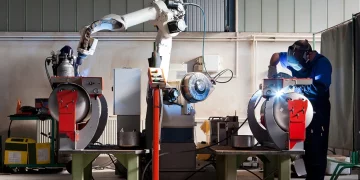
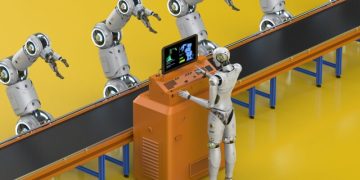
One of the first and most significant applications of robotics was in manufacturing. Robots have been used in industries such as automotive assembly for decades, performing tasks such as welding, painting, and assembling parts. With the continued advancement of robotics, these machines are becoming more versatile and cost-effective, capable of handling a broader range of tasks.

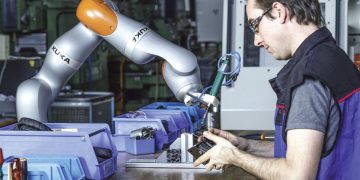
For example, modern industrial robots, now commonly referred to as cobots (collaborative robots), are designed to work alongside human workers. These robots can handle heavy lifting, repetitive tasks, or precision work, thereby improving efficiency while reducing worker fatigue. Cobots are smaller, lighter, and more flexible than their predecessors, making them ideal for small and medium-sized enterprises (SMEs) to adopt automation in their operations.

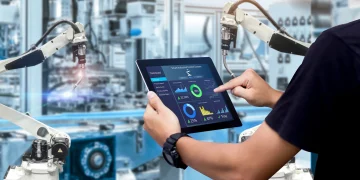
Additionally, robots are enhancing quality control, inspection, and logistics processes within factories, enabling higher levels of precision, reducing defects, and optimizing workflows. AI-driven robots can analyze production data in real-time and make adjustments autonomously to ensure higher-quality output.

3.2 Healthcare: From Surgery to Elderly Care

In healthcare, robots are transforming the way surgeries are performed, assisting with rehabilitation, and improving patient care. Robotic surgery systems, such as the da Vinci Surgical System, allow for minimally invasive procedures that reduce recovery times and improve surgical precision.

In elderly care, robots are becoming valuable companions and assistants, helping older adults with mobility, medication management, and social interaction. Robots equipped with sensors and AI can monitor a patient’s health in real time, alerting caregivers to potential issues such as falls, irregular vital signs, or missed medications. These advancements are particularly valuable in an aging society, where the demand for elderly care is on the rise.

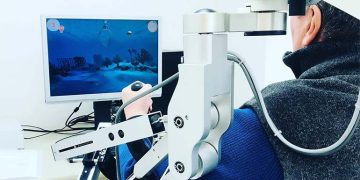
Moreover, robots are increasingly being used in rehabilitation to help patients regain strength and mobility after accidents or surgeries. For instance, exoskeletons are allowing individuals with mobility impairments to walk again, offering a transformative solution for individuals with spinal cord injuries or other disabilities.


4. Robotics in Homes: Enhancing Daily Life

4.1 Domestic Robots: Cleaning, Cooking, and Beyond

The home is one of the most significant areas where robotics technology is making an impact. Today, domestic robots are widely used for tasks like vacuuming, floor cleaning, lawn mowing, and even window washing. Robot vacuums, such as the Roomba, have become household staples, allowing individuals to automate mundane chores and maintain clean homes with minimal effort.

Looking ahead, robots will become even more capable in domestic environments. For instance, robotic chefs may assist with meal preparation, while robots for elderly care could assist with daily living activities such as dressing, bathing, and preparing meals. As AI and sensory technology continue to evolve, robots will gain an even deeper understanding of their surroundings and be able to handle more complex tasks autonomously.

4.2 Robots as Personal Assistants

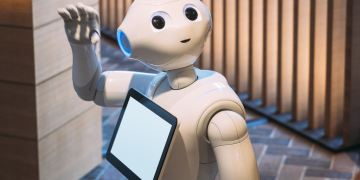
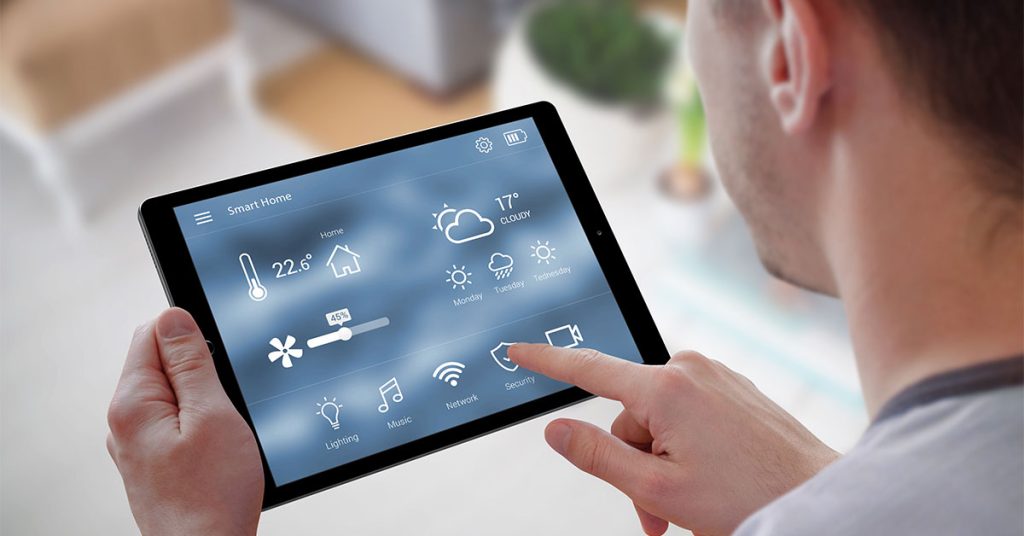
AI-driven personal assistant robots will play a crucial role in everyday life by helping with scheduling, reminders, entertainment, and home management. These robots will function similarly to smart speakers but with the added benefit of being mobile and able to physically interact with objects in the home.

For example, personal assistant robots could automate tasks like adjusting lighting and temperature, organizing household items, and even preparing grocery lists. In addition, they could serve as companions, providing elderly or isolated individuals with social interaction and emotional support.

4.3 Security and Surveillance Robots

Security robots equipped with cameras, motion sensors, and facial recognition capabilities will revolutionize home security. These robots will autonomously patrol the premises, detect unusual activity, and alert homeowners or authorities in case of a security breach. Integrated with AI and machine learning, these robots will continue to improve their threat detection capabilities over time.


5. The Future of Robotics: Challenges and Opportunities

5.1 Ethical Concerns and Privacy Issues

The integration of robots into homes and workplaces raises concerns about privacy and security. As robots collect and process vast amounts of data, including sensitive personal information, there is a need for robust data protection measures to safeguard users’ privacy.

Furthermore, the use of AI in robots brings about ethical dilemmas related to decision-making, accountability, and the potential for bias in algorithms. Ensuring that robots adhere to ethical guidelines and are programmed to act in ways that align with societal values will be essential to maintaining public trust.

5.2 Workforce Transformation and Job Displacement

As robots become more prevalent, there is concern about job displacement, particularly in industries that rely on manual labor. However, experts argue that while robots may replace some jobs, they will also create new opportunities. For instance, the rise of robotics will lead to an increased demand for robot designers, programmers, and maintenance personnel.

Rather than eliminating jobs, robots will enable workers to focus on higher-value tasks that require creativity, emotional intelligence, and complex decision-making. This shift will necessitate a rethinking of workforce training and education to ensure that individuals are equipped with the skills needed for the new economy.

5.3 Affordability and Accessibility

As robots become smaller, more efficient, and cheaper to produce, they will become more accessible to a wider range of businesses and consumers. While high-end robotic systems may still be out of reach for many households, more affordable models will allow ordinary consumers to benefit from robotics technology.

For example, small businesses that previously could not afford industrial-grade robots may now be able to implement automation on a smaller scale, improving efficiency and reducing operational costs.


6. Conclusion

Advancements in robotics technology are creating new possibilities for both industries and everyday life. Robots are becoming more compact, affordable, and intelligent, allowing them to perform a wide range of tasks across various sectors. In industries like manufacturing, healthcare, and logistics, robots are improving efficiency, precision, and safety. At home, robots are taking on mundane chores and enhancing the quality of life for individuals, particularly the elderly or disabled.

While challenges such as privacy concerns, job displacement, and ethical issues must be addressed, the future of robotics is filled with opportunities. As robots become more accessible, they will continue to transform how we live, work, and interact with the world around us, making our lives more convenient, efficient, and enjoyable.
Tags: FuturesRobotic DevicesTechnology
ShareTweetShare

Related Posts

Robotics and Societal Change: Smart Cities and Digitalized Living
Futures

Robotics and Societal Change: Smart Cities and Digitalized Living

December 1, 2025
The Widespread Application of Robotics: Potential Impact on Traditional Jobs
Futures

The Widespread Application of Robotics: Potential Impact on Traditional Jobs

November 30, 2025
Smart Homes and Life Assistants: The Future of Everyday Living
Futures

Smart Homes and Life Assistants: The Future of Everyday Living

November 29, 2025
The Expanding Role of Robots in the Service Industry: From Customer Service to Personalized Healthcare
Futures

The Expanding Role of Robots in the Service Industry: From Customer Service to Personalized Healthcare

November 28, 2025
Fully Automated Production and Services: The Future of Industry and Innovation
Futures

Fully Automated Production and Services: The Future of Industry and Innovation

November 27, 2025
The Future of Robots: From Tools to Understanding, Learning, and Responding to Human Society
Futures

The Future of Robots: From Tools to Understanding, Learning, and Responding to Human Society

November 26, 2025
Leave Comment
  • Trending
  • Comments
  • Latest
The Revolutionary Impact of Robotics on Disaster Rescue and Environmental Protection

The Revolutionary Impact of Robotics on Disaster Rescue and Environmental Protection

October 20, 2025
Defining the Relationship Between Humans and Robots

Defining the Relationship Between Humans and Robots

October 20, 2025
Biomimetics: A Multidisciplinary Approach to the Future of Robotics and Innovation

Biomimetics: A Multidisciplinary Approach to the Future of Robotics and Innovation

October 20, 2025
How Robots Understand, Respond to, and Simulate Human Emotions to Enhance Interaction Experience

How Robots Understand, Respond to, and Simulate Human Emotions to Enhance Interaction Experience

October 20, 2025
The Integration of Artificial Intelligence and Human-Computer Interaction

The Integration of Artificial Intelligence and Human-Computer Interaction

Researching How Machines Can Recognize and Understand Human Emotions to Improve the Naturalness of Human-Computer Interaction

Researching How Machines Can Recognize and Understand Human Emotions to Improve the Naturalness of Human-Computer Interaction

AI Can Recognize User Emotions Through Facial Expressions, Voice Tones, and Other Signals and Respond Accordingly

AI Can Recognize User Emotions Through Facial Expressions, Voice Tones, and Other Signals and Respond Accordingly

Voice Assistant Research Drives Breakthroughs in Speech Recognition and Natural Language Understanding

Voice Assistant Research Drives Breakthroughs in Speech Recognition and Natural Language Understanding

Robotics and Societal Change: Smart Cities and Digitalized Living

Robotics and Societal Change: Smart Cities and Digitalized Living

December 1, 2025
How to Improve Robot Flexibility While Ensuring Strength and Durability: A Major Technological Challenge

How to Improve Robot Flexibility While Ensuring Strength and Durability: A Major Technological Challenge

December 1, 2025
The Application of Robotics and Automated Logistics Systems in Supply Chain Management

The Application of Robotics and Automated Logistics Systems in Supply Chain Management

December 1, 2025
Edge Computing: A Key Technology for Real-Time Computer Vision Applications

Edge Computing: A Key Technology for Real-Time Computer Vision Applications

December 1, 2025
AnthroboticsLab

Through expert commentary and deep dives into industry trends and ethical considerations, we bridge the gap between academic research and real-world application, fostering a deeper understanding of our technological future.

© 2025 anthroboticslab.com. contacts:[email protected]

No Result
View All Result
  • Home
  • Research
  • Technology
  • Industry
  • Insights
  • Futures

© 2025 anthroboticslab.com. contacts:[email protected]

Welcome Back!

Login to your account below

Forgotten Password?

Retrieve your password

Please enter your username or email address to reset your password.

Log In