




AnthroboticsLab
  • Home
  • Research
    Soft Robotics: Advancements in Bio-Inspired Flexible Systems

    Soft Robotics: Advancements in Bio-Inspired Flexible Systems

    Autonomous Robots and Reinforcement Learning: Paving the Way for Intelligent Machines

    Autonomous Robots and Reinforcement Learning: Paving the Way for Intelligent Machines

    Designing Adaptive User Interfaces: Enhancing Human-Computer Interaction through Dynamic Interfaces

    Designing Adaptive User Interfaces: Enhancing Human-Computer Interaction through Dynamic Interfaces

    Human-Machine Interaction in Augmented Reality and Virtual Reality: A Comprehensive Exploration

    Human-Machine Interaction in Augmented Reality and Virtual Reality: A Comprehensive Exploration

    Affective Computing and Human-Machine Emotional Interaction: The Future of Emotional AI

    Affective Computing and Human-Machine Emotional Interaction: The Future of Emotional AI

    Researching How Machines Can Understand, Recognize, and Respond to Human Emotions

    Researching How Machines Can Understand, Recognize, and Respond to Human Emotions

  • Technology
    Edge Computing: A Key Technology for Real-Time Computer Vision Applications

    Edge Computing: A Key Technology for Real-Time Computer Vision Applications

    Image Fusion in Computer Vision: Enhancing Scene Understanding Through Multi-Sensor Integration

    Image Fusion in Computer Vision: Enhancing Scene Understanding Through Multi-Sensor Integration

    Sensor Fusion Technology: Achieving High-Precision Environmental Perception in Modern Robotics

    Sensor Fusion Technology: Achieving High-Precision Environmental Perception in Modern Robotics

    3D Vision Reconstruction and Depth Estimation: Foundations, Techniques, and Applications

    3D Vision Reconstruction and Depth Estimation: Foundations, Techniques, and Applications

    Computer Vision: The Foundation of Robotic Perception and Its Broad Applications in Autonomous Driving, Industrial Automation, and Medical Surgery

    Computer Vision: The Foundation of Robotic Perception and Its Broad Applications in Autonomous Driving, Industrial Automation, and Medical Surgery

    Ensuring Robots Do Not Harm Humans While Performing Tasks

    Ensuring Robots Do Not Harm Humans While Performing Tasks

  • Industry
    The Application of Robotics and Automated Logistics Systems in Supply Chain Management

    The Application of Robotics and Automated Logistics Systems in Supply Chain Management

    Collaborative Robots and Human Workers: Enhancing Productivity and Ensuring Worker Safety

    Collaborative Robots and Human Workers: Enhancing Productivity and Ensuring Worker Safety

    Modern Production Lines: Emphasizing Flexibility and Customization

    Modern Production Lines: Emphasizing Flexibility and Customization

    The Expanding Role of Robots in Manufacturing: Advancements, Applications, and Future Prospects

    The Expanding Role of Robots in Manufacturing: Advancements, Applications, and Future Prospects

    Industry 4.0: Revolutionizing Manufacturing with IoT, AI, Robotics, and Big Data

    Industry 4.0: Revolutionizing Manufacturing with IoT, AI, Robotics, and Big Data

    Smart Manufacturing and Industry 4.0: Revolutionizing the Future of Production

    Smart Manufacturing and Industry 4.0: Revolutionizing the Future of Production

  • Insights
    How to Improve Robot Flexibility While Ensuring Strength and Durability: A Major Technological Challenge

    How to Improve Robot Flexibility While Ensuring Strength and Durability: A Major Technological Challenge

    Expert Interview: The Future of Biomimicry in Technology and Innovation

    Expert Interview: The Future of Biomimicry in Technology and Innovation

    Biomimetic Robots: Drawing Inspiration from Nature to Simulate the Behavior and Structure of Plants and Animals

    Biomimetic Robots: Drawing Inspiration from Nature to Simulate the Behavior and Structure of Plants and Animals

    Recent Advances in Flexible Materials and Bionic Muscle Actuation Technologies

    Recent Advances in Flexible Materials and Bionic Muscle Actuation Technologies

    Integrating Artificial Intelligence and Biomimetics: How Bionic Robots in Healthcare Can Provide Personalized Treatment Plans

    Integrating Artificial Intelligence and Biomimetics: How Bionic Robots in Healthcare Can Provide Personalized Treatment Plans

    The Great Potential of Bionic Robots in Neurorehabilitation

    The Great Potential of Bionic Robots in Neurorehabilitation

  • Futures
    Robotics and Societal Change: Smart Cities and Digitalized Living

    Robotics and Societal Change: Smart Cities and Digitalized Living

    The Widespread Application of Robotics: Potential Impact on Traditional Jobs

    The Widespread Application of Robotics: Potential Impact on Traditional Jobs

    Smart Homes and Life Assistants: The Future of Everyday Living

    Smart Homes and Life Assistants: The Future of Everyday Living

    The Expanding Role of Robots in the Service Industry: From Customer Service to Personalized Healthcare

    The Expanding Role of Robots in the Service Industry: From Customer Service to Personalized Healthcare

    Fully Automated Production and Services: The Future of Industry and Innovation

    Fully Automated Production and Services: The Future of Industry and Innovation

    The Future of Robots: From Tools to Understanding, Learning, and Responding to Human Society

    The Future of Robots: From Tools to Understanding, Learning, and Responding to Human Society

AnthroboticsLab
  • Home
  • Research
    Soft Robotics: Advancements in Bio-Inspired Flexible Systems

    Soft Robotics: Advancements in Bio-Inspired Flexible Systems

    Autonomous Robots and Reinforcement Learning: Paving the Way for Intelligent Machines

    Autonomous Robots and Reinforcement Learning: Paving the Way for Intelligent Machines

    Designing Adaptive User Interfaces: Enhancing Human-Computer Interaction through Dynamic Interfaces

    Designing Adaptive User Interfaces: Enhancing Human-Computer Interaction through Dynamic Interfaces

    Human-Machine Interaction in Augmented Reality and Virtual Reality: A Comprehensive Exploration

    Human-Machine Interaction in Augmented Reality and Virtual Reality: A Comprehensive Exploration

    Affective Computing and Human-Machine Emotional Interaction: The Future of Emotional AI

    Affective Computing and Human-Machine Emotional Interaction: The Future of Emotional AI

    Researching How Machines Can Understand, Recognize, and Respond to Human Emotions

    Researching How Machines Can Understand, Recognize, and Respond to Human Emotions

  • Technology
    Edge Computing: A Key Technology for Real-Time Computer Vision Applications

    Edge Computing: A Key Technology for Real-Time Computer Vision Applications

    Image Fusion in Computer Vision: Enhancing Scene Understanding Through Multi-Sensor Integration

    Image Fusion in Computer Vision: Enhancing Scene Understanding Through Multi-Sensor Integration

    Sensor Fusion Technology: Achieving High-Precision Environmental Perception in Modern Robotics

    Sensor Fusion Technology: Achieving High-Precision Environmental Perception in Modern Robotics

    3D Vision Reconstruction and Depth Estimation: Foundations, Techniques, and Applications

    3D Vision Reconstruction and Depth Estimation: Foundations, Techniques, and Applications

    Computer Vision: The Foundation of Robotic Perception and Its Broad Applications in Autonomous Driving, Industrial Automation, and Medical Surgery

    Computer Vision: The Foundation of Robotic Perception and Its Broad Applications in Autonomous Driving, Industrial Automation, and Medical Surgery

    Ensuring Robots Do Not Harm Humans While Performing Tasks

    Ensuring Robots Do Not Harm Humans While Performing Tasks

  • Industry
    The Application of Robotics and Automated Logistics Systems in Supply Chain Management

    The Application of Robotics and Automated Logistics Systems in Supply Chain Management

    Collaborative Robots and Human Workers: Enhancing Productivity and Ensuring Worker Safety

    Collaborative Robots and Human Workers: Enhancing Productivity and Ensuring Worker Safety

    Modern Production Lines: Emphasizing Flexibility and Customization

    Modern Production Lines: Emphasizing Flexibility and Customization

    The Expanding Role of Robots in Manufacturing: Advancements, Applications, and Future Prospects

    The Expanding Role of Robots in Manufacturing: Advancements, Applications, and Future Prospects

    Industry 4.0: Revolutionizing Manufacturing with IoT, AI, Robotics, and Big Data

    Industry 4.0: Revolutionizing Manufacturing with IoT, AI, Robotics, and Big Data

    Smart Manufacturing and Industry 4.0: Revolutionizing the Future of Production

    Smart Manufacturing and Industry 4.0: Revolutionizing the Future of Production

  • Insights
    How to Improve Robot Flexibility While Ensuring Strength and Durability: A Major Technological Challenge

    How to Improve Robot Flexibility While Ensuring Strength and Durability: A Major Technological Challenge

    Expert Interview: The Future of Biomimicry in Technology and Innovation

    Expert Interview: The Future of Biomimicry in Technology and Innovation

    Biomimetic Robots: Drawing Inspiration from Nature to Simulate the Behavior and Structure of Plants and Animals

    Biomimetic Robots: Drawing Inspiration from Nature to Simulate the Behavior and Structure of Plants and Animals

    Recent Advances in Flexible Materials and Bionic Muscle Actuation Technologies

    Recent Advances in Flexible Materials and Bionic Muscle Actuation Technologies

    Integrating Artificial Intelligence and Biomimetics: How Bionic Robots in Healthcare Can Provide Personalized Treatment Plans

    Integrating Artificial Intelligence and Biomimetics: How Bionic Robots in Healthcare Can Provide Personalized Treatment Plans

    The Great Potential of Bionic Robots in Neurorehabilitation

    The Great Potential of Bionic Robots in Neurorehabilitation

  • Futures
    Robotics and Societal Change: Smart Cities and Digitalized Living

    Robotics and Societal Change: Smart Cities and Digitalized Living

    The Widespread Application of Robotics: Potential Impact on Traditional Jobs

    The Widespread Application of Robotics: Potential Impact on Traditional Jobs

    Smart Homes and Life Assistants: The Future of Everyday Living

    Smart Homes and Life Assistants: The Future of Everyday Living

    The Expanding Role of Robots in the Service Industry: From Customer Service to Personalized Healthcare

    The Expanding Role of Robots in the Service Industry: From Customer Service to Personalized Healthcare

    Fully Automated Production and Services: The Future of Industry and Innovation

    Fully Automated Production and Services: The Future of Industry and Innovation

    The Future of Robots: From Tools to Understanding, Learning, and Responding to Human Society

    The Future of Robots: From Tools to Understanding, Learning, and Responding to Human Society

AnthroboticsLab
No Result
View All Result
Home Insights

The Rapid Development of Autonomous Robotics Technology and Its Impact on the Global Labor Market: Challenges and Opportunities

October 17, 2025
in Insights
The Rapid Development of Autonomous Robotics Technology and Its Impact on the Global Labor Market: Challenges and Opportunities

1. Introduction: The Rise of Autonomous Robotics

The dawn of autonomous robotics technology marks a new era in which robots are no longer confined to repetitive tasks in factories but are expanding their reach across various sectors. From manufacturing to healthcare, agriculture, and even education, autonomous robots are now capable of performing complex tasks without the need for direct human control. This shift has profound implications for the global labor market and is likely to redefine the nature of work in the coming decades.

While the promise of increased efficiency, precision, and productivity is exciting, the automation revolution also brings about difficult questions regarding job displacement, economic inequality, and worker retraining. In this article, we will explore the complexities of these challenges, while also discussing the opportunities for innovation and growth that autonomous robotics technology brings to the workforce.


2. The Technological Drivers Behind Autonomous Robotics

2.1 Advancements in Artificial Intelligence (AI) and Machine Learning

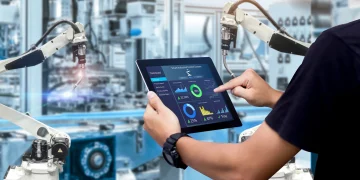
Autonomous robots are powered by advanced AI algorithms that enable them to perceive, interpret, and react to their environment without human intervention. Machine learning plays a critical role in helping robots adapt to new situations by continuously improving their performance based on experience. With developments in neural networks, deep learning, and computer vision, robots can now navigate complex environments, make decisions, and even learn from their mistakes. This has led to the deployment of robots in sectors that were previously reliant on human expertise.

2.2 Sensing and Perception Technologies

For autonomous robots to function effectively in real-world environments, they require a range of sensor technologies, such as LiDAR, radar, and cameras, to detect obstacles, understand spatial relations, and monitor conditions in real-time. These sensors allow robots to interact with their surroundings in ways that were once reserved for humans, enabling them to perform tasks with greater flexibility and accuracy.

2.3 Robotics and Automation Platforms

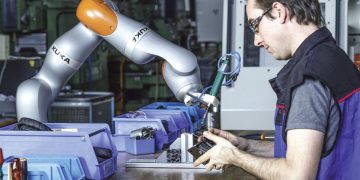
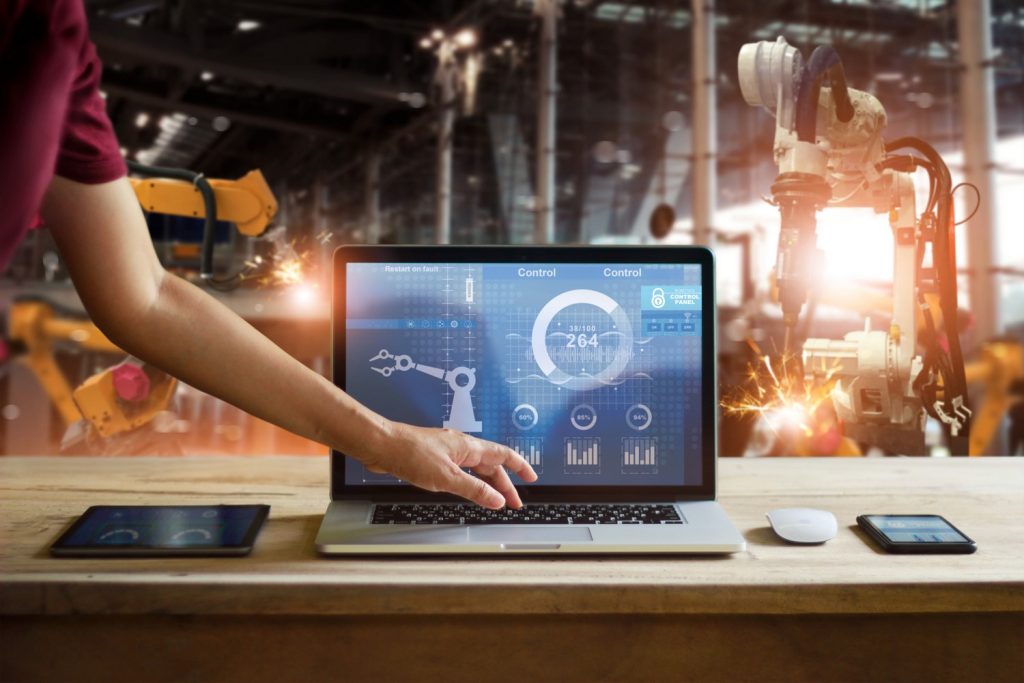
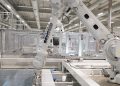
The increasing sophistication of robotic platforms, including mobile robots, collaborative robots (cobots), and drones, has expanded the scope of automation across industries. Cobots, in particular, are designed to work alongside human workers, performing tasks like assembly, quality inspection, and material handling. As these robots become more versatile and cost-effective, they are increasingly seen as key contributors to productivity in industries such as automotive manufacturing, warehousing, and logistics.


3. The Challenges Posed by Autonomous Robotics on the Labor Market

3.1 Job Displacement and Skill Gaps

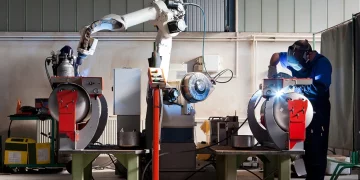
One of the most discussed consequences of widespread automation is the potential for job displacement. Robots and AI are increasingly capable of performing tasks traditionally carried out by humans, particularly in low-skill, manual labor roles. For example, in the manufacturing sector, robots can handle tasks such as assembly, welding, and painting more efficiently than human workers. As a result, jobs in these industries are at high risk of being automated, leading to potential unemployment for millions of workers globally.

Moreover, even in high-skill professions such as data analysis or medical diagnosis, AI and machine learning are beginning to perform specialized tasks that once required human expertise. This creates a scenario where skills gaps emerge, with workers needing to rapidly upskill to stay relevant in the labor market.

3.2 Economic Inequality and Workforce Polarization

The rise of autonomous robotics could exacerbate economic inequality, particularly between high-skill and low-skill workers. High-skill jobs in fields like robotics engineering, AI development, and software programming are likely to flourish, while low-skill jobs, such as those in retail, construction, and transportation, face a greater risk of being replaced by automation. This disparity could create a polarized workforce, where well-educated, high-income individuals thrive, while low-income workers face unemployment or underemployment.

The geographic divide is another factor to consider. Countries and regions that are early adopters of automation and robotics may experience economic growth and job creation, while others that lag behind in these technologies could see a widening gap in prosperity.

3.3 Ethical Concerns and Technological Dependency

As robots take on more roles traditionally held by humans, questions arise about the ethical implications of widespread automation. Ethical dilemmas include the loss of human autonomy, as machines make more decisions on behalf of individuals and businesses. Additionally, as dependence on robotic systems increases, so does the potential for technological failures—such as system malfunctions or cyberattacks—which could cause widespread disruption in sectors like transportation, healthcare, and financial services.

4. The Opportunities Created by Autonomous Robotics

4.1 Job Creation in New Sectors

While automation may lead to job displacement in certain sectors, it also creates new opportunities in others. Robotics engineers, AI specialists, and data scientists are in high demand as the world becomes more dependent on autonomous technology. Moreover, as robots perform routine and dangerous tasks, human workers can focus on more complex, creative, and strategic roles. Fields like robotic maintenance, AI programming, and data analytics are expected to grow significantly as businesses invest in automation.

Furthermore, new industries and business models may emerge as a result of the capabilities of autonomous robots. For instance, sectors such as autonomous delivery services, robotic healthcare, and smart agriculture are poised for rapid expansion, creating new employment opportunities and boosting economic activity.

4.2 Increased Productivity and Economic Growth

The widespread adoption of autonomous robots has the potential to significantly increase labor productivity. By automating time-consuming and repetitive tasks, businesses can focus on innovation and expansion. In industries like manufacturing, where robots can operate 24/7 without the need for breaks or shifts, companies can dramatically increase their output while reducing costs. The overall economic benefits include greater global competitiveness, higher wages, and economic growth.

4.3 Enhancing Worker Well-being

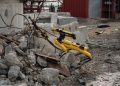
In sectors like healthcare, construction, and logistics, autonomous robots can be used to perform hazardous tasks that would otherwise put workers at risk. Robots can lift heavy objects, operate in dangerous environments, and assist in emergency situations, reducing the risk of injury and improving worker well-being. For example, robotic exoskeletons are already being used to assist workers in lifting heavy loads, reducing the risk of musculoskeletal injuries.

Additionally, as robots take over physically demanding tasks, humans can focus on higher-level functions, which may lead to greater job satisfaction and a more balanced work-life dynamic.


5. Addressing the Challenges: Strategies for the Future

5.1 Education and Workforce Retraining

One of the key strategies to mitigate the negative effects of automation is to invest in education and workforce retraining. As automation continues to evolve, it is critical to equip workers with the skills needed to adapt to new roles. Government policies, corporate training programs, and educational institutions must collaborate to develop training initiatives that focus on digital literacy, STEM skills, and critical thinking.

Upskilling and reskilling programs should also focus on equipping workers with skills that complement robots, such as problem-solving, leadership, and creative thinking, which are difficult for AI to replicate.

5.2 Public Policy and Social Safety Nets

Governments have a critical role to play in managing the effects of automation. Public policies can ensure that the benefits of automation are shared equitably, while providing social safety nets for those displaced by technological advancements. Policies could include universal basic income (UBI), job guarantees, and retraining initiatives. Governments should also encourage the development of inclusive innovation that benefits society as a whole, rather than just a select few.

5.3 Collaboration Between Humans and Robots

As robots and AI become more integrated into the workplace, it is important to foster collaborative human-robot work environments. Cobots (collaborative robots) are already proving effective in industries like manufacturing, where robots assist workers in performing tasks such as assembly and quality control. By creating environments where robots complement human skills rather than replace them, businesses can optimize productivity while maintaining job security.


6. Conclusion: A Balanced Approach to Automation

The rapid development of autonomous robotics technology presents both significant challenges and opportunities for the global labor market. While automation has the potential to disrupt traditional job structures, it also offers the possibility of creating new industries, improving productivity, and enhancing worker safety and well-being. The key to navigating this transformation lies in education, public policy, and collaborative innovation.

To ensure that the benefits of automation are widely shared, it is essential that governments, businesses, and workers work together to adapt to the changing landscape of the workforce. By embracing new technologies, providing opportunities for upskilling, and fostering a collaborative relationship between humans and robots, we can shape a future where automation leads to economic growth, higher-quality jobs, and improved quality of life for all.
Tags: Autonomous RoboticsChallenges and OpportunitiesInsights
ShareTweetShare

Related Posts

How to Improve Robot Flexibility While Ensuring Strength and Durability: A Major Technological Challenge
Insights

How to Improve Robot Flexibility While Ensuring Strength and Durability: A Major Technological Challenge

December 1, 2025
Expert Interview: The Future of Biomimicry in Technology and Innovation
Insights

Expert Interview: The Future of Biomimicry in Technology and Innovation

November 30, 2025
Biomimetic Robots: Drawing Inspiration from Nature to Simulate the Behavior and Structure of Plants and Animals
Insights

Biomimetic Robots: Drawing Inspiration from Nature to Simulate the Behavior and Structure of Plants and Animals

November 29, 2025
Recent Advances in Flexible Materials and Bionic Muscle Actuation Technologies
Insights

Recent Advances in Flexible Materials and Bionic Muscle Actuation Technologies

November 28, 2025
Integrating Artificial Intelligence and Biomimetics: How Bionic Robots in Healthcare Can Provide Personalized Treatment Plans
Insights

Integrating Artificial Intelligence and Biomimetics: How Bionic Robots in Healthcare Can Provide Personalized Treatment Plans

November 27, 2025
The Great Potential of Bionic Robots in Neurorehabilitation
Insights

The Great Potential of Bionic Robots in Neurorehabilitation

November 26, 2025
Leave Comment
  • Trending
  • Comments
  • Latest
The Revolutionary Impact of Robotics on Disaster Rescue and Environmental Protection

The Revolutionary Impact of Robotics on Disaster Rescue and Environmental Protection

October 20, 2025
Defining the Relationship Between Humans and Robots

Defining the Relationship Between Humans and Robots

October 20, 2025
Biomimetics: A Multidisciplinary Approach to the Future of Robotics and Innovation

Biomimetics: A Multidisciplinary Approach to the Future of Robotics and Innovation

October 20, 2025
How Robots Understand, Respond to, and Simulate Human Emotions to Enhance Interaction Experience

How Robots Understand, Respond to, and Simulate Human Emotions to Enhance Interaction Experience

October 20, 2025
The Integration of Artificial Intelligence and Human-Computer Interaction

The Integration of Artificial Intelligence and Human-Computer Interaction

Researching How Machines Can Recognize and Understand Human Emotions to Improve the Naturalness of Human-Computer Interaction

Researching How Machines Can Recognize and Understand Human Emotions to Improve the Naturalness of Human-Computer Interaction

AI Can Recognize User Emotions Through Facial Expressions, Voice Tones, and Other Signals and Respond Accordingly

AI Can Recognize User Emotions Through Facial Expressions, Voice Tones, and Other Signals and Respond Accordingly

Voice Assistant Research Drives Breakthroughs in Speech Recognition and Natural Language Understanding

Voice Assistant Research Drives Breakthroughs in Speech Recognition and Natural Language Understanding

Robotics and Societal Change: Smart Cities and Digitalized Living

Robotics and Societal Change: Smart Cities and Digitalized Living

December 1, 2025
How to Improve Robot Flexibility While Ensuring Strength and Durability: A Major Technological Challenge

How to Improve Robot Flexibility While Ensuring Strength and Durability: A Major Technological Challenge

December 1, 2025
The Application of Robotics and Automated Logistics Systems in Supply Chain Management

The Application of Robotics and Automated Logistics Systems in Supply Chain Management

December 1, 2025
Edge Computing: A Key Technology for Real-Time Computer Vision Applications

Edge Computing: A Key Technology for Real-Time Computer Vision Applications

December 1, 2025
AnthroboticsLab

Through expert commentary and deep dives into industry trends and ethical considerations, we bridge the gap between academic research and real-world application, fostering a deeper understanding of our technological future.

© 2025 anthroboticslab.com. contacts:[email protected]

No Result
View All Result
  • Home
  • Research
  • Technology
  • Industry
  • Insights
  • Futures

© 2025 anthroboticslab.com. contacts:[email protected]

Welcome Back!

Login to your account below

Forgotten Password?

Retrieve your password

Please enter your username or email address to reset your password.

Log In