


AnthroboticsLab
  • Home
  • Research
    Soft Robotics: Advancements in Bio-Inspired Flexible Systems

    Soft Robotics: Advancements in Bio-Inspired Flexible Systems

    Autonomous Robots and Reinforcement Learning: Paving the Way for Intelligent Machines

    Autonomous Robots and Reinforcement Learning: Paving the Way for Intelligent Machines

    Designing Adaptive User Interfaces: Enhancing Human-Computer Interaction through Dynamic Interfaces

    Designing Adaptive User Interfaces: Enhancing Human-Computer Interaction through Dynamic Interfaces

    Human-Machine Interaction in Augmented Reality and Virtual Reality: A Comprehensive Exploration

    Human-Machine Interaction in Augmented Reality and Virtual Reality: A Comprehensive Exploration

    Affective Computing and Human-Machine Emotional Interaction: The Future of Emotional AI

    Affective Computing and Human-Machine Emotional Interaction: The Future of Emotional AI

    Researching How Machines Can Understand, Recognize, and Respond to Human Emotions

    Researching How Machines Can Understand, Recognize, and Respond to Human Emotions

  • Technology
    Edge Computing: A Key Technology for Real-Time Computer Vision Applications

    Edge Computing: A Key Technology for Real-Time Computer Vision Applications

    Image Fusion in Computer Vision: Enhancing Scene Understanding Through Multi-Sensor Integration

    Image Fusion in Computer Vision: Enhancing Scene Understanding Through Multi-Sensor Integration

    Sensor Fusion Technology: Achieving High-Precision Environmental Perception in Modern Robotics

    Sensor Fusion Technology: Achieving High-Precision Environmental Perception in Modern Robotics

    3D Vision Reconstruction and Depth Estimation: Foundations, Techniques, and Applications

    3D Vision Reconstruction and Depth Estimation: Foundations, Techniques, and Applications

    Computer Vision: The Foundation of Robotic Perception and Its Broad Applications in Autonomous Driving, Industrial Automation, and Medical Surgery

    Computer Vision: The Foundation of Robotic Perception and Its Broad Applications in Autonomous Driving, Industrial Automation, and Medical Surgery

    Ensuring Robots Do Not Harm Humans While Performing Tasks

    Ensuring Robots Do Not Harm Humans While Performing Tasks

  • Industry
    The Application of Robotics and Automated Logistics Systems in Supply Chain Management

    The Application of Robotics and Automated Logistics Systems in Supply Chain Management

    Collaborative Robots and Human Workers: Enhancing Productivity and Ensuring Worker Safety

    Collaborative Robots and Human Workers: Enhancing Productivity and Ensuring Worker Safety

    Modern Production Lines: Emphasizing Flexibility and Customization

    Modern Production Lines: Emphasizing Flexibility and Customization

    The Expanding Role of Robots in Manufacturing: Advancements, Applications, and Future Prospects

    The Expanding Role of Robots in Manufacturing: Advancements, Applications, and Future Prospects

    Industry 4.0: Revolutionizing Manufacturing with IoT, AI, Robotics, and Big Data

    Industry 4.0: Revolutionizing Manufacturing with IoT, AI, Robotics, and Big Data

    Smart Manufacturing and Industry 4.0: Revolutionizing the Future of Production

    Smart Manufacturing and Industry 4.0: Revolutionizing the Future of Production

  • Insights
    How to Improve Robot Flexibility While Ensuring Strength and Durability: A Major Technological Challenge

    How to Improve Robot Flexibility While Ensuring Strength and Durability: A Major Technological Challenge

    Expert Interview: The Future of Biomimicry in Technology and Innovation

    Expert Interview: The Future of Biomimicry in Technology and Innovation

    Biomimetic Robots: Drawing Inspiration from Nature to Simulate the Behavior and Structure of Plants and Animals

    Biomimetic Robots: Drawing Inspiration from Nature to Simulate the Behavior and Structure of Plants and Animals

    Recent Advances in Flexible Materials and Bionic Muscle Actuation Technologies

    Recent Advances in Flexible Materials and Bionic Muscle Actuation Technologies

    Integrating Artificial Intelligence and Biomimetics: How Bionic Robots in Healthcare Can Provide Personalized Treatment Plans

    Integrating Artificial Intelligence and Biomimetics: How Bionic Robots in Healthcare Can Provide Personalized Treatment Plans

    The Great Potential of Bionic Robots in Neurorehabilitation

    The Great Potential of Bionic Robots in Neurorehabilitation

  • Futures
    Robotics and Societal Change: Smart Cities and Digitalized Living

    Robotics and Societal Change: Smart Cities and Digitalized Living

    The Widespread Application of Robotics: Potential Impact on Traditional Jobs

    The Widespread Application of Robotics: Potential Impact on Traditional Jobs

    Smart Homes and Life Assistants: The Future of Everyday Living

    Smart Homes and Life Assistants: The Future of Everyday Living

    The Expanding Role of Robots in the Service Industry: From Customer Service to Personalized Healthcare

    The Expanding Role of Robots in the Service Industry: From Customer Service to Personalized Healthcare

    Fully Automated Production and Services: The Future of Industry and Innovation

    Fully Automated Production and Services: The Future of Industry and Innovation

    The Future of Robots: From Tools to Understanding, Learning, and Responding to Human Society

    The Future of Robots: From Tools to Understanding, Learning, and Responding to Human Society

AnthroboticsLab
  • Home
  • Research
    Soft Robotics: Advancements in Bio-Inspired Flexible Systems

    Soft Robotics: Advancements in Bio-Inspired Flexible Systems

    Autonomous Robots and Reinforcement Learning: Paving the Way for Intelligent Machines

    Autonomous Robots and Reinforcement Learning: Paving the Way for Intelligent Machines

    Designing Adaptive User Interfaces: Enhancing Human-Computer Interaction through Dynamic Interfaces

    Designing Adaptive User Interfaces: Enhancing Human-Computer Interaction through Dynamic Interfaces

    Human-Machine Interaction in Augmented Reality and Virtual Reality: A Comprehensive Exploration

    Human-Machine Interaction in Augmented Reality and Virtual Reality: A Comprehensive Exploration

    Affective Computing and Human-Machine Emotional Interaction: The Future of Emotional AI

    Affective Computing and Human-Machine Emotional Interaction: The Future of Emotional AI

    Researching How Machines Can Understand, Recognize, and Respond to Human Emotions

    Researching How Machines Can Understand, Recognize, and Respond to Human Emotions

  • Technology
    Edge Computing: A Key Technology for Real-Time Computer Vision Applications

    Edge Computing: A Key Technology for Real-Time Computer Vision Applications

    Image Fusion in Computer Vision: Enhancing Scene Understanding Through Multi-Sensor Integration

    Image Fusion in Computer Vision: Enhancing Scene Understanding Through Multi-Sensor Integration

    Sensor Fusion Technology: Achieving High-Precision Environmental Perception in Modern Robotics

    Sensor Fusion Technology: Achieving High-Precision Environmental Perception in Modern Robotics

    3D Vision Reconstruction and Depth Estimation: Foundations, Techniques, and Applications

    3D Vision Reconstruction and Depth Estimation: Foundations, Techniques, and Applications

    Computer Vision: The Foundation of Robotic Perception and Its Broad Applications in Autonomous Driving, Industrial Automation, and Medical Surgery

    Computer Vision: The Foundation of Robotic Perception and Its Broad Applications in Autonomous Driving, Industrial Automation, and Medical Surgery

    Ensuring Robots Do Not Harm Humans While Performing Tasks

    Ensuring Robots Do Not Harm Humans While Performing Tasks

  • Industry
    The Application of Robotics and Automated Logistics Systems in Supply Chain Management

    The Application of Robotics and Automated Logistics Systems in Supply Chain Management

    Collaborative Robots and Human Workers: Enhancing Productivity and Ensuring Worker Safety

    Collaborative Robots and Human Workers: Enhancing Productivity and Ensuring Worker Safety

    Modern Production Lines: Emphasizing Flexibility and Customization

    Modern Production Lines: Emphasizing Flexibility and Customization

    The Expanding Role of Robots in Manufacturing: Advancements, Applications, and Future Prospects

    The Expanding Role of Robots in Manufacturing: Advancements, Applications, and Future Prospects

    Industry 4.0: Revolutionizing Manufacturing with IoT, AI, Robotics, and Big Data

    Industry 4.0: Revolutionizing Manufacturing with IoT, AI, Robotics, and Big Data

    Smart Manufacturing and Industry 4.0: Revolutionizing the Future of Production

    Smart Manufacturing and Industry 4.0: Revolutionizing the Future of Production

  • Insights
    How to Improve Robot Flexibility While Ensuring Strength and Durability: A Major Technological Challenge

    How to Improve Robot Flexibility While Ensuring Strength and Durability: A Major Technological Challenge

    Expert Interview: The Future of Biomimicry in Technology and Innovation

    Expert Interview: The Future of Biomimicry in Technology and Innovation

    Biomimetic Robots: Drawing Inspiration from Nature to Simulate the Behavior and Structure of Plants and Animals

    Biomimetic Robots: Drawing Inspiration from Nature to Simulate the Behavior and Structure of Plants and Animals

    Recent Advances in Flexible Materials and Bionic Muscle Actuation Technologies

    Recent Advances in Flexible Materials and Bionic Muscle Actuation Technologies

    Integrating Artificial Intelligence and Biomimetics: How Bionic Robots in Healthcare Can Provide Personalized Treatment Plans

    Integrating Artificial Intelligence and Biomimetics: How Bionic Robots in Healthcare Can Provide Personalized Treatment Plans

    The Great Potential of Bionic Robots in Neurorehabilitation

    The Great Potential of Bionic Robots in Neurorehabilitation

  • Futures
    Robotics and Societal Change: Smart Cities and Digitalized Living

    Robotics and Societal Change: Smart Cities and Digitalized Living

    The Widespread Application of Robotics: Potential Impact on Traditional Jobs

    The Widespread Application of Robotics: Potential Impact on Traditional Jobs

    Smart Homes and Life Assistants: The Future of Everyday Living

    Smart Homes and Life Assistants: The Future of Everyday Living

    The Expanding Role of Robots in the Service Industry: From Customer Service to Personalized Healthcare

    The Expanding Role of Robots in the Service Industry: From Customer Service to Personalized Healthcare

    Fully Automated Production and Services: The Future of Industry and Innovation

    Fully Automated Production and Services: The Future of Industry and Innovation

    The Future of Robots: From Tools to Understanding, Learning, and Responding to Human Society

    The Future of Robots: From Tools to Understanding, Learning, and Responding to Human Society

AnthroboticsLab
No Result
View All Result
Home Futures

The Future of Robots: Not Just in Production and Services, but a Part of Our Everyday Lives

October 17, 2025
in Futures
The Future of Robots: Not Just in Production and Services, but a Part of Our Everyday Lives

Introduction

In the last few decades, robots and automation have made monumental strides in fields like manufacturing, logistics, healthcare, and customer service. However, this is only the beginning of a much broader revolution. The future of robotics promises to integrate intelligent machines into virtually every aspect of human life, far beyond the industrial and service sectors where they currently dominate. As robots become more sophisticated, versatile, and autonomous, they will become indispensable parts of our daily routines, transforming how we work, interact, and live.

This article explores the future of robots in everyday life, detailing their roles, technological advancements, potential societal impacts, and the ethical questions raised by this new era. It also considers the way these innovations will affect various aspects of human existence, from work and entertainment to health and personal well-being.


1. The Evolution of Robots in Production and Services

1.1 Robots in Manufacturing and Industrial Automation

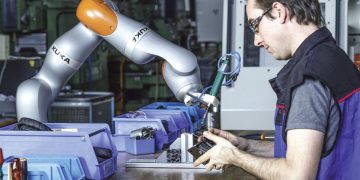
Robots have already become central figures in modern manufacturing. For decades, they have been used in automotive assembly lines, electronics production, and more recently, in agriculture, construction, and energy sectors. These robots excel in repetitive tasks, precision work, and environments hazardous to humans.

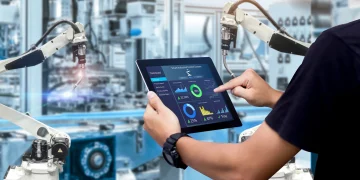
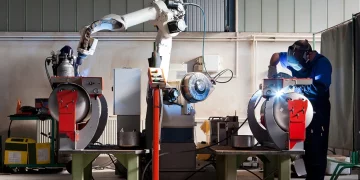
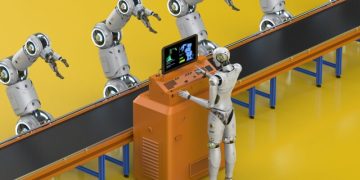
  • Robotics in production lines: In factories, robots perform tasks such as welding, assembly, packaging, and quality control. This has led to efficiency gains and cost reductions, as robots can work faster and more accurately than humans.
  • Collaborative robots (cobots): These robots are designed to work alongside humans, enhancing productivity in tasks that require both human creativity and robotic precision.
  • Robotics in logistics: Automated systems, including robots, drones, and self-driving vehicles, are already revolutionizing supply chains by improving inventory management, shipping processes, and warehouse operations.

1.2 Robots in Service Industries

In the service industry, robots are enhancing customer service, healthcare, hospitality, and even entertainment. Robots are not just enhancing service delivery but also reshaping the entire customer experience.

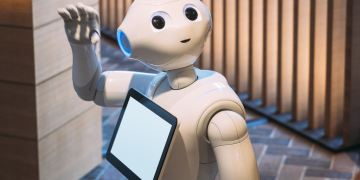
  • Robots in customer service: From chatbots handling customer inquiries online to robotic waiters delivering food in restaurants, robots are increasingly becoming the face of customer service.
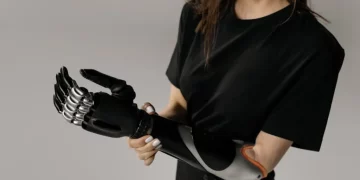
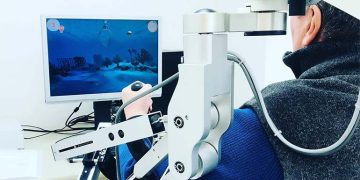
  • Healthcare robots: Robots have begun to assist in surgeries, diagnostics, rehabilitation, and patient care. Robotic prosthetics, exoskeletons, and telemedicine platforms are already changing the way we approach healthcare delivery.
  • Hospitality robots: In hotels and resorts, robots are already providing services such as room service delivery, concierge services, and even cleaning.

While these roles are critical and growing, they only represent a small fraction of the potential future impact of robots.


2. Robots in Our Daily Lives: The Coming Integration

2.1 Personal Assistants and Smart Homes

The future of robots in everyday life is likely to be most evident in our homes. We’re already seeing early versions of personal assistant robots that help with everything from household chores to managing daily tasks.

  • Smart home integration: Robots will serve as the central hub for managing smart home systems, integrating with devices such as lights, security cameras, thermostats, and appliances. Imagine a robot that can control your environment, ensure your home is secure, and even cook meals.
  • Personal assistants: Building on the technology of voice assistants like Amazon Alexa and Google Assistant, future robots will serve as fully autonomous personal assistants capable of performing a wide range of tasks, from scheduling appointments and managing your calendar to monitoring health and fitness.
  • Autonomous cleaning robots: While products like the Roomba vacuum cleaner have already made cleaning easier, future robots will go beyond simple cleaning tasks, performing laundry, washing dishes, and managing household maintenance.

2.2 Robots as Companions

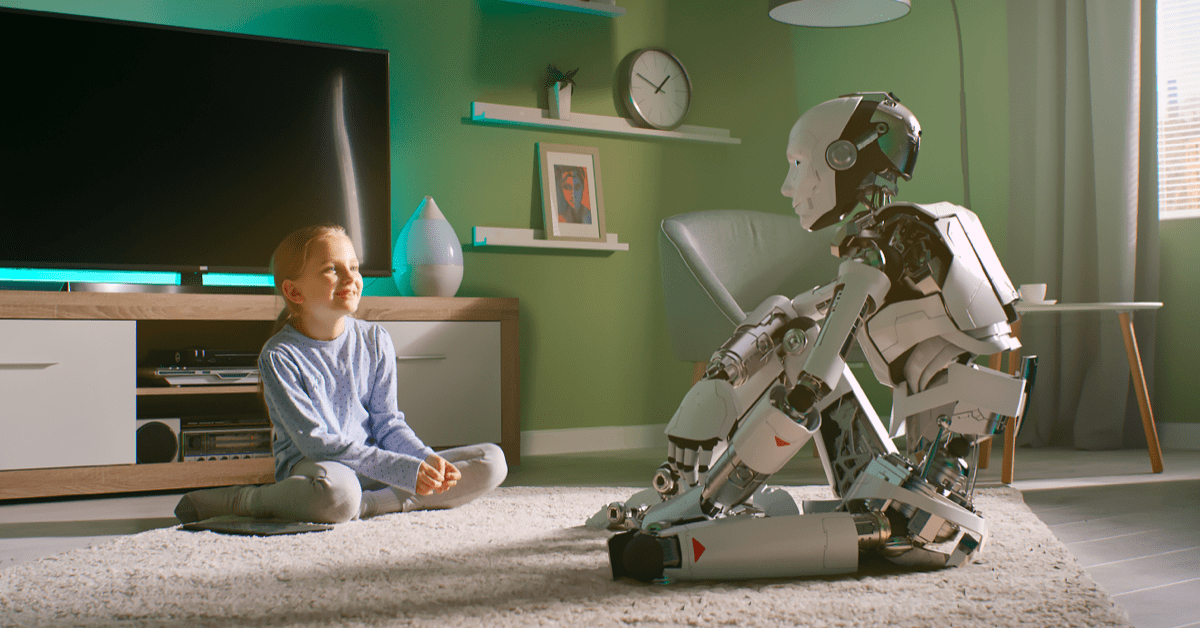
One of the most fascinating aspects of robotics’ future in our daily lives is the possibility of robots acting as companions or caregivers. Whether for the elderly, people with disabilities, or even as everyday companions, robots have the potential to provide emotional and physical support.

  • Elderly care robots: As populations in many countries age, robots will play a pivotal role in providing companionship, assisting with medication reminders, physical therapy, and even offering cognitive stimulation.
  • Emotional robots: Advances in artificial intelligence and emotional recognition allow robots to engage with humans on an emotional level, offering companionship and even providing therapy or mental health support.
  • Social robots: These robots, designed to engage with humans in a socially meaningful way, can help combat loneliness and depression, particularly in vulnerable populations like the elderly or isolated individuals.

2.3 Autonomous Transportation and Delivery

Transportation and logistics are two sectors where robots will increasingly become part of our daily lives. Autonomous vehicles, drones, and robotic delivery systems are set to revolutionize how goods and people move.

  • Self-driving cars: Although self-driving cars are still in their infancy, advancements in AI and machine learning are bringing us closer to a future where autonomous vehicles will navigate our streets, easing traffic congestion, reducing accidents, and providing accessible transport for those unable to drive.
  • Robotic delivery: Robots and drones are already being tested for last-mile deliveries, bringing groceries, parcels, and take-out food directly to your doorstep. This will drastically change how we shop and interact with the retail industry.
  • Urban mobility: With the rise of autonomous public transportation, such as driverless buses or robotic taxis, urban mobility will become more efficient, reducing the need for personal vehicle ownership and potentially reducing traffic-related pollution.
3. The Technological Drivers of Robot Integration

3.1 Artificial Intelligence and Machine Learning

The key to the success of robots in everyday life lies in artificial intelligence (AI). AI enables robots to not only perform tasks but also learn from their environments, adapt to new situations, and make decisions based on data.

  • Machine learning: Robots will become more intelligent over time, learning from past experiences to refine their behavior. Whether it’s navigating a home, recognizing faces, or understanding human emotions, AI will allow robots to become more efficient, intuitive, and responsive.
  • Natural language processing (NLP): Future robots will be able to understand and process human language more effectively, allowing for smoother and more natural interactions.

3.2 Advanced Sensors and Robotics

To function effectively in the real world, robots need advanced sensors and actuators that allow them to perceive their environment and interact with it.

  • Vision systems: Cameras and sensors will enable robots to see and interpret their surroundings. From facial recognition to object detection, these systems will allow robots to navigate homes and workplaces autonomously.
  • Touch and force sensors: Robots will use tactile sensors to perform delicate tasks like preparing food, cleaning fragile objects, or providing physical therapy.
  • Mobility: Whether through wheels, legs, or other mechanisms, robots will be designed to move efficiently in various environments, including homes, offices, and public spaces.

3.3 Connectivity and the Internet of Things (IoT)

For robots to truly become part of our daily lives, they need to be seamlessly integrated into the broader ecosystem of connected devices. This is where the Internet of Things (IoT) comes in.

  • Smart homes and cities: IoT will allow robots to communicate with other smart devices, enhancing their functionality. For example, a robot could adjust the thermostat, check security cameras, and remind you to take your medication, all through a single interface.
  • Cloud-based AI: Many robots will rely on cloud computing to access AI models, process large amounts of data, and continuously improve their performance.

4. The Societal Impacts of Robot Integration

4.1 Changes to the Workforce

As robots become more prevalent in everyday life, many aspects of the workforce will be affected. Some jobs will be displaced, but others will emerge, focusing on new technologies, human-robot collaboration, and ethical concerns.

  • Job displacement and creation: Automation may replace certain jobs, but it will also create new roles in robotics development, maintenance, and oversight. Additionally, more focus will be placed on jobs that require uniquely human skills, such as emotional intelligence, creativity, and complex problem-solving.
  • Human-robot collaboration: In many fields, robots will work alongside humans rather than replace them entirely. This collaborative approach will allow for greater efficiency and new opportunities for innovation.

4.2 Ethical and Privacy Concerns

The integration of robots into everyday life raises significant ethical questions, particularly around privacy, autonomy, and safety.

  • Privacy issues: As robots gather data about our daily lives, from our routines to our health metrics, the question of how this data is used and protected will be crucial. Robust security measures and clear privacy regulations will be essential.
  • Autonomy and decision-making: How much autonomy should robots have? Should they be allowed to make decisions on their own, or should human oversight be mandatory? These questions will become more pressing as robots take on roles that affect people’s lives directly.
  • Bias and fairness: AI-driven robots can perpetuate existing biases if not carefully monitored. Ensuring that robots are designed and trained to be fair and unbiased will be a key challenge.

5. The Road Ahead: Embracing a Robotic Future

While the future of robots in everyday life holds immense potential, there are still many technical, ethical, and societal challenges to address. However, as robotics and AI continue to advance, the possibilities are boundless.

  • Public acceptance: Widespread acceptance of robots in daily life will require public trust. Education, transparent policies, and gradual integration will help ensure that people are comfortable with robots.
  • Collaboration between humans and robots: The future will be one of collaboration, not replacement. By combining human creativity with robotic precision, we can unlock new levels of productivity, well-being, and innovation.

Conclusion

The future of robots is not just about machines replacing human labor in production and services. As technology advances, robots will become indispensable members of society, seamlessly integrated into our homes, workplaces, and everyday lives. From personal assistants and caregivers to autonomous transport and delivery systems, robots will shape our world in ways we’ve only begun to imagine. With careful consideration of ethical, privacy, and social implications, we can embrace a future where robots enhance human life, fostering a world of greater convenience, safety, and innovation.

Tags: Everyday LivesFuturesRobots
ShareTweetShare

Related Posts

Robotics and Societal Change: Smart Cities and Digitalized Living
Futures

Robotics and Societal Change: Smart Cities and Digitalized Living

December 1, 2025
The Widespread Application of Robotics: Potential Impact on Traditional Jobs
Futures

The Widespread Application of Robotics: Potential Impact on Traditional Jobs

November 30, 2025
Smart Homes and Life Assistants: The Future of Everyday Living
Futures

Smart Homes and Life Assistants: The Future of Everyday Living

November 29, 2025
The Expanding Role of Robots in the Service Industry: From Customer Service to Personalized Healthcare
Futures

The Expanding Role of Robots in the Service Industry: From Customer Service to Personalized Healthcare

November 28, 2025
Fully Automated Production and Services: The Future of Industry and Innovation
Futures

Fully Automated Production and Services: The Future of Industry and Innovation

November 27, 2025
The Future of Robots: From Tools to Understanding, Learning, and Responding to Human Society
Futures

The Future of Robots: From Tools to Understanding, Learning, and Responding to Human Society

November 26, 2025
Leave Comment
  • Trending
  • Comments
  • Latest
The Revolutionary Impact of Robotics on Disaster Rescue and Environmental Protection

The Revolutionary Impact of Robotics on Disaster Rescue and Environmental Protection

October 20, 2025
Defining the Relationship Between Humans and Robots

Defining the Relationship Between Humans and Robots

October 20, 2025
Biomimetics: A Multidisciplinary Approach to the Future of Robotics and Innovation

Biomimetics: A Multidisciplinary Approach to the Future of Robotics and Innovation

October 20, 2025
How Robots Understand, Respond to, and Simulate Human Emotions to Enhance Interaction Experience

How Robots Understand, Respond to, and Simulate Human Emotions to Enhance Interaction Experience

October 20, 2025
The Integration of Artificial Intelligence and Human-Computer Interaction

The Integration of Artificial Intelligence and Human-Computer Interaction

Researching How Machines Can Recognize and Understand Human Emotions to Improve the Naturalness of Human-Computer Interaction

Researching How Machines Can Recognize and Understand Human Emotions to Improve the Naturalness of Human-Computer Interaction

AI Can Recognize User Emotions Through Facial Expressions, Voice Tones, and Other Signals and Respond Accordingly

AI Can Recognize User Emotions Through Facial Expressions, Voice Tones, and Other Signals and Respond Accordingly

Voice Assistant Research Drives Breakthroughs in Speech Recognition and Natural Language Understanding

Voice Assistant Research Drives Breakthroughs in Speech Recognition and Natural Language Understanding

Robotics and Societal Change: Smart Cities and Digitalized Living

Robotics and Societal Change: Smart Cities and Digitalized Living

December 1, 2025
How to Improve Robot Flexibility While Ensuring Strength and Durability: A Major Technological Challenge

How to Improve Robot Flexibility While Ensuring Strength and Durability: A Major Technological Challenge

December 1, 2025
The Application of Robotics and Automated Logistics Systems in Supply Chain Management

The Application of Robotics and Automated Logistics Systems in Supply Chain Management

December 1, 2025
Edge Computing: A Key Technology for Real-Time Computer Vision Applications

Edge Computing: A Key Technology for Real-Time Computer Vision Applications

December 1, 2025
AnthroboticsLab

Through expert commentary and deep dives into industry trends and ethical considerations, we bridge the gap between academic research and real-world application, fostering a deeper understanding of our technological future.

© 2025 anthroboticslab.com. contacts:[email protected]

No Result
View All Result
  • Home
  • Research
  • Technology
  • Industry
  • Insights
  • Futures

© 2025 anthroboticslab.com. contacts:[email protected]

Welcome Back!

Login to your account below

Forgotten Password?

Retrieve your password

Please enter your username or email address to reset your password.

Log In