



AnthroboticsLab
  • Home
  • Research
    Soft Robotics: Advancements in Bio-Inspired Flexible Systems

    Soft Robotics: Advancements in Bio-Inspired Flexible Systems

    Autonomous Robots and Reinforcement Learning: Paving the Way for Intelligent Machines

    Autonomous Robots and Reinforcement Learning: Paving the Way for Intelligent Machines

    Designing Adaptive User Interfaces: Enhancing Human-Computer Interaction through Dynamic Interfaces

    Designing Adaptive User Interfaces: Enhancing Human-Computer Interaction through Dynamic Interfaces

    Human-Machine Interaction in Augmented Reality and Virtual Reality: A Comprehensive Exploration

    Human-Machine Interaction in Augmented Reality and Virtual Reality: A Comprehensive Exploration

    Affective Computing and Human-Machine Emotional Interaction: The Future of Emotional AI

    Affective Computing and Human-Machine Emotional Interaction: The Future of Emotional AI

    Researching How Machines Can Understand, Recognize, and Respond to Human Emotions

    Researching How Machines Can Understand, Recognize, and Respond to Human Emotions

  • Technology
    Edge Computing: A Key Technology for Real-Time Computer Vision Applications

    Edge Computing: A Key Technology for Real-Time Computer Vision Applications

    Image Fusion in Computer Vision: Enhancing Scene Understanding Through Multi-Sensor Integration

    Image Fusion in Computer Vision: Enhancing Scene Understanding Through Multi-Sensor Integration

    Sensor Fusion Technology: Achieving High-Precision Environmental Perception in Modern Robotics

    Sensor Fusion Technology: Achieving High-Precision Environmental Perception in Modern Robotics

    3D Vision Reconstruction and Depth Estimation: Foundations, Techniques, and Applications

    3D Vision Reconstruction and Depth Estimation: Foundations, Techniques, and Applications

    Computer Vision: The Foundation of Robotic Perception and Its Broad Applications in Autonomous Driving, Industrial Automation, and Medical Surgery

    Computer Vision: The Foundation of Robotic Perception and Its Broad Applications in Autonomous Driving, Industrial Automation, and Medical Surgery

    Ensuring Robots Do Not Harm Humans While Performing Tasks

    Ensuring Robots Do Not Harm Humans While Performing Tasks

  • Industry
    The Application of Robotics and Automated Logistics Systems in Supply Chain Management

    The Application of Robotics and Automated Logistics Systems in Supply Chain Management

    Collaborative Robots and Human Workers: Enhancing Productivity and Ensuring Worker Safety

    Collaborative Robots and Human Workers: Enhancing Productivity and Ensuring Worker Safety

    Modern Production Lines: Emphasizing Flexibility and Customization

    Modern Production Lines: Emphasizing Flexibility and Customization

    The Expanding Role of Robots in Manufacturing: Advancements, Applications, and Future Prospects

    The Expanding Role of Robots in Manufacturing: Advancements, Applications, and Future Prospects

    Industry 4.0: Revolutionizing Manufacturing with IoT, AI, Robotics, and Big Data

    Industry 4.0: Revolutionizing Manufacturing with IoT, AI, Robotics, and Big Data

    Smart Manufacturing and Industry 4.0: Revolutionizing the Future of Production

    Smart Manufacturing and Industry 4.0: Revolutionizing the Future of Production

  • Insights
    How to Improve Robot Flexibility While Ensuring Strength and Durability: A Major Technological Challenge

    How to Improve Robot Flexibility While Ensuring Strength and Durability: A Major Technological Challenge

    Expert Interview: The Future of Biomimicry in Technology and Innovation

    Expert Interview: The Future of Biomimicry in Technology and Innovation

    Biomimetic Robots: Drawing Inspiration from Nature to Simulate the Behavior and Structure of Plants and Animals

    Biomimetic Robots: Drawing Inspiration from Nature to Simulate the Behavior and Structure of Plants and Animals

    Recent Advances in Flexible Materials and Bionic Muscle Actuation Technologies

    Recent Advances in Flexible Materials and Bionic Muscle Actuation Technologies

    Integrating Artificial Intelligence and Biomimetics: How Bionic Robots in Healthcare Can Provide Personalized Treatment Plans

    Integrating Artificial Intelligence and Biomimetics: How Bionic Robots in Healthcare Can Provide Personalized Treatment Plans

    The Great Potential of Bionic Robots in Neurorehabilitation

    The Great Potential of Bionic Robots in Neurorehabilitation

  • Futures
    Robotics and Societal Change: Smart Cities and Digitalized Living

    Robotics and Societal Change: Smart Cities and Digitalized Living

    The Widespread Application of Robotics: Potential Impact on Traditional Jobs

    The Widespread Application of Robotics: Potential Impact on Traditional Jobs

    Smart Homes and Life Assistants: The Future of Everyday Living

    Smart Homes and Life Assistants: The Future of Everyday Living

    The Expanding Role of Robots in the Service Industry: From Customer Service to Personalized Healthcare

    The Expanding Role of Robots in the Service Industry: From Customer Service to Personalized Healthcare

    Fully Automated Production and Services: The Future of Industry and Innovation

    Fully Automated Production and Services: The Future of Industry and Innovation

    The Future of Robots: From Tools to Understanding, Learning, and Responding to Human Society

    The Future of Robots: From Tools to Understanding, Learning, and Responding to Human Society

AnthroboticsLab
  • Home
  • Research
    Soft Robotics: Advancements in Bio-Inspired Flexible Systems

    Soft Robotics: Advancements in Bio-Inspired Flexible Systems

    Autonomous Robots and Reinforcement Learning: Paving the Way for Intelligent Machines

    Autonomous Robots and Reinforcement Learning: Paving the Way for Intelligent Machines

    Designing Adaptive User Interfaces: Enhancing Human-Computer Interaction through Dynamic Interfaces

    Designing Adaptive User Interfaces: Enhancing Human-Computer Interaction through Dynamic Interfaces

    Human-Machine Interaction in Augmented Reality and Virtual Reality: A Comprehensive Exploration

    Human-Machine Interaction in Augmented Reality and Virtual Reality: A Comprehensive Exploration

    Affective Computing and Human-Machine Emotional Interaction: The Future of Emotional AI

    Affective Computing and Human-Machine Emotional Interaction: The Future of Emotional AI

    Researching How Machines Can Understand, Recognize, and Respond to Human Emotions

    Researching How Machines Can Understand, Recognize, and Respond to Human Emotions

  • Technology
    Edge Computing: A Key Technology for Real-Time Computer Vision Applications

    Edge Computing: A Key Technology for Real-Time Computer Vision Applications

    Image Fusion in Computer Vision: Enhancing Scene Understanding Through Multi-Sensor Integration

    Image Fusion in Computer Vision: Enhancing Scene Understanding Through Multi-Sensor Integration

    Sensor Fusion Technology: Achieving High-Precision Environmental Perception in Modern Robotics

    Sensor Fusion Technology: Achieving High-Precision Environmental Perception in Modern Robotics

    3D Vision Reconstruction and Depth Estimation: Foundations, Techniques, and Applications

    3D Vision Reconstruction and Depth Estimation: Foundations, Techniques, and Applications

    Computer Vision: The Foundation of Robotic Perception and Its Broad Applications in Autonomous Driving, Industrial Automation, and Medical Surgery

    Computer Vision: The Foundation of Robotic Perception and Its Broad Applications in Autonomous Driving, Industrial Automation, and Medical Surgery

    Ensuring Robots Do Not Harm Humans While Performing Tasks

    Ensuring Robots Do Not Harm Humans While Performing Tasks

  • Industry
    The Application of Robotics and Automated Logistics Systems in Supply Chain Management

    The Application of Robotics and Automated Logistics Systems in Supply Chain Management

    Collaborative Robots and Human Workers: Enhancing Productivity and Ensuring Worker Safety

    Collaborative Robots and Human Workers: Enhancing Productivity and Ensuring Worker Safety

    Modern Production Lines: Emphasizing Flexibility and Customization

    Modern Production Lines: Emphasizing Flexibility and Customization

    The Expanding Role of Robots in Manufacturing: Advancements, Applications, and Future Prospects

    The Expanding Role of Robots in Manufacturing: Advancements, Applications, and Future Prospects

    Industry 4.0: Revolutionizing Manufacturing with IoT, AI, Robotics, and Big Data

    Industry 4.0: Revolutionizing Manufacturing with IoT, AI, Robotics, and Big Data

    Smart Manufacturing and Industry 4.0: Revolutionizing the Future of Production

    Smart Manufacturing and Industry 4.0: Revolutionizing the Future of Production

  • Insights
    How to Improve Robot Flexibility While Ensuring Strength and Durability: A Major Technological Challenge

    How to Improve Robot Flexibility While Ensuring Strength and Durability: A Major Technological Challenge

    Expert Interview: The Future of Biomimicry in Technology and Innovation

    Expert Interview: The Future of Biomimicry in Technology and Innovation

    Biomimetic Robots: Drawing Inspiration from Nature to Simulate the Behavior and Structure of Plants and Animals

    Biomimetic Robots: Drawing Inspiration from Nature to Simulate the Behavior and Structure of Plants and Animals

    Recent Advances in Flexible Materials and Bionic Muscle Actuation Technologies

    Recent Advances in Flexible Materials and Bionic Muscle Actuation Technologies

    Integrating Artificial Intelligence and Biomimetics: How Bionic Robots in Healthcare Can Provide Personalized Treatment Plans

    Integrating Artificial Intelligence and Biomimetics: How Bionic Robots in Healthcare Can Provide Personalized Treatment Plans

    The Great Potential of Bionic Robots in Neurorehabilitation

    The Great Potential of Bionic Robots in Neurorehabilitation

  • Futures
    Robotics and Societal Change: Smart Cities and Digitalized Living

    Robotics and Societal Change: Smart Cities and Digitalized Living

    The Widespread Application of Robotics: Potential Impact on Traditional Jobs

    The Widespread Application of Robotics: Potential Impact on Traditional Jobs

    Smart Homes and Life Assistants: The Future of Everyday Living

    Smart Homes and Life Assistants: The Future of Everyday Living

    The Expanding Role of Robots in the Service Industry: From Customer Service to Personalized Healthcare

    The Expanding Role of Robots in the Service Industry: From Customer Service to Personalized Healthcare

    Fully Automated Production and Services: The Future of Industry and Innovation

    Fully Automated Production and Services: The Future of Industry and Innovation

    The Future of Robots: From Tools to Understanding, Learning, and Responding to Human Society

    The Future of Robots: From Tools to Understanding, Learning, and Responding to Human Society

AnthroboticsLab
No Result
View All Result
Home Research

Simulating and Understanding Human Emotions and Social Behavior: The Frontier of Human-Robot Interaction Research

October 20, 2025
in Research
Simulating and Understanding Human Emotions and Social Behavior: The Frontier of Human-Robot Interaction Research

Human-robot interaction (HRI) has evolved beyond the simple mechanics of humans controlling machines or robots executing predefined tasks. The integration of emotional intelligence into robotic systems, which can simulate, understand, and respond to human emotions and social behaviors, represents one of the most exciting and cutting-edge areas of research in the field of HRI. The ability of robots to interact in emotionally intelligent ways opens up new opportunities for creating robots that are not just functional but also socially aware, empathetic, and capable of establishing meaningful relationships with humans.

As artificial intelligence (AI) and machine learning continue to advance, robots are becoming increasingly adept at recognizing and interpreting human emotional states, adapting their responses accordingly. This ability to engage emotionally is critical in applications where human-robot interactions are more than just transactional—such as healthcare, customer service, education, and companionship. Understanding and simulating human emotions and social behavior in robots is now a primary focus of HRI researchers, and it promises to fundamentally alter how robots are integrated into everyday life.

Introduction: The Growing Need for Emotionally Intelligent Robots

Human emotions and social behaviors are integral parts of daily life, influencing decisions, relationships, and interactions. Robots that can understand and simulate these emotions are not merely tools for performing tasks—they are interactive agents that can improve human well-being, enhance communication, and provide assistance in ways that are more intuitive and engaging. This level of human-like interaction requires robots to move beyond basic programming and logic to incorporate emotional intelligence, allowing them to respond to and adapt to the emotional cues of human users.

The need for emotionally intelligent robots is particularly pressing in sectors like healthcare, elderly care, education, and customer service, where empathy, communication, and social understanding are vital. Robots that can detect emotional signals such as facial expressions, voice tones, and body language, and adapt their behavior accordingly, can become powerful assistants in these fields. For example, a robot designed to support elderly individuals may need to detect frustration or loneliness and provide comfort or engage in friendly conversation to alleviate these emotions.

In addition to improving interactions, robots capable of simulating and understanding emotions could also serve as companions, therapeutic tools, and educational assistants, making them valuable additions to both personal and professional environments.

The Science Behind Human Emotion and Social Behavior

To understand how robots can simulate and respond to human emotions, it is essential to first explore how emotions and social behaviors manifest in humans. Emotions are complex psychological and physiological responses to stimuli, often influenced by individual experiences, social context, and cultural norms. Emotions affect behavior, decision-making, and communication and can be expressed through a variety of channels:

  • Facial Expressions: A significant indicator of emotional states, facial expressions reveal feelings such as happiness, anger, sadness, surprise, fear, and disgust.
  • Voice Tone and Speech Patterns: The tone, pitch, and speed of speech can convey emotional content. For example, a raised voice might indicate anger or excitement, while a softer tone might signal sadness or empathy.
  • Body Language and Gestures: Posture, movement, and physical gestures communicate emotions as well. Crossed arms may indicate defensiveness, while an open posture may signal openness or engagement.
  • Contextual and Social Cues: Emotions are often context-dependent and influenced by social interactions. For example, a person may feel pride in a work achievement, joy in a family gathering, or anxiety in a professional presentation. Social cues, such as eye contact and touch, also play an important role in emotional expression.

The understanding of these emotions requires deep interdisciplinary knowledge, including insights from psychology, neuroscience, sociology, and linguistics. Researchers aim to decode these emotional expressions and translate them into actionable data that robots can understand and respond to. This understanding forms the foundation for developing robots that can interact with humans in a way that feels natural, intuitive, and empathetic.

The Role of AI in Emotion Recognition and Simulation

Artificial intelligence has made significant strides in emotion recognition and simulation, which is essential for robots to understand human emotions. Machine learning algorithms, particularly deep learning, allow robots to process and interpret vast amounts of emotional data, enabling them to “learn” how to recognize and respond to different emotional cues.

  1. Emotion Recognition
    Emotion recognition is the process by which AI systems, such as robots, detect and interpret human emotions based on various inputs. This can include facial expressions, speech tone, and physiological responses such as heart rate or body temperature. Several methods are used to detect emotions:
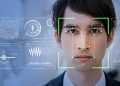
    • Facial Emotion Recognition: Using computer vision, AI can analyze facial expressions to detect emotions. Deep learning models are trained on large datasets of facial expressions, enabling robots to interpret subtle facial cues like a smile or furrowed brow.
    • Voice Emotion Recognition: AI can also recognize emotions through speech, analyzing the tone, pitch, and cadence of voice to detect emotions like joy, anger, or sadness.
    • Gestures and Body Language: AI systems, combined with sensors and cameras, can interpret human body language and gestures, identifying non-verbal emotional cues like hand movements, posture, and physical proximity.
    By combining these methods, robots can achieve a more holistic understanding of human emotional states, allowing them to respond appropriately.
  2. Emotion Simulation
    In addition to recognizing emotions, robots must also be able to simulate emotions to engage in meaningful interactions with humans. Emotion simulation involves programming robots to display emotional responses, such as smiling when a human expresses happiness or offering a comforting gesture when a human expresses sadness. This simulation is achieved using various techniques:
    • Expressive Facial Features: Some robots are equipped with facial actuators or screens that can simulate facial expressions, providing a more human-like interaction. For example, a robot might smile, raise its eyebrows, or tilt its head to express empathy or understanding.
    • Voice Modulation: Robots can alter their speech tone and pitch to reflect different emotional states. A robot might speak more softly and slowly to comfort someone or use a cheerful tone to express excitement or positivity.
    • Body Movement: Robots can also simulate emotions through body language, adjusting posture and movement to communicate emotions such as excitement, empathy, or concern.
    By using these simulation techniques, robots can create more engaging, emotionally resonant experiences for humans, improving the quality of interactions and building trust.

Human-Robot Emotional Interactions in Real-World Applications

  1. Healthcare and Elderly Care
    In healthcare, particularly in elderly care, emotionally intelligent robots can significantly improve the quality of life for patients. Many elderly individuals suffer from loneliness, depression, or cognitive decline, and a robot capable of recognizing and responding to emotional needs can offer companionship and support. For example, a robot could detect signs of sadness or anxiety and respond with comforting gestures or gentle conversation. These robots can also assist with daily activities, provide medication reminders, and monitor patients’ health, while also offering emotional support.
  2. Customer Service and Retail
    In customer service, robots with emotional intelligence can provide a more personalized and empathetic experience. For instance, service robots in hotels, airports, or retail environments can engage with customers, detect frustration or confusion, and respond by offering assistance in a compassionate manner. By adapting their responses based on customer emotions, these robots can improve customer satisfaction and create a more positive service experience.
  3. Education and Companionship
    Robots in educational settings, such as tutoring robots or interactive learning companions, can enhance the learning experience by adapting to students’ emotional responses. For example, a robot could detect when a student is frustrated with a particular subject and offer encouragement or adjust the pace of instruction to better suit the student’s emotional state. Similarly, robots designed as companions for children or individuals with special needs can provide social engagement, reduce loneliness, and improve emotional well-being.
  4. Therapeutic Robots
    In therapy, robots can play an essential role in assisting with emotional health, such as in the treatment of mental health disorders or autism spectrum disorders. Emotionally intelligent robots can provide non-judgmental support, help individuals express themselves, and guide them through therapeutic exercises. For example, robots have been used in cognitive behavioral therapy (CBT) for patients with anxiety, offering virtual scenarios that help patients practice coping strategies in a controlled environment.

Challenges and Ethical Considerations

While the potential of emotionally intelligent robots is immense, several challenges and ethical concerns need to be addressed.

  1. Authenticity and Trust
    One of the primary concerns with emotionally intelligent robots is the authenticity of their emotional responses. Are robots genuinely understanding and feeling emotions, or are they simply simulating them? While robots can simulate emotions convincingly, it is important to maintain transparency about their capabilities. If humans begin to form emotional attachments to robots, there is a risk of misunderstanding the nature of the interaction. Ethical guidelines should ensure that robots are not used to manipulate or deceive vulnerable individuals.
  2. Privacy and Data Security
    Emotion recognition systems often rely on sensitive data, such as facial expressions, voice recordings, and even physiological measurements. Ensuring the privacy and security of this data is paramount to prevent misuse or unauthorized access. Strict regulations and transparency around data collection and usage must be in place to protect users’ privacy.
  3. Social Dependency
    As robots become more emotionally intelligent, there is a risk that individuals might become overly reliant on them for emotional support, potentially reducing human-to-human interaction. Balancing robot companionship with healthy social relationships is crucial to prevent social isolation.
  4. Cultural Sensitivity
    Emotions and social behaviors are culturally specific, and robots must be programmed to recognize and adapt to these differences. A response that is appropriate in one culture may not be suitable in another. Ensuring that robots are culturally sensitive in their emotional interactions will be essential for their global acceptance.

Conclusion

Simulating and understanding human emotions and social behavior in robots is one of the most groundbreaking areas of human-robot interaction research. With advancements in AI, emotion recognition, and social robotics, robots are poised to become more than just task-oriented machines—they will engage with humans in meaningful, emotionally intelligent ways. From healthcare to education and customer service, emotionally intelligent robots can enhance human well-being, foster social bonds, and improve the quality of human-robot interactions. However, the challenges of ensuring authenticity, privacy, and cultural sensitivity must be addressed to ensure that these robots are used ethically and responsibly. The future of human-robot interaction is one where robots are not only capable of performing tasks but also understanding and responding to the emotional needs of their human counterparts.

Tags: Human-RoboInteraction ResearchResearch
ShareTweetShare

Related Posts

Soft Robotics: Advancements in Bio-Inspired Flexible Systems
Research

Soft Robotics: Advancements in Bio-Inspired Flexible Systems

December 1, 2025
Autonomous Robots and Reinforcement Learning: Paving the Way for Intelligent Machines
Research

Autonomous Robots and Reinforcement Learning: Paving the Way for Intelligent Machines

November 30, 2025
Designing Adaptive User Interfaces: Enhancing Human-Computer Interaction through Dynamic Interfaces
Research

Designing Adaptive User Interfaces: Enhancing Human-Computer Interaction through Dynamic Interfaces

November 29, 2025
Human-Machine Interaction in Augmented Reality and Virtual Reality: A Comprehensive Exploration
Research

Human-Machine Interaction in Augmented Reality and Virtual Reality: A Comprehensive Exploration

November 28, 2025
Affective Computing and Human-Machine Emotional Interaction: The Future of Emotional AI
Research

Affective Computing and Human-Machine Emotional Interaction: The Future of Emotional AI

November 27, 2025
Researching How Machines Can Understand, Recognize, and Respond to Human Emotions
Research

Researching How Machines Can Understand, Recognize, and Respond to Human Emotions

November 26, 2025
Leave Comment
  • Trending
  • Comments
  • Latest
The Revolutionary Impact of Robotics on Disaster Rescue and Environmental Protection

The Revolutionary Impact of Robotics on Disaster Rescue and Environmental Protection

October 20, 2025
Defining the Relationship Between Humans and Robots

Defining the Relationship Between Humans and Robots

October 20, 2025
Biomimetics: A Multidisciplinary Approach to the Future of Robotics and Innovation

Biomimetics: A Multidisciplinary Approach to the Future of Robotics and Innovation

October 20, 2025
How Robots Understand, Respond to, and Simulate Human Emotions to Enhance Interaction Experience

How Robots Understand, Respond to, and Simulate Human Emotions to Enhance Interaction Experience

October 20, 2025
The Integration of Artificial Intelligence and Human-Computer Interaction

The Integration of Artificial Intelligence and Human-Computer Interaction

Researching How Machines Can Recognize and Understand Human Emotions to Improve the Naturalness of Human-Computer Interaction

Researching How Machines Can Recognize and Understand Human Emotions to Improve the Naturalness of Human-Computer Interaction

AI Can Recognize User Emotions Through Facial Expressions, Voice Tones, and Other Signals and Respond Accordingly

AI Can Recognize User Emotions Through Facial Expressions, Voice Tones, and Other Signals and Respond Accordingly

Voice Assistant Research Drives Breakthroughs in Speech Recognition and Natural Language Understanding

Voice Assistant Research Drives Breakthroughs in Speech Recognition and Natural Language Understanding

Robotics and Societal Change: Smart Cities and Digitalized Living

Robotics and Societal Change: Smart Cities and Digitalized Living

December 1, 2025
How to Improve Robot Flexibility While Ensuring Strength and Durability: A Major Technological Challenge

How to Improve Robot Flexibility While Ensuring Strength and Durability: A Major Technological Challenge

December 1, 2025
The Application of Robotics and Automated Logistics Systems in Supply Chain Management

The Application of Robotics and Automated Logistics Systems in Supply Chain Management

December 1, 2025
Edge Computing: A Key Technology for Real-Time Computer Vision Applications

Edge Computing: A Key Technology for Real-Time Computer Vision Applications

December 1, 2025
AnthroboticsLab

Through expert commentary and deep dives into industry trends and ethical considerations, we bridge the gap between academic research and real-world application, fostering a deeper understanding of our technological future.

© 2025 anthroboticslab.com. contacts:[email protected]

No Result
View All Result
  • Home
  • Research
  • Technology
  • Industry
  • Insights
  • Futures

© 2025 anthroboticslab.com. contacts:[email protected]

Welcome Back!

Login to your account below

Forgotten Password?

Retrieve your password

Please enter your username or email address to reset your password.

Log In