


AnthroboticsLab
  • Home
  • Research
    Soft Robotics: Advancements in Bio-Inspired Flexible Systems

    Soft Robotics: Advancements in Bio-Inspired Flexible Systems

    Autonomous Robots and Reinforcement Learning: Paving the Way for Intelligent Machines

    Autonomous Robots and Reinforcement Learning: Paving the Way for Intelligent Machines

    Designing Adaptive User Interfaces: Enhancing Human-Computer Interaction through Dynamic Interfaces

    Designing Adaptive User Interfaces: Enhancing Human-Computer Interaction through Dynamic Interfaces

    Human-Machine Interaction in Augmented Reality and Virtual Reality: A Comprehensive Exploration

    Human-Machine Interaction in Augmented Reality and Virtual Reality: A Comprehensive Exploration

    Affective Computing and Human-Machine Emotional Interaction: The Future of Emotional AI

    Affective Computing and Human-Machine Emotional Interaction: The Future of Emotional AI

    Researching How Machines Can Understand, Recognize, and Respond to Human Emotions

    Researching How Machines Can Understand, Recognize, and Respond to Human Emotions

  • Technology
    Edge Computing: A Key Technology for Real-Time Computer Vision Applications

    Edge Computing: A Key Technology for Real-Time Computer Vision Applications

    Image Fusion in Computer Vision: Enhancing Scene Understanding Through Multi-Sensor Integration

    Image Fusion in Computer Vision: Enhancing Scene Understanding Through Multi-Sensor Integration

    Sensor Fusion Technology: Achieving High-Precision Environmental Perception in Modern Robotics

    Sensor Fusion Technology: Achieving High-Precision Environmental Perception in Modern Robotics

    3D Vision Reconstruction and Depth Estimation: Foundations, Techniques, and Applications

    3D Vision Reconstruction and Depth Estimation: Foundations, Techniques, and Applications

    Computer Vision: The Foundation of Robotic Perception and Its Broad Applications in Autonomous Driving, Industrial Automation, and Medical Surgery

    Computer Vision: The Foundation of Robotic Perception and Its Broad Applications in Autonomous Driving, Industrial Automation, and Medical Surgery

    Ensuring Robots Do Not Harm Humans While Performing Tasks

    Ensuring Robots Do Not Harm Humans While Performing Tasks

  • Industry
    The Application of Robotics and Automated Logistics Systems in Supply Chain Management

    The Application of Robotics and Automated Logistics Systems in Supply Chain Management

    Collaborative Robots and Human Workers: Enhancing Productivity and Ensuring Worker Safety

    Collaborative Robots and Human Workers: Enhancing Productivity and Ensuring Worker Safety

    Modern Production Lines: Emphasizing Flexibility and Customization

    Modern Production Lines: Emphasizing Flexibility and Customization

    The Expanding Role of Robots in Manufacturing: Advancements, Applications, and Future Prospects

    The Expanding Role of Robots in Manufacturing: Advancements, Applications, and Future Prospects

    Industry 4.0: Revolutionizing Manufacturing with IoT, AI, Robotics, and Big Data

    Industry 4.0: Revolutionizing Manufacturing with IoT, AI, Robotics, and Big Data

    Smart Manufacturing and Industry 4.0: Revolutionizing the Future of Production

    Smart Manufacturing and Industry 4.0: Revolutionizing the Future of Production

  • Insights
    How to Improve Robot Flexibility While Ensuring Strength and Durability: A Major Technological Challenge

    How to Improve Robot Flexibility While Ensuring Strength and Durability: A Major Technological Challenge

    Expert Interview: The Future of Biomimicry in Technology and Innovation

    Expert Interview: The Future of Biomimicry in Technology and Innovation

    Biomimetic Robots: Drawing Inspiration from Nature to Simulate the Behavior and Structure of Plants and Animals

    Biomimetic Robots: Drawing Inspiration from Nature to Simulate the Behavior and Structure of Plants and Animals

    Recent Advances in Flexible Materials and Bionic Muscle Actuation Technologies

    Recent Advances in Flexible Materials and Bionic Muscle Actuation Technologies

    Integrating Artificial Intelligence and Biomimetics: How Bionic Robots in Healthcare Can Provide Personalized Treatment Plans

    Integrating Artificial Intelligence and Biomimetics: How Bionic Robots in Healthcare Can Provide Personalized Treatment Plans

    The Great Potential of Bionic Robots in Neurorehabilitation

    The Great Potential of Bionic Robots in Neurorehabilitation

  • Futures
    Robotics and Societal Change: Smart Cities and Digitalized Living

    Robotics and Societal Change: Smart Cities and Digitalized Living

    The Widespread Application of Robotics: Potential Impact on Traditional Jobs

    The Widespread Application of Robotics: Potential Impact on Traditional Jobs

    Smart Homes and Life Assistants: The Future of Everyday Living

    Smart Homes and Life Assistants: The Future of Everyday Living

    The Expanding Role of Robots in the Service Industry: From Customer Service to Personalized Healthcare

    The Expanding Role of Robots in the Service Industry: From Customer Service to Personalized Healthcare

    Fully Automated Production and Services: The Future of Industry and Innovation

    Fully Automated Production and Services: The Future of Industry and Innovation

    The Future of Robots: From Tools to Understanding, Learning, and Responding to Human Society

    The Future of Robots: From Tools to Understanding, Learning, and Responding to Human Society

AnthroboticsLab
  • Home
  • Research
    Soft Robotics: Advancements in Bio-Inspired Flexible Systems

    Soft Robotics: Advancements in Bio-Inspired Flexible Systems

    Autonomous Robots and Reinforcement Learning: Paving the Way for Intelligent Machines

    Autonomous Robots and Reinforcement Learning: Paving the Way for Intelligent Machines

    Designing Adaptive User Interfaces: Enhancing Human-Computer Interaction through Dynamic Interfaces

    Designing Adaptive User Interfaces: Enhancing Human-Computer Interaction through Dynamic Interfaces

    Human-Machine Interaction in Augmented Reality and Virtual Reality: A Comprehensive Exploration

    Human-Machine Interaction in Augmented Reality and Virtual Reality: A Comprehensive Exploration

    Affective Computing and Human-Machine Emotional Interaction: The Future of Emotional AI

    Affective Computing and Human-Machine Emotional Interaction: The Future of Emotional AI

    Researching How Machines Can Understand, Recognize, and Respond to Human Emotions

    Researching How Machines Can Understand, Recognize, and Respond to Human Emotions

  • Technology
    Edge Computing: A Key Technology for Real-Time Computer Vision Applications

    Edge Computing: A Key Technology for Real-Time Computer Vision Applications

    Image Fusion in Computer Vision: Enhancing Scene Understanding Through Multi-Sensor Integration

    Image Fusion in Computer Vision: Enhancing Scene Understanding Through Multi-Sensor Integration

    Sensor Fusion Technology: Achieving High-Precision Environmental Perception in Modern Robotics

    Sensor Fusion Technology: Achieving High-Precision Environmental Perception in Modern Robotics

    3D Vision Reconstruction and Depth Estimation: Foundations, Techniques, and Applications

    3D Vision Reconstruction and Depth Estimation: Foundations, Techniques, and Applications

    Computer Vision: The Foundation of Robotic Perception and Its Broad Applications in Autonomous Driving, Industrial Automation, and Medical Surgery

    Computer Vision: The Foundation of Robotic Perception and Its Broad Applications in Autonomous Driving, Industrial Automation, and Medical Surgery

    Ensuring Robots Do Not Harm Humans While Performing Tasks

    Ensuring Robots Do Not Harm Humans While Performing Tasks

  • Industry
    The Application of Robotics and Automated Logistics Systems in Supply Chain Management

    The Application of Robotics and Automated Logistics Systems in Supply Chain Management

    Collaborative Robots and Human Workers: Enhancing Productivity and Ensuring Worker Safety

    Collaborative Robots and Human Workers: Enhancing Productivity and Ensuring Worker Safety

    Modern Production Lines: Emphasizing Flexibility and Customization

    Modern Production Lines: Emphasizing Flexibility and Customization

    The Expanding Role of Robots in Manufacturing: Advancements, Applications, and Future Prospects

    The Expanding Role of Robots in Manufacturing: Advancements, Applications, and Future Prospects

    Industry 4.0: Revolutionizing Manufacturing with IoT, AI, Robotics, and Big Data

    Industry 4.0: Revolutionizing Manufacturing with IoT, AI, Robotics, and Big Data

    Smart Manufacturing and Industry 4.0: Revolutionizing the Future of Production

    Smart Manufacturing and Industry 4.0: Revolutionizing the Future of Production

  • Insights
    How to Improve Robot Flexibility While Ensuring Strength and Durability: A Major Technological Challenge

    How to Improve Robot Flexibility While Ensuring Strength and Durability: A Major Technological Challenge

    Expert Interview: The Future of Biomimicry in Technology and Innovation

    Expert Interview: The Future of Biomimicry in Technology and Innovation

    Biomimetic Robots: Drawing Inspiration from Nature to Simulate the Behavior and Structure of Plants and Animals

    Biomimetic Robots: Drawing Inspiration from Nature to Simulate the Behavior and Structure of Plants and Animals

    Recent Advances in Flexible Materials and Bionic Muscle Actuation Technologies

    Recent Advances in Flexible Materials and Bionic Muscle Actuation Technologies

    Integrating Artificial Intelligence and Biomimetics: How Bionic Robots in Healthcare Can Provide Personalized Treatment Plans

    Integrating Artificial Intelligence and Biomimetics: How Bionic Robots in Healthcare Can Provide Personalized Treatment Plans

    The Great Potential of Bionic Robots in Neurorehabilitation

    The Great Potential of Bionic Robots in Neurorehabilitation

  • Futures
    Robotics and Societal Change: Smart Cities and Digitalized Living

    Robotics and Societal Change: Smart Cities and Digitalized Living

    The Widespread Application of Robotics: Potential Impact on Traditional Jobs

    The Widespread Application of Robotics: Potential Impact on Traditional Jobs

    Smart Homes and Life Assistants: The Future of Everyday Living

    Smart Homes and Life Assistants: The Future of Everyday Living

    The Expanding Role of Robots in the Service Industry: From Customer Service to Personalized Healthcare

    The Expanding Role of Robots in the Service Industry: From Customer Service to Personalized Healthcare

    Fully Automated Production and Services: The Future of Industry and Innovation

    Fully Automated Production and Services: The Future of Industry and Innovation

    The Future of Robots: From Tools to Understanding, Learning, and Responding to Human Society

    The Future of Robots: From Tools to Understanding, Learning, and Responding to Human Society

AnthroboticsLab
No Result
View All Result
Home Industry

Defining the Relationship Between Humans and Robots

October 20, 2025
in Industry
Defining the Relationship Between Humans and Robots

Introduction

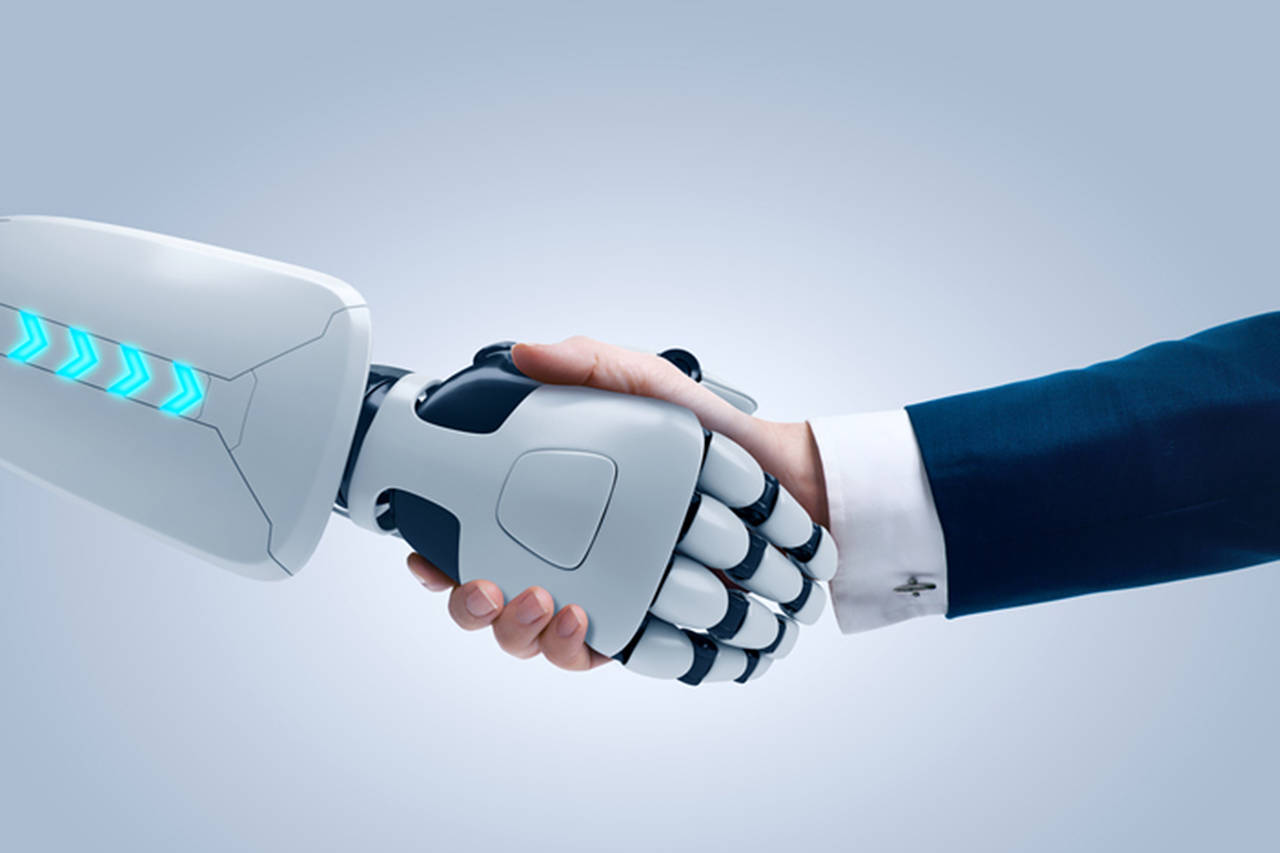
In the rapidly evolving world of technology, one of the most intriguing questions that have emerged is: How do we define the relationship between humans and robots? As robotic systems become more integrated into various aspects of our lives, the nature of this relationship is becoming more complex and nuanced. From industrial robots to personal assistants, and even advanced AI-driven systems in healthcare and education, robots are not just tools; they are evolving into entities that interact with humans in meaningful ways.

This article delves into the different dimensions of the relationship between humans and robots. It explores how this relationship is shaped by technological advancements, cultural perceptions, ethical considerations, and future trends. Ultimately, understanding and defining this relationship is crucial for ensuring a positive and responsible integration of robots into society.

1. The Evolution of Robotics and Human Interaction

Historically, humans have always sought to augment their capabilities through tools and machines. From the invention of the wheel to the advent of the computer, humans have continuously shaped technology to serve their needs. However, the emergence of autonomous robots, powered by artificial intelligence (AI), marks a significant shift. Unlike traditional machines, which perform predefined tasks, modern robots can learn from their environment, make decisions, and even interact with humans in ways that were previously reserved for science fiction.

a. Early Human-Robot Interaction

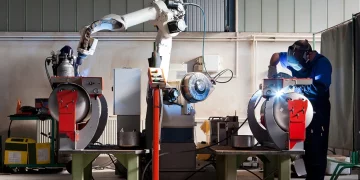
In the early days of robotics, machines were designed solely for efficiency and to perform repetitive tasks. These robots were primarily mechanical systems, operating in factories or research labs, performing tasks such as welding, assembly, and packaging. The relationship between humans and these early robots was purely functional—robots were tools designed to assist in specific tasks, and human-robot interactions were limited to command and control.

b. The Rise of AI and Autonomous Robots

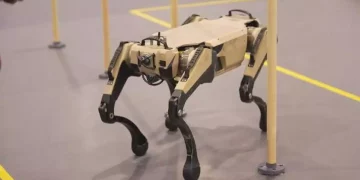
With the rise of artificial intelligence, robots began to evolve from passive tools to active agents capable of making decisions. The development of machine learning and deep learning algorithms enabled robots to process data, recognize patterns, and adapt to new environments. As a result, robots became more interactive, capable of engaging in more dynamic relationships with humans. Examples include social robots that provide companionship or support, healthcare robots that assist with surgery or patient care, and service robots that interact with customers in retail or hospitality settings.

These developments have fundamentally shifted the human-robot dynamic. Robots are no longer just tools; they are collaborators, assistants, and in some cases, companions.

2. The Dimensions of Human-Robot Relationships

To define the relationship between humans and robots, it is essential to consider the multiple dimensions through which this relationship is experienced. These dimensions include:

a. Functional Collaboration

The most common interaction between humans and robots remains functional. Robots perform tasks that are either too dangerous, too complex, or too repetitive for humans to do efficiently. This functional relationship is particularly evident in industries such as manufacturing, where robots can increase productivity, reduce errors, and enhance safety by performing tasks like welding, painting, and assembly.

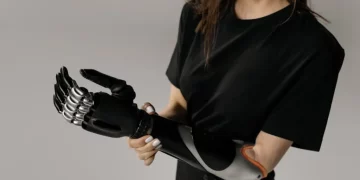
However, the functional relationship is evolving. Modern robots are increasingly capable of collaborating with humans in more flexible environments, such as healthcare, education, and service industries. For example, exoskeleton robots enable people with mobility impairments to walk again, while AI-driven robots can provide real-time medical data to doctors during surgeries.

b. Emotional and Social Connection

As robots become more capable of engaging with humans on an emotional and social level, the relationship takes on a new dimension. Social robots, such as Pepper and Jibo, are designed to engage with humans in emotionally supportive ways. These robots use natural language processing, voice recognition, and facial recognition technologies to interact with users in a manner that mimics human relationships.

The emotional connection is particularly significant in areas such as elderly care, where robots like Paro, a robotic seal designed to comfort elderly patients with dementia, provide emotional support and companionship. These robots are not just tools for physical assistance; they engage with users in a way that addresses emotional needs, creating a bond that transcends functional collaboration.

The question arises: Can robots form genuine emotional bonds with humans? While these robots can simulate emotions, it remains to be seen whether they can truly understand or reciprocate human feelings. This challenge has sparked debates about empathy in artificial intelligence and the ethical implications of creating robots that mimic human emotions.

c. Ethical and Moral Considerations

As robots take on more complex roles, ethical considerations regarding their use and impact on human lives have become increasingly important. The relationship between humans and robots is not just a matter of technology; it involves questions of responsibility, trust, and rights.

  • Autonomy: Should robots be given autonomy in decision-making, especially in situations where their decisions can impact human lives, such as in healthcare or autonomous vehicles?
  • Privacy: Robots, especially those powered by AI, often collect vast amounts of personal data. This raises concerns about how this data is used, who has access to it, and how it is protected.
  • Job Displacement: With robots taking on more tasks traditionally performed by humans, there is a growing concern about job loss and the ethical implications of automation.

The human-robot relationship is deeply intertwined with these ethical issues. As robots take on more human-like roles, it becomes essential to ensure that their actions align with human values and ethical standards.

d. Dependency and Co-Existence

As robots become more integrated into society, humans are increasingly dependent on them for various tasks, from driving cars to managing household chores. This shift raises the question of how much control humans are willing to relinquish to robots. In sectors like manufacturing, healthcare, and transportation, robots play crucial roles in optimizing efficiency and improving outcomes. However, with increased reliance on robots, the risk of dependency emerges. What happens when a robot malfunctions or is no longer available? How do humans manage this dependency?

The co-existence of humans and robots requires a delicate balance of control and autonomy. While robots can enhance human capabilities, it is crucial to maintain oversight to ensure that robots do not replace the need for human judgment and intervention.
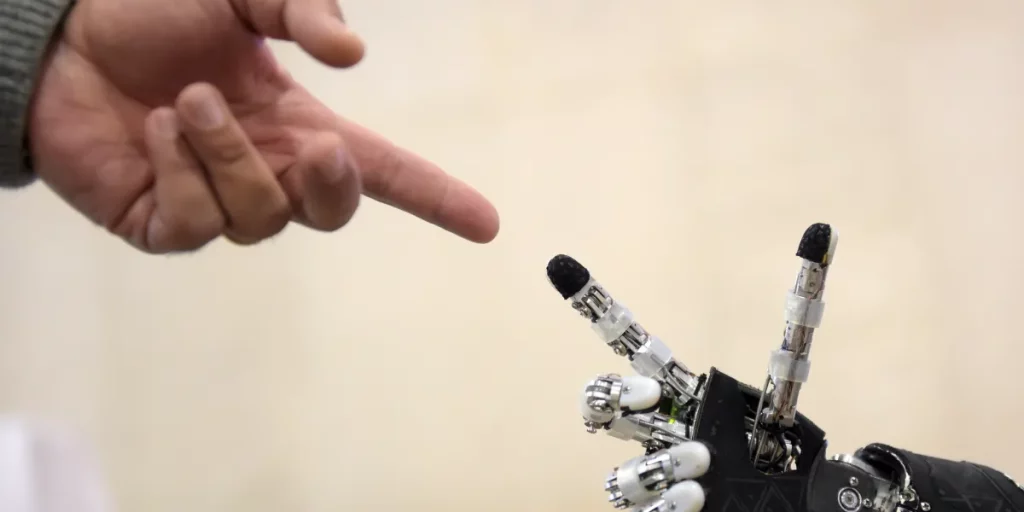
3. The Future of Human-Robot Relationships

Looking ahead, the relationship between humans and robots will continue to evolve in response to technological advancements, societal needs, and ethical challenges. Some key trends include:

a. Collaborative Robots (Cobots)

One of the most promising developments in robotics is the rise of collaborative robots (cobots). These robots are designed to work alongside humans in a shared environment, complementing human abilities and enhancing productivity. Unlike traditional industrial robots, which operate in isolation from humans, cobots are designed with safety features and adaptable programming to work directly with human workers in a range of environments, from factories to hospitals.

Cobots represent a shift from the idea of robots as tools to the concept of robots as partners. As cobots become more prevalent, the human-robot relationship will be defined by collaboration, mutual support, and shared goals.

b. Human-Robot Integration

In the future, robots may be integrated even further into human society, blurring the lines between humans and machines. This could involve advanced brain-machine interfaces (BMIs) that allow humans to control robots directly with their thoughts or even cybernetic enhancements, where humans and robots are interconnected to enhance physical and cognitive abilities.

Such developments raise profound questions about the boundaries of human identity and the ethical implications of merging humans and machines. Transhumanism, the idea that humans can transcend their biological limitations through technology, could radically change how we define the relationship between humans and robots.

c. AI and Autonomous Robots

The rise of AI-driven, autonomous robots will lead to even more dynamic and flexible human-robot relationships. These robots will not only assist with tasks but will be capable of making independent decisions, adapting to new environments, and learning from their interactions with humans. The question of autonomy in robots will become increasingly important, as we must consider how much control we are willing to give to machines and how we will manage the accountability of these machines in decision-making processes.

4. Conclusion

The relationship between humans and robots is complex and multifaceted, encompassing functional, emotional, ethical, and societal dimensions. As robotics technology continues to advance, it is essential to consider the broader implications of this relationship on society, culture, and individual well-being.

To define the relationship between humans and robots, we must balance innovation with responsibility, ensuring that robots are designed and used in ways that align with human values, promote positive social impact, and respect ethical boundaries. The future of this relationship will depend on the decisions made today—how we design robots, how we interact with them, and how we regulate their integration into our lives. Ultimately, the goal should be to cultivate a relationship where robots serve as partners that enhance human life while respecting privacy, autonomy, and dignity.

Tags: IndustryRelationshipRobots
ShareTweetShare

Related Posts

The Application of Robotics and Automated Logistics Systems in Supply Chain Management
Industry

The Application of Robotics and Automated Logistics Systems in Supply Chain Management

December 1, 2025
Collaborative Robots and Human Workers: Enhancing Productivity and Ensuring Worker Safety
Industry

Collaborative Robots and Human Workers: Enhancing Productivity and Ensuring Worker Safety

November 30, 2025
Modern Production Lines: Emphasizing Flexibility and Customization
Industry

Modern Production Lines: Emphasizing Flexibility and Customization

November 29, 2025
The Expanding Role of Robots in Manufacturing: Advancements, Applications, and Future Prospects
Industry

The Expanding Role of Robots in Manufacturing: Advancements, Applications, and Future Prospects

November 28, 2025
Industry 4.0: Revolutionizing Manufacturing with IoT, AI, Robotics, and Big Data
Industry

Industry 4.0: Revolutionizing Manufacturing with IoT, AI, Robotics, and Big Data

November 27, 2025
Smart Manufacturing and Industry 4.0: Revolutionizing the Future of Production
Industry

Smart Manufacturing and Industry 4.0: Revolutionizing the Future of Production

November 26, 2025
Leave Comment
  • Trending
  • Comments
  • Latest
The Revolutionary Impact of Robotics on Disaster Rescue and Environmental Protection

The Revolutionary Impact of Robotics on Disaster Rescue and Environmental Protection

October 20, 2025
Defining the Relationship Between Humans and Robots

Defining the Relationship Between Humans and Robots

October 20, 2025
Biomimetics: A Multidisciplinary Approach to the Future of Robotics and Innovation

Biomimetics: A Multidisciplinary Approach to the Future of Robotics and Innovation

October 20, 2025
The Continuous Evolution of Bionic Robot Technology: A Catalyst for Applications in Complex Environments

The Continuous Evolution of Bionic Robot Technology: A Catalyst for Applications in Complex Environments

October 20, 2025
The Integration of Artificial Intelligence and Human-Computer Interaction

The Integration of Artificial Intelligence and Human-Computer Interaction

Researching How Machines Can Recognize and Understand Human Emotions to Improve the Naturalness of Human-Computer Interaction

Researching How Machines Can Recognize and Understand Human Emotions to Improve the Naturalness of Human-Computer Interaction

AI Can Recognize User Emotions Through Facial Expressions, Voice Tones, and Other Signals and Respond Accordingly

AI Can Recognize User Emotions Through Facial Expressions, Voice Tones, and Other Signals and Respond Accordingly

Voice Assistant Research Drives Breakthroughs in Speech Recognition and Natural Language Understanding

Voice Assistant Research Drives Breakthroughs in Speech Recognition and Natural Language Understanding

Robotics and Societal Change: Smart Cities and Digitalized Living

Robotics and Societal Change: Smart Cities and Digitalized Living

December 1, 2025
How to Improve Robot Flexibility While Ensuring Strength and Durability: A Major Technological Challenge

How to Improve Robot Flexibility While Ensuring Strength and Durability: A Major Technological Challenge

December 1, 2025
The Application of Robotics and Automated Logistics Systems in Supply Chain Management

The Application of Robotics and Automated Logistics Systems in Supply Chain Management

December 1, 2025
Edge Computing: A Key Technology for Real-Time Computer Vision Applications

Edge Computing: A Key Technology for Real-Time Computer Vision Applications

December 1, 2025
AnthroboticsLab

Through expert commentary and deep dives into industry trends and ethical considerations, we bridge the gap between academic research and real-world application, fostering a deeper understanding of our technological future.

© 2025 anthroboticslab.com. contacts:[email protected]

No Result
View All Result
  • Home
  • Research
  • Technology
  • Industry
  • Insights
  • Futures

© 2025 anthroboticslab.com. contacts:[email protected]

Welcome Back!

Login to your account below

Forgotten Password?

Retrieve your password

Please enter your username or email address to reset your password.

Log In