




AnthroboticsLab
  • Home
  • Research
    Soft Robotics: Advancements in Bio-Inspired Flexible Systems

    Soft Robotics: Advancements in Bio-Inspired Flexible Systems

    Autonomous Robots and Reinforcement Learning: Paving the Way for Intelligent Machines

    Autonomous Robots and Reinforcement Learning: Paving the Way for Intelligent Machines

    Designing Adaptive User Interfaces: Enhancing Human-Computer Interaction through Dynamic Interfaces

    Designing Adaptive User Interfaces: Enhancing Human-Computer Interaction through Dynamic Interfaces

    Human-Machine Interaction in Augmented Reality and Virtual Reality: A Comprehensive Exploration

    Human-Machine Interaction in Augmented Reality and Virtual Reality: A Comprehensive Exploration

    Affective Computing and Human-Machine Emotional Interaction: The Future of Emotional AI

    Affective Computing and Human-Machine Emotional Interaction: The Future of Emotional AI

    Researching How Machines Can Understand, Recognize, and Respond to Human Emotions

    Researching How Machines Can Understand, Recognize, and Respond to Human Emotions

  • Technology
    Edge Computing: A Key Technology for Real-Time Computer Vision Applications

    Edge Computing: A Key Technology for Real-Time Computer Vision Applications

    Image Fusion in Computer Vision: Enhancing Scene Understanding Through Multi-Sensor Integration

    Image Fusion in Computer Vision: Enhancing Scene Understanding Through Multi-Sensor Integration

    Sensor Fusion Technology: Achieving High-Precision Environmental Perception in Modern Robotics

    Sensor Fusion Technology: Achieving High-Precision Environmental Perception in Modern Robotics

    3D Vision Reconstruction and Depth Estimation: Foundations, Techniques, and Applications

    3D Vision Reconstruction and Depth Estimation: Foundations, Techniques, and Applications

    Computer Vision: The Foundation of Robotic Perception and Its Broad Applications in Autonomous Driving, Industrial Automation, and Medical Surgery

    Computer Vision: The Foundation of Robotic Perception and Its Broad Applications in Autonomous Driving, Industrial Automation, and Medical Surgery

    Ensuring Robots Do Not Harm Humans While Performing Tasks

    Ensuring Robots Do Not Harm Humans While Performing Tasks

  • Industry
    The Application of Robotics and Automated Logistics Systems in Supply Chain Management

    The Application of Robotics and Automated Logistics Systems in Supply Chain Management

    Collaborative Robots and Human Workers: Enhancing Productivity and Ensuring Worker Safety

    Collaborative Robots and Human Workers: Enhancing Productivity and Ensuring Worker Safety

    Modern Production Lines: Emphasizing Flexibility and Customization

    Modern Production Lines: Emphasizing Flexibility and Customization

    The Expanding Role of Robots in Manufacturing: Advancements, Applications, and Future Prospects

    The Expanding Role of Robots in Manufacturing: Advancements, Applications, and Future Prospects

    Industry 4.0: Revolutionizing Manufacturing with IoT, AI, Robotics, and Big Data

    Industry 4.0: Revolutionizing Manufacturing with IoT, AI, Robotics, and Big Data

    Smart Manufacturing and Industry 4.0: Revolutionizing the Future of Production

    Smart Manufacturing and Industry 4.0: Revolutionizing the Future of Production

  • Insights
    How to Improve Robot Flexibility While Ensuring Strength and Durability: A Major Technological Challenge

    How to Improve Robot Flexibility While Ensuring Strength and Durability: A Major Technological Challenge

    Expert Interview: The Future of Biomimicry in Technology and Innovation

    Expert Interview: The Future of Biomimicry in Technology and Innovation

    Biomimetic Robots: Drawing Inspiration from Nature to Simulate the Behavior and Structure of Plants and Animals

    Biomimetic Robots: Drawing Inspiration from Nature to Simulate the Behavior and Structure of Plants and Animals

    Recent Advances in Flexible Materials and Bionic Muscle Actuation Technologies

    Recent Advances in Flexible Materials and Bionic Muscle Actuation Technologies

    Integrating Artificial Intelligence and Biomimetics: How Bionic Robots in Healthcare Can Provide Personalized Treatment Plans

    Integrating Artificial Intelligence and Biomimetics: How Bionic Robots in Healthcare Can Provide Personalized Treatment Plans

    The Great Potential of Bionic Robots in Neurorehabilitation

    The Great Potential of Bionic Robots in Neurorehabilitation

  • Futures
    Robotics and Societal Change: Smart Cities and Digitalized Living

    Robotics and Societal Change: Smart Cities and Digitalized Living

    The Widespread Application of Robotics: Potential Impact on Traditional Jobs

    The Widespread Application of Robotics: Potential Impact on Traditional Jobs

    Smart Homes and Life Assistants: The Future of Everyday Living

    Smart Homes and Life Assistants: The Future of Everyday Living

    The Expanding Role of Robots in the Service Industry: From Customer Service to Personalized Healthcare

    The Expanding Role of Robots in the Service Industry: From Customer Service to Personalized Healthcare

    Fully Automated Production and Services: The Future of Industry and Innovation

    Fully Automated Production and Services: The Future of Industry and Innovation

    The Future of Robots: From Tools to Understanding, Learning, and Responding to Human Society

    The Future of Robots: From Tools to Understanding, Learning, and Responding to Human Society

AnthroboticsLab
  • Home
  • Research
    Soft Robotics: Advancements in Bio-Inspired Flexible Systems

    Soft Robotics: Advancements in Bio-Inspired Flexible Systems

    Autonomous Robots and Reinforcement Learning: Paving the Way for Intelligent Machines

    Autonomous Robots and Reinforcement Learning: Paving the Way for Intelligent Machines

    Designing Adaptive User Interfaces: Enhancing Human-Computer Interaction through Dynamic Interfaces

    Designing Adaptive User Interfaces: Enhancing Human-Computer Interaction through Dynamic Interfaces

    Human-Machine Interaction in Augmented Reality and Virtual Reality: A Comprehensive Exploration

    Human-Machine Interaction in Augmented Reality and Virtual Reality: A Comprehensive Exploration

    Affective Computing and Human-Machine Emotional Interaction: The Future of Emotional AI

    Affective Computing and Human-Machine Emotional Interaction: The Future of Emotional AI

    Researching How Machines Can Understand, Recognize, and Respond to Human Emotions

    Researching How Machines Can Understand, Recognize, and Respond to Human Emotions

  • Technology
    Edge Computing: A Key Technology for Real-Time Computer Vision Applications

    Edge Computing: A Key Technology for Real-Time Computer Vision Applications

    Image Fusion in Computer Vision: Enhancing Scene Understanding Through Multi-Sensor Integration

    Image Fusion in Computer Vision: Enhancing Scene Understanding Through Multi-Sensor Integration

    Sensor Fusion Technology: Achieving High-Precision Environmental Perception in Modern Robotics

    Sensor Fusion Technology: Achieving High-Precision Environmental Perception in Modern Robotics

    3D Vision Reconstruction and Depth Estimation: Foundations, Techniques, and Applications

    3D Vision Reconstruction and Depth Estimation: Foundations, Techniques, and Applications

    Computer Vision: The Foundation of Robotic Perception and Its Broad Applications in Autonomous Driving, Industrial Automation, and Medical Surgery

    Computer Vision: The Foundation of Robotic Perception and Its Broad Applications in Autonomous Driving, Industrial Automation, and Medical Surgery

    Ensuring Robots Do Not Harm Humans While Performing Tasks

    Ensuring Robots Do Not Harm Humans While Performing Tasks

  • Industry
    The Application of Robotics and Automated Logistics Systems in Supply Chain Management

    The Application of Robotics and Automated Logistics Systems in Supply Chain Management

    Collaborative Robots and Human Workers: Enhancing Productivity and Ensuring Worker Safety

    Collaborative Robots and Human Workers: Enhancing Productivity and Ensuring Worker Safety

    Modern Production Lines: Emphasizing Flexibility and Customization

    Modern Production Lines: Emphasizing Flexibility and Customization

    The Expanding Role of Robots in Manufacturing: Advancements, Applications, and Future Prospects

    The Expanding Role of Robots in Manufacturing: Advancements, Applications, and Future Prospects

    Industry 4.0: Revolutionizing Manufacturing with IoT, AI, Robotics, and Big Data

    Industry 4.0: Revolutionizing Manufacturing with IoT, AI, Robotics, and Big Data

    Smart Manufacturing and Industry 4.0: Revolutionizing the Future of Production

    Smart Manufacturing and Industry 4.0: Revolutionizing the Future of Production

  • Insights
    How to Improve Robot Flexibility While Ensuring Strength and Durability: A Major Technological Challenge

    How to Improve Robot Flexibility While Ensuring Strength and Durability: A Major Technological Challenge

    Expert Interview: The Future of Biomimicry in Technology and Innovation

    Expert Interview: The Future of Biomimicry in Technology and Innovation

    Biomimetic Robots: Drawing Inspiration from Nature to Simulate the Behavior and Structure of Plants and Animals

    Biomimetic Robots: Drawing Inspiration from Nature to Simulate the Behavior and Structure of Plants and Animals

    Recent Advances in Flexible Materials and Bionic Muscle Actuation Technologies

    Recent Advances in Flexible Materials and Bionic Muscle Actuation Technologies

    Integrating Artificial Intelligence and Biomimetics: How Bionic Robots in Healthcare Can Provide Personalized Treatment Plans

    Integrating Artificial Intelligence and Biomimetics: How Bionic Robots in Healthcare Can Provide Personalized Treatment Plans

    The Great Potential of Bionic Robots in Neurorehabilitation

    The Great Potential of Bionic Robots in Neurorehabilitation

  • Futures
    Robotics and Societal Change: Smart Cities and Digitalized Living

    Robotics and Societal Change: Smart Cities and Digitalized Living

    The Widespread Application of Robotics: Potential Impact on Traditional Jobs

    The Widespread Application of Robotics: Potential Impact on Traditional Jobs

    Smart Homes and Life Assistants: The Future of Everyday Living

    Smart Homes and Life Assistants: The Future of Everyday Living

    The Expanding Role of Robots in the Service Industry: From Customer Service to Personalized Healthcare

    The Expanding Role of Robots in the Service Industry: From Customer Service to Personalized Healthcare

    Fully Automated Production and Services: The Future of Industry and Innovation

    Fully Automated Production and Services: The Future of Industry and Innovation

    The Future of Robots: From Tools to Understanding, Learning, and Responding to Human Society

    The Future of Robots: From Tools to Understanding, Learning, and Responding to Human Society

AnthroboticsLab
No Result
View All Result
Home Futures

The Revolutionary Impact of Robotics on Disaster Rescue and Environmental Protection

October 20, 2025
in Futures
The Revolutionary Impact of Robotics on Disaster Rescue and Environmental Protection

In recent years, the rapid advancement of robotic technologies has revolutionized numerous industries, but one of the most significant transformations has occurred in the areas of disaster rescue and environmental protection. Robots, once confined to controlled industrial environments, are now being deployed in real-world emergency scenarios to save lives, aid recovery efforts, and mitigate damage. This article explores how robotics is reshaping these critical fields, examining the technologies behind it, the current and potential applications, and the challenges that need to be addressed for wider adoption.


1. Introduction: Robotics in Crisis Response

The world is increasingly vulnerable to natural disasters and environmental hazards, including earthquakes, floods, wildfires, and industrial accidents. Traditional emergency response often involves significant risk to human life and can be limited by the severity of the conditions. In these circumstances, robots provide a unique solution—delivering precision, autonomy, and safety where human intervention is impractical or impossible.

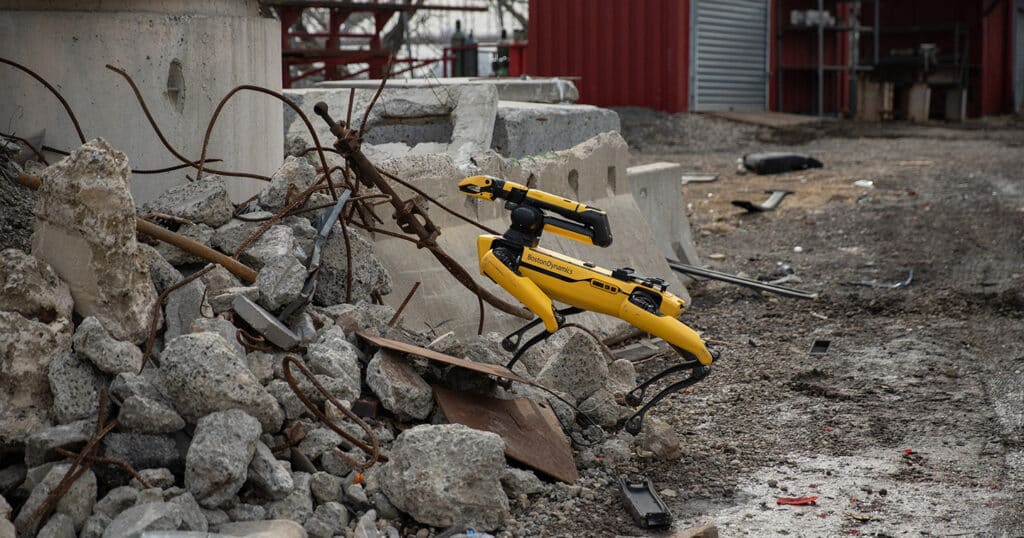
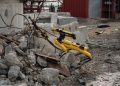
Disaster rescue operations, such as the aftermath of earthquakes, tsunamis, or building collapses, often require reaching survivors in hazardous environments, navigating rubble, or assessing the damage in unsafe locations. Traditional methods of rescue are labor-intensive and fraught with risk, particularly in volatile conditions. Robots equipped with advanced sensors, machine learning algorithms, and autonomous navigation systems are revolutionizing these rescue operations, making them faster, safer, and more efficient.

Environmental protection efforts are no less important. The rise in climate change, pollution, and resource depletion has placed considerable strain on ecosystems and human communities. Robotics is being used to tackle various aspects of environmental monitoring and remediation, from tracking pollution in waterways to monitoring wildlife in remote areas, and even combating climate change by restoring damaged ecosystems.


2. Robotics in Disaster Rescue: Saving Lives in Dangerous Situations

Search and Rescue Robots: A New Age of Response

Search and rescue (SAR) robots are designed to work in environments that are too hazardous or inaccessible for human rescuers. These robots can navigate through rubble, collapsed buildings, or toxic environments, equipped with sensors that allow them to detect heat, gas leaks, motion, and biological signs such as human heartbeats or body temperature.

Key Technologies Enabling SAR Robots:
  • Thermal Cameras: These help robots detect heat signatures, which can be used to identify survivors trapped under debris.
  • LiDAR (Light Detection and Ranging): LiDAR technology allows robots to create detailed 3D maps of their surroundings, which is essential for navigation through damaged structures.
  • Gas and Chemical Sensors: In cases of fires, chemical spills, or gas leaks, these sensors can detect hazardous materials that may pose a risk to human rescuers.
  • Drones: Unmanned aerial vehicles (UAVs) are commonly used in SAR operations, providing real-time aerial views of disaster zones, mapping the terrain, and identifying survivors. Drones equipped with infrared cameras and thermal sensors can identify the heat signatures of victims even under debris or in forested areas after wildfires.
Case Study: The 2011 Fukushima Disaster

During the 2011 Fukushima Daiichi nuclear disaster in Japan, radiation levels were too high for humans to enter the affected areas. Robots equipped with radiation sensors and cameras were deployed to gather critical data about the damage and radiation levels within the reactors. The robots’ autonomous navigation systems allowed them to access areas that were previously inaccessible to humans, proving their value in hazardous conditions. This disaster showcased the potential for robots to reduce human exposure to life-threatening environments.

Robots in Hazardous Environments

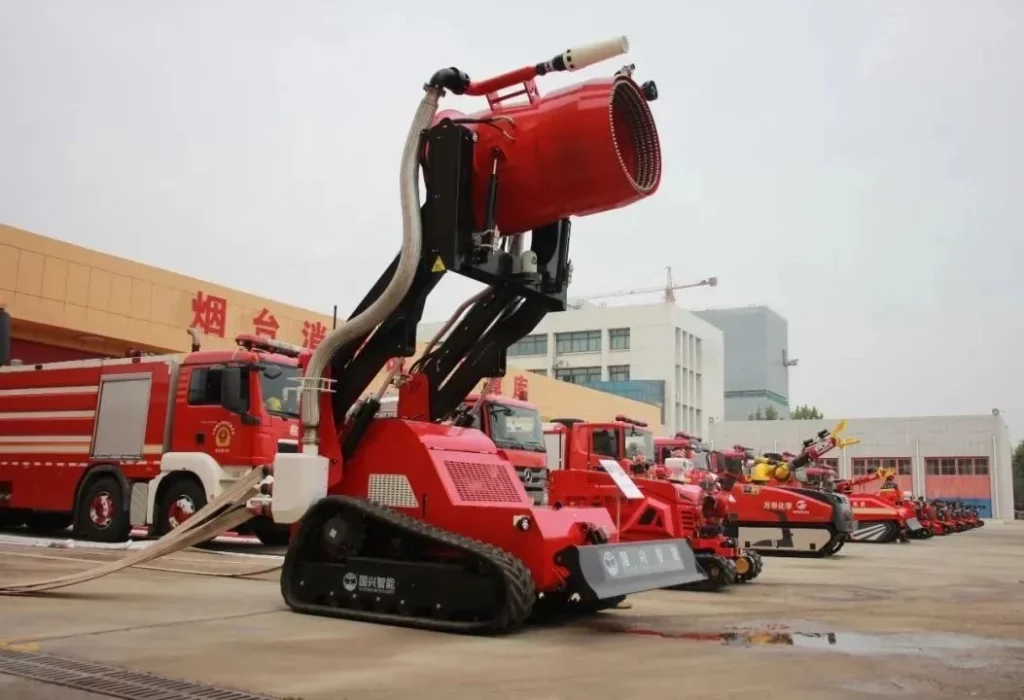
Robots have proven particularly useful in hazardous environments, where human presence may be unsafe. For example, explosive detection robots are used to identify and neutralize unexploded ordnance (UXO) in war zones or after natural disasters. Similarly, in flooded areas or wildfire zones, robots equipped with waterproof sensors and fire-resistant materials can operate in environments too dangerous for humans to approach.

3. Environmental Protection: Robotics for a Sustainable Future

While disaster rescue is about saving lives in urgent situations, environmental protection robotics focuses on long-term sustainability. With the growing challenges posed by climate change, pollution, and ecosystem degradation, robots are playing an increasingly vital role in mitigating the impact of human activity on the environment.

Environmental Monitoring: Real-Time Data Collection

Robots are enabling better environmental monitoring by providing real-time data that can guide decision-making and policy. For example, robots equipped with sensors that measure air quality, soil conditions, and water pollution can be deployed to continuously monitor regions prone to pollution or ecological destruction.

Key Technologies for Environmental Protection Robots:
  • Drones for Aerial Monitoring: Drones are capable of collecting data from hard-to-reach areas, such as forests, rivers, and oceans. They are used to monitor forest fires, track illegal logging activities, or monitor wildlife populations.
  • Underwater Robots: Submersible robots, or ROVs (remotely operated vehicles), are used to explore and monitor underwater ecosystems, track pollution in oceans, and assess the health of coral reefs.
  • Biodegradable Robots: These robots are designed to perform tasks in the environment, such as cleaning up oil spills, without leaving a lasting impact. Their biodegradability ensures that they don’t contribute to the pollution they aim to solve.

Robots in Wildlife Conservation

Robots are being increasingly used in wildlife conservation efforts. For example, autonomous ground robots and drones are helping track endangered species, monitor illegal poaching, and even plant trees in areas that are critical for maintaining biodiversity. Robots with AI systems can recognize individual animals, study their behaviors, and help researchers gather data without disturbing the natural habitat.

Case Study: Ocean Cleanup Project

In one ambitious project aimed at cleaning the oceans, autonomous robots are being used to remove plastic waste from the Great Pacific Garbage Patch. These robots use specialized filters to collect plastic debris and safely remove it from the ocean, which is a key part of the effort to reduce ocean pollution and protect marine life.


4. The Future of Robotics in Disaster Rescue and Environmental Protection

While robots are already making a significant impact in disaster relief and environmental protection, future advancements promise to enhance their capabilities and expand their applications.

AI and Machine Learning in Robotics

As robots become more autonomous, the integration of artificial intelligence (AI) and machine learning (ML) will allow them to make real-time decisions in disaster and environmental contexts. AI algorithms can help robots predict the behavior of natural disasters, such as fires, floods, or earthquakes, and make dynamic decisions about where to deploy resources most effectively. In environmental contexts, AI can enable robots to recognize patterns and assess long-term trends in environmental data.

Swarming Robots: Collective Intelligence

One of the most exciting developments in robotics is the use of swarming robots. This involves deploying multiple robots that work together as a collective, sharing information and completing tasks that would be impossible for a single robot to accomplish. For example, swarming drones can survey vast areas after a disaster, gather data, and assist in rescue efforts in real-time, providing a level of coverage and precision that a single human team could not achieve.


5. Challenges and Considerations

Despite the promising advancements, the use of robotics in disaster rescue and environmental protection faces several challenges:

  • Reliability in Extreme Conditions: Robots must be designed to function in highly dynamic and dangerous environments, such as after an earthquake or in a wildfire. Ensuring that they are robust enough to withstand extreme temperatures, heavy radiation, or underwater pressures remains a challenge.
  • Cost: High-quality rescue and environmental robots often come with a hefty price tag. The affordability and accessibility of these technologies remain a barrier to their widespread deployment in low-resource regions.
  • Ethical and Legal Issues: The use of robots in sensitive areas raises ethical and legal concerns. For instance, in disaster zones, there may be a need for ensuring that robots do not interfere with human efforts or create unintended consequences. Similarly, autonomous robots conducting environmental cleanup might face regulatory hurdles regarding safety and environmental impact.

6. Conclusion: The Transformative Power of Robotics

The integration of robotics into disaster rescue and environmental protection is undoubtedly a game-changer. Robots not only improve the efficiency and safety of rescue missions but also offer innovative solutions to long-standing environmental challenges. As the technology continues to evolve, we can expect robots to play an even more integral role in tackling some of the most pressing issues facing humanity today.

By embracing the potential of robotics and addressing the challenges associated with their use, society can unlock a future where robots are valuable allies in protecting human life, the environment, and the planet. The continued investment in robotic innovation will undoubtedly shape a more resilient, sustainable, and safe world for generations to come.
Tags: FuturesRescueRobotics
ShareTweetShare

Related Posts

Robotics and Societal Change: Smart Cities and Digitalized Living
Futures

Robotics and Societal Change: Smart Cities and Digitalized Living

December 1, 2025
The Widespread Application of Robotics: Potential Impact on Traditional Jobs
Futures

The Widespread Application of Robotics: Potential Impact on Traditional Jobs

November 30, 2025
Smart Homes and Life Assistants: The Future of Everyday Living
Futures

Smart Homes and Life Assistants: The Future of Everyday Living

November 29, 2025
The Expanding Role of Robots in the Service Industry: From Customer Service to Personalized Healthcare
Futures

The Expanding Role of Robots in the Service Industry: From Customer Service to Personalized Healthcare

November 28, 2025
Fully Automated Production and Services: The Future of Industry and Innovation
Futures

Fully Automated Production and Services: The Future of Industry and Innovation

November 27, 2025
The Future of Robots: From Tools to Understanding, Learning, and Responding to Human Society
Futures

The Future of Robots: From Tools to Understanding, Learning, and Responding to Human Society

November 26, 2025
Leave Comment
  • Trending
  • Comments
  • Latest
The Revolutionary Impact of Robotics on Disaster Rescue and Environmental Protection

The Revolutionary Impact of Robotics on Disaster Rescue and Environmental Protection

October 20, 2025
Defining the Relationship Between Humans and Robots

Defining the Relationship Between Humans and Robots

October 20, 2025
Biomimetics: A Multidisciplinary Approach to the Future of Robotics and Innovation

Biomimetics: A Multidisciplinary Approach to the Future of Robotics and Innovation

October 20, 2025
The Continuous Evolution of Bionic Robot Technology: A Catalyst for Applications in Complex Environments

The Continuous Evolution of Bionic Robot Technology: A Catalyst for Applications in Complex Environments

October 20, 2025
The Integration of Artificial Intelligence and Human-Computer Interaction

The Integration of Artificial Intelligence and Human-Computer Interaction

Researching How Machines Can Recognize and Understand Human Emotions to Improve the Naturalness of Human-Computer Interaction

Researching How Machines Can Recognize and Understand Human Emotions to Improve the Naturalness of Human-Computer Interaction

AI Can Recognize User Emotions Through Facial Expressions, Voice Tones, and Other Signals and Respond Accordingly

AI Can Recognize User Emotions Through Facial Expressions, Voice Tones, and Other Signals and Respond Accordingly

Voice Assistant Research Drives Breakthroughs in Speech Recognition and Natural Language Understanding

Voice Assistant Research Drives Breakthroughs in Speech Recognition and Natural Language Understanding

Robotics and Societal Change: Smart Cities and Digitalized Living

Robotics and Societal Change: Smart Cities and Digitalized Living

December 1, 2025
How to Improve Robot Flexibility While Ensuring Strength and Durability: A Major Technological Challenge

How to Improve Robot Flexibility While Ensuring Strength and Durability: A Major Technological Challenge

December 1, 2025
The Application of Robotics and Automated Logistics Systems in Supply Chain Management

The Application of Robotics and Automated Logistics Systems in Supply Chain Management

December 1, 2025
Edge Computing: A Key Technology for Real-Time Computer Vision Applications

Edge Computing: A Key Technology for Real-Time Computer Vision Applications

December 1, 2025
AnthroboticsLab

Through expert commentary and deep dives into industry trends and ethical considerations, we bridge the gap between academic research and real-world application, fostering a deeper understanding of our technological future.

© 2025 anthroboticslab.com. contacts:[email protected]

No Result
View All Result
  • Home
  • Research
  • Technology
  • Industry
  • Insights
  • Futures

© 2025 anthroboticslab.com. contacts:[email protected]

Welcome Back!

Login to your account below

Forgotten Password?

Retrieve your password

Please enter your username or email address to reset your password.

Log In