





AnthroboticsLab
  • Home
  • Research
    Soft Robotics: Advancements in Bio-Inspired Flexible Systems

    Soft Robotics: Advancements in Bio-Inspired Flexible Systems

    Autonomous Robots and Reinforcement Learning: Paving the Way for Intelligent Machines

    Autonomous Robots and Reinforcement Learning: Paving the Way for Intelligent Machines

    Designing Adaptive User Interfaces: Enhancing Human-Computer Interaction through Dynamic Interfaces

    Designing Adaptive User Interfaces: Enhancing Human-Computer Interaction through Dynamic Interfaces

    Human-Machine Interaction in Augmented Reality and Virtual Reality: A Comprehensive Exploration

    Human-Machine Interaction in Augmented Reality and Virtual Reality: A Comprehensive Exploration

    Affective Computing and Human-Machine Emotional Interaction: The Future of Emotional AI

    Affective Computing and Human-Machine Emotional Interaction: The Future of Emotional AI

    Researching How Machines Can Understand, Recognize, and Respond to Human Emotions

    Researching How Machines Can Understand, Recognize, and Respond to Human Emotions

  • Technology
    Edge Computing: A Key Technology for Real-Time Computer Vision Applications

    Edge Computing: A Key Technology for Real-Time Computer Vision Applications

    Image Fusion in Computer Vision: Enhancing Scene Understanding Through Multi-Sensor Integration

    Image Fusion in Computer Vision: Enhancing Scene Understanding Through Multi-Sensor Integration

    Sensor Fusion Technology: Achieving High-Precision Environmental Perception in Modern Robotics

    Sensor Fusion Technology: Achieving High-Precision Environmental Perception in Modern Robotics

    3D Vision Reconstruction and Depth Estimation: Foundations, Techniques, and Applications

    3D Vision Reconstruction and Depth Estimation: Foundations, Techniques, and Applications

    Computer Vision: The Foundation of Robotic Perception and Its Broad Applications in Autonomous Driving, Industrial Automation, and Medical Surgery

    Computer Vision: The Foundation of Robotic Perception and Its Broad Applications in Autonomous Driving, Industrial Automation, and Medical Surgery

    Ensuring Robots Do Not Harm Humans While Performing Tasks

    Ensuring Robots Do Not Harm Humans While Performing Tasks

  • Industry
    The Application of Robotics and Automated Logistics Systems in Supply Chain Management

    The Application of Robotics and Automated Logistics Systems in Supply Chain Management

    Collaborative Robots and Human Workers: Enhancing Productivity and Ensuring Worker Safety

    Collaborative Robots and Human Workers: Enhancing Productivity and Ensuring Worker Safety

    Modern Production Lines: Emphasizing Flexibility and Customization

    Modern Production Lines: Emphasizing Flexibility and Customization

    The Expanding Role of Robots in Manufacturing: Advancements, Applications, and Future Prospects

    The Expanding Role of Robots in Manufacturing: Advancements, Applications, and Future Prospects

    Industry 4.0: Revolutionizing Manufacturing with IoT, AI, Robotics, and Big Data

    Industry 4.0: Revolutionizing Manufacturing with IoT, AI, Robotics, and Big Data

    Smart Manufacturing and Industry 4.0: Revolutionizing the Future of Production

    Smart Manufacturing and Industry 4.0: Revolutionizing the Future of Production

  • Insights
    How to Improve Robot Flexibility While Ensuring Strength and Durability: A Major Technological Challenge

    How to Improve Robot Flexibility While Ensuring Strength and Durability: A Major Technological Challenge

    Expert Interview: The Future of Biomimicry in Technology and Innovation

    Expert Interview: The Future of Biomimicry in Technology and Innovation

    Biomimetic Robots: Drawing Inspiration from Nature to Simulate the Behavior and Structure of Plants and Animals

    Biomimetic Robots: Drawing Inspiration from Nature to Simulate the Behavior and Structure of Plants and Animals

    Recent Advances in Flexible Materials and Bionic Muscle Actuation Technologies

    Recent Advances in Flexible Materials and Bionic Muscle Actuation Technologies

    Integrating Artificial Intelligence and Biomimetics: How Bionic Robots in Healthcare Can Provide Personalized Treatment Plans

    Integrating Artificial Intelligence and Biomimetics: How Bionic Robots in Healthcare Can Provide Personalized Treatment Plans

    The Great Potential of Bionic Robots in Neurorehabilitation

    The Great Potential of Bionic Robots in Neurorehabilitation

  • Futures
    Robotics and Societal Change: Smart Cities and Digitalized Living

    Robotics and Societal Change: Smart Cities and Digitalized Living

    The Widespread Application of Robotics: Potential Impact on Traditional Jobs

    The Widespread Application of Robotics: Potential Impact on Traditional Jobs

    Smart Homes and Life Assistants: The Future of Everyday Living

    Smart Homes and Life Assistants: The Future of Everyday Living

    The Expanding Role of Robots in the Service Industry: From Customer Service to Personalized Healthcare

    The Expanding Role of Robots in the Service Industry: From Customer Service to Personalized Healthcare

    Fully Automated Production and Services: The Future of Industry and Innovation

    Fully Automated Production and Services: The Future of Industry and Innovation

    The Future of Robots: From Tools to Understanding, Learning, and Responding to Human Society

    The Future of Robots: From Tools to Understanding, Learning, and Responding to Human Society

AnthroboticsLab
  • Home
  • Research
    Soft Robotics: Advancements in Bio-Inspired Flexible Systems

    Soft Robotics: Advancements in Bio-Inspired Flexible Systems

    Autonomous Robots and Reinforcement Learning: Paving the Way for Intelligent Machines

    Autonomous Robots and Reinforcement Learning: Paving the Way for Intelligent Machines

    Designing Adaptive User Interfaces: Enhancing Human-Computer Interaction through Dynamic Interfaces

    Designing Adaptive User Interfaces: Enhancing Human-Computer Interaction through Dynamic Interfaces

    Human-Machine Interaction in Augmented Reality and Virtual Reality: A Comprehensive Exploration

    Human-Machine Interaction in Augmented Reality and Virtual Reality: A Comprehensive Exploration

    Affective Computing and Human-Machine Emotional Interaction: The Future of Emotional AI

    Affective Computing and Human-Machine Emotional Interaction: The Future of Emotional AI

    Researching How Machines Can Understand, Recognize, and Respond to Human Emotions

    Researching How Machines Can Understand, Recognize, and Respond to Human Emotions

  • Technology
    Edge Computing: A Key Technology for Real-Time Computer Vision Applications

    Edge Computing: A Key Technology for Real-Time Computer Vision Applications

    Image Fusion in Computer Vision: Enhancing Scene Understanding Through Multi-Sensor Integration

    Image Fusion in Computer Vision: Enhancing Scene Understanding Through Multi-Sensor Integration

    Sensor Fusion Technology: Achieving High-Precision Environmental Perception in Modern Robotics

    Sensor Fusion Technology: Achieving High-Precision Environmental Perception in Modern Robotics

    3D Vision Reconstruction and Depth Estimation: Foundations, Techniques, and Applications

    3D Vision Reconstruction and Depth Estimation: Foundations, Techniques, and Applications

    Computer Vision: The Foundation of Robotic Perception and Its Broad Applications in Autonomous Driving, Industrial Automation, and Medical Surgery

    Computer Vision: The Foundation of Robotic Perception and Its Broad Applications in Autonomous Driving, Industrial Automation, and Medical Surgery

    Ensuring Robots Do Not Harm Humans While Performing Tasks

    Ensuring Robots Do Not Harm Humans While Performing Tasks

  • Industry
    The Application of Robotics and Automated Logistics Systems in Supply Chain Management

    The Application of Robotics and Automated Logistics Systems in Supply Chain Management

    Collaborative Robots and Human Workers: Enhancing Productivity and Ensuring Worker Safety

    Collaborative Robots and Human Workers: Enhancing Productivity and Ensuring Worker Safety

    Modern Production Lines: Emphasizing Flexibility and Customization

    Modern Production Lines: Emphasizing Flexibility and Customization

    The Expanding Role of Robots in Manufacturing: Advancements, Applications, and Future Prospects

    The Expanding Role of Robots in Manufacturing: Advancements, Applications, and Future Prospects

    Industry 4.0: Revolutionizing Manufacturing with IoT, AI, Robotics, and Big Data

    Industry 4.0: Revolutionizing Manufacturing with IoT, AI, Robotics, and Big Data

    Smart Manufacturing and Industry 4.0: Revolutionizing the Future of Production

    Smart Manufacturing and Industry 4.0: Revolutionizing the Future of Production

  • Insights
    How to Improve Robot Flexibility While Ensuring Strength and Durability: A Major Technological Challenge

    How to Improve Robot Flexibility While Ensuring Strength and Durability: A Major Technological Challenge

    Expert Interview: The Future of Biomimicry in Technology and Innovation

    Expert Interview: The Future of Biomimicry in Technology and Innovation

    Biomimetic Robots: Drawing Inspiration from Nature to Simulate the Behavior and Structure of Plants and Animals

    Biomimetic Robots: Drawing Inspiration from Nature to Simulate the Behavior and Structure of Plants and Animals

    Recent Advances in Flexible Materials and Bionic Muscle Actuation Technologies

    Recent Advances in Flexible Materials and Bionic Muscle Actuation Technologies

    Integrating Artificial Intelligence and Biomimetics: How Bionic Robots in Healthcare Can Provide Personalized Treatment Plans

    Integrating Artificial Intelligence and Biomimetics: How Bionic Robots in Healthcare Can Provide Personalized Treatment Plans

    The Great Potential of Bionic Robots in Neurorehabilitation

    The Great Potential of Bionic Robots in Neurorehabilitation

  • Futures
    Robotics and Societal Change: Smart Cities and Digitalized Living

    Robotics and Societal Change: Smart Cities and Digitalized Living

    The Widespread Application of Robotics: Potential Impact on Traditional Jobs

    The Widespread Application of Robotics: Potential Impact on Traditional Jobs

    Smart Homes and Life Assistants: The Future of Everyday Living

    Smart Homes and Life Assistants: The Future of Everyday Living

    The Expanding Role of Robots in the Service Industry: From Customer Service to Personalized Healthcare

    The Expanding Role of Robots in the Service Industry: From Customer Service to Personalized Healthcare

    Fully Automated Production and Services: The Future of Industry and Innovation

    Fully Automated Production and Services: The Future of Industry and Innovation

    The Future of Robots: From Tools to Understanding, Learning, and Responding to Human Society

    The Future of Robots: From Tools to Understanding, Learning, and Responding to Human Society

AnthroboticsLab
No Result
View All Result
Home Industry

The Application of Robotics and Automated Logistics Systems in Supply Chain Management

December 1, 2025
in Industry
The Application of Robotics and Automated Logistics Systems in Supply Chain Management

Introduction

In recent years, robotics and automation technologies have increasingly become central to the transformation of supply chain management. As global markets demand faster, more efficient, and cost-effective solutions, businesses across industries are embracing automated solutions to optimize their logistics, warehousing, and inventory management processes. In particular, robotic systems and automated logistics have emerged as key players in achieving these goals, driving operational efficiencies and creating new paradigms for how goods are stored, handled, and distributed.

This article explores the growing role of robotic technologies and automated logistics systems in supply chain management. We will discuss how these systems are being integrated into various stages of the supply chain, the technologies that power them, and the significant impact they have on the efficiency, scalability, and cost-effectiveness of supply chain operations.


The Evolution of Supply Chain Management

1. Traditional Supply Chain Models

Historically, supply chain management involved a series of linear steps from raw material procurement, manufacturing, warehousing, and distribution to the final customer. Each step was typically handled manually or with minimal automation, relying heavily on human labor, paper-based records, and standardized processes. However, this model often faced limitations in terms of speed, flexibility, accuracy, and scalability.

The demand for real-time data, global supply chains, and the increasing complexity of operations required a shift toward more integrated and automated solutions. Companies began adopting technologies that could streamline and automate individual processes, reducing human error, increasing throughput, and improving customer satisfaction.

2. Modern Supply Chain Technologies

In the last two decades, a wide array of technologies has been developed to optimize supply chain operations:

  • Enterprise Resource Planning (ERP) Systems: Software solutions that help manage everything from procurement to distribution and customer service.
  • Radio Frequency Identification (RFID): Technology that allows for real-time tracking of goods in transit and in storage.
  • Warehouse Management Systems (WMS): Tools that help automate inventory control, order fulfillment, and storage management.

However, robotics and automated logistics represent a major leap forward by automating critical parts of the physical supply chain, such as order picking, sorting, and transportation.


Robotics in Supply Chain Management

1. Warehouse Robotics

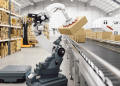
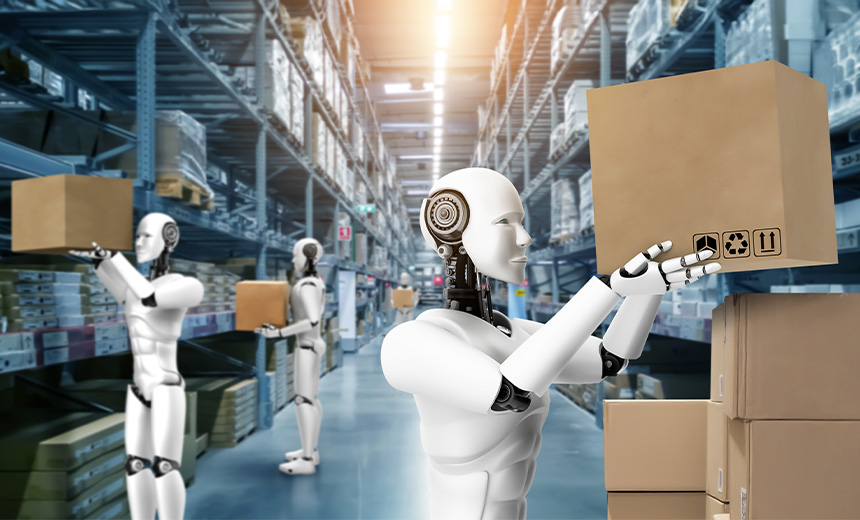
Robots in warehousing and distribution centers are transforming how goods are stored, retrieved, and shipped. Automated systems not only increase the speed of operations but also improve accuracy, safety, and labor efficiency. The most common types of warehouse robots include:

A. Automated Guided Vehicles (AGVs)

AGVs are mobile robots designed to transport materials within a warehouse. These robots follow predetermined paths using sensors, lasers, and magnetic strips to navigate the warehouse floor, delivering items to different locations. In large warehouses, AGVs can reduce the time and cost involved in transporting goods between different parts of the facility.

B. Robotic Arms

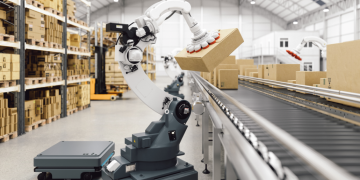
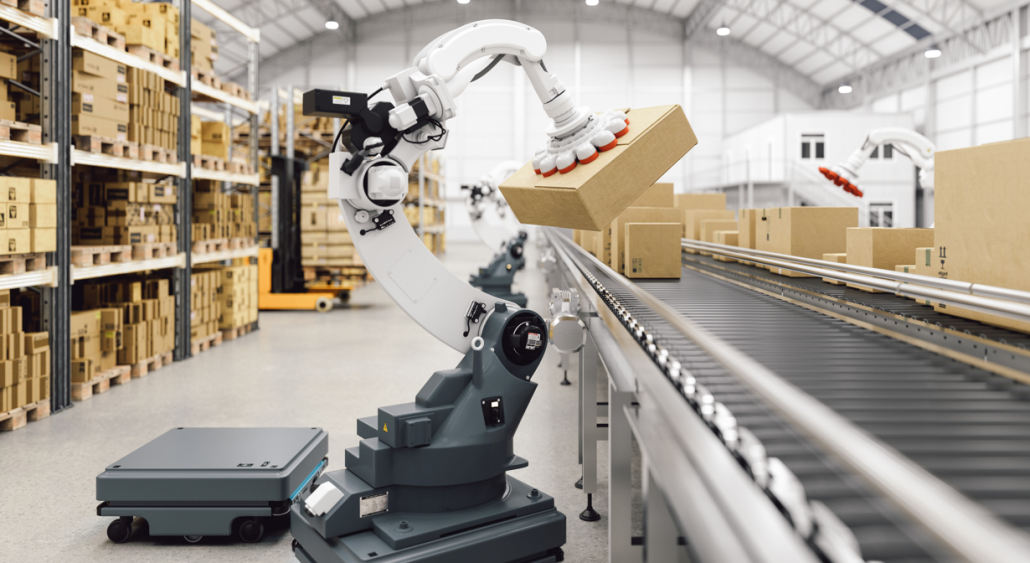
Robotic arms are used for order picking and sorting tasks. Equipped with specialized grippers, robotic arms can pick up objects of various shapes and sizes, place them into containers, and transport them to the next stage of the supply chain. Robotic arms are typically used for high-volume, repetitive tasks where precision and speed are required, such as sorting packages for outbound shipments.

C. Autonomous Mobile Robots (AMRs)

AMRs are similar to AGVs but are more advanced in terms of navigation. Unlike AGVs, which are often restricted to specific paths, AMRs can navigate more flexibly within a warehouse. These robots use a combination of sensors, cameras, and artificial intelligence to map out their environment and find the most efficient route to pick up and deliver items.

2. Robotic Picking Systems

One of the most important advancements in warehouse robotics is robotic picking. Robotic picking systems are designed to automatically select and retrieve items from shelves or storage bins. These systems use computer vision, gripping technology, and machine learning algorithms to identify and handle various items, whether small or bulky, fragile or durable.

Key benefits of robotic picking systems include:

  • Increased speed and accuracy in order fulfillment.
  • Reduction in human labor costs and the risk of injury from repetitive manual tasks.
  • 24/7 operations with minimal downtime, enhancing throughput.

3. Collaborative Robots (Cobots)

Unlike traditional industrial robots, which are typically designed to work in isolation, cobots are designed to work alongside human workers. Cobots assist in tasks such as packing, sorting, and lifting by providing physical support, allowing human workers to focus on more complex or decision-based tasks. These robots help to bridge the gap between automation and human labor, making them an ideal solution for warehouses and distribution centers looking to maximize efficiency while maintaining flexibility.


Automated Logistics Systems

1. Automated Sorting Systems

Sorting is a critical step in the supply chain process, especially in environments like parcel handling and logistics. Automated sorting systems use robotic arms, conveyors, and computer vision to identify, categorize, and direct packages to their designated destinations. These systems are capable of processing thousands of items per hour, improving throughput and reducing the chances of errors that can occur with manual sorting.

In addition, automated sortation systems allow for:

  • Faster turnaround times for packages.
  • Improved inventory tracking and reduced errors.
  • Reduced labor costs associated with manual sorting.

2. Automated Guided Vehicles (AGVs) in Logistics

In logistics, AGVs are used to transport materials not only in warehouses but also in distribution centers, ports, and manufacturing plants. These vehicles help in the loading and unloading of goods, reducing the time spent manually transporting heavy or bulky items.

In distribution centers, AGVs automate the movement of products between receiving areas, storage zones, and outbound shipping docks, improving overall supply chain efficiency.

3. Last-Mile Delivery

One of the most promising applications of robotics in supply chain management is in last-mile delivery, which refers to the final leg of the delivery journey from a local distribution hub to the customer’s doorstep. With the increasing demand for faster and more cost-effective delivery, robots are being deployed to handle last-mile logistics. Autonomous delivery robots and drones are being tested and rolled out in various urban environments to carry out last-mile deliveries.

These autonomous vehicles reduce the dependency on human delivery drivers, help to reduce traffic congestion, and lower delivery costs. They also help companies offer same-day or on-demand delivery services.


Integration of AI and Data Analytics in Robotics and Automation

The effectiveness of robots and automated logistics systems is significantly enhanced when integrated with artificial intelligence (AI) and data analytics. These technologies enable systems to make intelligent decisions, predict future needs, and adapt to changing conditions in real-time.

1. AI in Robotics

AI enables robots to perform more sophisticated tasks by allowing them to learn from their environment, recognize patterns, and adapt their behavior accordingly. In computer vision systems, AI allows robots to identify and classify items, navigate complex environments, and even detect defects or damage in products.

In warehouse robotics, AI helps systems to optimize their paths, predict when items are running low, and adjust operations for maximum efficiency.

2. Predictive Analytics in Supply Chain Automation

Predictive analytics plays a crucial role in optimizing supply chain operations. By analyzing large datasets generated by robots, sensors, and IoT devices, companies can predict demand fluctuations, forecast inventory needs, and even identify potential bottlenecks before they occur. This proactive approach enables businesses to make data-driven decisions and improve overall supply chain performance.

Benefits of Robotics and Automation in Supply Chain Management

1. Improved Efficiency and Productivity

The automation of routine tasks, such as picking, sorting, and transporting goods, leads to faster processing times and higher throughput. Robots can work continuously, 24/7, without breaks, allowing businesses to meet demand in a timelier manner.

2. Cost Reduction

The reduction in human labor costs is one of the most significant advantages of robotics and automation. By automating labor-intensive tasks, businesses can lower operational costs, reduce errors, and improve consistency across the supply chain.

3. Enhanced Accuracy and Reliability

Robots, guided by AI systems, are less prone to human errors and can perform tasks with a high degree of accuracy. This leads to fewer mistakes in order fulfillment, fewer damaged goods, and a more reliable supply chain overall.

4. Increased Flexibility

Robotics and automated systems can be adapted to various types of workflows, allowing companies to scale operations up or down based on demand. For example, robotic systems can easily handle seasonal spikes in orders or adjust to changes in product types and sizes.


Challenges and Considerations

1. High Initial Investment

While robotics and automation systems can yield substantial long-term savings, the initial cost of installation and integration can be high. Companies must carefully assess the return on investment (ROI) and plan for long-term benefits.

2. Workforce Transition

As automation becomes more prevalent, businesses must address the potential displacement of workers. It is crucial to invest in retraining and reskilling programs to help employees transition to more strategic roles that require human insight and creativity.

3. Security and Privacy

The increased use of IoT devices and connected robots brings about concerns regarding data security and privacy. Ensuring that systems are secure and resilient against cyber threats is paramount as the automation of supply chains continues to evolve.


Conclusion

The integration of robotics and automated logistics systems is transforming the landscape of supply chain management. With advancements in AI, robotics, and data analytics, companies can achieve greater operational efficiency, reduce costs, and enhance overall service quality. As the technology continues to evolve, automation will play an even larger role in shaping the future of supply chains, ultimately driving businesses toward greater agility, scalability, and competitiveness in the global market.
Tags: ApplicationIndustryRobotics
ShareTweetShare

Related Posts

Collaborative Robots and Human Workers: Enhancing Productivity and Ensuring Worker Safety
Industry

Collaborative Robots and Human Workers: Enhancing Productivity and Ensuring Worker Safety

November 30, 2025
Modern Production Lines: Emphasizing Flexibility and Customization
Industry

Modern Production Lines: Emphasizing Flexibility and Customization

November 29, 2025
The Expanding Role of Robots in Manufacturing: Advancements, Applications, and Future Prospects
Industry

The Expanding Role of Robots in Manufacturing: Advancements, Applications, and Future Prospects

November 28, 2025
Industry 4.0: Revolutionizing Manufacturing with IoT, AI, Robotics, and Big Data
Industry

Industry 4.0: Revolutionizing Manufacturing with IoT, AI, Robotics, and Big Data

November 27, 2025
Smart Manufacturing and Industry 4.0: Revolutionizing the Future of Production
Industry

Smart Manufacturing and Industry 4.0: Revolutionizing the Future of Production

November 26, 2025
Robotics Technology in Automated Manufacturing: Business Applications and Impact
Industry

Robotics Technology in Automated Manufacturing: Business Applications and Impact

November 25, 2025
Leave Comment
  • Trending
  • Comments
  • Latest
The Revolutionary Impact of Robotics on Disaster Rescue and Environmental Protection

The Revolutionary Impact of Robotics on Disaster Rescue and Environmental Protection

October 20, 2025
Defining the Relationship Between Humans and Robots

Defining the Relationship Between Humans and Robots

October 20, 2025
Biomimetics: A Multidisciplinary Approach to the Future of Robotics and Innovation

Biomimetics: A Multidisciplinary Approach to the Future of Robotics and Innovation

October 20, 2025
The Continuous Evolution of Bionic Robot Technology: A Catalyst for Applications in Complex Environments

The Continuous Evolution of Bionic Robot Technology: A Catalyst for Applications in Complex Environments

October 20, 2025
The Integration of Artificial Intelligence and Human-Computer Interaction

The Integration of Artificial Intelligence and Human-Computer Interaction

Researching How Machines Can Recognize and Understand Human Emotions to Improve the Naturalness of Human-Computer Interaction

Researching How Machines Can Recognize and Understand Human Emotions to Improve the Naturalness of Human-Computer Interaction

AI Can Recognize User Emotions Through Facial Expressions, Voice Tones, and Other Signals and Respond Accordingly

AI Can Recognize User Emotions Through Facial Expressions, Voice Tones, and Other Signals and Respond Accordingly

Voice Assistant Research Drives Breakthroughs in Speech Recognition and Natural Language Understanding

Voice Assistant Research Drives Breakthroughs in Speech Recognition and Natural Language Understanding

Robotics and Societal Change: Smart Cities and Digitalized Living

Robotics and Societal Change: Smart Cities and Digitalized Living

December 1, 2025
How to Improve Robot Flexibility While Ensuring Strength and Durability: A Major Technological Challenge

How to Improve Robot Flexibility While Ensuring Strength and Durability: A Major Technological Challenge

December 1, 2025
The Application of Robotics and Automated Logistics Systems in Supply Chain Management

The Application of Robotics and Automated Logistics Systems in Supply Chain Management

December 1, 2025
Edge Computing: A Key Technology for Real-Time Computer Vision Applications

Edge Computing: A Key Technology for Real-Time Computer Vision Applications

December 1, 2025
AnthroboticsLab

Through expert commentary and deep dives into industry trends and ethical considerations, we bridge the gap between academic research and real-world application, fostering a deeper understanding of our technological future.

© 2025 anthroboticslab.com. contacts:[email protected]

No Result
View All Result
  • Home
  • Research
  • Technology
  • Industry
  • Insights
  • Futures

© 2025 anthroboticslab.com. contacts:[email protected]

Welcome Back!

Login to your account below

Forgotten Password?

Retrieve your password

Please enter your username or email address to reset your password.

Log In