


AnthroboticsLab
  • Home
  • Research
    Soft Robotics: Advancements in Bio-Inspired Flexible Systems

    Soft Robotics: Advancements in Bio-Inspired Flexible Systems

    Autonomous Robots and Reinforcement Learning: Paving the Way for Intelligent Machines

    Autonomous Robots and Reinforcement Learning: Paving the Way for Intelligent Machines

    Designing Adaptive User Interfaces: Enhancing Human-Computer Interaction through Dynamic Interfaces

    Designing Adaptive User Interfaces: Enhancing Human-Computer Interaction through Dynamic Interfaces

    Human-Machine Interaction in Augmented Reality and Virtual Reality: A Comprehensive Exploration

    Human-Machine Interaction in Augmented Reality and Virtual Reality: A Comprehensive Exploration

    Affective Computing and Human-Machine Emotional Interaction: The Future of Emotional AI

    Affective Computing and Human-Machine Emotional Interaction: The Future of Emotional AI

    Researching How Machines Can Understand, Recognize, and Respond to Human Emotions

    Researching How Machines Can Understand, Recognize, and Respond to Human Emotions

  • Technology
    Edge Computing: A Key Technology for Real-Time Computer Vision Applications

    Edge Computing: A Key Technology for Real-Time Computer Vision Applications

    Image Fusion in Computer Vision: Enhancing Scene Understanding Through Multi-Sensor Integration

    Image Fusion in Computer Vision: Enhancing Scene Understanding Through Multi-Sensor Integration

    Sensor Fusion Technology: Achieving High-Precision Environmental Perception in Modern Robotics

    Sensor Fusion Technology: Achieving High-Precision Environmental Perception in Modern Robotics

    3D Vision Reconstruction and Depth Estimation: Foundations, Techniques, and Applications

    3D Vision Reconstruction and Depth Estimation: Foundations, Techniques, and Applications

    Computer Vision: The Foundation of Robotic Perception and Its Broad Applications in Autonomous Driving, Industrial Automation, and Medical Surgery

    Computer Vision: The Foundation of Robotic Perception and Its Broad Applications in Autonomous Driving, Industrial Automation, and Medical Surgery

    Ensuring Robots Do Not Harm Humans While Performing Tasks

    Ensuring Robots Do Not Harm Humans While Performing Tasks

  • Industry
    The Application of Robotics and Automated Logistics Systems in Supply Chain Management

    The Application of Robotics and Automated Logistics Systems in Supply Chain Management

    Collaborative Robots and Human Workers: Enhancing Productivity and Ensuring Worker Safety

    Collaborative Robots and Human Workers: Enhancing Productivity and Ensuring Worker Safety

    Modern Production Lines: Emphasizing Flexibility and Customization

    Modern Production Lines: Emphasizing Flexibility and Customization

    The Expanding Role of Robots in Manufacturing: Advancements, Applications, and Future Prospects

    The Expanding Role of Robots in Manufacturing: Advancements, Applications, and Future Prospects

    Industry 4.0: Revolutionizing Manufacturing with IoT, AI, Robotics, and Big Data

    Industry 4.0: Revolutionizing Manufacturing with IoT, AI, Robotics, and Big Data

    Smart Manufacturing and Industry 4.0: Revolutionizing the Future of Production

    Smart Manufacturing and Industry 4.0: Revolutionizing the Future of Production

  • Insights
    How to Improve Robot Flexibility While Ensuring Strength and Durability: A Major Technological Challenge

    How to Improve Robot Flexibility While Ensuring Strength and Durability: A Major Technological Challenge

    Expert Interview: The Future of Biomimicry in Technology and Innovation

    Expert Interview: The Future of Biomimicry in Technology and Innovation

    Biomimetic Robots: Drawing Inspiration from Nature to Simulate the Behavior and Structure of Plants and Animals

    Biomimetic Robots: Drawing Inspiration from Nature to Simulate the Behavior and Structure of Plants and Animals

    Recent Advances in Flexible Materials and Bionic Muscle Actuation Technologies

    Recent Advances in Flexible Materials and Bionic Muscle Actuation Technologies

    Integrating Artificial Intelligence and Biomimetics: How Bionic Robots in Healthcare Can Provide Personalized Treatment Plans

    Integrating Artificial Intelligence and Biomimetics: How Bionic Robots in Healthcare Can Provide Personalized Treatment Plans

    The Great Potential of Bionic Robots in Neurorehabilitation

    The Great Potential of Bionic Robots in Neurorehabilitation

  • Futures
    Robotics and Societal Change: Smart Cities and Digitalized Living

    Robotics and Societal Change: Smart Cities and Digitalized Living

    The Widespread Application of Robotics: Potential Impact on Traditional Jobs

    The Widespread Application of Robotics: Potential Impact on Traditional Jobs

    Smart Homes and Life Assistants: The Future of Everyday Living

    Smart Homes and Life Assistants: The Future of Everyday Living

    The Expanding Role of Robots in the Service Industry: From Customer Service to Personalized Healthcare

    The Expanding Role of Robots in the Service Industry: From Customer Service to Personalized Healthcare

    Fully Automated Production and Services: The Future of Industry and Innovation

    Fully Automated Production and Services: The Future of Industry and Innovation

    The Future of Robots: From Tools to Understanding, Learning, and Responding to Human Society

    The Future of Robots: From Tools to Understanding, Learning, and Responding to Human Society

AnthroboticsLab
  • Home
  • Research
    Soft Robotics: Advancements in Bio-Inspired Flexible Systems

    Soft Robotics: Advancements in Bio-Inspired Flexible Systems

    Autonomous Robots and Reinforcement Learning: Paving the Way for Intelligent Machines

    Autonomous Robots and Reinforcement Learning: Paving the Way for Intelligent Machines

    Designing Adaptive User Interfaces: Enhancing Human-Computer Interaction through Dynamic Interfaces

    Designing Adaptive User Interfaces: Enhancing Human-Computer Interaction through Dynamic Interfaces

    Human-Machine Interaction in Augmented Reality and Virtual Reality: A Comprehensive Exploration

    Human-Machine Interaction in Augmented Reality and Virtual Reality: A Comprehensive Exploration

    Affective Computing and Human-Machine Emotional Interaction: The Future of Emotional AI

    Affective Computing and Human-Machine Emotional Interaction: The Future of Emotional AI

    Researching How Machines Can Understand, Recognize, and Respond to Human Emotions

    Researching How Machines Can Understand, Recognize, and Respond to Human Emotions

  • Technology
    Edge Computing: A Key Technology for Real-Time Computer Vision Applications

    Edge Computing: A Key Technology for Real-Time Computer Vision Applications

    Image Fusion in Computer Vision: Enhancing Scene Understanding Through Multi-Sensor Integration

    Image Fusion in Computer Vision: Enhancing Scene Understanding Through Multi-Sensor Integration

    Sensor Fusion Technology: Achieving High-Precision Environmental Perception in Modern Robotics

    Sensor Fusion Technology: Achieving High-Precision Environmental Perception in Modern Robotics

    3D Vision Reconstruction and Depth Estimation: Foundations, Techniques, and Applications

    3D Vision Reconstruction and Depth Estimation: Foundations, Techniques, and Applications

    Computer Vision: The Foundation of Robotic Perception and Its Broad Applications in Autonomous Driving, Industrial Automation, and Medical Surgery

    Computer Vision: The Foundation of Robotic Perception and Its Broad Applications in Autonomous Driving, Industrial Automation, and Medical Surgery

    Ensuring Robots Do Not Harm Humans While Performing Tasks

    Ensuring Robots Do Not Harm Humans While Performing Tasks

  • Industry
    The Application of Robotics and Automated Logistics Systems in Supply Chain Management

    The Application of Robotics and Automated Logistics Systems in Supply Chain Management

    Collaborative Robots and Human Workers: Enhancing Productivity and Ensuring Worker Safety

    Collaborative Robots and Human Workers: Enhancing Productivity and Ensuring Worker Safety

    Modern Production Lines: Emphasizing Flexibility and Customization

    Modern Production Lines: Emphasizing Flexibility and Customization

    The Expanding Role of Robots in Manufacturing: Advancements, Applications, and Future Prospects

    The Expanding Role of Robots in Manufacturing: Advancements, Applications, and Future Prospects

    Industry 4.0: Revolutionizing Manufacturing with IoT, AI, Robotics, and Big Data

    Industry 4.0: Revolutionizing Manufacturing with IoT, AI, Robotics, and Big Data

    Smart Manufacturing and Industry 4.0: Revolutionizing the Future of Production

    Smart Manufacturing and Industry 4.0: Revolutionizing the Future of Production

  • Insights
    How to Improve Robot Flexibility While Ensuring Strength and Durability: A Major Technological Challenge

    How to Improve Robot Flexibility While Ensuring Strength and Durability: A Major Technological Challenge

    Expert Interview: The Future of Biomimicry in Technology and Innovation

    Expert Interview: The Future of Biomimicry in Technology and Innovation

    Biomimetic Robots: Drawing Inspiration from Nature to Simulate the Behavior and Structure of Plants and Animals

    Biomimetic Robots: Drawing Inspiration from Nature to Simulate the Behavior and Structure of Plants and Animals

    Recent Advances in Flexible Materials and Bionic Muscle Actuation Technologies

    Recent Advances in Flexible Materials and Bionic Muscle Actuation Technologies

    Integrating Artificial Intelligence and Biomimetics: How Bionic Robots in Healthcare Can Provide Personalized Treatment Plans

    Integrating Artificial Intelligence and Biomimetics: How Bionic Robots in Healthcare Can Provide Personalized Treatment Plans

    The Great Potential of Bionic Robots in Neurorehabilitation

    The Great Potential of Bionic Robots in Neurorehabilitation

  • Futures
    Robotics and Societal Change: Smart Cities and Digitalized Living

    Robotics and Societal Change: Smart Cities and Digitalized Living

    The Widespread Application of Robotics: Potential Impact on Traditional Jobs

    The Widespread Application of Robotics: Potential Impact on Traditional Jobs

    Smart Homes and Life Assistants: The Future of Everyday Living

    Smart Homes and Life Assistants: The Future of Everyday Living

    The Expanding Role of Robots in the Service Industry: From Customer Service to Personalized Healthcare

    The Expanding Role of Robots in the Service Industry: From Customer Service to Personalized Healthcare

    Fully Automated Production and Services: The Future of Industry and Innovation

    Fully Automated Production and Services: The Future of Industry and Innovation

    The Future of Robots: From Tools to Understanding, Learning, and Responding to Human Society

    The Future of Robots: From Tools to Understanding, Learning, and Responding to Human Society

AnthroboticsLab
No Result
View All Result
Home Technology

The Integration of Autonomous Driving Technology and Robotics: A Growing Trend

October 16, 2025
in Technology
The Integration of Autonomous Driving Technology and Robotics: A Growing Trend

Introduction

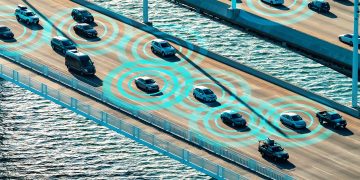
The rapid evolution of autonomous driving technology and robotics is shaping the future of transportation, logistics, and a wide array of industries. As both fields mature, their convergence is becoming an increasingly popular topic of research and development. Autonomous vehicles (AVs), which utilize robotics, artificial intelligence (AI), machine learning, and sophisticated sensors to navigate the environment without human intervention, represent the pinnacle of this fusion.

The integration of robotics into self-driving cars opens up new possibilities not only for the automotive industry but also for delivery services, public transport, and even healthcare. By combining autonomous driving technology with robotics, we are poised to create smarter, safer, and more efficient systems that could revolutionize the way we live and work.

This article delves into the current state of autonomous driving technology, the role of robotics in this development, the challenges and opportunities presented by this integration, and the potential impact on various industries.

Understanding Autonomous Driving Technology

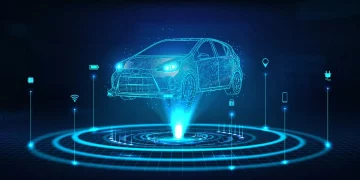
Autonomous driving technology refers to the systems and sensors that enable vehicles to drive themselves without the need for human input. These systems rely on a combination of machine learning, artificial intelligence, sensor fusion, and robotics to interpret the environment, make decisions, and control the vehicle. The goal is to eliminate the need for a human driver while ensuring safety, efficiency, and smooth operation.

Autonomous vehicles can be classified into several levels of automation, as defined by the Society of Automotive Engineers (SAE):

  • Level 0: No automation (human driver).
  • Level 1: Driver assistance (e.g., cruise control).
  • Level 2: Partial automation (e.g., self-parking, lane-keeping).
  • Level 3: Conditional automation (vehicle can handle some driving tasks but driver must be ready to take over).
  • Level 4: High automation (vehicle can drive itself under certain conditions, but a human driver may still be required).
  • Level 5: Full automation (no human intervention required at any time).

Current advancements are primarily focused on achieving Level 4 and Level 5 autonomy, where vehicles can navigate complex environments with minimal human oversight.

Role of Robotics in Autonomous Driving

The integration of robotics technology into autonomous vehicles is pivotal to the advancement of self-driving systems. Robotics plays a crucial role in enabling the vehicle to physically interact with the environment, perform precise maneuvers, and ensure safe navigation.

Several aspects of robotics are directly applicable to autonomous driving:

1. Perception and Sensing

Robots rely heavily on sensors to perceive their environment, and autonomous vehicles are no different. The sensor suite of an AV typically includes LIDAR, radar, cameras, and ultrasonic sensors that work together to provide real-time data about the surrounding environment.

  • LIDAR (Light Detection and Ranging): LIDAR provides high-resolution, three-dimensional maps of the vehicle’s environment, detecting objects and their distances. It is particularly useful for object detection, even in low visibility conditions like fog or rain.
  • Cameras: Cameras provide visual data, which is crucial for detecting traffic lights, road signs, pedestrians, and other vehicles. Computer vision algorithms process the data to identify and classify objects.
  • Radar: Radar helps detect the speed and distance of objects, especially in poor weather conditions. It is vital for collision avoidance and adaptive cruise control.
  • Ultrasonic Sensors: These sensors are typically used for detecting close-range objects during parking or low-speed maneuvers.

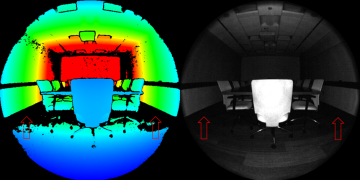
By fusing data from these sensors, autonomous vehicles can create a comprehensive understanding of their environment, similar to how robots use perception to understand their surroundings.

2. Motion Planning and Control

In robotics, motion planning refers to the process of determining a path or trajectory that the robot will take to move from one point to another while avoiding obstacles. Autonomous vehicles face similar challenges in motion planning as they need to navigate traffic, pedestrians, and dynamic environments.

Key aspects of motion planning in autonomous driving include:

  • Trajectory Generation: Autonomous vehicles must compute a safe and efficient trajectory, taking into account factors such as road curvature, traffic, and pedestrian movement.
  • Path Optimization: The robot or AV must adjust its path in real-time to avoid obstacles or re-route in case of unexpected events.
  • Vehicle Control: After planning the trajectory, the vehicle must control its speed, steering, and braking systems to follow the path.

These motion planning algorithms ensure that the vehicle moves smoothly and safely, much like how robotic arms or mobile robots perform tasks in industrial or service environments.

3. Artificial Intelligence (AI) and Machine Learning

Autonomous driving heavily depends on artificial intelligence (AI), particularly machine learning. AI allows AVs to learn from experience and improve their decision-making abilities over time. For instance, a self-driving car might recognize a pedestrian for the first time and then adapt its behavior accordingly.

  • Computer Vision: Machine learning algorithms enable computers to “see” and understand images, helping AVs identify objects, lanes, traffic signs, and other important environmental factors.
  • Reinforcement Learning: AVs can use reinforcement learning algorithms to improve their decision-making processes by constantly evaluating outcomes based on previous actions.
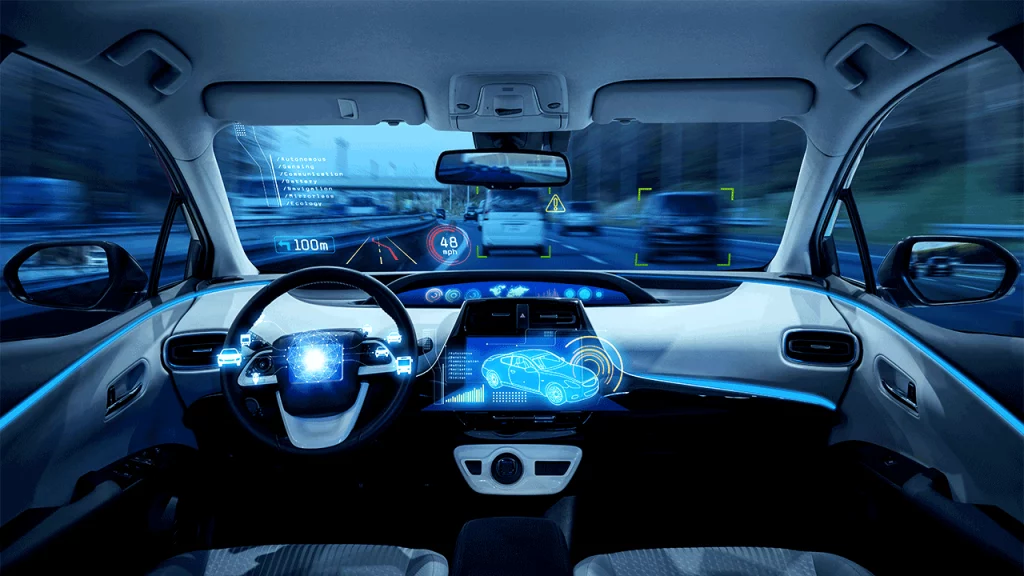
  • Sensor Fusion: AI helps combine data from various sensors (e.g., cameras, LIDAR, radar) to create a unified understanding of the vehicle’s environment. This enables the car to react to complex situations with greater accuracy and precision.
4. Human-Robot Interaction (HRI)

As AVs are designed to interact with humans—whether it’s passengers or pedestrians—the concept of human-robot interaction (HRI) plays a significant role. Robotics technology provides tools for creating natural interactions between humans and machines. For autonomous vehicles, this includes:

  • Communication Systems: AVs are equipped with systems that allow them to communicate with pedestrians and other vehicles, using signals, displays, or even verbal communication.
  • Safety Protocols: Similar to robots in industrial settings, AVs must have fail-safes and emergency protocols to ensure human safety in the event of a malfunction.
  • User Experience: Just as collaborative robots (cobots) are designed to be intuitive and user-friendly, AVs are developed with user-centered design principles that make interactions with the vehicle seamless.

5. Autonomy and Reliability

Robotics technology ensures that autonomous vehicles are highly reliable, with redundancy systems built in to prevent failures. For instance, robots often employ backup systems to maintain operation even if one part of the system fails. Similarly, AVs rely on redundant sensors, power systems, and communication protocols to ensure continuous operation.

Challenges of Integrating Robotics and Autonomous Driving

While the integration of robotics and autonomous driving presents tremendous opportunities, several challenges remain:

1. Safety Concerns

Safety is the primary concern in both autonomous driving and robotics. Self-driving cars must be able to make decisions that protect human lives, including detecting and reacting to obstacles, understanding the intent of pedestrians, and handling unpredictable situations. Additionally, robots in AV systems must operate reliably, even in the presence of hardware or software malfunctions.

2. Ethical and Legal Issues

As autonomous vehicles become more widespread, issues surrounding liability, ethics, and regulation will become more complex. Who is responsible if an autonomous vehicle causes an accident? How do we ensure that AVs make ethical decisions in critical situations, such as the classic trolley problem?

3. Technological Limitations

Current technologies still have limitations, such as sensor limitations (e.g., LIDAR is expensive, and cameras may struggle in low-light conditions), and edge case scenarios (e.g., unusual road conditions or rare events) that challenge machine learning systems. Ensuring robustness in all environments is a key research challenge.

4. Public Acceptance

As autonomous vehicles become more mainstream, public acceptance will be a significant hurdle. People must trust that AVs are safe, reliable, and capable of handling complex real-world scenarios. Similarly, there is a need to instill confidence in the integration of robots within the broader social fabric.

Future Impact and Applications

The fusion of autonomous driving technology and robotics holds immense promise for the future, not only in transportation but in other areas as well.

1. Logistics and Delivery

Self-driving delivery vehicles and robotic delivery drones could transform the logistics industry. Companies like Amazon, Google, and others are already testing autonomous delivery solutions that reduce costs and increase delivery speed. Robotics technology will play a pivotal role in ensuring that these systems operate efficiently and safely.

2. Healthcare

Autonomous vehicles combined with robotics could revolutionize healthcare delivery, particularly for elderly or disabled individuals. AVs could serve as mobile health clinics, carrying robotic medical assistants that help with diagnostics, care, and remote consultations.

3. Urban Mobility

The integration of autonomous vehicles and robotics can contribute to smart cities, where transportation systems are optimized, congestion is reduced, and public transport is more efficient. Robotic taxis, buses, and shuttles could provide on-demand services, drastically improving mobility and access in urban centers.

4. Disaster Relief and Exploration

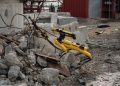
Autonomous vehicles, combined with robotics, can play crucial roles in environments that are too dangerous or remote for humans. In disaster relief situations or space exploration missions, autonomous robots and vehicles can navigate hazardous areas, perform search-and-rescue tasks, and gather critical information.

Conclusion

The fusion of autonomous driving technology and robotics represents one of the most exciting technological advancements of the 21st century. As autonomous vehicles become more capable of navigating complex environments with minimal human intervention, the integration of robotics enhances their ability to perceive, plan, and act in real-time. However, the challenges of safety, ethics, legal issues, and public acceptance remain, making continued research and development critical.

With the advent of autonomous vehicles and the ongoing advancements in robotics, the future promises a world where intelligent machines can enhance the safety, efficiency, and quality of human life, making transportation more sustainable, inclusive, and efficient.
Tags: Autonomous DrivingRobotics TechnologyTechnology
ShareTweetShare

Related Posts

Edge Computing: A Key Technology for Real-Time Computer Vision Applications
Technology

Edge Computing: A Key Technology for Real-Time Computer Vision Applications

December 1, 2025
Image Fusion in Computer Vision: Enhancing Scene Understanding Through Multi-Sensor Integration
Technology

Image Fusion in Computer Vision: Enhancing Scene Understanding Through Multi-Sensor Integration

November 30, 2025
Sensor Fusion Technology: Achieving High-Precision Environmental Perception in Modern Robotics
Technology

Sensor Fusion Technology: Achieving High-Precision Environmental Perception in Modern Robotics

November 29, 2025
3D Vision Reconstruction and Depth Estimation: Foundations, Techniques, and Applications
Technology

3D Vision Reconstruction and Depth Estimation: Foundations, Techniques, and Applications

November 28, 2025
Computer Vision: The Foundation of Robotic Perception and Its Broad Applications in Autonomous Driving, Industrial Automation, and Medical Surgery
Technology

Computer Vision: The Foundation of Robotic Perception and Its Broad Applications in Autonomous Driving, Industrial Automation, and Medical Surgery

November 27, 2025
Ensuring Robots Do Not Harm Humans While Performing Tasks
Technology

Ensuring Robots Do Not Harm Humans While Performing Tasks

November 26, 2025
Leave Comment
  • Trending
  • Comments
  • Latest
The Revolutionary Impact of Robotics on Disaster Rescue and Environmental Protection

The Revolutionary Impact of Robotics on Disaster Rescue and Environmental Protection

October 20, 2025
Defining the Relationship Between Humans and Robots

Defining the Relationship Between Humans and Robots

October 20, 2025
Biomimetics: A Multidisciplinary Approach to the Future of Robotics and Innovation

Biomimetics: A Multidisciplinary Approach to the Future of Robotics and Innovation

October 20, 2025
The Continuous Evolution of Bionic Robot Technology: A Catalyst for Applications in Complex Environments

The Continuous Evolution of Bionic Robot Technology: A Catalyst for Applications in Complex Environments

October 20, 2025
The Integration of Artificial Intelligence and Human-Computer Interaction

The Integration of Artificial Intelligence and Human-Computer Interaction

Researching How Machines Can Recognize and Understand Human Emotions to Improve the Naturalness of Human-Computer Interaction

Researching How Machines Can Recognize and Understand Human Emotions to Improve the Naturalness of Human-Computer Interaction

AI Can Recognize User Emotions Through Facial Expressions, Voice Tones, and Other Signals and Respond Accordingly

AI Can Recognize User Emotions Through Facial Expressions, Voice Tones, and Other Signals and Respond Accordingly

Voice Assistant Research Drives Breakthroughs in Speech Recognition and Natural Language Understanding

Voice Assistant Research Drives Breakthroughs in Speech Recognition and Natural Language Understanding

Robotics and Societal Change: Smart Cities and Digitalized Living

Robotics and Societal Change: Smart Cities and Digitalized Living

December 1, 2025
How to Improve Robot Flexibility While Ensuring Strength and Durability: A Major Technological Challenge

How to Improve Robot Flexibility While Ensuring Strength and Durability: A Major Technological Challenge

December 1, 2025
The Application of Robotics and Automated Logistics Systems in Supply Chain Management

The Application of Robotics and Automated Logistics Systems in Supply Chain Management

December 1, 2025
Edge Computing: A Key Technology for Real-Time Computer Vision Applications

Edge Computing: A Key Technology for Real-Time Computer Vision Applications

December 1, 2025
AnthroboticsLab

Through expert commentary and deep dives into industry trends and ethical considerations, we bridge the gap between academic research and real-world application, fostering a deeper understanding of our technological future.

© 2025 anthroboticslab.com. contacts:[email protected]

No Result
View All Result
  • Home
  • Research
  • Technology
  • Industry
  • Insights
  • Futures

© 2025 anthroboticslab.com. contacts:[email protected]

Welcome Back!

Login to your account below

Forgotten Password?

Retrieve your password

Please enter your username or email address to reset your password.

Log In