


AnthroboticsLab
  • Home
  • Research
    Soft Robotics: Advancements in Bio-Inspired Flexible Systems

    Soft Robotics: Advancements in Bio-Inspired Flexible Systems

    Autonomous Robots and Reinforcement Learning: Paving the Way for Intelligent Machines

    Autonomous Robots and Reinforcement Learning: Paving the Way for Intelligent Machines

    Designing Adaptive User Interfaces: Enhancing Human-Computer Interaction through Dynamic Interfaces

    Designing Adaptive User Interfaces: Enhancing Human-Computer Interaction through Dynamic Interfaces

    Human-Machine Interaction in Augmented Reality and Virtual Reality: A Comprehensive Exploration

    Human-Machine Interaction in Augmented Reality and Virtual Reality: A Comprehensive Exploration

    Affective Computing and Human-Machine Emotional Interaction: The Future of Emotional AI

    Affective Computing and Human-Machine Emotional Interaction: The Future of Emotional AI

    Researching How Machines Can Understand, Recognize, and Respond to Human Emotions

    Researching How Machines Can Understand, Recognize, and Respond to Human Emotions

  • Technology
    Edge Computing: A Key Technology for Real-Time Computer Vision Applications

    Edge Computing: A Key Technology for Real-Time Computer Vision Applications

    Image Fusion in Computer Vision: Enhancing Scene Understanding Through Multi-Sensor Integration

    Image Fusion in Computer Vision: Enhancing Scene Understanding Through Multi-Sensor Integration

    Sensor Fusion Technology: Achieving High-Precision Environmental Perception in Modern Robotics

    Sensor Fusion Technology: Achieving High-Precision Environmental Perception in Modern Robotics

    3D Vision Reconstruction and Depth Estimation: Foundations, Techniques, and Applications

    3D Vision Reconstruction and Depth Estimation: Foundations, Techniques, and Applications

    Computer Vision: The Foundation of Robotic Perception and Its Broad Applications in Autonomous Driving, Industrial Automation, and Medical Surgery

    Computer Vision: The Foundation of Robotic Perception and Its Broad Applications in Autonomous Driving, Industrial Automation, and Medical Surgery

    Ensuring Robots Do Not Harm Humans While Performing Tasks

    Ensuring Robots Do Not Harm Humans While Performing Tasks

  • Industry
    The Application of Robotics and Automated Logistics Systems in Supply Chain Management

    The Application of Robotics and Automated Logistics Systems in Supply Chain Management

    Collaborative Robots and Human Workers: Enhancing Productivity and Ensuring Worker Safety

    Collaborative Robots and Human Workers: Enhancing Productivity and Ensuring Worker Safety

    Modern Production Lines: Emphasizing Flexibility and Customization

    Modern Production Lines: Emphasizing Flexibility and Customization

    The Expanding Role of Robots in Manufacturing: Advancements, Applications, and Future Prospects

    The Expanding Role of Robots in Manufacturing: Advancements, Applications, and Future Prospects

    Industry 4.0: Revolutionizing Manufacturing with IoT, AI, Robotics, and Big Data

    Industry 4.0: Revolutionizing Manufacturing with IoT, AI, Robotics, and Big Data

    Smart Manufacturing and Industry 4.0: Revolutionizing the Future of Production

    Smart Manufacturing and Industry 4.0: Revolutionizing the Future of Production

  • Insights
    How to Improve Robot Flexibility While Ensuring Strength and Durability: A Major Technological Challenge

    How to Improve Robot Flexibility While Ensuring Strength and Durability: A Major Technological Challenge

    Expert Interview: The Future of Biomimicry in Technology and Innovation

    Expert Interview: The Future of Biomimicry in Technology and Innovation

    Biomimetic Robots: Drawing Inspiration from Nature to Simulate the Behavior and Structure of Plants and Animals

    Biomimetic Robots: Drawing Inspiration from Nature to Simulate the Behavior and Structure of Plants and Animals

    Recent Advances in Flexible Materials and Bionic Muscle Actuation Technologies

    Recent Advances in Flexible Materials and Bionic Muscle Actuation Technologies

    Integrating Artificial Intelligence and Biomimetics: How Bionic Robots in Healthcare Can Provide Personalized Treatment Plans

    Integrating Artificial Intelligence and Biomimetics: How Bionic Robots in Healthcare Can Provide Personalized Treatment Plans

    The Great Potential of Bionic Robots in Neurorehabilitation

    The Great Potential of Bionic Robots in Neurorehabilitation

  • Futures
    Robotics and Societal Change: Smart Cities and Digitalized Living

    Robotics and Societal Change: Smart Cities and Digitalized Living

    The Widespread Application of Robotics: Potential Impact on Traditional Jobs

    The Widespread Application of Robotics: Potential Impact on Traditional Jobs

    Smart Homes and Life Assistants: The Future of Everyday Living

    Smart Homes and Life Assistants: The Future of Everyday Living

    The Expanding Role of Robots in the Service Industry: From Customer Service to Personalized Healthcare

    The Expanding Role of Robots in the Service Industry: From Customer Service to Personalized Healthcare

    Fully Automated Production and Services: The Future of Industry and Innovation

    Fully Automated Production and Services: The Future of Industry and Innovation

    The Future of Robots: From Tools to Understanding, Learning, and Responding to Human Society

    The Future of Robots: From Tools to Understanding, Learning, and Responding to Human Society

AnthroboticsLab
  • Home
  • Research
    Soft Robotics: Advancements in Bio-Inspired Flexible Systems

    Soft Robotics: Advancements in Bio-Inspired Flexible Systems

    Autonomous Robots and Reinforcement Learning: Paving the Way for Intelligent Machines

    Autonomous Robots and Reinforcement Learning: Paving the Way for Intelligent Machines

    Designing Adaptive User Interfaces: Enhancing Human-Computer Interaction through Dynamic Interfaces

    Designing Adaptive User Interfaces: Enhancing Human-Computer Interaction through Dynamic Interfaces

    Human-Machine Interaction in Augmented Reality and Virtual Reality: A Comprehensive Exploration

    Human-Machine Interaction in Augmented Reality and Virtual Reality: A Comprehensive Exploration

    Affective Computing and Human-Machine Emotional Interaction: The Future of Emotional AI

    Affective Computing and Human-Machine Emotional Interaction: The Future of Emotional AI

    Researching How Machines Can Understand, Recognize, and Respond to Human Emotions

    Researching How Machines Can Understand, Recognize, and Respond to Human Emotions

  • Technology
    Edge Computing: A Key Technology for Real-Time Computer Vision Applications

    Edge Computing: A Key Technology for Real-Time Computer Vision Applications

    Image Fusion in Computer Vision: Enhancing Scene Understanding Through Multi-Sensor Integration

    Image Fusion in Computer Vision: Enhancing Scene Understanding Through Multi-Sensor Integration

    Sensor Fusion Technology: Achieving High-Precision Environmental Perception in Modern Robotics

    Sensor Fusion Technology: Achieving High-Precision Environmental Perception in Modern Robotics

    3D Vision Reconstruction and Depth Estimation: Foundations, Techniques, and Applications

    3D Vision Reconstruction and Depth Estimation: Foundations, Techniques, and Applications

    Computer Vision: The Foundation of Robotic Perception and Its Broad Applications in Autonomous Driving, Industrial Automation, and Medical Surgery

    Computer Vision: The Foundation of Robotic Perception and Its Broad Applications in Autonomous Driving, Industrial Automation, and Medical Surgery

    Ensuring Robots Do Not Harm Humans While Performing Tasks

    Ensuring Robots Do Not Harm Humans While Performing Tasks

  • Industry
    The Application of Robotics and Automated Logistics Systems in Supply Chain Management

    The Application of Robotics and Automated Logistics Systems in Supply Chain Management

    Collaborative Robots and Human Workers: Enhancing Productivity and Ensuring Worker Safety

    Collaborative Robots and Human Workers: Enhancing Productivity and Ensuring Worker Safety

    Modern Production Lines: Emphasizing Flexibility and Customization

    Modern Production Lines: Emphasizing Flexibility and Customization

    The Expanding Role of Robots in Manufacturing: Advancements, Applications, and Future Prospects

    The Expanding Role of Robots in Manufacturing: Advancements, Applications, and Future Prospects

    Industry 4.0: Revolutionizing Manufacturing with IoT, AI, Robotics, and Big Data

    Industry 4.0: Revolutionizing Manufacturing with IoT, AI, Robotics, and Big Data

    Smart Manufacturing and Industry 4.0: Revolutionizing the Future of Production

    Smart Manufacturing and Industry 4.0: Revolutionizing the Future of Production

  • Insights
    How to Improve Robot Flexibility While Ensuring Strength and Durability: A Major Technological Challenge

    How to Improve Robot Flexibility While Ensuring Strength and Durability: A Major Technological Challenge

    Expert Interview: The Future of Biomimicry in Technology and Innovation

    Expert Interview: The Future of Biomimicry in Technology and Innovation

    Biomimetic Robots: Drawing Inspiration from Nature to Simulate the Behavior and Structure of Plants and Animals

    Biomimetic Robots: Drawing Inspiration from Nature to Simulate the Behavior and Structure of Plants and Animals

    Recent Advances in Flexible Materials and Bionic Muscle Actuation Technologies

    Recent Advances in Flexible Materials and Bionic Muscle Actuation Technologies

    Integrating Artificial Intelligence and Biomimetics: How Bionic Robots in Healthcare Can Provide Personalized Treatment Plans

    Integrating Artificial Intelligence and Biomimetics: How Bionic Robots in Healthcare Can Provide Personalized Treatment Plans

    The Great Potential of Bionic Robots in Neurorehabilitation

    The Great Potential of Bionic Robots in Neurorehabilitation

  • Futures
    Robotics and Societal Change: Smart Cities and Digitalized Living

    Robotics and Societal Change: Smart Cities and Digitalized Living

    The Widespread Application of Robotics: Potential Impact on Traditional Jobs

    The Widespread Application of Robotics: Potential Impact on Traditional Jobs

    Smart Homes and Life Assistants: The Future of Everyday Living

    Smart Homes and Life Assistants: The Future of Everyday Living

    The Expanding Role of Robots in the Service Industry: From Customer Service to Personalized Healthcare

    The Expanding Role of Robots in the Service Industry: From Customer Service to Personalized Healthcare

    Fully Automated Production and Services: The Future of Industry and Innovation

    Fully Automated Production and Services: The Future of Industry and Innovation

    The Future of Robots: From Tools to Understanding, Learning, and Responding to Human Society

    The Future of Robots: From Tools to Understanding, Learning, and Responding to Human Society

AnthroboticsLab
No Result
View All Result
Home Insights

Biomimetic Robots: Designing Beyond Appearance – Integrating Joint Structures and Movement Patterns of Biological Organisms

October 16, 2025
in Insights
Biomimetic Robots: Designing Beyond Appearance – Integrating Joint Structures and Movement Patterns of Biological Organisms

Introduction: The Rise of Biomimetic Robotics

The field of robotics has experienced a transformative evolution in recent decades, driven by advances in artificial intelligence (AI), materials science, and sensor technologies. One of the most exciting frontiers in this transformation is biomimetic robotics—robots designed to mimic the behavior, structure, and movements of biological organisms. While early attempts at biomimetic robots primarily focused on the visual appearance of animals or humans, today’s designs go far beyond mere aesthetics. The true challenge lies in replicating the functional aspects of biological organisms, particularly in terms of joint structures, movement patterns, and the flexibility required for tasks ranging from simple navigation to complex manipulation.

The purpose of this article is to explore the deeper aspects of biomimetic robot design, focusing on how modern engineers and scientists are creating robots that do more than just look like animals—they move and interact like them. The article will delve into the joint structures and motion patterns that are essential for replicating the fluid, efficient movements observed in nature, such as in the gait patterns of quadrupeds, the precision of bird flight, and the dexterity of human hands. We will also examine how these biologically inspired designs are being used to address complex real-world challenges across a variety of industries.


1. Biomimicry in Robotics: Defining the Concept

Biomimicry in robotics is a design philosophy that seeks to solve engineering problems by studying and imitating the biological mechanisms and systems found in nature. Nature has perfected many solutions to common challenges, from energy efficiency to mobility, which engineers are now seeking to emulate in robots. In the context of biomimetic robots, the focus is on creating machines that use the same principles of movement, flexibility, and adaptability that nature employs.

While robots based on biomimicry have existed for decades, recent advancements in materials, sensors, and computational models have significantly expanded their capabilities. Today, biomimetic robots can perform tasks that were once thought to be exclusive to animals, such as self-repair, dynamic balance, complex object manipulation, and real-time environmental adaptation.


2. The Role of Joint Structures in Biomimetic Robot Design

One of the critical challenges in biomimetic robotics is designing robots that can replicate the complex joint structures found in biological organisms. Biological joints, such as those in human hands, animal legs, and bird wings, offer remarkable flexibility and precision. Unlike traditional robotic joints, which are often rigid and limited in their range of motion, biological joints are designed to accommodate an enormous variety of movements and tasks.

Human-Like Joints: The Challenge of Dexterity

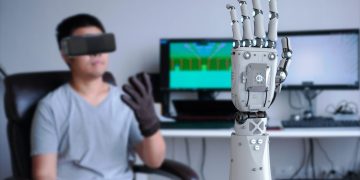
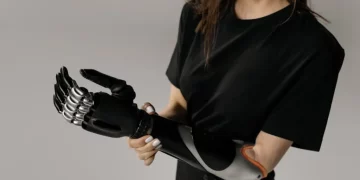
Human hands are perhaps the most complex and adaptable biomimetic structures. The thumb, for example, provides humans with the ability to perform tasks ranging from fine manipulation (like typing) to gross actions (like lifting). Creating robotic hands that mimic the dexterity of human hands has long been a challenge in robotics. Modern biomimetic hands such as the Shadow Robot Hand are designed with multiple articulated joints and soft actuators that allow for a wide range of motion and force control, closely resembling the movement of a human hand.

The design challenge lies in replicating the fine motor control and sensory feedback mechanisms that humans use to handle objects with varying degrees of force and precision. Technologies like soft robotics, artificial tendons, and advanced actuators are pushing the envelope in developing hands that can grasp, feel, and manipulate objects like a human would.

Animal-Inspired Joints: Flexibility and Endurance

In animals, joint structures serve to facilitate movement patterns that optimize speed, stability, and energy efficiency. For example, the elbow joint of a cheetah is designed to support explosive bursts of speed, while the knee joint of a kangaroo aids in efficient, high-energy hopping. These animals have evolved joint configurations that allow them to excel in specific tasks, such as running or jumping, with minimal energy expenditure.

In robotic design, replicating such movement involves creating joints that are both flexible and resilient. The use of compliant mechanisms—structures that can deform and return to their original shape without breaking—has enabled the development of robots with more flexible and efficient joints, capable of mimicking the dynamic range of animal movements. For example, robots designed to mimic insect legs use multiple degrees of freedom and compliant materials to achieve fast, energy-efficient movement across varied terrains.
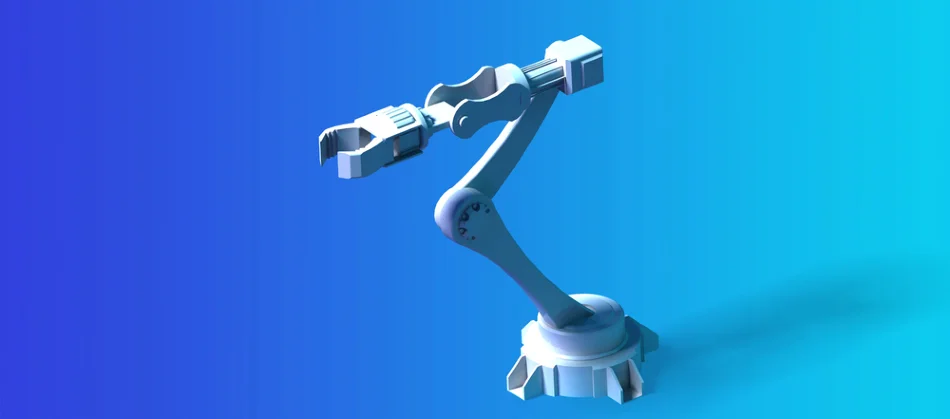

3. Replicating Animal Movement Patterns: From Gaits to Flight

Movement patterns are central to the success of biomimetic robots. Just as different animals have evolved specific ways of moving, robots must also be designed with movement systems that can efficiently navigate and perform tasks in various environments.

Quadruped Robots: Mimicking Four-Legged Movement

The movement patterns of four-legged animals, or quadrupeds, are a common focus in biomimetic robotics. Animals like dogs, horses, and cheetahs have evolved gaits—coordinated movements of the limbs—that enable them to move swiftly and efficiently. These gaits—such as trot, canter, and gallop—are optimized for energy efficiency and stability.

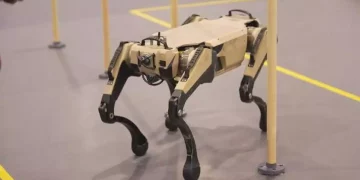
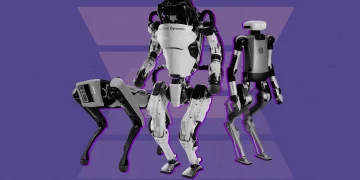
Replicating quadruped gaits in robots, such as Boston Dynamics’ Spot robot, involves the creation of dynamic control systems that can handle the complex coordination between multiple joints and actuators. Spot is capable of adjusting its movement based on the terrain it is traversing, whether it’s stairs, uneven ground, or slopes. Its legs use multiple actuators and sensors to ensure dynamic balance and avoid tipping over, much like the way a dog adjusts its body position when running.

Birds in Flight: Precision and Agility

The design of flying robots, or aerial biomimetic robots, takes inspiration from birds and insects. Birds like hawks and pigeons have evolved highly precise and agile flight capabilities, adjusting their wing flaps, body orientation, and tail feathers for navigation, speed, and stability. Replicating this level of agility in robots is a significant challenge, given the complexity of aerodynamics and control systems required for stable flight.

Researchers are making great strides in flapping-wing robots like DelFly, a micro-sized robot that mimics the flight of a bird or insect. These robots use flexible wings powered by small actuators to achieve rapid, controlled flight. The key to their agility lies in the complex interaction between the wings and the airflow, which is modeled after the way birds manipulate their wings during flight to optimize lift and stability.


4. Soft Robotics: Mimicking Flexibility and Adaptability

One of the most exciting developments in biomimetic robotics is the field of soft robotics. Traditional robots are made from rigid materials, but soft robots mimic the flexibility and elasticity of biological organisms. These robots can adapt to their environment in real-time, just as soft-bodied creatures like octopuses and worms do.

Soft Robots in Gripping and Manipulation

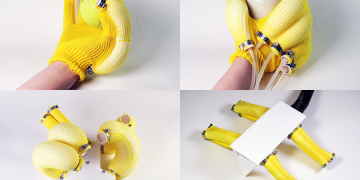
Soft robots are being designed to replicate the gripping and manipulating functions of biological organisms. For example, soft robotic grippers mimic the way octopuses use their flexible arms to grasp and manipulate objects. These grippers use soft, stretchable materials like silicone and hydrogels, which allow them to conform to objects of various shapes and sizes, providing greater flexibility and adaptability than traditional robotic grippers.

Biomimetic Soft Robots in Healthcare

In healthcare, soft robotics is being used to create surgical assistants that mimic the dexterity of human hands while minimizing invasiveness. These robots are designed to enter the human body with minimal damage, conform to tissue structures, and assist surgeons in performing delicate procedures.


5. Challenges and Future Directions

Despite significant advancements, the field of biomimetic robotics still faces numerous challenges. Energy efficiency, reliable control systems, and sensor integration remain major hurdles. For example, while animals can easily adapt to changing environments and movement conditions, robots must be equipped with highly sophisticated algorithms to respond to unpredictable situations.

Future research in biomimetic robots will likely focus on improving autonomy, multi-tasking abilities, and real-time learning, enabling robots to function effectively in complex, dynamic environments. As materials science and artificial intelligence continue to evolve, the next generation of biomimetic robots may exhibit even greater degrees of adaptability, flexibility, and intelligence, opening up new possibilities for their application in a wide range of industries, from healthcare to space exploration.


Conclusion

Biomimetic robots represent the future of robotic design, as engineers and scientists move beyond mere imitation of biological appearances and seek to replicate the intricate joint structures and movement patterns that enable biological organisms to function so effectively in the natural world. From the dexterity of human hands to the speed of cheetah legs and the agility of bird flight, these robots are not only reshaping our understanding of mobility but are also unlocking new potential for innovation in multiple industries.

Through continued advancements in soft robotics, actuators, and AI-driven control systems, the future of biomimetic robotics promises even more sophisticated robots capable of interacting with the world in ways previously limited to biology. As these robots become more advanced, they will redefine our relationship with machines, ultimately enabling a future where robots and humans coexist, collaborate, and enhance each other’s capabilities.
Tags: Biological OrganismsBiomimetic RobotsInsights
ShareTweetShare

Related Posts

How to Improve Robot Flexibility While Ensuring Strength and Durability: A Major Technological Challenge
Insights

How to Improve Robot Flexibility While Ensuring Strength and Durability: A Major Technological Challenge

December 1, 2025
Expert Interview: The Future of Biomimicry in Technology and Innovation
Insights

Expert Interview: The Future of Biomimicry in Technology and Innovation

November 30, 2025
Biomimetic Robots: Drawing Inspiration from Nature to Simulate the Behavior and Structure of Plants and Animals
Insights

Biomimetic Robots: Drawing Inspiration from Nature to Simulate the Behavior and Structure of Plants and Animals

November 29, 2025
Recent Advances in Flexible Materials and Bionic Muscle Actuation Technologies
Insights

Recent Advances in Flexible Materials and Bionic Muscle Actuation Technologies

November 28, 2025
Integrating Artificial Intelligence and Biomimetics: How Bionic Robots in Healthcare Can Provide Personalized Treatment Plans
Insights

Integrating Artificial Intelligence and Biomimetics: How Bionic Robots in Healthcare Can Provide Personalized Treatment Plans

November 27, 2025
The Great Potential of Bionic Robots in Neurorehabilitation
Insights

The Great Potential of Bionic Robots in Neurorehabilitation

November 26, 2025
Leave Comment
  • Trending
  • Comments
  • Latest
The Revolutionary Impact of Robotics on Disaster Rescue and Environmental Protection

The Revolutionary Impact of Robotics on Disaster Rescue and Environmental Protection

October 20, 2025
Defining the Relationship Between Humans and Robots

Defining the Relationship Between Humans and Robots

October 20, 2025
Biomimetics: A Multidisciplinary Approach to the Future of Robotics and Innovation

Biomimetics: A Multidisciplinary Approach to the Future of Robotics and Innovation

October 20, 2025
The Continuous Evolution of Bionic Robot Technology: A Catalyst for Applications in Complex Environments

The Continuous Evolution of Bionic Robot Technology: A Catalyst for Applications in Complex Environments

October 20, 2025
The Integration of Artificial Intelligence and Human-Computer Interaction

The Integration of Artificial Intelligence and Human-Computer Interaction

Researching How Machines Can Recognize and Understand Human Emotions to Improve the Naturalness of Human-Computer Interaction

Researching How Machines Can Recognize and Understand Human Emotions to Improve the Naturalness of Human-Computer Interaction

AI Can Recognize User Emotions Through Facial Expressions, Voice Tones, and Other Signals and Respond Accordingly

AI Can Recognize User Emotions Through Facial Expressions, Voice Tones, and Other Signals and Respond Accordingly

Voice Assistant Research Drives Breakthroughs in Speech Recognition and Natural Language Understanding

Voice Assistant Research Drives Breakthroughs in Speech Recognition and Natural Language Understanding

Robotics and Societal Change: Smart Cities and Digitalized Living

Robotics and Societal Change: Smart Cities and Digitalized Living

December 1, 2025
How to Improve Robot Flexibility While Ensuring Strength and Durability: A Major Technological Challenge

How to Improve Robot Flexibility While Ensuring Strength and Durability: A Major Technological Challenge

December 1, 2025
The Application of Robotics and Automated Logistics Systems in Supply Chain Management

The Application of Robotics and Automated Logistics Systems in Supply Chain Management

December 1, 2025
Edge Computing: A Key Technology for Real-Time Computer Vision Applications

Edge Computing: A Key Technology for Real-Time Computer Vision Applications

December 1, 2025
AnthroboticsLab

Through expert commentary and deep dives into industry trends and ethical considerations, we bridge the gap between academic research and real-world application, fostering a deeper understanding of our technological future.

© 2025 anthroboticslab.com. contacts:[email protected]

No Result
View All Result
  • Home
  • Research
  • Technology
  • Industry
  • Insights
  • Futures

© 2025 anthroboticslab.com. contacts:[email protected]

Welcome Back!

Login to your account below

Forgotten Password?

Retrieve your password

Please enter your username or email address to reset your password.

Log In