



AnthroboticsLab
  • Home
  • Research
    Soft Robotics: Advancements in Bio-Inspired Flexible Systems

    Soft Robotics: Advancements in Bio-Inspired Flexible Systems

    Autonomous Robots and Reinforcement Learning: Paving the Way for Intelligent Machines

    Autonomous Robots and Reinforcement Learning: Paving the Way for Intelligent Machines

    Designing Adaptive User Interfaces: Enhancing Human-Computer Interaction through Dynamic Interfaces

    Designing Adaptive User Interfaces: Enhancing Human-Computer Interaction through Dynamic Interfaces

    Human-Machine Interaction in Augmented Reality and Virtual Reality: A Comprehensive Exploration

    Human-Machine Interaction in Augmented Reality and Virtual Reality: A Comprehensive Exploration

    Affective Computing and Human-Machine Emotional Interaction: The Future of Emotional AI

    Affective Computing and Human-Machine Emotional Interaction: The Future of Emotional AI

    Researching How Machines Can Understand, Recognize, and Respond to Human Emotions

    Researching How Machines Can Understand, Recognize, and Respond to Human Emotions

  • Technology
    Edge Computing: A Key Technology for Real-Time Computer Vision Applications

    Edge Computing: A Key Technology for Real-Time Computer Vision Applications

    Image Fusion in Computer Vision: Enhancing Scene Understanding Through Multi-Sensor Integration

    Image Fusion in Computer Vision: Enhancing Scene Understanding Through Multi-Sensor Integration

    Sensor Fusion Technology: Achieving High-Precision Environmental Perception in Modern Robotics

    Sensor Fusion Technology: Achieving High-Precision Environmental Perception in Modern Robotics

    3D Vision Reconstruction and Depth Estimation: Foundations, Techniques, and Applications

    3D Vision Reconstruction and Depth Estimation: Foundations, Techniques, and Applications

    Computer Vision: The Foundation of Robotic Perception and Its Broad Applications in Autonomous Driving, Industrial Automation, and Medical Surgery

    Computer Vision: The Foundation of Robotic Perception and Its Broad Applications in Autonomous Driving, Industrial Automation, and Medical Surgery

    Ensuring Robots Do Not Harm Humans While Performing Tasks

    Ensuring Robots Do Not Harm Humans While Performing Tasks

  • Industry
    The Application of Robotics and Automated Logistics Systems in Supply Chain Management

    The Application of Robotics and Automated Logistics Systems in Supply Chain Management

    Collaborative Robots and Human Workers: Enhancing Productivity and Ensuring Worker Safety

    Collaborative Robots and Human Workers: Enhancing Productivity and Ensuring Worker Safety

    Modern Production Lines: Emphasizing Flexibility and Customization

    Modern Production Lines: Emphasizing Flexibility and Customization

    The Expanding Role of Robots in Manufacturing: Advancements, Applications, and Future Prospects

    The Expanding Role of Robots in Manufacturing: Advancements, Applications, and Future Prospects

    Industry 4.0: Revolutionizing Manufacturing with IoT, AI, Robotics, and Big Data

    Industry 4.0: Revolutionizing Manufacturing with IoT, AI, Robotics, and Big Data

    Smart Manufacturing and Industry 4.0: Revolutionizing the Future of Production

    Smart Manufacturing and Industry 4.0: Revolutionizing the Future of Production

  • Insights
    How to Improve Robot Flexibility While Ensuring Strength and Durability: A Major Technological Challenge

    How to Improve Robot Flexibility While Ensuring Strength and Durability: A Major Technological Challenge

    Expert Interview: The Future of Biomimicry in Technology and Innovation

    Expert Interview: The Future of Biomimicry in Technology and Innovation

    Biomimetic Robots: Drawing Inspiration from Nature to Simulate the Behavior and Structure of Plants and Animals

    Biomimetic Robots: Drawing Inspiration from Nature to Simulate the Behavior and Structure of Plants and Animals

    Recent Advances in Flexible Materials and Bionic Muscle Actuation Technologies

    Recent Advances in Flexible Materials and Bionic Muscle Actuation Technologies

    Integrating Artificial Intelligence and Biomimetics: How Bionic Robots in Healthcare Can Provide Personalized Treatment Plans

    Integrating Artificial Intelligence and Biomimetics: How Bionic Robots in Healthcare Can Provide Personalized Treatment Plans

    The Great Potential of Bionic Robots in Neurorehabilitation

    The Great Potential of Bionic Robots in Neurorehabilitation

  • Futures
    Robotics and Societal Change: Smart Cities and Digitalized Living

    Robotics and Societal Change: Smart Cities and Digitalized Living

    The Widespread Application of Robotics: Potential Impact on Traditional Jobs

    The Widespread Application of Robotics: Potential Impact on Traditional Jobs

    Smart Homes and Life Assistants: The Future of Everyday Living

    Smart Homes and Life Assistants: The Future of Everyday Living

    The Expanding Role of Robots in the Service Industry: From Customer Service to Personalized Healthcare

    The Expanding Role of Robots in the Service Industry: From Customer Service to Personalized Healthcare

    Fully Automated Production and Services: The Future of Industry and Innovation

    Fully Automated Production and Services: The Future of Industry and Innovation

    The Future of Robots: From Tools to Understanding, Learning, and Responding to Human Society

    The Future of Robots: From Tools to Understanding, Learning, and Responding to Human Society

AnthroboticsLab
  • Home
  • Research
    Soft Robotics: Advancements in Bio-Inspired Flexible Systems

    Soft Robotics: Advancements in Bio-Inspired Flexible Systems

    Autonomous Robots and Reinforcement Learning: Paving the Way for Intelligent Machines

    Autonomous Robots and Reinforcement Learning: Paving the Way for Intelligent Machines

    Designing Adaptive User Interfaces: Enhancing Human-Computer Interaction through Dynamic Interfaces

    Designing Adaptive User Interfaces: Enhancing Human-Computer Interaction through Dynamic Interfaces

    Human-Machine Interaction in Augmented Reality and Virtual Reality: A Comprehensive Exploration

    Human-Machine Interaction in Augmented Reality and Virtual Reality: A Comprehensive Exploration

    Affective Computing and Human-Machine Emotional Interaction: The Future of Emotional AI

    Affective Computing and Human-Machine Emotional Interaction: The Future of Emotional AI

    Researching How Machines Can Understand, Recognize, and Respond to Human Emotions

    Researching How Machines Can Understand, Recognize, and Respond to Human Emotions

  • Technology
    Edge Computing: A Key Technology for Real-Time Computer Vision Applications

    Edge Computing: A Key Technology for Real-Time Computer Vision Applications

    Image Fusion in Computer Vision: Enhancing Scene Understanding Through Multi-Sensor Integration

    Image Fusion in Computer Vision: Enhancing Scene Understanding Through Multi-Sensor Integration

    Sensor Fusion Technology: Achieving High-Precision Environmental Perception in Modern Robotics

    Sensor Fusion Technology: Achieving High-Precision Environmental Perception in Modern Robotics

    3D Vision Reconstruction and Depth Estimation: Foundations, Techniques, and Applications

    3D Vision Reconstruction and Depth Estimation: Foundations, Techniques, and Applications

    Computer Vision: The Foundation of Robotic Perception and Its Broad Applications in Autonomous Driving, Industrial Automation, and Medical Surgery

    Computer Vision: The Foundation of Robotic Perception and Its Broad Applications in Autonomous Driving, Industrial Automation, and Medical Surgery

    Ensuring Robots Do Not Harm Humans While Performing Tasks

    Ensuring Robots Do Not Harm Humans While Performing Tasks

  • Industry
    The Application of Robotics and Automated Logistics Systems in Supply Chain Management

    The Application of Robotics and Automated Logistics Systems in Supply Chain Management

    Collaborative Robots and Human Workers: Enhancing Productivity and Ensuring Worker Safety

    Collaborative Robots and Human Workers: Enhancing Productivity and Ensuring Worker Safety

    Modern Production Lines: Emphasizing Flexibility and Customization

    Modern Production Lines: Emphasizing Flexibility and Customization

    The Expanding Role of Robots in Manufacturing: Advancements, Applications, and Future Prospects

    The Expanding Role of Robots in Manufacturing: Advancements, Applications, and Future Prospects

    Industry 4.0: Revolutionizing Manufacturing with IoT, AI, Robotics, and Big Data

    Industry 4.0: Revolutionizing Manufacturing with IoT, AI, Robotics, and Big Data

    Smart Manufacturing and Industry 4.0: Revolutionizing the Future of Production

    Smart Manufacturing and Industry 4.0: Revolutionizing the Future of Production

  • Insights
    How to Improve Robot Flexibility While Ensuring Strength and Durability: A Major Technological Challenge

    How to Improve Robot Flexibility While Ensuring Strength and Durability: A Major Technological Challenge

    Expert Interview: The Future of Biomimicry in Technology and Innovation

    Expert Interview: The Future of Biomimicry in Technology and Innovation

    Biomimetic Robots: Drawing Inspiration from Nature to Simulate the Behavior and Structure of Plants and Animals

    Biomimetic Robots: Drawing Inspiration from Nature to Simulate the Behavior and Structure of Plants and Animals

    Recent Advances in Flexible Materials and Bionic Muscle Actuation Technologies

    Recent Advances in Flexible Materials and Bionic Muscle Actuation Technologies

    Integrating Artificial Intelligence and Biomimetics: How Bionic Robots in Healthcare Can Provide Personalized Treatment Plans

    Integrating Artificial Intelligence and Biomimetics: How Bionic Robots in Healthcare Can Provide Personalized Treatment Plans

    The Great Potential of Bionic Robots in Neurorehabilitation

    The Great Potential of Bionic Robots in Neurorehabilitation

  • Futures
    Robotics and Societal Change: Smart Cities and Digitalized Living

    Robotics and Societal Change: Smart Cities and Digitalized Living

    The Widespread Application of Robotics: Potential Impact on Traditional Jobs

    The Widespread Application of Robotics: Potential Impact on Traditional Jobs

    Smart Homes and Life Assistants: The Future of Everyday Living

    Smart Homes and Life Assistants: The Future of Everyday Living

    The Expanding Role of Robots in the Service Industry: From Customer Service to Personalized Healthcare

    The Expanding Role of Robots in the Service Industry: From Customer Service to Personalized Healthcare

    Fully Automated Production and Services: The Future of Industry and Innovation

    Fully Automated Production and Services: The Future of Industry and Innovation

    The Future of Robots: From Tools to Understanding, Learning, and Responding to Human Society

    The Future of Robots: From Tools to Understanding, Learning, and Responding to Human Society

AnthroboticsLab
No Result
View All Result
Home Research

The Expanding Applications of Intelligent Robots Across Multiple Fields

October 15, 2025
in Research
The Expanding Applications of Intelligent Robots Across Multiple Fields

Introduction

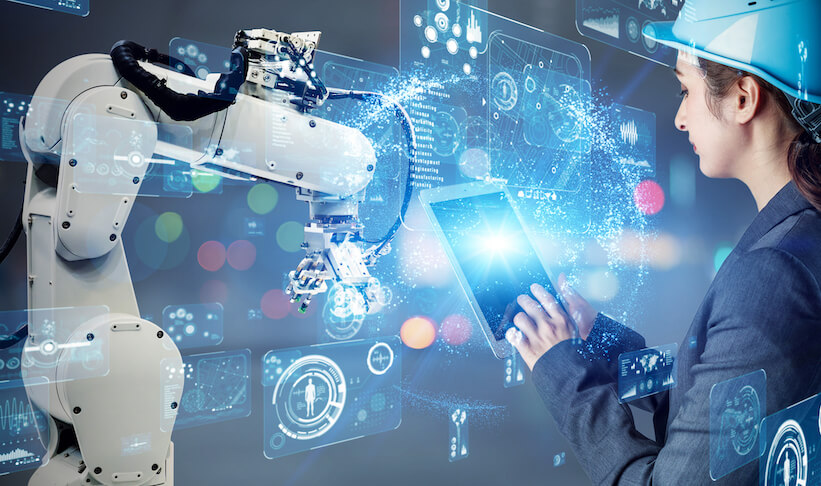
Over the past few decades, intelligent robots have evolved from experimental machines in research labs to crucial tools that drive innovation across various industries. The integration of artificial intelligence (AI), machine learning (ML), and advanced robotics has enabled robots to perform increasingly complex tasks with high precision, autonomy, and adaptability. These intelligent robots are no longer confined to industrial settings but have expanded into diverse fields such as healthcare, education, agriculture, and service industries, transforming traditional workflows and human-robot interactions.

The rise of intelligent robots is not just about automating repetitive tasks; it’s about creating machines capable of learning, adapting, and making decisions that were once reserved for humans. As these robots become more sophisticated, they are improving productivity, efficiency, safety, and even the quality of life in many sectors.

This article explores the various applications of intelligent robots in multiple fields, highlighting their contributions, challenges, and potential for the future.


1. Understanding Intelligent Robots

Before delving into the applications, it’s essential to define what an intelligent robot is and the technology that powers it.

1.1 What is an Intelligent Robot?

An intelligent robot is a machine designed to perform specific tasks autonomously, using sensors, actuators, and algorithms to interact with its environment. Unlike traditional robots, which perform predefined operations, intelligent robots can learn from their environment and make real-time decisions to optimize their actions.

Key components that define intelligent robots include:

  • Sensors: Devices that allow robots to perceive their environment. These may include cameras, LiDAR sensors, infrared sensors, and tactile sensors, providing the robot with data about its surroundings.
  • Processing Unit: The “brain” of the robot, often powered by AI and ML algorithms, which processes data from sensors and makes decisions based on this information.
  • Actuators: Mechanical components that enable the robot to act on its environment, whether it’s moving, picking up objects, or interacting with humans.
  • AI and Machine Learning: The algorithms that allow the robot to adapt to new situations, learn from experiences, and improve its performance over time.

These robots are often designed to interact with humans and other machines seamlessly, enabling them to perform tasks more efficiently than traditional automation systems.


2. Applications of Intelligent Robots Across Multiple Fields

2.1 Healthcare and Medicine

Intelligent robots are increasingly transforming healthcare by performing a variety of roles, from assisting in surgeries to caring for elderly patients. The precision and adaptability of these robots are particularly valuable in improving patient outcomes and reducing human error.

  • Surgical Assistance: Robotic systems like Da Vinci and Mako are used for minimally invasive surgeries, enabling surgeons to perform precise operations through small incisions. These robots provide real-time feedback, high-definition imaging, and greater dexterity than the human hand, reducing recovery time and complications.
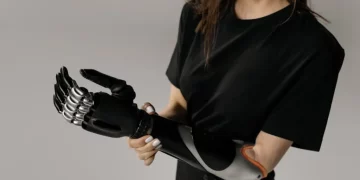
  • Robotic Prosthetics: AI-driven robots are also revolutionizing the field of prosthetics, providing individuals with more functional and adaptable artificial limbs. These prosthetics use machine learning to adjust to the wearer’s movements and needs, offering a more natural, intuitive experience.
  • Robotic Caregivers: In elderly care, robots like PARO (a therapeutic robot) and Robear (a robotic nurse) assist with mobility, lifting, and providing companionship to elderly patients. These robots help reduce the physical strain on human caregivers and provide consistent monitoring.
  • Pharmaceutical Research and Drug Discovery: Intelligent robots are used in laboratories to automate repetitive tasks like sample analysis, testing, and data collection, accelerating research processes. AI and robotics play an essential role in drug screening and genomic research, speeding up the development of new treatments.

2.2 Manufacturing and Industry

The manufacturing industry has been one of the earliest adopters of robotics, and intelligent robots have significantly improved productivity, precision, and safety on factory floors.

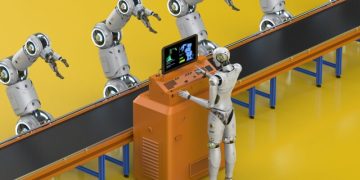
  • Automated Production Lines: Robots are used for assembly, painting, welding, and quality inspection in manufacturing plants. These robots can operate continuously with minimal supervision, increasing production efficiency and product quality.
  • Collaborative Robots (Cobots): Unlike traditional robots, cobots are designed to work alongside human workers, performing tasks that are too dangerous or repetitive for humans. These robots are used in industries like automotive manufacturing, electronics assembly, and logistics, where human-robot collaboration improves overall workflow.
  • Logistics and Warehousing: Intelligent robots are used in logistics to automate tasks like order picking, sorting, and inventory management. Robots such as Amazon’s Kiva robots and Ocado’s automated warehouse robots enhance efficiency in warehouses by speeding up sorting and delivery processes.
  • Predictive Maintenance: AI-powered robots can also predict the failure of machines and equipment by monitoring their condition in real-time. This reduces downtime and the need for human intervention in dangerous situations, optimizing the maintenance schedule.

2.3 Agriculture and Food Production

Intelligent robots are making a significant impact in agriculture by automating tasks that traditionally required human labor, increasing efficiency, and reducing costs.

  • Precision Farming: Robots equipped with sensors and AI algorithms are used to monitor soil conditions, detect diseases, and manage crop growth. These robots can identify areas of the field that need attention, applying fertilizers and pesticides with great accuracy, thus reducing waste and increasing crop yields.
  • Harvesting and Planting: Robots like FFRobots are capable of autonomously picking fruits and vegetables, which traditionally required a large labor force. These robots are especially useful for harvesting delicate crops like strawberries and tomatoes.
  • Weeding and Crop Management: AI-powered weeding robots use vision systems to identify and remove weeds from fields, reducing the need for chemical herbicides and preserving the environment.
  • Livestock Monitoring: Intelligent robots also monitor livestock, analyzing animal health and behavior. These robots help detect early signs of disease or stress in animals, improving the quality of animal husbandry and preventing outbreaks of illness.
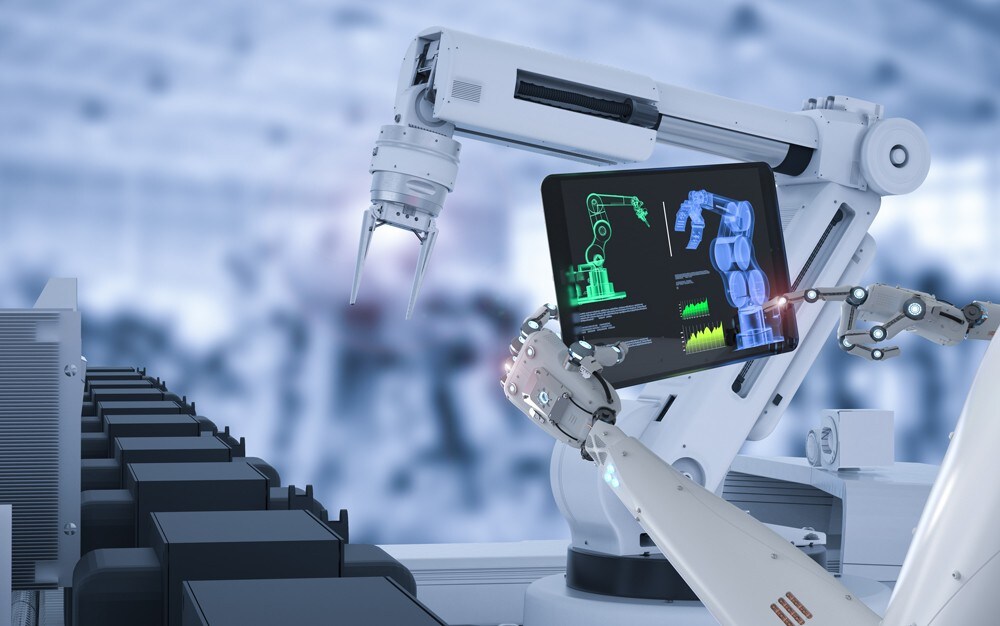
2.4 Retail and Customer Service

In retail, intelligent robots are enhancing customer experiences by automating repetitive tasks and improving operational efficiency. The rise of robot-assisted retail offers businesses an opportunity to better serve customers and streamline operations.

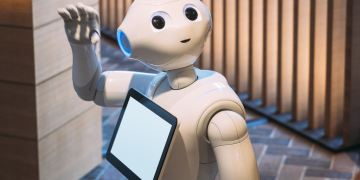
  • Customer Assistance: Robots like SoftBank’s Pepper are used in stores to greet customers, provide product information, and assist with inquiries. These robots can recognize customer emotions through facial expressions, enhancing the shopping experience.
  • Inventory Management: Robots are used to track inventory in stores and warehouses. Stockbot, for example, is an autonomous robot used by Walmart to scan shelves, checking stock levels and ensuring that products are properly stocked.
  • Delivery Robots: Intelligent robots are also transforming the last-mile delivery segment. Autonomous delivery robots, such as those developed by Starship Technologies, deliver food, groceries, and packages to customers, reducing the need for human drivers and speeding up delivery times.
  • Automated Checkout Systems: AI and robotics are increasingly used in retail to automate checkout processes. Amazon Go stores, for instance, allow customers to enter a store, pick up items, and leave without ever having to check out with a cashier, thanks to sensors and AI-powered checkout systems.

2.5 Defense and Security

In the defense and security sectors, intelligent robots are playing crucial roles in situations that are too dangerous or complex for human intervention. These robots are equipped with advanced sensors and AI to carry out tasks ranging from reconnaissance to bomb disposal.

  • Autonomous Military Drones: Military drones powered by AI can perform reconnaissance, surveillance, and combat tasks with minimal human control. These drones use machine learning to improve their navigation and decision-making processes during missions.
  • Bomb Disposal Robots: Robots like iRobot’s PackBot are used by military and law enforcement agencies to handle hazardous materials and dispose of bombs safely. These robots can navigate dangerous environments and perform delicate tasks with precision.
  • Surveillance and Border Control: AI-powered robots are used for surveillance, patrolling borders, and monitoring sensitive areas. These robots are capable of analyzing vast amounts of data from sensors, cameras, and drones to detect unusual activity.

2.6 Space Exploration

Intelligent robots are vital in space exploration, assisting astronauts and scientists in gathering data, conducting experiments, and exploring distant planets.

  • Mars Rovers: Robots like NASA’s Perseverance rover are equipped with AI and autonomous capabilities to analyze soil samples, monitor environmental conditions, and explore the surface of Mars without real-time input from Earth.
  • Satellite Maintenance: AI-driven robots are also used for maintaining and repairing satellites in space. These robots can identify malfunctions and perform repairs, extending the operational lifespan of satellites.

3. Challenges and Future Outlook

3.1 Ethical and Societal Implications

As intelligent robots continue to permeate various industries, ethical concerns arise regarding job displacement, privacy, and the potential misuse of robotic technology. There is also the question of robot autonomy—how much decision-making power should robots have, especially in high-stakes situations like healthcare and defense?

3.2 Technological Limitations

While intelligent robots have made significant strides, challenges remain in improving their AI algorithms, sensors, and autonomy. Enhancing robots’ ability to interact with unpredictable environments and improving their learning capabilities will be key to their future success.

3.3 The Future of Intelligent Robots

The future of intelligent robots looks promising, with developments in robot-human collaboration, AI-powered decision-making, and autonomous systems paving the way for even more sophisticated applications. As robots become more integrated into everyday life, they are expected to take on an even greater range of roles, making industries more efficient and accessible.


Conclusion

The applications of intelligent robots are expanding rapidly across a variety of fields, from healthcare and manufacturing to agriculture, retail, and beyond. Their ability to perform tasks autonomously, make decisions, and interact with humans is revolutionizing industries, improving productivity, and enhancing the quality of life. However, challenges such as ethical considerations, technological limitations, and societal impacts must be addressed as these robots become an integral part of our daily lives.

As we look to the future, intelligent robots will undoubtedly play an even larger role in shaping the way we live and work, driving innovation and transforming industries in ways that were once unimaginable.
Tags: Intelligent RobotsIntelligent Robots ApplicationsResearch
ShareTweetShare

Related Posts

Soft Robotics: Advancements in Bio-Inspired Flexible Systems
Research

Soft Robotics: Advancements in Bio-Inspired Flexible Systems

December 1, 2025
Autonomous Robots and Reinforcement Learning: Paving the Way for Intelligent Machines
Research

Autonomous Robots and Reinforcement Learning: Paving the Way for Intelligent Machines

November 30, 2025
Designing Adaptive User Interfaces: Enhancing Human-Computer Interaction through Dynamic Interfaces
Research

Designing Adaptive User Interfaces: Enhancing Human-Computer Interaction through Dynamic Interfaces

November 29, 2025
Human-Machine Interaction in Augmented Reality and Virtual Reality: A Comprehensive Exploration
Research

Human-Machine Interaction in Augmented Reality and Virtual Reality: A Comprehensive Exploration

November 28, 2025
Affective Computing and Human-Machine Emotional Interaction: The Future of Emotional AI
Research

Affective Computing and Human-Machine Emotional Interaction: The Future of Emotional AI

November 27, 2025
Researching How Machines Can Understand, Recognize, and Respond to Human Emotions
Research

Researching How Machines Can Understand, Recognize, and Respond to Human Emotions

November 26, 2025
Leave Comment
  • Trending
  • Comments
  • Latest
The Revolutionary Impact of Robotics on Disaster Rescue and Environmental Protection

The Revolutionary Impact of Robotics on Disaster Rescue and Environmental Protection

October 20, 2025
Defining the Relationship Between Humans and Robots

Defining the Relationship Between Humans and Robots

October 20, 2025
Biomimetics: A Multidisciplinary Approach to the Future of Robotics and Innovation

Biomimetics: A Multidisciplinary Approach to the Future of Robotics and Innovation

October 20, 2025
The Continuous Evolution of Bionic Robot Technology: A Catalyst for Applications in Complex Environments

The Continuous Evolution of Bionic Robot Technology: A Catalyst for Applications in Complex Environments

October 20, 2025
The Integration of Artificial Intelligence and Human-Computer Interaction

The Integration of Artificial Intelligence and Human-Computer Interaction

Researching How Machines Can Recognize and Understand Human Emotions to Improve the Naturalness of Human-Computer Interaction

Researching How Machines Can Recognize and Understand Human Emotions to Improve the Naturalness of Human-Computer Interaction

AI Can Recognize User Emotions Through Facial Expressions, Voice Tones, and Other Signals and Respond Accordingly

AI Can Recognize User Emotions Through Facial Expressions, Voice Tones, and Other Signals and Respond Accordingly

Voice Assistant Research Drives Breakthroughs in Speech Recognition and Natural Language Understanding

Voice Assistant Research Drives Breakthroughs in Speech Recognition and Natural Language Understanding

Robotics and Societal Change: Smart Cities and Digitalized Living

Robotics and Societal Change: Smart Cities and Digitalized Living

December 1, 2025
How to Improve Robot Flexibility While Ensuring Strength and Durability: A Major Technological Challenge

How to Improve Robot Flexibility While Ensuring Strength and Durability: A Major Technological Challenge

December 1, 2025
The Application of Robotics and Automated Logistics Systems in Supply Chain Management

The Application of Robotics and Automated Logistics Systems in Supply Chain Management

December 1, 2025
Edge Computing: A Key Technology for Real-Time Computer Vision Applications

Edge Computing: A Key Technology for Real-Time Computer Vision Applications

December 1, 2025
AnthroboticsLab

Through expert commentary and deep dives into industry trends and ethical considerations, we bridge the gap between academic research and real-world application, fostering a deeper understanding of our technological future.

© 2025 anthroboticslab.com. contacts:[email protected]

No Result
View All Result
  • Home
  • Research
  • Technology
  • Industry
  • Insights
  • Futures

© 2025 anthroboticslab.com. contacts:[email protected]

Welcome Back!

Login to your account below

Forgotten Password?

Retrieve your password

Please enter your username or email address to reset your password.

Log In