


AnthroboticsLab
  • Home
  • Research
    Soft Robotics: Advancements in Bio-Inspired Flexible Systems

    Soft Robotics: Advancements in Bio-Inspired Flexible Systems

    Autonomous Robots and Reinforcement Learning: Paving the Way for Intelligent Machines

    Autonomous Robots and Reinforcement Learning: Paving the Way for Intelligent Machines

    Designing Adaptive User Interfaces: Enhancing Human-Computer Interaction through Dynamic Interfaces

    Designing Adaptive User Interfaces: Enhancing Human-Computer Interaction through Dynamic Interfaces

    Human-Machine Interaction in Augmented Reality and Virtual Reality: A Comprehensive Exploration

    Human-Machine Interaction in Augmented Reality and Virtual Reality: A Comprehensive Exploration

    Affective Computing and Human-Machine Emotional Interaction: The Future of Emotional AI

    Affective Computing and Human-Machine Emotional Interaction: The Future of Emotional AI

    Researching How Machines Can Understand, Recognize, and Respond to Human Emotions

    Researching How Machines Can Understand, Recognize, and Respond to Human Emotions

  • Technology
    Edge Computing: A Key Technology for Real-Time Computer Vision Applications

    Edge Computing: A Key Technology for Real-Time Computer Vision Applications

    Image Fusion in Computer Vision: Enhancing Scene Understanding Through Multi-Sensor Integration

    Image Fusion in Computer Vision: Enhancing Scene Understanding Through Multi-Sensor Integration

    Sensor Fusion Technology: Achieving High-Precision Environmental Perception in Modern Robotics

    Sensor Fusion Technology: Achieving High-Precision Environmental Perception in Modern Robotics

    3D Vision Reconstruction and Depth Estimation: Foundations, Techniques, and Applications

    3D Vision Reconstruction and Depth Estimation: Foundations, Techniques, and Applications

    Computer Vision: The Foundation of Robotic Perception and Its Broad Applications in Autonomous Driving, Industrial Automation, and Medical Surgery

    Computer Vision: The Foundation of Robotic Perception and Its Broad Applications in Autonomous Driving, Industrial Automation, and Medical Surgery

    Ensuring Robots Do Not Harm Humans While Performing Tasks

    Ensuring Robots Do Not Harm Humans While Performing Tasks

  • Industry
    The Application of Robotics and Automated Logistics Systems in Supply Chain Management

    The Application of Robotics and Automated Logistics Systems in Supply Chain Management

    Collaborative Robots and Human Workers: Enhancing Productivity and Ensuring Worker Safety

    Collaborative Robots and Human Workers: Enhancing Productivity and Ensuring Worker Safety

    Modern Production Lines: Emphasizing Flexibility and Customization

    Modern Production Lines: Emphasizing Flexibility and Customization

    The Expanding Role of Robots in Manufacturing: Advancements, Applications, and Future Prospects

    The Expanding Role of Robots in Manufacturing: Advancements, Applications, and Future Prospects

    Industry 4.0: Revolutionizing Manufacturing with IoT, AI, Robotics, and Big Data

    Industry 4.0: Revolutionizing Manufacturing with IoT, AI, Robotics, and Big Data

    Smart Manufacturing and Industry 4.0: Revolutionizing the Future of Production

    Smart Manufacturing and Industry 4.0: Revolutionizing the Future of Production

  • Insights
    How to Improve Robot Flexibility While Ensuring Strength and Durability: A Major Technological Challenge

    How to Improve Robot Flexibility While Ensuring Strength and Durability: A Major Technological Challenge

    Expert Interview: The Future of Biomimicry in Technology and Innovation

    Expert Interview: The Future of Biomimicry in Technology and Innovation

    Biomimetic Robots: Drawing Inspiration from Nature to Simulate the Behavior and Structure of Plants and Animals

    Biomimetic Robots: Drawing Inspiration from Nature to Simulate the Behavior and Structure of Plants and Animals

    Recent Advances in Flexible Materials and Bionic Muscle Actuation Technologies

    Recent Advances in Flexible Materials and Bionic Muscle Actuation Technologies

    Integrating Artificial Intelligence and Biomimetics: How Bionic Robots in Healthcare Can Provide Personalized Treatment Plans

    Integrating Artificial Intelligence and Biomimetics: How Bionic Robots in Healthcare Can Provide Personalized Treatment Plans

    The Great Potential of Bionic Robots in Neurorehabilitation

    The Great Potential of Bionic Robots in Neurorehabilitation

  • Futures
    Robotics and Societal Change: Smart Cities and Digitalized Living

    Robotics and Societal Change: Smart Cities and Digitalized Living

    The Widespread Application of Robotics: Potential Impact on Traditional Jobs

    The Widespread Application of Robotics: Potential Impact on Traditional Jobs

    Smart Homes and Life Assistants: The Future of Everyday Living

    Smart Homes and Life Assistants: The Future of Everyday Living

    The Expanding Role of Robots in the Service Industry: From Customer Service to Personalized Healthcare

    The Expanding Role of Robots in the Service Industry: From Customer Service to Personalized Healthcare

    Fully Automated Production and Services: The Future of Industry and Innovation

    Fully Automated Production and Services: The Future of Industry and Innovation

    The Future of Robots: From Tools to Understanding, Learning, and Responding to Human Society

    The Future of Robots: From Tools to Understanding, Learning, and Responding to Human Society

AnthroboticsLab
  • Home
  • Research
    Soft Robotics: Advancements in Bio-Inspired Flexible Systems

    Soft Robotics: Advancements in Bio-Inspired Flexible Systems

    Autonomous Robots and Reinforcement Learning: Paving the Way for Intelligent Machines

    Autonomous Robots and Reinforcement Learning: Paving the Way for Intelligent Machines

    Designing Adaptive User Interfaces: Enhancing Human-Computer Interaction through Dynamic Interfaces

    Designing Adaptive User Interfaces: Enhancing Human-Computer Interaction through Dynamic Interfaces

    Human-Machine Interaction in Augmented Reality and Virtual Reality: A Comprehensive Exploration

    Human-Machine Interaction in Augmented Reality and Virtual Reality: A Comprehensive Exploration

    Affective Computing and Human-Machine Emotional Interaction: The Future of Emotional AI

    Affective Computing and Human-Machine Emotional Interaction: The Future of Emotional AI

    Researching How Machines Can Understand, Recognize, and Respond to Human Emotions

    Researching How Machines Can Understand, Recognize, and Respond to Human Emotions

  • Technology
    Edge Computing: A Key Technology for Real-Time Computer Vision Applications

    Edge Computing: A Key Technology for Real-Time Computer Vision Applications

    Image Fusion in Computer Vision: Enhancing Scene Understanding Through Multi-Sensor Integration

    Image Fusion in Computer Vision: Enhancing Scene Understanding Through Multi-Sensor Integration

    Sensor Fusion Technology: Achieving High-Precision Environmental Perception in Modern Robotics

    Sensor Fusion Technology: Achieving High-Precision Environmental Perception in Modern Robotics

    3D Vision Reconstruction and Depth Estimation: Foundations, Techniques, and Applications

    3D Vision Reconstruction and Depth Estimation: Foundations, Techniques, and Applications

    Computer Vision: The Foundation of Robotic Perception and Its Broad Applications in Autonomous Driving, Industrial Automation, and Medical Surgery

    Computer Vision: The Foundation of Robotic Perception and Its Broad Applications in Autonomous Driving, Industrial Automation, and Medical Surgery

    Ensuring Robots Do Not Harm Humans While Performing Tasks

    Ensuring Robots Do Not Harm Humans While Performing Tasks

  • Industry
    The Application of Robotics and Automated Logistics Systems in Supply Chain Management

    The Application of Robotics and Automated Logistics Systems in Supply Chain Management

    Collaborative Robots and Human Workers: Enhancing Productivity and Ensuring Worker Safety

    Collaborative Robots and Human Workers: Enhancing Productivity and Ensuring Worker Safety

    Modern Production Lines: Emphasizing Flexibility and Customization

    Modern Production Lines: Emphasizing Flexibility and Customization

    The Expanding Role of Robots in Manufacturing: Advancements, Applications, and Future Prospects

    The Expanding Role of Robots in Manufacturing: Advancements, Applications, and Future Prospects

    Industry 4.0: Revolutionizing Manufacturing with IoT, AI, Robotics, and Big Data

    Industry 4.0: Revolutionizing Manufacturing with IoT, AI, Robotics, and Big Data

    Smart Manufacturing and Industry 4.0: Revolutionizing the Future of Production

    Smart Manufacturing and Industry 4.0: Revolutionizing the Future of Production

  • Insights
    How to Improve Robot Flexibility While Ensuring Strength and Durability: A Major Technological Challenge

    How to Improve Robot Flexibility While Ensuring Strength and Durability: A Major Technological Challenge

    Expert Interview: The Future of Biomimicry in Technology and Innovation

    Expert Interview: The Future of Biomimicry in Technology and Innovation

    Biomimetic Robots: Drawing Inspiration from Nature to Simulate the Behavior and Structure of Plants and Animals

    Biomimetic Robots: Drawing Inspiration from Nature to Simulate the Behavior and Structure of Plants and Animals

    Recent Advances in Flexible Materials and Bionic Muscle Actuation Technologies

    Recent Advances in Flexible Materials and Bionic Muscle Actuation Technologies

    Integrating Artificial Intelligence and Biomimetics: How Bionic Robots in Healthcare Can Provide Personalized Treatment Plans

    Integrating Artificial Intelligence and Biomimetics: How Bionic Robots in Healthcare Can Provide Personalized Treatment Plans

    The Great Potential of Bionic Robots in Neurorehabilitation

    The Great Potential of Bionic Robots in Neurorehabilitation

  • Futures
    Robotics and Societal Change: Smart Cities and Digitalized Living

    Robotics and Societal Change: Smart Cities and Digitalized Living

    The Widespread Application of Robotics: Potential Impact on Traditional Jobs

    The Widespread Application of Robotics: Potential Impact on Traditional Jobs

    Smart Homes and Life Assistants: The Future of Everyday Living

    Smart Homes and Life Assistants: The Future of Everyday Living

    The Expanding Role of Robots in the Service Industry: From Customer Service to Personalized Healthcare

    The Expanding Role of Robots in the Service Industry: From Customer Service to Personalized Healthcare

    Fully Automated Production and Services: The Future of Industry and Innovation

    Fully Automated Production and Services: The Future of Industry and Innovation

    The Future of Robots: From Tools to Understanding, Learning, and Responding to Human Society

    The Future of Robots: From Tools to Understanding, Learning, and Responding to Human Society

AnthroboticsLab
No Result
View All Result
Home Futures

The Impact of Robotics Technology on Various Aspects of Society

October 15, 2025
in Futures
The Impact of Robotics Technology on Various Aspects of Society

1. Introduction

The rapid evolution of robotic technologies is one of the most significant technological advancements in recent years. Robots, once confined to the realm of science fiction, are increasingly becoming a part of our everyday lives. From automated production lines in factories to medical robots assisting in surgeries and autonomous vehicles reshaping transportation, robots are slowly but steadily altering the way we work, live, and interact with the world around us.

The integration of robots into various industries and applications presents a variety of opportunities for increased efficiency, productivity, and innovation. However, the widespread adoption of these technologies also introduces a number of challenges that must be carefully addressed, including the impact on employment, privacy, and ethical considerations surrounding robot autonomy.

This article will examine the diverse ways in which robotics is expected to transform society, from its influence on economic development to its effects on social structures and cultural norms. Additionally, it will discuss the role of policymakers in addressing the challenges that arise with the increasing use of robotic technologies.


2. The Economic Impact of Robotics

2.1 Increased Efficiency and Productivity

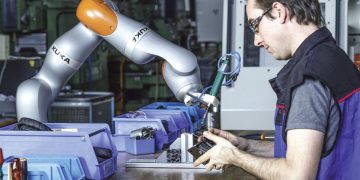
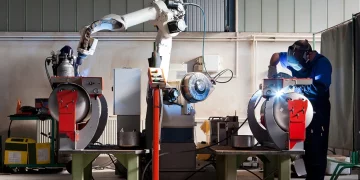
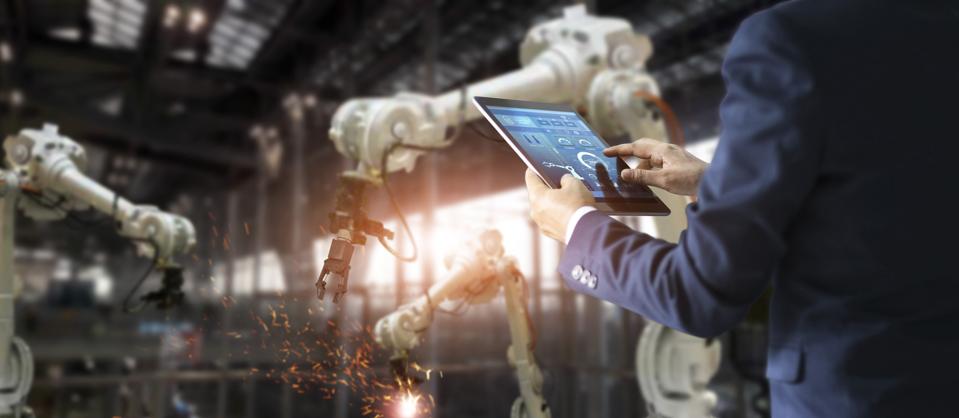
One of the primary drivers of robot adoption across industries is their ability to significantly increase efficiency and productivity. In sectors like manufacturing, robots have been used to automate routine tasks such as assembly, welding, painting, and packaging. Robots can perform these tasks more accurately and consistently than humans, without the risk of fatigue, leading to substantial cost savings and improved output quality.

In the healthcare industry, robots are streamlining various processes, from surgical robots that perform minimally invasive surgeries to pharmacy robots that prepare and dispense medications. These robots not only reduce the likelihood of human error but also allow medical professionals to dedicate more time to patient care, improving the overall efficiency of healthcare systems.

In the service industry, robotic process automation (RPA) is being employed to handle back-office operations such as data entry, customer service, and order processing, allowing businesses to optimize workflows and reduce operational costs. By automating repetitive tasks, companies can focus on more complex and value-added services, ultimately driving growth.

2.2 Job Creation and Job Displacement

While robots offer numerous benefits in terms of efficiency and productivity, their widespread adoption has raised concerns about the future of work. Many fear that robots will displace human workers, particularly in industries like manufacturing, where robots are already performing tasks traditionally done by humans. According to a report by the World Economic Forum, millions of jobs are at risk of being automated over the next few decades, especially in low-skill and routine job categories.

However, the rise of robotics technology does not necessarily mean the end of human employment. Instead, it will likely lead to a shift in the types of jobs available. New jobs will emerge in fields such as robot programming, maintenance, design, and data analysis. Furthermore, automation can create opportunities for upskilling and reskilling workers, equipping them with the knowledge and tools needed to work alongside robots and handle more complex tasks that robots are not equipped to perform.

In sectors such as healthcare, robots may help alleviate the burden on overstretched professionals by performing menial tasks, thereby creating more demand for highly skilled labor in areas like surgery, diagnosis, and patient care.

2.3 Economic Growth and Innovation

Robotics has the potential to stimulate economic growth by driving innovation and improving productivity across sectors. As robots take over repetitive and dangerous tasks, human workers will be able to focus on more creative, strategic, and high-value activities. This will lead to the development of new products and services, fostering entrepreneurship and expanding business opportunities.

The global robotics market is expected to experience tremendous growth in the coming years. According to a report by McKinsey, automation could add $16 trillion to global GDP by 2030, with robotics playing a key role in this growth.

3. Social and Cultural Impacts of Robotics

3.1 Shifting Social Structures

The adoption of robots has the potential to significantly alter social structures. As robots begin to handle more responsibilities traditionally managed by humans, there will be a redefinition of human roles within various industries. The societal emphasis may shift toward creativity, innovation, and entrepreneurship, as humans collaborate with robots to accomplish tasks that require higher-order thinking and judgment.

However, this shift also raises concerns about social inequality. Access to robotics and automation technologies may be unevenly distributed, potentially widening the gap between affluent and less-affluent individuals. People in lower-income communities or less-developed regions may have limited access to robotic technologies and the skills required to work alongside them, which could exacerbate economic disparities.

3.2 Robot-Human Interaction

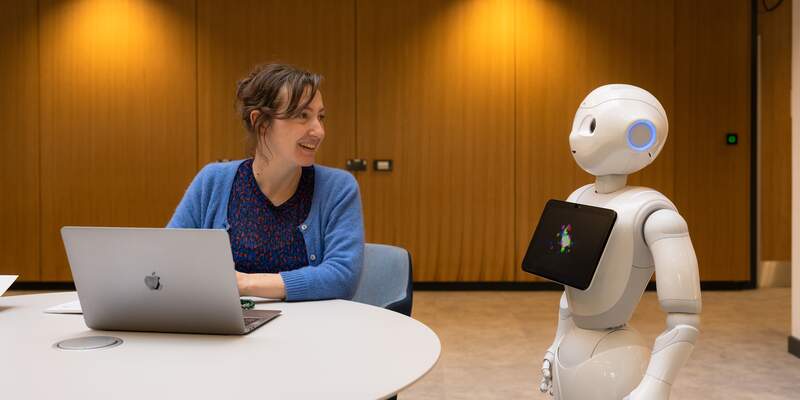
The rise of robots in everyday life will also lead to new forms of human-robot interaction. Robots, particularly in service industries like healthcare, hospitality, and elder care, are increasingly being designed to interact with humans in socially acceptable and emotionally intelligent ways.

For example, care robots are being deployed to assist the elderly with activities of daily living, such as medication reminders, mobility support, and companionship. These robots are designed to be emotionally responsive, recognizing and adapting to the emotional states of the people they interact with. This can improve the quality of life for individuals, especially in an aging population where there is a growing need for elder care.

As robots take on more human-like roles, they will raise new questions about empathy, ethics, and identity. Will people become too reliant on robots for emotional support? What are the ethical boundaries of robot-human interactions, especially when robots mimic human behaviors? These are some of the social and cultural questions that will need to be addressed as robotics technology becomes more prevalent.


4. Ethical and Legal Challenges of Robotics

4.1 Autonomy and Accountability

As robots become more autonomous, determining accountability for their actions will become more complicated. For example, if an autonomous robot makes a decision that leads to harm or damage, who is responsible? Is it the manufacturer, the developer, or the robot itself?

In the context of autonomous vehicles, for instance, questions of accountability are particularly pressing. If an autonomous car is involved in an accident, should the car manufacturer be held liable, or does the responsibility lie with the developer of the AI system? These are questions that policymakers and legal experts must address to ensure that robots are deployed in a way that is both safe and responsible.

4.2 Privacy and Security Concerns

The increasing use of robots, especially in public spaces and homes, raises significant concerns about privacy and security. Robots equipped with sensors and cameras have the ability to gather vast amounts of personal data, including images, audio, and location data. Without proper safeguards, this data could be misused, leading to privacy violations.

Furthermore, as robots become more integrated into critical systems such as healthcare, transportation, and military operations, they become potential targets for cyberattacks. Hackers could manipulate robotic systems to cause harm or disrupt services, posing significant risks to public safety.


5. Conclusion

The widespread adoption of robotics technology is set to transform society in ways we are only beginning to understand. From economic growth and increased efficiency to the reshaping of social structures and the rise of new ethical dilemmas, the implications of robotics will be profound and far-reaching.

While robots promise to enhance productivity, improve the quality of life, and drive innovation, they also introduce challenges that need to be addressed thoughtfully and responsibly. Governments, industries, and individuals must work together to navigate these challenges, ensuring that the benefits of robotics are shared equitably across society.

As we look toward the future, the integration of robots into our daily lives will not just be a technological evolution—it will be a social revolution, one that holds the potential to redefine how we work, live, and interact with each other and the world around us.

Tags: FuturesRoboticsTechnology
ShareTweetShare

Related Posts

Robotics and Societal Change: Smart Cities and Digitalized Living
Futures

Robotics and Societal Change: Smart Cities and Digitalized Living

December 1, 2025
The Widespread Application of Robotics: Potential Impact on Traditional Jobs
Futures

The Widespread Application of Robotics: Potential Impact on Traditional Jobs

November 30, 2025
Smart Homes and Life Assistants: The Future of Everyday Living
Futures

Smart Homes and Life Assistants: The Future of Everyday Living

November 29, 2025
The Expanding Role of Robots in the Service Industry: From Customer Service to Personalized Healthcare
Futures

The Expanding Role of Robots in the Service Industry: From Customer Service to Personalized Healthcare

November 28, 2025
Fully Automated Production and Services: The Future of Industry and Innovation
Futures

Fully Automated Production and Services: The Future of Industry and Innovation

November 27, 2025
The Future of Robots: From Tools to Understanding, Learning, and Responding to Human Society
Futures

The Future of Robots: From Tools to Understanding, Learning, and Responding to Human Society

November 26, 2025
Leave Comment
  • Trending
  • Comments
  • Latest
The Revolutionary Impact of Robotics on Disaster Rescue and Environmental Protection

The Revolutionary Impact of Robotics on Disaster Rescue and Environmental Protection

October 20, 2025
Defining the Relationship Between Humans and Robots

Defining the Relationship Between Humans and Robots

October 20, 2025
Biomimetics: A Multidisciplinary Approach to the Future of Robotics and Innovation

Biomimetics: A Multidisciplinary Approach to the Future of Robotics and Innovation

October 20, 2025
The Continuous Evolution of Bionic Robot Technology: A Catalyst for Applications in Complex Environments

The Continuous Evolution of Bionic Robot Technology: A Catalyst for Applications in Complex Environments

October 20, 2025
The Integration of Artificial Intelligence and Human-Computer Interaction

The Integration of Artificial Intelligence and Human-Computer Interaction

Researching How Machines Can Recognize and Understand Human Emotions to Improve the Naturalness of Human-Computer Interaction

Researching How Machines Can Recognize and Understand Human Emotions to Improve the Naturalness of Human-Computer Interaction

AI Can Recognize User Emotions Through Facial Expressions, Voice Tones, and Other Signals and Respond Accordingly

AI Can Recognize User Emotions Through Facial Expressions, Voice Tones, and Other Signals and Respond Accordingly

Voice Assistant Research Drives Breakthroughs in Speech Recognition and Natural Language Understanding

Voice Assistant Research Drives Breakthroughs in Speech Recognition and Natural Language Understanding

Robotics and Societal Change: Smart Cities and Digitalized Living

Robotics and Societal Change: Smart Cities and Digitalized Living

December 1, 2025
How to Improve Robot Flexibility While Ensuring Strength and Durability: A Major Technological Challenge

How to Improve Robot Flexibility While Ensuring Strength and Durability: A Major Technological Challenge

December 1, 2025
The Application of Robotics and Automated Logistics Systems in Supply Chain Management

The Application of Robotics and Automated Logistics Systems in Supply Chain Management

December 1, 2025
Edge Computing: A Key Technology for Real-Time Computer Vision Applications

Edge Computing: A Key Technology for Real-Time Computer Vision Applications

December 1, 2025
AnthroboticsLab

Through expert commentary and deep dives into industry trends and ethical considerations, we bridge the gap between academic research and real-world application, fostering a deeper understanding of our technological future.

© 2025 anthroboticslab.com. contacts:[email protected]

No Result
View All Result
  • Home
  • Research
  • Technology
  • Industry
  • Insights
  • Futures

© 2025 anthroboticslab.com. contacts:[email protected]

Welcome Back!

Login to your account below

Forgotten Password?

Retrieve your password

Please enter your username or email address to reset your password.

Log In