




AnthroboticsLab
  • Home
  • Research
    Soft Robotics: Advancements in Bio-Inspired Flexible Systems

    Soft Robotics: Advancements in Bio-Inspired Flexible Systems

    Autonomous Robots and Reinforcement Learning: Paving the Way for Intelligent Machines

    Autonomous Robots and Reinforcement Learning: Paving the Way for Intelligent Machines

    Designing Adaptive User Interfaces: Enhancing Human-Computer Interaction through Dynamic Interfaces

    Designing Adaptive User Interfaces: Enhancing Human-Computer Interaction through Dynamic Interfaces

    Human-Machine Interaction in Augmented Reality and Virtual Reality: A Comprehensive Exploration

    Human-Machine Interaction in Augmented Reality and Virtual Reality: A Comprehensive Exploration

    Affective Computing and Human-Machine Emotional Interaction: The Future of Emotional AI

    Affective Computing and Human-Machine Emotional Interaction: The Future of Emotional AI

    Researching How Machines Can Understand, Recognize, and Respond to Human Emotions

    Researching How Machines Can Understand, Recognize, and Respond to Human Emotions

  • Technology
    Edge Computing: A Key Technology for Real-Time Computer Vision Applications

    Edge Computing: A Key Technology for Real-Time Computer Vision Applications

    Image Fusion in Computer Vision: Enhancing Scene Understanding Through Multi-Sensor Integration

    Image Fusion in Computer Vision: Enhancing Scene Understanding Through Multi-Sensor Integration

    Sensor Fusion Technology: Achieving High-Precision Environmental Perception in Modern Robotics

    Sensor Fusion Technology: Achieving High-Precision Environmental Perception in Modern Robotics

    3D Vision Reconstruction and Depth Estimation: Foundations, Techniques, and Applications

    3D Vision Reconstruction and Depth Estimation: Foundations, Techniques, and Applications

    Computer Vision: The Foundation of Robotic Perception and Its Broad Applications in Autonomous Driving, Industrial Automation, and Medical Surgery

    Computer Vision: The Foundation of Robotic Perception and Its Broad Applications in Autonomous Driving, Industrial Automation, and Medical Surgery

    Ensuring Robots Do Not Harm Humans While Performing Tasks

    Ensuring Robots Do Not Harm Humans While Performing Tasks

  • Industry
    The Application of Robotics and Automated Logistics Systems in Supply Chain Management

    The Application of Robotics and Automated Logistics Systems in Supply Chain Management

    Collaborative Robots and Human Workers: Enhancing Productivity and Ensuring Worker Safety

    Collaborative Robots and Human Workers: Enhancing Productivity and Ensuring Worker Safety

    Modern Production Lines: Emphasizing Flexibility and Customization

    Modern Production Lines: Emphasizing Flexibility and Customization

    The Expanding Role of Robots in Manufacturing: Advancements, Applications, and Future Prospects

    The Expanding Role of Robots in Manufacturing: Advancements, Applications, and Future Prospects

    Industry 4.0: Revolutionizing Manufacturing with IoT, AI, Robotics, and Big Data

    Industry 4.0: Revolutionizing Manufacturing with IoT, AI, Robotics, and Big Data

    Smart Manufacturing and Industry 4.0: Revolutionizing the Future of Production

    Smart Manufacturing and Industry 4.0: Revolutionizing the Future of Production

  • Insights
    How to Improve Robot Flexibility While Ensuring Strength and Durability: A Major Technological Challenge

    How to Improve Robot Flexibility While Ensuring Strength and Durability: A Major Technological Challenge

    Expert Interview: The Future of Biomimicry in Technology and Innovation

    Expert Interview: The Future of Biomimicry in Technology and Innovation

    Biomimetic Robots: Drawing Inspiration from Nature to Simulate the Behavior and Structure of Plants and Animals

    Biomimetic Robots: Drawing Inspiration from Nature to Simulate the Behavior and Structure of Plants and Animals

    Recent Advances in Flexible Materials and Bionic Muscle Actuation Technologies

    Recent Advances in Flexible Materials and Bionic Muscle Actuation Technologies

    Integrating Artificial Intelligence and Biomimetics: How Bionic Robots in Healthcare Can Provide Personalized Treatment Plans

    Integrating Artificial Intelligence and Biomimetics: How Bionic Robots in Healthcare Can Provide Personalized Treatment Plans

    The Great Potential of Bionic Robots in Neurorehabilitation

    The Great Potential of Bionic Robots in Neurorehabilitation

  • Futures
    Robotics and Societal Change: Smart Cities and Digitalized Living

    Robotics and Societal Change: Smart Cities and Digitalized Living

    The Widespread Application of Robotics: Potential Impact on Traditional Jobs

    The Widespread Application of Robotics: Potential Impact on Traditional Jobs

    Smart Homes and Life Assistants: The Future of Everyday Living

    Smart Homes and Life Assistants: The Future of Everyday Living

    The Expanding Role of Robots in the Service Industry: From Customer Service to Personalized Healthcare

    The Expanding Role of Robots in the Service Industry: From Customer Service to Personalized Healthcare

    Fully Automated Production and Services: The Future of Industry and Innovation

    Fully Automated Production and Services: The Future of Industry and Innovation

    The Future of Robots: From Tools to Understanding, Learning, and Responding to Human Society

    The Future of Robots: From Tools to Understanding, Learning, and Responding to Human Society

AnthroboticsLab
  • Home
  • Research
    Soft Robotics: Advancements in Bio-Inspired Flexible Systems

    Soft Robotics: Advancements in Bio-Inspired Flexible Systems

    Autonomous Robots and Reinforcement Learning: Paving the Way for Intelligent Machines

    Autonomous Robots and Reinforcement Learning: Paving the Way for Intelligent Machines

    Designing Adaptive User Interfaces: Enhancing Human-Computer Interaction through Dynamic Interfaces

    Designing Adaptive User Interfaces: Enhancing Human-Computer Interaction through Dynamic Interfaces

    Human-Machine Interaction in Augmented Reality and Virtual Reality: A Comprehensive Exploration

    Human-Machine Interaction in Augmented Reality and Virtual Reality: A Comprehensive Exploration

    Affective Computing and Human-Machine Emotional Interaction: The Future of Emotional AI

    Affective Computing and Human-Machine Emotional Interaction: The Future of Emotional AI

    Researching How Machines Can Understand, Recognize, and Respond to Human Emotions

    Researching How Machines Can Understand, Recognize, and Respond to Human Emotions

  • Technology
    Edge Computing: A Key Technology for Real-Time Computer Vision Applications

    Edge Computing: A Key Technology for Real-Time Computer Vision Applications

    Image Fusion in Computer Vision: Enhancing Scene Understanding Through Multi-Sensor Integration

    Image Fusion in Computer Vision: Enhancing Scene Understanding Through Multi-Sensor Integration

    Sensor Fusion Technology: Achieving High-Precision Environmental Perception in Modern Robotics

    Sensor Fusion Technology: Achieving High-Precision Environmental Perception in Modern Robotics

    3D Vision Reconstruction and Depth Estimation: Foundations, Techniques, and Applications

    3D Vision Reconstruction and Depth Estimation: Foundations, Techniques, and Applications

    Computer Vision: The Foundation of Robotic Perception and Its Broad Applications in Autonomous Driving, Industrial Automation, and Medical Surgery

    Computer Vision: The Foundation of Robotic Perception and Its Broad Applications in Autonomous Driving, Industrial Automation, and Medical Surgery

    Ensuring Robots Do Not Harm Humans While Performing Tasks

    Ensuring Robots Do Not Harm Humans While Performing Tasks

  • Industry
    The Application of Robotics and Automated Logistics Systems in Supply Chain Management

    The Application of Robotics and Automated Logistics Systems in Supply Chain Management

    Collaborative Robots and Human Workers: Enhancing Productivity and Ensuring Worker Safety

    Collaborative Robots and Human Workers: Enhancing Productivity and Ensuring Worker Safety

    Modern Production Lines: Emphasizing Flexibility and Customization

    Modern Production Lines: Emphasizing Flexibility and Customization

    The Expanding Role of Robots in Manufacturing: Advancements, Applications, and Future Prospects

    The Expanding Role of Robots in Manufacturing: Advancements, Applications, and Future Prospects

    Industry 4.0: Revolutionizing Manufacturing with IoT, AI, Robotics, and Big Data

    Industry 4.0: Revolutionizing Manufacturing with IoT, AI, Robotics, and Big Data

    Smart Manufacturing and Industry 4.0: Revolutionizing the Future of Production

    Smart Manufacturing and Industry 4.0: Revolutionizing the Future of Production

  • Insights
    How to Improve Robot Flexibility While Ensuring Strength and Durability: A Major Technological Challenge

    How to Improve Robot Flexibility While Ensuring Strength and Durability: A Major Technological Challenge

    Expert Interview: The Future of Biomimicry in Technology and Innovation

    Expert Interview: The Future of Biomimicry in Technology and Innovation

    Biomimetic Robots: Drawing Inspiration from Nature to Simulate the Behavior and Structure of Plants and Animals

    Biomimetic Robots: Drawing Inspiration from Nature to Simulate the Behavior and Structure of Plants and Animals

    Recent Advances in Flexible Materials and Bionic Muscle Actuation Technologies

    Recent Advances in Flexible Materials and Bionic Muscle Actuation Technologies

    Integrating Artificial Intelligence and Biomimetics: How Bionic Robots in Healthcare Can Provide Personalized Treatment Plans

    Integrating Artificial Intelligence and Biomimetics: How Bionic Robots in Healthcare Can Provide Personalized Treatment Plans

    The Great Potential of Bionic Robots in Neurorehabilitation

    The Great Potential of Bionic Robots in Neurorehabilitation

  • Futures
    Robotics and Societal Change: Smart Cities and Digitalized Living

    Robotics and Societal Change: Smart Cities and Digitalized Living

    The Widespread Application of Robotics: Potential Impact on Traditional Jobs

    The Widespread Application of Robotics: Potential Impact on Traditional Jobs

    Smart Homes and Life Assistants: The Future of Everyday Living

    Smart Homes and Life Assistants: The Future of Everyday Living

    The Expanding Role of Robots in the Service Industry: From Customer Service to Personalized Healthcare

    The Expanding Role of Robots in the Service Industry: From Customer Service to Personalized Healthcare

    Fully Automated Production and Services: The Future of Industry and Innovation

    Fully Automated Production and Services: The Future of Industry and Innovation

    The Future of Robots: From Tools to Understanding, Learning, and Responding to Human Society

    The Future of Robots: From Tools to Understanding, Learning, and Responding to Human Society

AnthroboticsLab
No Result
View All Result
Home Futures

As Robotic Technology Advances, Automation and AI Will Replace Traditional Human Jobs in Many Fields

October 15, 2025
in Futures
As Robotic Technology Advances, Automation and AI Will Replace Traditional Human Jobs in Many Fields

Abstract

As technology progresses, particularly in robotics and artificial intelligence (AI), the landscape of labor and industry is undergoing a profound transformation. Automation, driven by robotics and AI, is poised to replace traditional human jobs across numerous sectors. While this shift promises substantial gains in efficiency, productivity, and cost-effectiveness, it also brings forth significant challenges, including job displacement and the need for reskilling the workforce. This article explores the role of robotics and AI in automating traditional human tasks, examines the potential economic and social consequences of widespread automation, and discusses the ways in which society can adapt to this technological revolution.


1. Introduction

The rapid advancement of robotics and artificial intelligence (AI) has paved the way for increasingly sophisticated systems capable of performing tasks once reserved for humans. The potential for these technologies to automate a broad spectrum of traditional jobs is a central concern for industries, governments, and workers alike. As robots and AI systems gain more autonomy, flexibility, and intelligence, the question of job displacement becomes ever more pressing.

Automation isn’t a new concept; it has existed for decades, particularly in manufacturing. However, today’s robotics and AI systems are far more advanced and capable of performing a wider variety of tasks, including those in service industries, healthcare, transportation, and even creative fields. These technologies are expected to disrupt a broad range of job categories, from blue-collar workers on factory floors to white-collar professionals in offices.

1.1 Understanding Automation and AI in Robotics

At its core, automation refers to the use of machines or software to perform tasks without human intervention. Automation is typically implemented in repetitive and standardized tasks, such as manufacturing assembly lines, where robots or machines can replace human workers to improve productivity and consistency. In contrast, artificial intelligence refers to the simulation of human intelligence processes by machines, particularly computer systems. These processes include learning, reasoning, and problem-solving.

When combined with robotics, AI gives machines the ability to perform tasks with a high level of precision, adaptability, and even decision-making capabilities, enabling them to take on jobs that were previously performed by humans.


2. Industries Affected by Automation and AI

2.1 Manufacturing and Production

The manufacturing industry has already seen significant automation, particularly in areas like automobile production, electronics, and consumer goods. Industrial robots are widely used for tasks such as welding, painting, assembling parts, and packaging. These robots operate with high precision, speed, and efficiency, reducing the reliance on human workers for repetitive and physically demanding tasks.

With the rise of AI-powered robots, the scope of automation in manufacturing is expanding. AI can enable robots to adapt to changes in the production line, optimize workflows, and even detect errors in real-time, significantly enhancing productivity. Robots powered by AI are also becoming more collaborative, working alongside humans in cobots (collaborative robots), thus increasing human-robot interaction in workplaces.

2.2 Healthcare

AI and robotics are beginning to revolutionize the healthcare sector by automating tasks previously handled by medical professionals. From robotic surgery to AI-driven diagnostics, these technologies are enhancing efficiency and precision in medical procedures.

2.2.1 Surgical Robots

Robotic surgery has gained traction, particularly in minimally invasive procedures, where precision is critical. For example, systems like the Da Vinci Surgical System allow surgeons to operate with robotic assistance, improving outcomes and reducing recovery times. As AI technologies improve, the role of the surgeon may evolve, with robots and AI performing more aspects of the procedure under human supervision.

2.2.2 AI in Diagnostics and Patient Care

AI systems, such as machine learning algorithms, are being used to analyze medical images, predict patient outcomes, and assist in diagnosis. These AI-powered tools can identify patterns in data far faster and more accurately than human doctors, making them valuable tools for early detection of diseases like cancer and heart conditions. As a result, many tasks that were once the domain of human doctors may be automated, leading to a shift in the types of medical jobs available.

2.3 Transportation and Logistics

The transportation and logistics industries are being rapidly transformed by automation. Self-driving vehicles and autonomous drones are already in use for tasks such as delivery, warehouse management, and freight transport. AI algorithms are employed to help these machines navigate roads and environments, while machine learning enables them to make decisions in real time, such as adjusting routes to avoid traffic or obstacles.

2.3.1 Driverless Vehicles

Self-driving cars, trucks, and delivery vans have the potential to replace a wide range of driving jobs. The autonomous vehicle industry is already making strides in creating safer, more efficient vehicles that can handle long-haul freight delivery, ridesharing, and urban transportation. As these technologies improve, human drivers may no longer be necessary for routine driving tasks, leading to a significant displacement of driving jobs.

2.3.2 Warehouse Automation

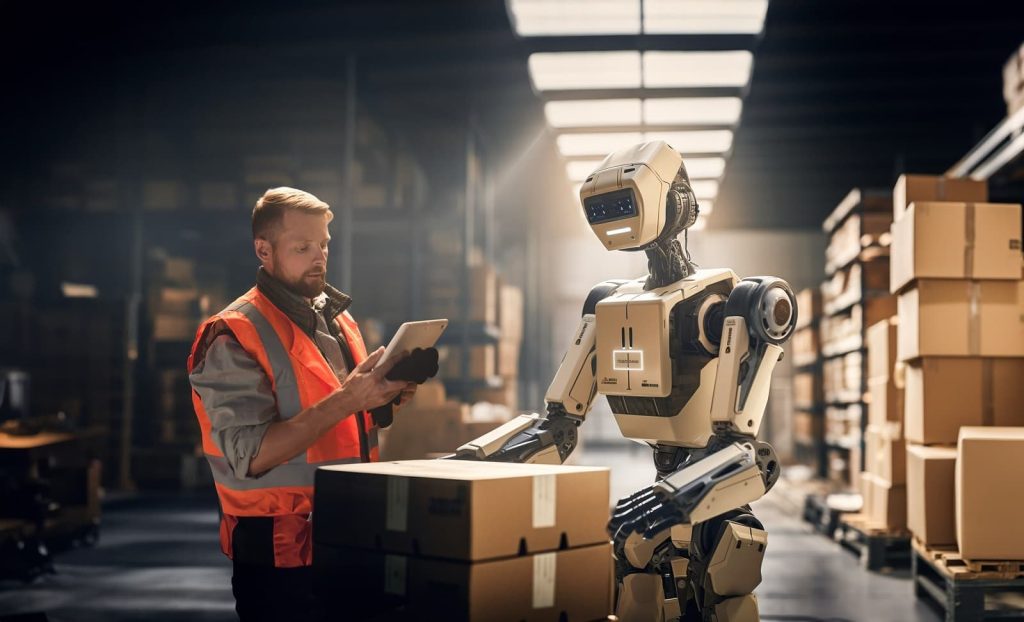
The use of robots in warehouses to handle inventory, pack orders, and transport goods is becoming increasingly common. Amazon, for example, uses robots in its fulfillment centers to perform these tasks, reducing the need for human labor. AI algorithms optimize workflows, track goods, and predict inventory needs, allowing for more efficient and cost-effective operations.

2.4 Customer Service and Retail

AI-powered systems are gradually replacing human employees in the customer service and retail sectors. Chatbots and virtual assistants are used to handle customer inquiries, resolve issues, and provide personalized recommendations. In retail, automated checkout systems and inventory management tools are reducing the need for cashiers and stock clerks.

2.4.1 Retail Automation

The introduction of self-checkout systems, robotic inventory management, and automated stocking is reshaping the retail sector. Retailers are increasingly adopting AI-driven technology to manage store operations more efficiently. These systems use image recognition and natural language processing to improve the customer experience and reduce the reliance on human workers.

3. The Social and Economic Impacts of Automation

3.1 Job Displacement and the Future of Employment

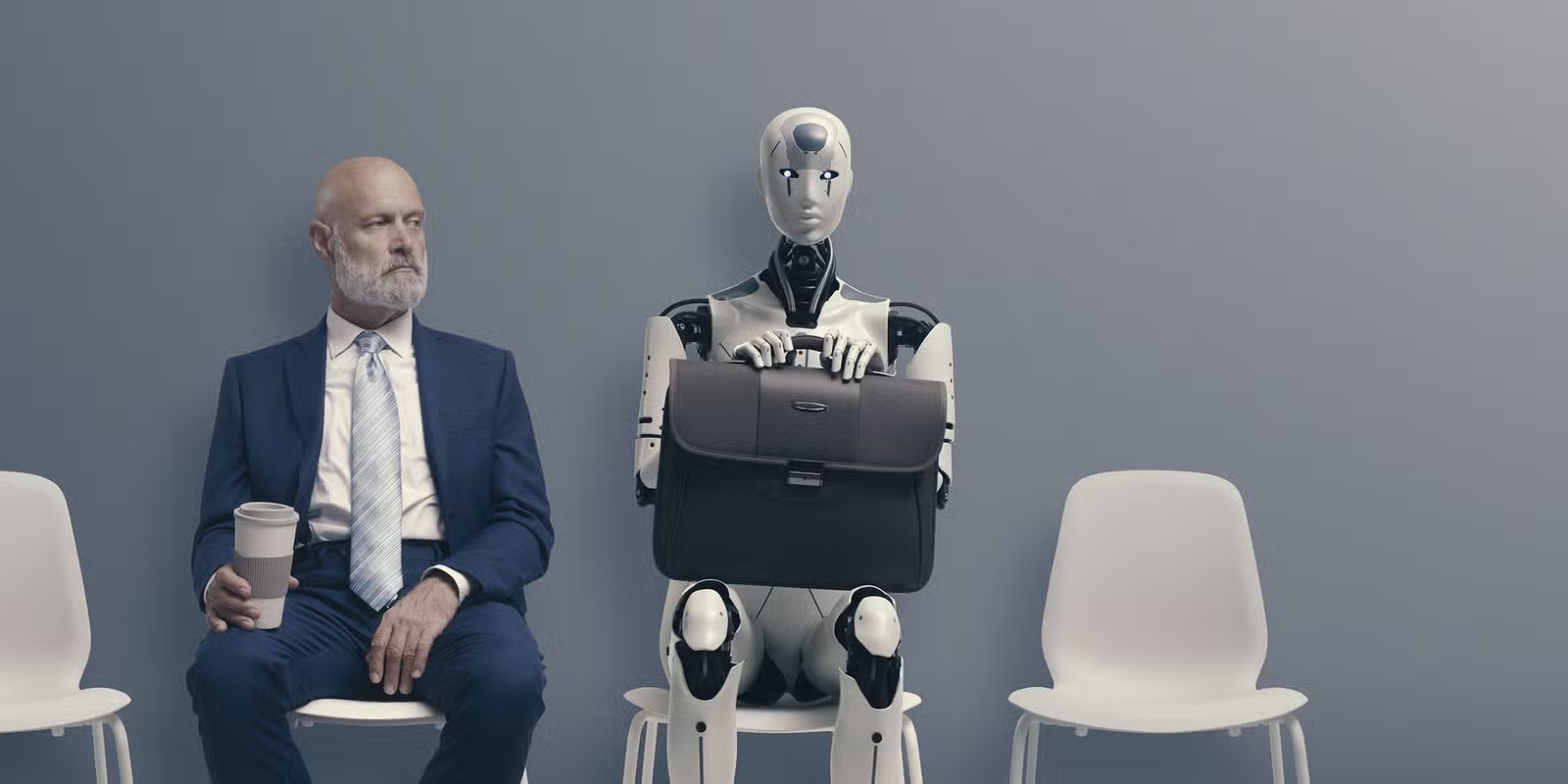
One of the most significant concerns surrounding automation and AI is the potential for job displacement. Many traditional jobs, especially in sectors such as manufacturing, transportation, and customer service, are at risk of being replaced by machines. This shift raises important questions about the future of work and how to prepare workers for an increasingly automated world.

3.1.1 Low-Skill Jobs at High Risk

Jobs that require routine, manual labor—such as factory work, driving, and retail—are among the most vulnerable to automation. AI and robotics can perform these tasks more efficiently and at a lower cost than humans, which may lead to mass unemployment in these industries. For workers who have spent years in these roles, retraining and reskilling will be essential to prepare for new, more technologically advanced jobs.

3.1.2 New Job Creation

While automation may displace certain jobs, it is also likely to create new ones. For example, the AI industry requires engineers, data scientists, and software developers to design, maintain, and optimize systems. Similarly, as robots become more integrated into various industries, there will be a demand for robot maintenance, repair, and programming specialists. However, the challenge lies in ensuring that displaced workers have access to the education and training necessary to transition into these new roles.

3.2 Impact on Income Inequality

The widespread adoption of automation could exacerbate income inequality. Highly skilled workers in fields like AI development and robotics engineering are likely to benefit from increased demand for their expertise, while low-skilled workers face job loss and stagnant wages. Governments and organizations will need to implement policies to address these disparities and ensure that the benefits of automation are shared equitably.


4. Adapting to Automation: Strategies for the Future

4.1 Reskilling and Education

To mitigate the impact of job displacement, reskilling and education will be crucial. Governments and businesses must invest in training programs that help workers acquire the skills necessary for the jobs of the future. This includes fostering expertise in STEM (Science, Technology, Engineering, and Math) fields, as well as in areas that are less likely to be automated, such as creativity, critical thinking, and emotional intelligence.

4.2 Universal Basic Income (UBI)

Some experts argue that as automation displaces jobs, governments may need to implement Universal Basic Income (UBI) programs to provide a safety net for displaced workers. UBI would provide a fixed income to all citizens, regardless of employment status, allowing individuals to maintain their standard of living while seeking retraining or pursuing new ventures.

4.3 Human-Robot Collaboration

Instead of fully replacing humans, the future of work may lie in human-robot collaboration. Robots can handle repetitive, dangerous, or physically demanding tasks, while humans can focus on decision-making, creativity, and problem-solving. This collaborative approach has the potential to enhance productivity and improve job satisfaction by allowing workers to focus on more intellectually stimulating tasks.


5. Conclusion

The advancement of robotics and AI technologies is set to redefine the future of work. While these technologies promise increased efficiency and productivity, they also raise significant challenges related to job displacement, income inequality, and the need for reskilling. The key to navigating this shift will lie in education, adaptability, and policy interventions that ensure the benefits of automation are broadly distributed. As we move forward, collaboration between humans and machines will likely become the norm, rather than competition. By embracing these changes, society can harness the full potential of automation to improve lives and shape a more sustainable future for work.
Tags: Automation and AIFuturesRobotic Technology
ShareTweetShare

Related Posts

Robotics and Societal Change: Smart Cities and Digitalized Living
Futures

Robotics and Societal Change: Smart Cities and Digitalized Living

December 1, 2025
The Widespread Application of Robotics: Potential Impact on Traditional Jobs
Futures

The Widespread Application of Robotics: Potential Impact on Traditional Jobs

November 30, 2025
Smart Homes and Life Assistants: The Future of Everyday Living
Futures

Smart Homes and Life Assistants: The Future of Everyday Living

November 29, 2025
The Expanding Role of Robots in the Service Industry: From Customer Service to Personalized Healthcare
Futures

The Expanding Role of Robots in the Service Industry: From Customer Service to Personalized Healthcare

November 28, 2025
Fully Automated Production and Services: The Future of Industry and Innovation
Futures

Fully Automated Production and Services: The Future of Industry and Innovation

November 27, 2025
The Future of Robots: From Tools to Understanding, Learning, and Responding to Human Society
Futures

The Future of Robots: From Tools to Understanding, Learning, and Responding to Human Society

November 26, 2025
Leave Comment
  • Trending
  • Comments
  • Latest
The Revolutionary Impact of Robotics on Disaster Rescue and Environmental Protection

The Revolutionary Impact of Robotics on Disaster Rescue and Environmental Protection

October 20, 2025
Defining the Relationship Between Humans and Robots

Defining the Relationship Between Humans and Robots

October 20, 2025
Biomimetics: A Multidisciplinary Approach to the Future of Robotics and Innovation

Biomimetics: A Multidisciplinary Approach to the Future of Robotics and Innovation

October 20, 2025
The Continuous Evolution of Bionic Robot Technology: A Catalyst for Applications in Complex Environments

The Continuous Evolution of Bionic Robot Technology: A Catalyst for Applications in Complex Environments

October 20, 2025
The Integration of Artificial Intelligence and Human-Computer Interaction

The Integration of Artificial Intelligence and Human-Computer Interaction

Researching How Machines Can Recognize and Understand Human Emotions to Improve the Naturalness of Human-Computer Interaction

Researching How Machines Can Recognize and Understand Human Emotions to Improve the Naturalness of Human-Computer Interaction

AI Can Recognize User Emotions Through Facial Expressions, Voice Tones, and Other Signals and Respond Accordingly

AI Can Recognize User Emotions Through Facial Expressions, Voice Tones, and Other Signals and Respond Accordingly

Voice Assistant Research Drives Breakthroughs in Speech Recognition and Natural Language Understanding

Voice Assistant Research Drives Breakthroughs in Speech Recognition and Natural Language Understanding

Robotics and Societal Change: Smart Cities and Digitalized Living

Robotics and Societal Change: Smart Cities and Digitalized Living

December 1, 2025
How to Improve Robot Flexibility While Ensuring Strength and Durability: A Major Technological Challenge

How to Improve Robot Flexibility While Ensuring Strength and Durability: A Major Technological Challenge

December 1, 2025
The Application of Robotics and Automated Logistics Systems in Supply Chain Management

The Application of Robotics and Automated Logistics Systems in Supply Chain Management

December 1, 2025
Edge Computing: A Key Technology for Real-Time Computer Vision Applications

Edge Computing: A Key Technology for Real-Time Computer Vision Applications

December 1, 2025
AnthroboticsLab

Through expert commentary and deep dives into industry trends and ethical considerations, we bridge the gap between academic research and real-world application, fostering a deeper understanding of our technological future.

© 2025 anthroboticslab.com. contacts:[email protected]

No Result
View All Result
  • Home
  • Research
  • Technology
  • Industry
  • Insights
  • Futures

© 2025 anthroboticslab.com. contacts:[email protected]

Welcome Back!

Login to your account below

Forgotten Password?

Retrieve your password

Please enter your username or email address to reset your password.

Log In