




AnthroboticsLab
  • Home
  • Research
    Soft Robotics: Advancements in Bio-Inspired Flexible Systems

    Soft Robotics: Advancements in Bio-Inspired Flexible Systems

    Autonomous Robots and Reinforcement Learning: Paving the Way for Intelligent Machines

    Autonomous Robots and Reinforcement Learning: Paving the Way for Intelligent Machines

    Designing Adaptive User Interfaces: Enhancing Human-Computer Interaction through Dynamic Interfaces

    Designing Adaptive User Interfaces: Enhancing Human-Computer Interaction through Dynamic Interfaces

    Human-Machine Interaction in Augmented Reality and Virtual Reality: A Comprehensive Exploration

    Human-Machine Interaction in Augmented Reality and Virtual Reality: A Comprehensive Exploration

    Affective Computing and Human-Machine Emotional Interaction: The Future of Emotional AI

    Affective Computing and Human-Machine Emotional Interaction: The Future of Emotional AI

    Researching How Machines Can Understand, Recognize, and Respond to Human Emotions

    Researching How Machines Can Understand, Recognize, and Respond to Human Emotions

  • Technology
    Edge Computing: A Key Technology for Real-Time Computer Vision Applications

    Edge Computing: A Key Technology for Real-Time Computer Vision Applications

    Image Fusion in Computer Vision: Enhancing Scene Understanding Through Multi-Sensor Integration

    Image Fusion in Computer Vision: Enhancing Scene Understanding Through Multi-Sensor Integration

    Sensor Fusion Technology: Achieving High-Precision Environmental Perception in Modern Robotics

    Sensor Fusion Technology: Achieving High-Precision Environmental Perception in Modern Robotics

    3D Vision Reconstruction and Depth Estimation: Foundations, Techniques, and Applications

    3D Vision Reconstruction and Depth Estimation: Foundations, Techniques, and Applications

    Computer Vision: The Foundation of Robotic Perception and Its Broad Applications in Autonomous Driving, Industrial Automation, and Medical Surgery

    Computer Vision: The Foundation of Robotic Perception and Its Broad Applications in Autonomous Driving, Industrial Automation, and Medical Surgery

    Ensuring Robots Do Not Harm Humans While Performing Tasks

    Ensuring Robots Do Not Harm Humans While Performing Tasks

  • Industry
    The Application of Robotics and Automated Logistics Systems in Supply Chain Management

    The Application of Robotics and Automated Logistics Systems in Supply Chain Management

    Collaborative Robots and Human Workers: Enhancing Productivity and Ensuring Worker Safety

    Collaborative Robots and Human Workers: Enhancing Productivity and Ensuring Worker Safety

    Modern Production Lines: Emphasizing Flexibility and Customization

    Modern Production Lines: Emphasizing Flexibility and Customization

    The Expanding Role of Robots in Manufacturing: Advancements, Applications, and Future Prospects

    The Expanding Role of Robots in Manufacturing: Advancements, Applications, and Future Prospects

    Industry 4.0: Revolutionizing Manufacturing with IoT, AI, Robotics, and Big Data

    Industry 4.0: Revolutionizing Manufacturing with IoT, AI, Robotics, and Big Data

    Smart Manufacturing and Industry 4.0: Revolutionizing the Future of Production

    Smart Manufacturing and Industry 4.0: Revolutionizing the Future of Production

  • Insights
    How to Improve Robot Flexibility While Ensuring Strength and Durability: A Major Technological Challenge

    How to Improve Robot Flexibility While Ensuring Strength and Durability: A Major Technological Challenge

    Expert Interview: The Future of Biomimicry in Technology and Innovation

    Expert Interview: The Future of Biomimicry in Technology and Innovation

    Biomimetic Robots: Drawing Inspiration from Nature to Simulate the Behavior and Structure of Plants and Animals

    Biomimetic Robots: Drawing Inspiration from Nature to Simulate the Behavior and Structure of Plants and Animals

    Recent Advances in Flexible Materials and Bionic Muscle Actuation Technologies

    Recent Advances in Flexible Materials and Bionic Muscle Actuation Technologies

    Integrating Artificial Intelligence and Biomimetics: How Bionic Robots in Healthcare Can Provide Personalized Treatment Plans

    Integrating Artificial Intelligence and Biomimetics: How Bionic Robots in Healthcare Can Provide Personalized Treatment Plans

    The Great Potential of Bionic Robots in Neurorehabilitation

    The Great Potential of Bionic Robots in Neurorehabilitation

  • Futures
    Robotics and Societal Change: Smart Cities and Digitalized Living

    Robotics and Societal Change: Smart Cities and Digitalized Living

    The Widespread Application of Robotics: Potential Impact on Traditional Jobs

    The Widespread Application of Robotics: Potential Impact on Traditional Jobs

    Smart Homes and Life Assistants: The Future of Everyday Living

    Smart Homes and Life Assistants: The Future of Everyday Living

    The Expanding Role of Robots in the Service Industry: From Customer Service to Personalized Healthcare

    The Expanding Role of Robots in the Service Industry: From Customer Service to Personalized Healthcare

    Fully Automated Production and Services: The Future of Industry and Innovation

    Fully Automated Production and Services: The Future of Industry and Innovation

    The Future of Robots: From Tools to Understanding, Learning, and Responding to Human Society

    The Future of Robots: From Tools to Understanding, Learning, and Responding to Human Society

AnthroboticsLab
  • Home
  • Research
    Soft Robotics: Advancements in Bio-Inspired Flexible Systems

    Soft Robotics: Advancements in Bio-Inspired Flexible Systems

    Autonomous Robots and Reinforcement Learning: Paving the Way for Intelligent Machines

    Autonomous Robots and Reinforcement Learning: Paving the Way for Intelligent Machines

    Designing Adaptive User Interfaces: Enhancing Human-Computer Interaction through Dynamic Interfaces

    Designing Adaptive User Interfaces: Enhancing Human-Computer Interaction through Dynamic Interfaces

    Human-Machine Interaction in Augmented Reality and Virtual Reality: A Comprehensive Exploration

    Human-Machine Interaction in Augmented Reality and Virtual Reality: A Comprehensive Exploration

    Affective Computing and Human-Machine Emotional Interaction: The Future of Emotional AI

    Affective Computing and Human-Machine Emotional Interaction: The Future of Emotional AI

    Researching How Machines Can Understand, Recognize, and Respond to Human Emotions

    Researching How Machines Can Understand, Recognize, and Respond to Human Emotions

  • Technology
    Edge Computing: A Key Technology for Real-Time Computer Vision Applications

    Edge Computing: A Key Technology for Real-Time Computer Vision Applications

    Image Fusion in Computer Vision: Enhancing Scene Understanding Through Multi-Sensor Integration

    Image Fusion in Computer Vision: Enhancing Scene Understanding Through Multi-Sensor Integration

    Sensor Fusion Technology: Achieving High-Precision Environmental Perception in Modern Robotics

    Sensor Fusion Technology: Achieving High-Precision Environmental Perception in Modern Robotics

    3D Vision Reconstruction and Depth Estimation: Foundations, Techniques, and Applications

    3D Vision Reconstruction and Depth Estimation: Foundations, Techniques, and Applications

    Computer Vision: The Foundation of Robotic Perception and Its Broad Applications in Autonomous Driving, Industrial Automation, and Medical Surgery

    Computer Vision: The Foundation of Robotic Perception and Its Broad Applications in Autonomous Driving, Industrial Automation, and Medical Surgery

    Ensuring Robots Do Not Harm Humans While Performing Tasks

    Ensuring Robots Do Not Harm Humans While Performing Tasks

  • Industry
    The Application of Robotics and Automated Logistics Systems in Supply Chain Management

    The Application of Robotics and Automated Logistics Systems in Supply Chain Management

    Collaborative Robots and Human Workers: Enhancing Productivity and Ensuring Worker Safety

    Collaborative Robots and Human Workers: Enhancing Productivity and Ensuring Worker Safety

    Modern Production Lines: Emphasizing Flexibility and Customization

    Modern Production Lines: Emphasizing Flexibility and Customization

    The Expanding Role of Robots in Manufacturing: Advancements, Applications, and Future Prospects

    The Expanding Role of Robots in Manufacturing: Advancements, Applications, and Future Prospects

    Industry 4.0: Revolutionizing Manufacturing with IoT, AI, Robotics, and Big Data

    Industry 4.0: Revolutionizing Manufacturing with IoT, AI, Robotics, and Big Data

    Smart Manufacturing and Industry 4.0: Revolutionizing the Future of Production

    Smart Manufacturing and Industry 4.0: Revolutionizing the Future of Production

  • Insights
    How to Improve Robot Flexibility While Ensuring Strength and Durability: A Major Technological Challenge

    How to Improve Robot Flexibility While Ensuring Strength and Durability: A Major Technological Challenge

    Expert Interview: The Future of Biomimicry in Technology and Innovation

    Expert Interview: The Future of Biomimicry in Technology and Innovation

    Biomimetic Robots: Drawing Inspiration from Nature to Simulate the Behavior and Structure of Plants and Animals

    Biomimetic Robots: Drawing Inspiration from Nature to Simulate the Behavior and Structure of Plants and Animals

    Recent Advances in Flexible Materials and Bionic Muscle Actuation Technologies

    Recent Advances in Flexible Materials and Bionic Muscle Actuation Technologies

    Integrating Artificial Intelligence and Biomimetics: How Bionic Robots in Healthcare Can Provide Personalized Treatment Plans

    Integrating Artificial Intelligence and Biomimetics: How Bionic Robots in Healthcare Can Provide Personalized Treatment Plans

    The Great Potential of Bionic Robots in Neurorehabilitation

    The Great Potential of Bionic Robots in Neurorehabilitation

  • Futures
    Robotics and Societal Change: Smart Cities and Digitalized Living

    Robotics and Societal Change: Smart Cities and Digitalized Living

    The Widespread Application of Robotics: Potential Impact on Traditional Jobs

    The Widespread Application of Robotics: Potential Impact on Traditional Jobs

    Smart Homes and Life Assistants: The Future of Everyday Living

    Smart Homes and Life Assistants: The Future of Everyday Living

    The Expanding Role of Robots in the Service Industry: From Customer Service to Personalized Healthcare

    The Expanding Role of Robots in the Service Industry: From Customer Service to Personalized Healthcare

    Fully Automated Production and Services: The Future of Industry and Innovation

    Fully Automated Production and Services: The Future of Industry and Innovation

    The Future of Robots: From Tools to Understanding, Learning, and Responding to Human Society

    The Future of Robots: From Tools to Understanding, Learning, and Responding to Human Society

AnthroboticsLab
No Result
View All Result
Home Futures

As Machines Gradually Replace Humans in More Tasks, the Role of Humans Will Change

October 15, 2025
in Futures
As Machines Gradually Replace Humans in More Tasks, the Role of Humans Will Change

1. Introduction

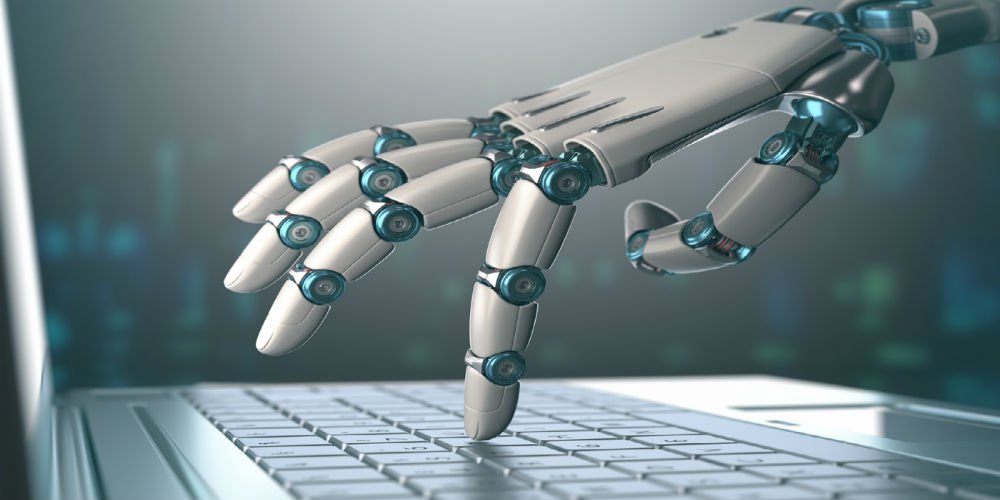
The rapid progress of robotics and artificial intelligence has led to a profound shift in the way industries operate. Robots and AI are now capable of performing a wide range of tasks that were once exclusively performed by humans. From manufacturing lines to medical diagnoses and even creative endeavors, machines are increasingly stepping in to perform work that was traditionally done by human workers.

While many fear this technological leap will lead to widespread job losses, it is essential to understand that the role of humans is not necessarily being replaced but rather transformed. This transformation presents both opportunities and challenges. For instance, humans will need to adapt to new roles that focus more on strategic decision-making, creativity, and collaboration with machines, rather than merely performing routine tasks.

In this article, we explore the transition towards automation and examine the ways in which the roles of humans will evolve as machines take over various aspects of work. We will also consider the broader societal implications, including the reshaping of industries, labor markets, and education systems.


2. The Rise of Automation: A Snapshot of the Current Landscape

2.1 Automation and AI in the Workforce

Automation, powered by robots and AI, has already made significant inroads into many sectors. Manufacturing, transportation, healthcare, and even creative industries are being transformed by intelligent machines capable of performing tasks more efficiently and with greater precision than humans.

2.1.1 Robotics in Manufacturing

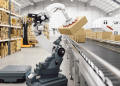
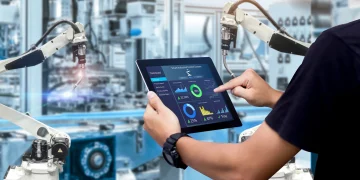
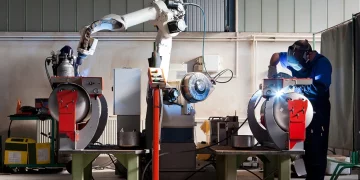
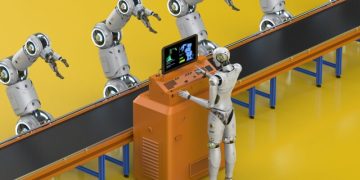
Robots have long been used in manufacturing settings for tasks like assembly, welding, and painting. Over the years, their capabilities have expanded, particularly with the integration of AI technologies. These machines can now adapt to changes in the production line, optimize workflows, and even detect faults in real-time. With further advancements, robots are beginning to take on more complex tasks traditionally carried out by human workers, such as quality control and even design.

2.1.2 AI in Healthcare

AI is playing an increasingly important role in diagnostics, robotic surgery, and patient care. AI-driven tools are now capable of analyzing medical images, predicting patient outcomes, and even assisting in decision-making during surgeries. While human doctors remain central to the healthcare process, AI is evolving into an invaluable assistant, capable of performing routine tasks and allowing medical professionals to focus on higher-level decision-making and patient care.

2.1.3 Transportation and Logistics Automation

Self-driving vehicles, drones, and autonomous delivery systems are transforming logistics and transportation. These machines are designed to perform tasks such as delivery and transporting goods with minimal human intervention. While the widespread adoption of self-driving cars and trucks may not be imminent, early trials and pilot programs indicate that this technology has the potential to significantly alter the future of the transportation industry.

3. How the Role of Humans Is Changing

3.1 From Routine Tasks to Strategic Thinking

As machines take over repetitive, low-level tasks, human roles are increasingly centered around tasks that require higher-order cognitive skills, such as strategic thinking, problem-solving, and creativity. Rather than performing repetitive actions, workers will focus on overseeing, interpreting, and guiding automated systems.

3.1.1 Creative and Cognitive Roles

As automation frees up humans from the drudgery of mundane tasks, people are expected to shift toward roles that require creativity and emotional intelligence—two areas where humans still far surpass machines. This includes professions in design, art, music, and marketing—fields where creativity, personal touch, and storytelling remain essential.

3.1.2 Human-Machine Collaboration

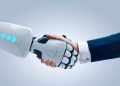
The future of work is likely to be defined by collaboration between humans and robots. This means that humans will increasingly work alongside machines, providing oversight and direction to ensure that automation systems align with organizational goals. In some cases, humans will have to provide input in ambiguous, uncertain situations where machines lack the ability to make nuanced judgments.

For example, AI can analyze large data sets and offer recommendations based on patterns and trends. However, human judgment will still be needed to make decisions about ethical considerations, social impact, and long-term consequences. Humans will act as decision-makers, overseeing the broader implications of automation, especially when it comes to complex problem-solving.

3.2 New Skills and Knowledge Areas

With the increasing use of robotics and AI, the demand for technical skills is expected to rise dramatically. Professionals who understand robotics, machine learning, data analysis, and AI programming will be in high demand. At the same time, workers will need to adapt their roles to incorporate collaboration with machines, requiring new skill sets that bridge the gap between technology and human expertise.

3.2.1 Upskilling and Reskilling

As automation takes over, many current job categories will disappear or be altered. Workers who have historically been employed in routine-based roles will need to undergo reskilling or upskilling to acquire new competencies. This might include learning how to manage and program robots, understanding AI systems, and developing soft skills like problem-solving and critical thinking.

The reskilling challenge is significant and must be met by both government and private sector initiatives. Institutions of higher learning, vocational schools, and even companies will need to provide the necessary training to help workers transition to new roles in a more technology-driven economy.

3.2.2 Human-Technology Literacy

In addition to technical skills, there will be an increasing need for human-technology literacy. This involves understanding how to interact with automated systems and how to leverage technology to enhance productivity. It also means recognizing the ethical implications of technology and how its use can affect society, the economy, and the environment.


4. The Impact on Society: Opportunities and Challenges

4.1 Job Displacement vs. Job Creation

One of the primary concerns surrounding the rise of automation is job displacement. As machines become more capable, many traditional jobs—especially those involving routine and manual labor—are at risk of being automated. Jobs in sectors like manufacturing, retail, and transportation are particularly vulnerable.

However, automation does not necessarily mean the end of employment. In fact, automation is expected to lead to the creation of entirely new industries and roles that we cannot yet fully envision. For example, the rise of automation could lead to an increase in demand for roles related to the development, maintenance, and oversight of robots and AI systems.

4.1.1 Emerging Industries

Automation is already creating new job categories in industries like robotics engineering, AI development, and data science. As automation becomes more pervasive, it will likely spawn new industries that are centered around managing and maintaining these systems. Technological innovation will also give rise to new sectors, such as AI ethics, cybersecurity, and human-robot interaction.

4.2 Social Implications of Job Losses

As some jobs disappear, income inequality could become a growing issue. Those who are displaced by automation may struggle to find new work without adequate retraining opportunities. Universal Basic Income (UBI) has been suggested as a potential solution to provide financial support for those who lose their jobs due to automation, allowing them to maintain a basic standard of living while they retrain or transition to new careers.

At the same time, the reduction in routine jobs could lead to more fulfilling, creative, and intellectually stimulating roles for workers. The challenge lies in ensuring that the benefits of automation are broadly shared and that the workforce is adequately prepared for the changes ahead.


5. The Future of Work: A Human-Centric Approach

5.1 Collaboration and Human Flourishing

The future of work is likely to be cooperative, rather than competitive, with humans and robots working together to achieve shared goals. As robots take over routine tasks, humans will be freed to focus on higher-level functions that require empathy, creativity, and critical thinking. The role of human workers will increasingly center on innovation, leadership, and decision-making, areas where humans have a distinct advantage over machines.

5.2 Redefining Work in a Technological Age

In the future, the concept of work may undergo a radical transformation. Traditional roles may be replaced by roles that require humans to engage with machines as partners, leveraging their strengths while contributing uniquely human capabilities. This will require a shift in mindset and a focus on skills that complement rather than compete with automated technologies.


6. Conclusion

As machines gradually replace humans in more tasks, the role of humans will not simply disappear, but evolve. The future of work will be defined by human-robot collaboration, where robots handle repetitive and mundane tasks, and humans focus on creative, strategic, and emotional aspects of work. While the transition may present challenges, it also offers unprecedented opportunities for human workers to engage in more meaningful, fulfilling roles.

By prioritizing education, adaptability, and policy development, society can navigate this transition smoothly, ensuring that both humans and machines contribute to a prosperous and sustainable future.
Tags: FuturesHumansMachines
ShareTweetShare

Related Posts

Robotics and Societal Change: Smart Cities and Digitalized Living
Futures

Robotics and Societal Change: Smart Cities and Digitalized Living

December 1, 2025
The Widespread Application of Robotics: Potential Impact on Traditional Jobs
Futures

The Widespread Application of Robotics: Potential Impact on Traditional Jobs

November 30, 2025
Smart Homes and Life Assistants: The Future of Everyday Living
Futures

Smart Homes and Life Assistants: The Future of Everyday Living

November 29, 2025
The Expanding Role of Robots in the Service Industry: From Customer Service to Personalized Healthcare
Futures

The Expanding Role of Robots in the Service Industry: From Customer Service to Personalized Healthcare

November 28, 2025
Fully Automated Production and Services: The Future of Industry and Innovation
Futures

Fully Automated Production and Services: The Future of Industry and Innovation

November 27, 2025
The Future of Robots: From Tools to Understanding, Learning, and Responding to Human Society
Futures

The Future of Robots: From Tools to Understanding, Learning, and Responding to Human Society

November 26, 2025
Leave Comment
  • Trending
  • Comments
  • Latest
The Revolutionary Impact of Robotics on Disaster Rescue and Environmental Protection

The Revolutionary Impact of Robotics on Disaster Rescue and Environmental Protection

October 20, 2025
Defining the Relationship Between Humans and Robots

Defining the Relationship Between Humans and Robots

October 20, 2025
Biomimetics: A Multidisciplinary Approach to the Future of Robotics and Innovation

Biomimetics: A Multidisciplinary Approach to the Future of Robotics and Innovation

October 20, 2025
The Continuous Evolution of Bionic Robot Technology: A Catalyst for Applications in Complex Environments

The Continuous Evolution of Bionic Robot Technology: A Catalyst for Applications in Complex Environments

October 20, 2025
The Integration of Artificial Intelligence and Human-Computer Interaction

The Integration of Artificial Intelligence and Human-Computer Interaction

Researching How Machines Can Recognize and Understand Human Emotions to Improve the Naturalness of Human-Computer Interaction

Researching How Machines Can Recognize and Understand Human Emotions to Improve the Naturalness of Human-Computer Interaction

AI Can Recognize User Emotions Through Facial Expressions, Voice Tones, and Other Signals and Respond Accordingly

AI Can Recognize User Emotions Through Facial Expressions, Voice Tones, and Other Signals and Respond Accordingly

Voice Assistant Research Drives Breakthroughs in Speech Recognition and Natural Language Understanding

Voice Assistant Research Drives Breakthroughs in Speech Recognition and Natural Language Understanding

Robotics and Societal Change: Smart Cities and Digitalized Living

Robotics and Societal Change: Smart Cities and Digitalized Living

December 1, 2025
How to Improve Robot Flexibility While Ensuring Strength and Durability: A Major Technological Challenge

How to Improve Robot Flexibility While Ensuring Strength and Durability: A Major Technological Challenge

December 1, 2025
The Application of Robotics and Automated Logistics Systems in Supply Chain Management

The Application of Robotics and Automated Logistics Systems in Supply Chain Management

December 1, 2025
Edge Computing: A Key Technology for Real-Time Computer Vision Applications

Edge Computing: A Key Technology for Real-Time Computer Vision Applications

December 1, 2025
AnthroboticsLab

Through expert commentary and deep dives into industry trends and ethical considerations, we bridge the gap between academic research and real-world application, fostering a deeper understanding of our technological future.

© 2025 anthroboticslab.com. contacts:[email protected]

No Result
View All Result
  • Home
  • Research
  • Technology
  • Industry
  • Insights
  • Futures

© 2025 anthroboticslab.com. contacts:[email protected]

Welcome Back!

Login to your account below

Forgotten Password?

Retrieve your password

Please enter your username or email address to reset your password.

Log In