










AnthroboticsLab
  • Home
  • Research
    Soft Robotics: Advancements in Bio-Inspired Flexible Systems

    Soft Robotics: Advancements in Bio-Inspired Flexible Systems

    Autonomous Robots and Reinforcement Learning: Paving the Way for Intelligent Machines

    Autonomous Robots and Reinforcement Learning: Paving the Way for Intelligent Machines

    Designing Adaptive User Interfaces: Enhancing Human-Computer Interaction through Dynamic Interfaces

    Designing Adaptive User Interfaces: Enhancing Human-Computer Interaction through Dynamic Interfaces

    Human-Machine Interaction in Augmented Reality and Virtual Reality: A Comprehensive Exploration

    Human-Machine Interaction in Augmented Reality and Virtual Reality: A Comprehensive Exploration

    Affective Computing and Human-Machine Emotional Interaction: The Future of Emotional AI

    Affective Computing and Human-Machine Emotional Interaction: The Future of Emotional AI

    Researching How Machines Can Understand, Recognize, and Respond to Human Emotions

    Researching How Machines Can Understand, Recognize, and Respond to Human Emotions

  • Technology
    Edge Computing: A Key Technology for Real-Time Computer Vision Applications

    Edge Computing: A Key Technology for Real-Time Computer Vision Applications

    Image Fusion in Computer Vision: Enhancing Scene Understanding Through Multi-Sensor Integration

    Image Fusion in Computer Vision: Enhancing Scene Understanding Through Multi-Sensor Integration

    Sensor Fusion Technology: Achieving High-Precision Environmental Perception in Modern Robotics

    Sensor Fusion Technology: Achieving High-Precision Environmental Perception in Modern Robotics

    3D Vision Reconstruction and Depth Estimation: Foundations, Techniques, and Applications

    3D Vision Reconstruction and Depth Estimation: Foundations, Techniques, and Applications

    Computer Vision: The Foundation of Robotic Perception and Its Broad Applications in Autonomous Driving, Industrial Automation, and Medical Surgery

    Computer Vision: The Foundation of Robotic Perception and Its Broad Applications in Autonomous Driving, Industrial Automation, and Medical Surgery

    Ensuring Robots Do Not Harm Humans While Performing Tasks

    Ensuring Robots Do Not Harm Humans While Performing Tasks

  • Industry
    The Application of Robotics and Automated Logistics Systems in Supply Chain Management

    The Application of Robotics and Automated Logistics Systems in Supply Chain Management

    Collaborative Robots and Human Workers: Enhancing Productivity and Ensuring Worker Safety

    Collaborative Robots and Human Workers: Enhancing Productivity and Ensuring Worker Safety

    Modern Production Lines: Emphasizing Flexibility and Customization

    Modern Production Lines: Emphasizing Flexibility and Customization

    The Expanding Role of Robots in Manufacturing: Advancements, Applications, and Future Prospects

    The Expanding Role of Robots in Manufacturing: Advancements, Applications, and Future Prospects

    Industry 4.0: Revolutionizing Manufacturing with IoT, AI, Robotics, and Big Data

    Industry 4.0: Revolutionizing Manufacturing with IoT, AI, Robotics, and Big Data

    Smart Manufacturing and Industry 4.0: Revolutionizing the Future of Production

    Smart Manufacturing and Industry 4.0: Revolutionizing the Future of Production

  • Insights
    How to Improve Robot Flexibility While Ensuring Strength and Durability: A Major Technological Challenge

    How to Improve Robot Flexibility While Ensuring Strength and Durability: A Major Technological Challenge

    Expert Interview: The Future of Biomimicry in Technology and Innovation

    Expert Interview: The Future of Biomimicry in Technology and Innovation

    Biomimetic Robots: Drawing Inspiration from Nature to Simulate the Behavior and Structure of Plants and Animals

    Biomimetic Robots: Drawing Inspiration from Nature to Simulate the Behavior and Structure of Plants and Animals

    Recent Advances in Flexible Materials and Bionic Muscle Actuation Technologies

    Recent Advances in Flexible Materials and Bionic Muscle Actuation Technologies

    Integrating Artificial Intelligence and Biomimetics: How Bionic Robots in Healthcare Can Provide Personalized Treatment Plans

    Integrating Artificial Intelligence and Biomimetics: How Bionic Robots in Healthcare Can Provide Personalized Treatment Plans

    The Great Potential of Bionic Robots in Neurorehabilitation

    The Great Potential of Bionic Robots in Neurorehabilitation

  • Futures
    Robotics and Societal Change: Smart Cities and Digitalized Living

    Robotics and Societal Change: Smart Cities and Digitalized Living

    The Widespread Application of Robotics: Potential Impact on Traditional Jobs

    The Widespread Application of Robotics: Potential Impact on Traditional Jobs

    Smart Homes and Life Assistants: The Future of Everyday Living

    Smart Homes and Life Assistants: The Future of Everyday Living

    The Expanding Role of Robots in the Service Industry: From Customer Service to Personalized Healthcare

    The Expanding Role of Robots in the Service Industry: From Customer Service to Personalized Healthcare

    Fully Automated Production and Services: The Future of Industry and Innovation

    Fully Automated Production and Services: The Future of Industry and Innovation

    The Future of Robots: From Tools to Understanding, Learning, and Responding to Human Society

    The Future of Robots: From Tools to Understanding, Learning, and Responding to Human Society

AnthroboticsLab
  • Home
  • Research
    Soft Robotics: Advancements in Bio-Inspired Flexible Systems

    Soft Robotics: Advancements in Bio-Inspired Flexible Systems

    Autonomous Robots and Reinforcement Learning: Paving the Way for Intelligent Machines

    Autonomous Robots and Reinforcement Learning: Paving the Way for Intelligent Machines

    Designing Adaptive User Interfaces: Enhancing Human-Computer Interaction through Dynamic Interfaces

    Designing Adaptive User Interfaces: Enhancing Human-Computer Interaction through Dynamic Interfaces

    Human-Machine Interaction in Augmented Reality and Virtual Reality: A Comprehensive Exploration

    Human-Machine Interaction in Augmented Reality and Virtual Reality: A Comprehensive Exploration

    Affective Computing and Human-Machine Emotional Interaction: The Future of Emotional AI

    Affective Computing and Human-Machine Emotional Interaction: The Future of Emotional AI

    Researching How Machines Can Understand, Recognize, and Respond to Human Emotions

    Researching How Machines Can Understand, Recognize, and Respond to Human Emotions

  • Technology
    Edge Computing: A Key Technology for Real-Time Computer Vision Applications

    Edge Computing: A Key Technology for Real-Time Computer Vision Applications

    Image Fusion in Computer Vision: Enhancing Scene Understanding Through Multi-Sensor Integration

    Image Fusion in Computer Vision: Enhancing Scene Understanding Through Multi-Sensor Integration

    Sensor Fusion Technology: Achieving High-Precision Environmental Perception in Modern Robotics

    Sensor Fusion Technology: Achieving High-Precision Environmental Perception in Modern Robotics

    3D Vision Reconstruction and Depth Estimation: Foundations, Techniques, and Applications

    3D Vision Reconstruction and Depth Estimation: Foundations, Techniques, and Applications

    Computer Vision: The Foundation of Robotic Perception and Its Broad Applications in Autonomous Driving, Industrial Automation, and Medical Surgery

    Computer Vision: The Foundation of Robotic Perception and Its Broad Applications in Autonomous Driving, Industrial Automation, and Medical Surgery

    Ensuring Robots Do Not Harm Humans While Performing Tasks

    Ensuring Robots Do Not Harm Humans While Performing Tasks

  • Industry
    The Application of Robotics and Automated Logistics Systems in Supply Chain Management

    The Application of Robotics and Automated Logistics Systems in Supply Chain Management

    Collaborative Robots and Human Workers: Enhancing Productivity and Ensuring Worker Safety

    Collaborative Robots and Human Workers: Enhancing Productivity and Ensuring Worker Safety

    Modern Production Lines: Emphasizing Flexibility and Customization

    Modern Production Lines: Emphasizing Flexibility and Customization

    The Expanding Role of Robots in Manufacturing: Advancements, Applications, and Future Prospects

    The Expanding Role of Robots in Manufacturing: Advancements, Applications, and Future Prospects

    Industry 4.0: Revolutionizing Manufacturing with IoT, AI, Robotics, and Big Data

    Industry 4.0: Revolutionizing Manufacturing with IoT, AI, Robotics, and Big Data

    Smart Manufacturing and Industry 4.0: Revolutionizing the Future of Production

    Smart Manufacturing and Industry 4.0: Revolutionizing the Future of Production

  • Insights
    How to Improve Robot Flexibility While Ensuring Strength and Durability: A Major Technological Challenge

    How to Improve Robot Flexibility While Ensuring Strength and Durability: A Major Technological Challenge

    Expert Interview: The Future of Biomimicry in Technology and Innovation

    Expert Interview: The Future of Biomimicry in Technology and Innovation

    Biomimetic Robots: Drawing Inspiration from Nature to Simulate the Behavior and Structure of Plants and Animals

    Biomimetic Robots: Drawing Inspiration from Nature to Simulate the Behavior and Structure of Plants and Animals

    Recent Advances in Flexible Materials and Bionic Muscle Actuation Technologies

    Recent Advances in Flexible Materials and Bionic Muscle Actuation Technologies

    Integrating Artificial Intelligence and Biomimetics: How Bionic Robots in Healthcare Can Provide Personalized Treatment Plans

    Integrating Artificial Intelligence and Biomimetics: How Bionic Robots in Healthcare Can Provide Personalized Treatment Plans

    The Great Potential of Bionic Robots in Neurorehabilitation

    The Great Potential of Bionic Robots in Neurorehabilitation

  • Futures
    Robotics and Societal Change: Smart Cities and Digitalized Living

    Robotics and Societal Change: Smart Cities and Digitalized Living

    The Widespread Application of Robotics: Potential Impact on Traditional Jobs

    The Widespread Application of Robotics: Potential Impact on Traditional Jobs

    Smart Homes and Life Assistants: The Future of Everyday Living

    Smart Homes and Life Assistants: The Future of Everyday Living

    The Expanding Role of Robots in the Service Industry: From Customer Service to Personalized Healthcare

    The Expanding Role of Robots in the Service Industry: From Customer Service to Personalized Healthcare

    Fully Automated Production and Services: The Future of Industry and Innovation

    Fully Automated Production and Services: The Future of Industry and Innovation

    The Future of Robots: From Tools to Understanding, Learning, and Responding to Human Society

    The Future of Robots: From Tools to Understanding, Learning, and Responding to Human Society

AnthroboticsLab
No Result
View All Result
Home Industry

Flexible Manufacturing Systems: Automating Production Processes to Enhance Efficiency and Product Quality

October 16, 2025
in Industry
Flexible Manufacturing Systems: Automating Production Processes to Enhance Efficiency and Product Quality

Introduction

In today’s rapidly evolving industrial landscape, the need for adaptive, efficient, and high-quality manufacturing systems is more critical than ever. Traditional manufacturing systems, although effective, often struggle to keep up with dynamic market demands, changing customer preferences, and the increasing complexity of production processes. This is where Flexible Manufacturing Systems (FMS) come into play.

FMS is an advanced manufacturing approach designed to provide greater flexibility, scalability, and automation in production processes. These systems enable factories to respond dynamically to changes in production requirements, facilitating rapid adjustments to the manufacturing workflow. The result is not only enhanced production efficiency but also improved product quality and consistency. In this article, we will explore how FMS works, its core components, advantages, challenges, and its significant impact on modern manufacturing.


What is a Flexible Manufacturing System (FMS)?

A Flexible Manufacturing System (FMS) is a highly automated, computer-controlled system designed to adapt to varying production schedules and product types. Unlike traditional manufacturing setups, which are typically designed to produce a single type of product in large quantities, FMS is capable of handling a wide variety of products with minimal downtime between changes in production.

FMS integrates several key elements that work together to enable its flexibility and efficiency:

  • Automated Machines: FMS typically includes automated machines that can perform a wide range of tasks, from machining to assembly and packaging.
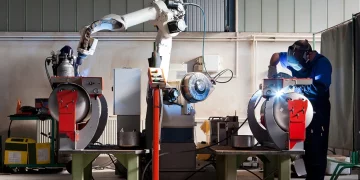
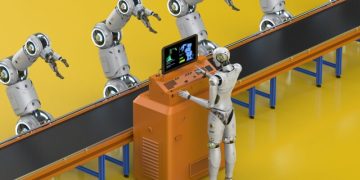
  • Robots and Automation Equipment: Robots are often employed in FMS to handle material handling, part placement, assembly, and quality control.
  • Computer-Controlled Systems: Centralized computer systems are used to control and monitor the entire production process, ensuring real-time adjustments and coordination.
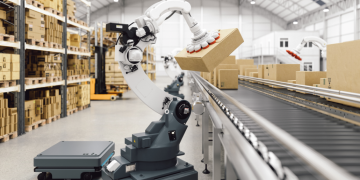
  • Material Handling Systems: Advanced conveyor systems, automated guided vehicles (AGVs), or robotic arms are used to transport materials and finished products within the system.

FMS is often seen in industries such as automotive, aerospace, electronics, and consumer goods, where product variety and frequent changes in production demand are common.


How FMS Improves Production Efficiency

One of the primary goals of a Flexible Manufacturing System is to improve production efficiency. Traditional manufacturing systems can struggle with downtime and inefficiencies when switching between different products or when reacting to unexpected production issues. In contrast, FMS leverages automation, real-time data, and flexible machinery to optimize every stage of the production process.

1. Reduced Changeover Time

A major advantage of FMS is its ability to reduce changeover time—the time it takes to switch production from one product type to another. Traditional systems often require manual intervention and reconfiguration of machines, which can take hours or even days. In an FMS, the system can reprogram machines automatically, adjust production settings, and switch production lines within minutes. This capability is particularly beneficial for industries that need to produce a wide range of products in small or medium batches.

2. Improved Resource Utilization

FMS allows manufacturers to maximize the use of their resources, including machines, human labor, and materials. Because FMS can handle multiple products at once, it reduces the need for dedicated equipment for each product type, enabling machines to be shared across different production tasks. Furthermore, the system can optimize resource allocation by monitoring usage patterns and adjusting production schedules accordingly, ensuring that machines and workers are always operating at peak efficiency.

3. Real-Time Monitoring and Control

The integration of real-time data and computer-controlled systems allows operators to monitor and adjust the production process continuously. This constant feedback loop helps to quickly identify inefficiencies or issues, enabling immediate corrective actions. Real-time monitoring also allows for predictive maintenance, where the system can detect signs of equipment wear and initiate maintenance before a failure occurs, further minimizing downtime.


Impact on Product Quality

While flexibility and efficiency are key benefits of an FMS, product quality is perhaps the most important outcome of implementing such a system. In traditional manufacturing environments, variations in product quality often arise due to human error, inconsistencies in machine calibration, and limitations in process control. FMS, with its automation and advanced control systems, significantly reduces these variations, leading to more consistent, higher-quality products.

1. Precision and Consistency

FMS systems often use advanced technologies like CNC (Computer Numerical Control) machines, robots, and automated sensors to perform tasks with high precision. These technologies ensure that each part is produced with the same level of accuracy, resulting in consistent product quality. Additionally, by automating tasks that were previously handled by human workers, FMS eliminates errors caused by fatigue, inconsistency, or lack of attention to detail.

2. Automated Quality Control

One of the most impactful aspects of FMS is its ability to implement automated quality control throughout the production process. For example, sensors and cameras can be used to inspect products at various stages of manufacturing to ensure they meet predefined quality standards. If a defect is detected, the system can adjust the process in real-time to correct the issue, preventing defective products from progressing through the system. This real-time feedback loop enhances overall product quality and reduces the number of defective products.

3. Customization and Flexibility in Quality Requirements

With FMS, manufacturers can also provide higher levels of product customization without sacrificing quality. The flexibility of FMS allows companies to modify their production processes based on specific customer needs or design requirements. This ability to tailor the production process to meet individual quality specifications while maintaining efficiency makes FMS ideal for industries that require customized products, such as aerospace or medical device manufacturing.


Advantages of Flexible Manufacturing Systems

The adoption of FMS offers numerous benefits to manufacturers, which are critical in today’s competitive global market:

1. Increased Flexibility and Responsiveness

FMS enables manufacturers to quickly respond to changes in customer demand, market conditions, or production specifications. This ability to switch between different products or production volumes with minimal downtime ensures that manufacturers can remain agile in a fast-paced environment.

2. Reduced Inventory Costs

By enabling just-in-time production, FMS helps companies reduce the need for large inventories of raw materials and finished goods. The system can produce products on demand, minimizing storage costs and reducing the risks of overproduction.

3. Lower Labor Costs

With increased automation and fewer manual interventions required, FMS reduces the need for a large workforce. This not only helps cut down labor costs but also allows human workers to focus on higher-level tasks, such as maintenance, system optimization, and decision-making.

4. Improved Customer Satisfaction

FMS enables manufacturers to produce products that meet higher quality standards while offering the flexibility to accommodate different customer preferences. The combination of improved product quality and the ability to customize products leads to greater customer satisfaction and loyalty.


Challenges and Considerations

While the advantages of FMS are substantial, it is essential to recognize the challenges and considerations involved in adopting such systems:

1. High Initial Investment

Implementing a flexible manufacturing system requires a significant upfront investment in machinery, automation, and software. Small or medium-sized manufacturers may find this cost prohibitive, especially when compared to traditional manufacturing systems.

2. Complexity of Integration

Integrating an FMS into an existing manufacturing facility can be a complex task. The system needs to be compatible with existing machines and software, and the workforce must be trained to operate and maintain the new system. Ensuring smooth integration with minimal disruption to ongoing operations is crucial for successful adoption.

3. Maintenance and Upkeep

While FMS can reduce downtime through automated monitoring and predictive maintenance, the system itself requires regular maintenance to ensure its continued performance. This includes software updates, hardware checks, and system optimizations, all of which require specialized knowledge and expertise.

4. Risk of Over-Automation

Over-reliance on automation can result in a lack of human oversight and intervention. While FMS can handle most tasks autonomously, human involvement is still essential for troubleshooting, decision-making in unexpected situations, and ensuring that the system operates within regulatory or safety guidelines.


Future Trends and Developments

The future of FMS is closely tied to advances in robotics, AI, and machine learning. As these technologies continue to evolve, we can expect FMS systems to become even more adaptable, intelligent, and efficient. Here are a few key trends that will shape the future of flexible manufacturing:

1. Artificial Intelligence Integration

AI and machine learning are set to play a significant role in the future of FMS. By integrating AI into FMS, manufacturers can enhance predictive maintenance, optimize production schedules in real-time, and make better decisions based on historical data. AI will enable smart manufacturing, where systems can autonomously adjust to changing conditions and continuously improve over time.

2. Collaborative Robots (Cobots)

The use of collaborative robots (cobots) is expected to increase, particularly in environments where robots work alongside human workers. These robots are designed to safely interact with people, providing flexibility and efficiency while allowing humans to focus on higher-level tasks such as planning and quality control.

3. Digital Twins and Simulation

The concept of digital twins, where a virtual replica of the manufacturing system is created, will allow manufacturers to simulate and optimize their processes before implementing changes in the physical system. This will provide valuable insights into potential improvements and help manufacturers avoid costly mistakes.


Conclusion

The advent of Flexible Manufacturing Systems has revolutionized how products are designed, produced, and delivered in today’s market. By leveraging automation, real-time data, and advanced technologies, FMS enables manufacturers to adapt quickly to changing demands, improve production efficiency, and enhance product quality.

Despite the challenges of initial investment, system integration, and ongoing maintenance, the benefits of FMS in terms of flexibility, cost reduction, and customer satisfaction are undeniable. As the manufacturing landscape continues to evolve, the role of FMS in driving innovation and competitiveness will only grow, paving the way for smarter, more agile production systems in the future.

Tags: Flexible Manufacturing SystemsFMSIndustry
ShareTweetShare

Related Posts

The Application of Robotics and Automated Logistics Systems in Supply Chain Management
Industry

The Application of Robotics and Automated Logistics Systems in Supply Chain Management

December 1, 2025
Collaborative Robots and Human Workers: Enhancing Productivity and Ensuring Worker Safety
Industry

Collaborative Robots and Human Workers: Enhancing Productivity and Ensuring Worker Safety

November 30, 2025
Modern Production Lines: Emphasizing Flexibility and Customization
Industry

Modern Production Lines: Emphasizing Flexibility and Customization

November 29, 2025
The Expanding Role of Robots in Manufacturing: Advancements, Applications, and Future Prospects
Industry

The Expanding Role of Robots in Manufacturing: Advancements, Applications, and Future Prospects

November 28, 2025
Industry 4.0: Revolutionizing Manufacturing with IoT, AI, Robotics, and Big Data
Industry

Industry 4.0: Revolutionizing Manufacturing with IoT, AI, Robotics, and Big Data

November 27, 2025
Smart Manufacturing and Industry 4.0: Revolutionizing the Future of Production
Industry

Smart Manufacturing and Industry 4.0: Revolutionizing the Future of Production

November 26, 2025
Leave Comment
  • Trending
  • Comments
  • Latest
The Revolutionary Impact of Robotics on Disaster Rescue and Environmental Protection

The Revolutionary Impact of Robotics on Disaster Rescue and Environmental Protection

October 20, 2025
Defining the Relationship Between Humans and Robots

Defining the Relationship Between Humans and Robots

October 20, 2025
Biomimetics: A Multidisciplinary Approach to the Future of Robotics and Innovation

Biomimetics: A Multidisciplinary Approach to the Future of Robotics and Innovation

October 20, 2025
How Robots Understand, Respond to, and Simulate Human Emotions to Enhance Interaction Experience

How Robots Understand, Respond to, and Simulate Human Emotions to Enhance Interaction Experience

October 20, 2025
The Integration of Artificial Intelligence and Human-Computer Interaction

The Integration of Artificial Intelligence and Human-Computer Interaction

Researching How Machines Can Recognize and Understand Human Emotions to Improve the Naturalness of Human-Computer Interaction

Researching How Machines Can Recognize and Understand Human Emotions to Improve the Naturalness of Human-Computer Interaction

AI Can Recognize User Emotions Through Facial Expressions, Voice Tones, and Other Signals and Respond Accordingly

AI Can Recognize User Emotions Through Facial Expressions, Voice Tones, and Other Signals and Respond Accordingly

Voice Assistant Research Drives Breakthroughs in Speech Recognition and Natural Language Understanding

Voice Assistant Research Drives Breakthroughs in Speech Recognition and Natural Language Understanding

Robotics and Societal Change: Smart Cities and Digitalized Living

Robotics and Societal Change: Smart Cities and Digitalized Living

December 1, 2025
How to Improve Robot Flexibility While Ensuring Strength and Durability: A Major Technological Challenge

How to Improve Robot Flexibility While Ensuring Strength and Durability: A Major Technological Challenge

December 1, 2025
The Application of Robotics and Automated Logistics Systems in Supply Chain Management

The Application of Robotics and Automated Logistics Systems in Supply Chain Management

December 1, 2025
Edge Computing: A Key Technology for Real-Time Computer Vision Applications

Edge Computing: A Key Technology for Real-Time Computer Vision Applications

December 1, 2025
AnthroboticsLab

Through expert commentary and deep dives into industry trends and ethical considerations, we bridge the gap between academic research and real-world application, fostering a deeper understanding of our technological future.

© 2025 anthroboticslab.com. contacts:[email protected]

No Result
View All Result
  • Home
  • Research
  • Technology
  • Industry
  • Insights
  • Futures

© 2025 anthroboticslab.com. contacts:[email protected]

Welcome Back!

Login to your account below

Forgotten Password?

Retrieve your password

Please enter your username or email address to reset your password.

Log In