





AnthroboticsLab
  • Home
  • Research
    Soft Robotics: Advancements in Bio-Inspired Flexible Systems

    Soft Robotics: Advancements in Bio-Inspired Flexible Systems

    Autonomous Robots and Reinforcement Learning: Paving the Way for Intelligent Machines

    Autonomous Robots and Reinforcement Learning: Paving the Way for Intelligent Machines

    Designing Adaptive User Interfaces: Enhancing Human-Computer Interaction through Dynamic Interfaces

    Designing Adaptive User Interfaces: Enhancing Human-Computer Interaction through Dynamic Interfaces

    Human-Machine Interaction in Augmented Reality and Virtual Reality: A Comprehensive Exploration

    Human-Machine Interaction in Augmented Reality and Virtual Reality: A Comprehensive Exploration

    Affective Computing and Human-Machine Emotional Interaction: The Future of Emotional AI

    Affective Computing and Human-Machine Emotional Interaction: The Future of Emotional AI

    Researching How Machines Can Understand, Recognize, and Respond to Human Emotions

    Researching How Machines Can Understand, Recognize, and Respond to Human Emotions

  • Technology
    Edge Computing: A Key Technology for Real-Time Computer Vision Applications

    Edge Computing: A Key Technology for Real-Time Computer Vision Applications

    Image Fusion in Computer Vision: Enhancing Scene Understanding Through Multi-Sensor Integration

    Image Fusion in Computer Vision: Enhancing Scene Understanding Through Multi-Sensor Integration

    Sensor Fusion Technology: Achieving High-Precision Environmental Perception in Modern Robotics

    Sensor Fusion Technology: Achieving High-Precision Environmental Perception in Modern Robotics

    3D Vision Reconstruction and Depth Estimation: Foundations, Techniques, and Applications

    3D Vision Reconstruction and Depth Estimation: Foundations, Techniques, and Applications

    Computer Vision: The Foundation of Robotic Perception and Its Broad Applications in Autonomous Driving, Industrial Automation, and Medical Surgery

    Computer Vision: The Foundation of Robotic Perception and Its Broad Applications in Autonomous Driving, Industrial Automation, and Medical Surgery

    Ensuring Robots Do Not Harm Humans While Performing Tasks

    Ensuring Robots Do Not Harm Humans While Performing Tasks

  • Industry
    The Application of Robotics and Automated Logistics Systems in Supply Chain Management

    The Application of Robotics and Automated Logistics Systems in Supply Chain Management

    Collaborative Robots and Human Workers: Enhancing Productivity and Ensuring Worker Safety

    Collaborative Robots and Human Workers: Enhancing Productivity and Ensuring Worker Safety

    Modern Production Lines: Emphasizing Flexibility and Customization

    Modern Production Lines: Emphasizing Flexibility and Customization

    The Expanding Role of Robots in Manufacturing: Advancements, Applications, and Future Prospects

    The Expanding Role of Robots in Manufacturing: Advancements, Applications, and Future Prospects

    Industry 4.0: Revolutionizing Manufacturing with IoT, AI, Robotics, and Big Data

    Industry 4.0: Revolutionizing Manufacturing with IoT, AI, Robotics, and Big Data

    Smart Manufacturing and Industry 4.0: Revolutionizing the Future of Production

    Smart Manufacturing and Industry 4.0: Revolutionizing the Future of Production

  • Insights
    How to Improve Robot Flexibility While Ensuring Strength and Durability: A Major Technological Challenge

    How to Improve Robot Flexibility While Ensuring Strength and Durability: A Major Technological Challenge

    Expert Interview: The Future of Biomimicry in Technology and Innovation

    Expert Interview: The Future of Biomimicry in Technology and Innovation

    Biomimetic Robots: Drawing Inspiration from Nature to Simulate the Behavior and Structure of Plants and Animals

    Biomimetic Robots: Drawing Inspiration from Nature to Simulate the Behavior and Structure of Plants and Animals

    Recent Advances in Flexible Materials and Bionic Muscle Actuation Technologies

    Recent Advances in Flexible Materials and Bionic Muscle Actuation Technologies

    Integrating Artificial Intelligence and Biomimetics: How Bionic Robots in Healthcare Can Provide Personalized Treatment Plans

    Integrating Artificial Intelligence and Biomimetics: How Bionic Robots in Healthcare Can Provide Personalized Treatment Plans

    The Great Potential of Bionic Robots in Neurorehabilitation

    The Great Potential of Bionic Robots in Neurorehabilitation

  • Futures
    Robotics and Societal Change: Smart Cities and Digitalized Living

    Robotics and Societal Change: Smart Cities and Digitalized Living

    The Widespread Application of Robotics: Potential Impact on Traditional Jobs

    The Widespread Application of Robotics: Potential Impact on Traditional Jobs

    Smart Homes and Life Assistants: The Future of Everyday Living

    Smart Homes and Life Assistants: The Future of Everyday Living

    The Expanding Role of Robots in the Service Industry: From Customer Service to Personalized Healthcare

    The Expanding Role of Robots in the Service Industry: From Customer Service to Personalized Healthcare

    Fully Automated Production and Services: The Future of Industry and Innovation

    Fully Automated Production and Services: The Future of Industry and Innovation

    The Future of Robots: From Tools to Understanding, Learning, and Responding to Human Society

    The Future of Robots: From Tools to Understanding, Learning, and Responding to Human Society

AnthroboticsLab
  • Home
  • Research
    Soft Robotics: Advancements in Bio-Inspired Flexible Systems

    Soft Robotics: Advancements in Bio-Inspired Flexible Systems

    Autonomous Robots and Reinforcement Learning: Paving the Way for Intelligent Machines

    Autonomous Robots and Reinforcement Learning: Paving the Way for Intelligent Machines

    Designing Adaptive User Interfaces: Enhancing Human-Computer Interaction through Dynamic Interfaces

    Designing Adaptive User Interfaces: Enhancing Human-Computer Interaction through Dynamic Interfaces

    Human-Machine Interaction in Augmented Reality and Virtual Reality: A Comprehensive Exploration

    Human-Machine Interaction in Augmented Reality and Virtual Reality: A Comprehensive Exploration

    Affective Computing and Human-Machine Emotional Interaction: The Future of Emotional AI

    Affective Computing and Human-Machine Emotional Interaction: The Future of Emotional AI

    Researching How Machines Can Understand, Recognize, and Respond to Human Emotions

    Researching How Machines Can Understand, Recognize, and Respond to Human Emotions

  • Technology
    Edge Computing: A Key Technology for Real-Time Computer Vision Applications

    Edge Computing: A Key Technology for Real-Time Computer Vision Applications

    Image Fusion in Computer Vision: Enhancing Scene Understanding Through Multi-Sensor Integration

    Image Fusion in Computer Vision: Enhancing Scene Understanding Through Multi-Sensor Integration

    Sensor Fusion Technology: Achieving High-Precision Environmental Perception in Modern Robotics

    Sensor Fusion Technology: Achieving High-Precision Environmental Perception in Modern Robotics

    3D Vision Reconstruction and Depth Estimation: Foundations, Techniques, and Applications

    3D Vision Reconstruction and Depth Estimation: Foundations, Techniques, and Applications

    Computer Vision: The Foundation of Robotic Perception and Its Broad Applications in Autonomous Driving, Industrial Automation, and Medical Surgery

    Computer Vision: The Foundation of Robotic Perception and Its Broad Applications in Autonomous Driving, Industrial Automation, and Medical Surgery

    Ensuring Robots Do Not Harm Humans While Performing Tasks

    Ensuring Robots Do Not Harm Humans While Performing Tasks

  • Industry
    The Application of Robotics and Automated Logistics Systems in Supply Chain Management

    The Application of Robotics and Automated Logistics Systems in Supply Chain Management

    Collaborative Robots and Human Workers: Enhancing Productivity and Ensuring Worker Safety

    Collaborative Robots and Human Workers: Enhancing Productivity and Ensuring Worker Safety

    Modern Production Lines: Emphasizing Flexibility and Customization

    Modern Production Lines: Emphasizing Flexibility and Customization

    The Expanding Role of Robots in Manufacturing: Advancements, Applications, and Future Prospects

    The Expanding Role of Robots in Manufacturing: Advancements, Applications, and Future Prospects

    Industry 4.0: Revolutionizing Manufacturing with IoT, AI, Robotics, and Big Data

    Industry 4.0: Revolutionizing Manufacturing with IoT, AI, Robotics, and Big Data

    Smart Manufacturing and Industry 4.0: Revolutionizing the Future of Production

    Smart Manufacturing and Industry 4.0: Revolutionizing the Future of Production

  • Insights
    How to Improve Robot Flexibility While Ensuring Strength and Durability: A Major Technological Challenge

    How to Improve Robot Flexibility While Ensuring Strength and Durability: A Major Technological Challenge

    Expert Interview: The Future of Biomimicry in Technology and Innovation

    Expert Interview: The Future of Biomimicry in Technology and Innovation

    Biomimetic Robots: Drawing Inspiration from Nature to Simulate the Behavior and Structure of Plants and Animals

    Biomimetic Robots: Drawing Inspiration from Nature to Simulate the Behavior and Structure of Plants and Animals

    Recent Advances in Flexible Materials and Bionic Muscle Actuation Technologies

    Recent Advances in Flexible Materials and Bionic Muscle Actuation Technologies

    Integrating Artificial Intelligence and Biomimetics: How Bionic Robots in Healthcare Can Provide Personalized Treatment Plans

    Integrating Artificial Intelligence and Biomimetics: How Bionic Robots in Healthcare Can Provide Personalized Treatment Plans

    The Great Potential of Bionic Robots in Neurorehabilitation

    The Great Potential of Bionic Robots in Neurorehabilitation

  • Futures
    Robotics and Societal Change: Smart Cities and Digitalized Living

    Robotics and Societal Change: Smart Cities and Digitalized Living

    The Widespread Application of Robotics: Potential Impact on Traditional Jobs

    The Widespread Application of Robotics: Potential Impact on Traditional Jobs

    Smart Homes and Life Assistants: The Future of Everyday Living

    Smart Homes and Life Assistants: The Future of Everyday Living

    The Expanding Role of Robots in the Service Industry: From Customer Service to Personalized Healthcare

    The Expanding Role of Robots in the Service Industry: From Customer Service to Personalized Healthcare

    Fully Automated Production and Services: The Future of Industry and Innovation

    Fully Automated Production and Services: The Future of Industry and Innovation

    The Future of Robots: From Tools to Understanding, Learning, and Responding to Human Society

    The Future of Robots: From Tools to Understanding, Learning, and Responding to Human Society

AnthroboticsLab
No Result
View All Result
Home Industry

Robot Automation Applications: Key to Reducing Operational Costs

October 16, 2025
in Industry
Robot Automation Applications: Key to Reducing Operational Costs

Introduction

As industries around the world continue to embrace the fourth industrial revolution, robot automation has emerged as one of the most powerful tools for reducing operational costs. In an increasingly competitive global market, businesses are under constant pressure to optimize operations, improve efficiency, and minimize costs. By integrating robotic systems into their production processes, businesses can significantly reduce labor costs, improve throughput, and enhance product quality.

This article explores how robot automation is transforming industries, the specific areas where it is delivering the greatest cost savings, and the long-term impact on businesses striving for efficiency and profitability.


1. The Rise of Robot Automation

What is Robot Automation?

Robot automation refers to the use of robotic systems and technologies to perform tasks that were previously carried out by human workers. These robots are equipped with sensors, artificial intelligence (AI), machine learning, and advanced control systems, enabling them to execute a wide range of tasks, including assembly, packaging, material handling, and quality control.

While robot automation has been around for decades, recent advancements in AI and robotics have made it more accessible, versatile, and cost-effective for businesses of all sizes. As a result, industries ranging from manufacturing and logistics to healthcare and retail are increasingly adopting automation to drive efficiencies and reduce operational overheads.

Why Robot Automation is Key to Reducing Costs

The introduction of robotic automation offers several key advantages in terms of cost reduction:

  • Lower Labor Costs: Robots can perform tasks 24/7 without the need for breaks, sleep, or vacations. This leads to a reduction in overall labor costs.
  • Fewer Errors: Robots are programmed to perform tasks with precision, reducing the likelihood of errors that result in product defects and the associated costs.
  • Increased Productivity: Robots can work faster and more efficiently than humans, increasing the overall throughput of a production line or service operation.
  • Reduced Maintenance Costs: Robots require less frequent maintenance compared to human labor, which can result in a reduction in downtime and maintenance-related costs.

2. Key Areas of Application for Robot Automation

2.1 Manufacturing and Assembly

Manufacturing industries have long been at the forefront of robot automation adoption. In the past, industrial robots were primarily used in heavy-duty assembly lines, particularly in the automotive industry. Today, however, robots are being employed in a wide range of manufacturing sectors, including electronics, pharmaceuticals, and consumer goods.

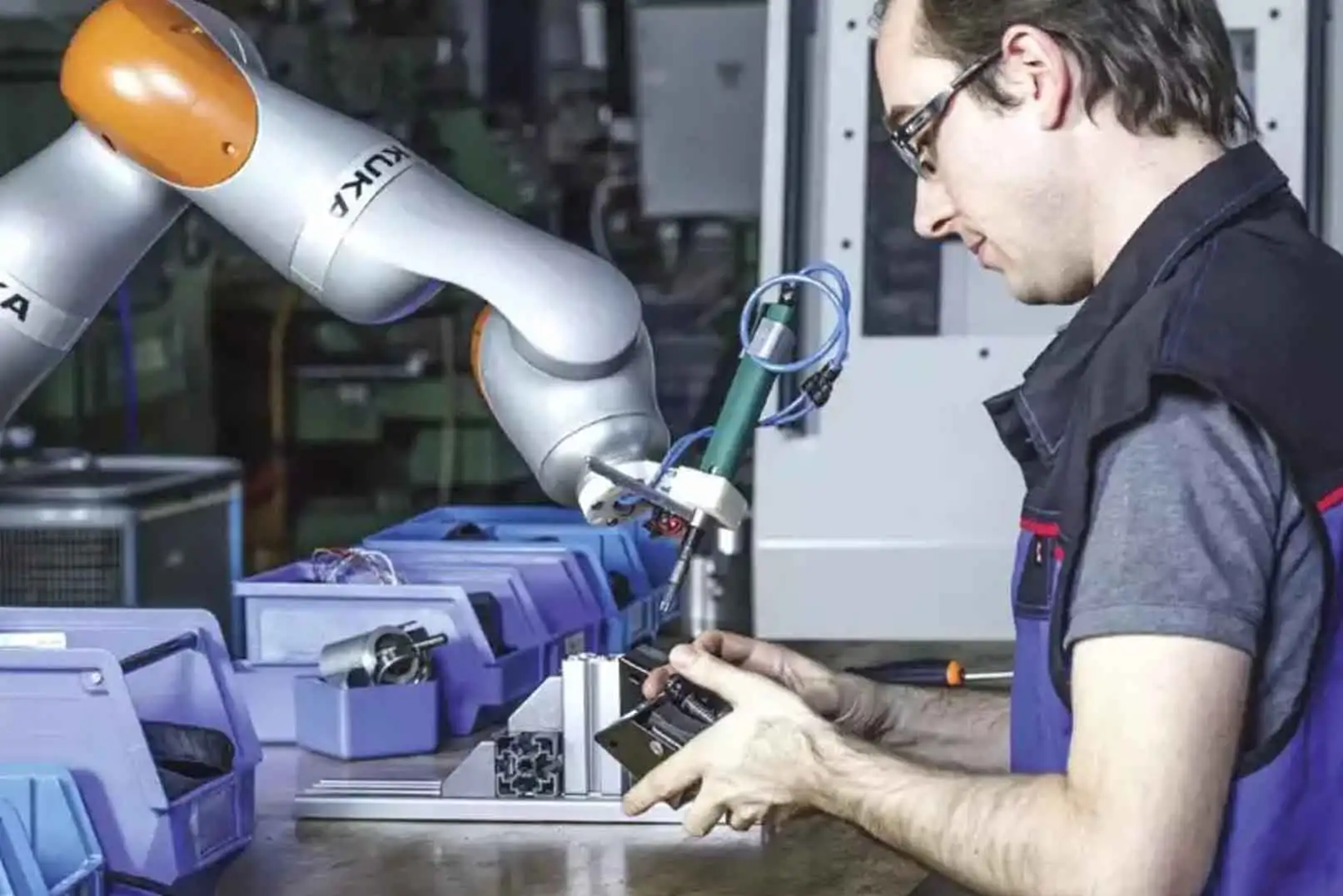
  • Assembly Line Automation: Robotic arms are commonly used for assembly tasks that involve precision, such as assembling small components, placing screws, or soldering parts. By automating these tasks, manufacturers can speed up production and reduce labor costs.
  • Product Inspection and Quality Control: Robots equipped with vision systems can identify defects and ensure products meet quality standards. Automation in quality control not only reduces the likelihood of errors but also eliminates the need for costly human inspectors.
  • Packaging and Sorting: Robots in packaging plants can handle tasks such as sorting, labeling, and packaging finished products. This automation reduces the reliance on manual labor for repetitive tasks and increases both speed and accuracy.

2.2 Logistics and Warehousing

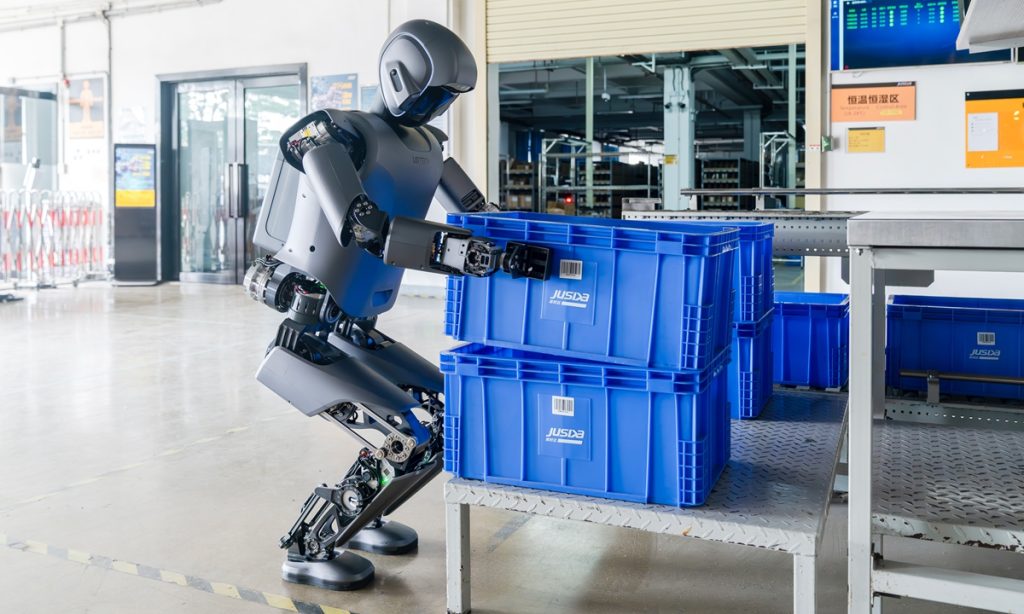
Automation in logistics has become a game-changer for businesses involved in supply chain management and inventory control. By utilizing robotic systems, companies can streamline warehouse operations, reduce manual labor, and increase the speed at which products are shipped.

  • Autonomous Mobile Robots (AMRs): These robots are capable of navigating warehouses and transporting goods from one location to another. With AI and machine learning, AMRs can efficiently plan routes, avoid obstacles, and optimize picking and packing processes.
  • Robotic Sorting Systems: Automated sorting systems powered by robotics help reduce human labor and enhance the speed of sorting goods based on various parameters such as size, weight, and destination. This is particularly valuable in industries like e-commerce, where rapid order fulfillment is critical.
  • Automated Storage and Retrieval Systems (AS/RS): These systems use robotic cranes and automated shelving units to store and retrieve products from a warehouse. This type of automation maximizes storage space and minimizes human errors in locating items.

2.3 Retail and Customer Service

Robots are increasingly being deployed in retail environments to handle a wide range of customer-facing tasks, such as inventory management, order fulfillment, and even customer service.

  • Robotic Stock Management: Robots can autonomously scan shelves in retail stores to track inventory levels and restock products. This reduces the need for manual stock counts and ensures that products are always available for customers.
  • Robotic Checkout Systems: In the retail sector, robots are being used in self-checkout kiosks and automated cashier systems, allowing customers to scan and pay for items quickly, reducing wait times and improving the overall shopping experience.
  • Customer Interaction and Assistance: Some stores have adopted robotic assistants to greet customers, answer questions, and even help with product recommendations. These robots can offer personalized services based on customer preferences and browsing history, improving customer satisfaction while cutting down on the need for human employees.
3. Cost Reduction Through Automation in Other Sectors

3.1 Agriculture

In agriculture, robot automation is revolutionizing farming practices, particularly in areas like planting, irrigation, weeding, and harvesting. Agricultural robots can be programmed to work tirelessly in the fields, reducing the reliance on seasonal labor, which can be expensive and scarce. By optimizing planting and harvesting processes, farmers can boost productivity and reduce operational costs.

  • Automated Harvesters: These robots are capable of picking crops like fruits, vegetables, and flowers with precision, reducing waste and improving crop yield.
  • Weeding and Pest Control: Robots equipped with AI-powered vision systems can identify and remove weeds with minimal environmental impact, reducing the need for chemical pesticides and manual labor.

3.2 Healthcare

In healthcare, robot automation is improving both the efficiency and cost-effectiveness of medical procedures and patient care. Robots are being used for tasks such as surgery, rehabilitation, and inventory management in hospitals.

  • Surgical Robots: Robots like Da Vinci Surgical Systems are transforming surgery by enabling doctors to perform minimally invasive procedures with greater precision, reducing patient recovery times and hospital stays.
  • Robotic Exoskeletons: Used for rehabilitation and physical therapy, robotic exoskeletons assist patients in regaining mobility, offering a cost-effective alternative to long-term human physiotherapy.
  • Medical Inventory Robots: Automated systems are used to manage medical supplies and pharmaceuticals in hospitals, reducing the risk of stockouts and improving the efficiency of inventory replenishment.

4. Challenges and Considerations in Robot Automation

While robot automation offers significant cost reduction opportunities, businesses must consider several factors when integrating robots into their operations:

  • Initial Investment: The upfront costs of purchasing and installing robots can be substantial. However, businesses should view this as a long-term investment, as automation leads to cost savings over time through reduced labor and operational efficiencies.
  • Integration with Existing Systems: Robots must be integrated with existing IT systems, such as Enterprise Resource Planning (ERP) software, to ensure smooth operations across all stages of production, logistics, and customer service.
  • Workforce Impact: Automation may lead to job displacement in certain sectors. It is essential for companies to offer retraining and reskilling programs for workers whose jobs are affected by automation, helping them transition to new roles within the company or industry.
  • Maintenance and Upkeep: While robots require less frequent maintenance than human workers, they still require ongoing upkeep to ensure that they perform efficiently. Regular checks and software updates are necessary to avoid costly downtime.

5. Conclusion: The Future of Robot Automation in Reducing Operational Costs

In conclusion, robot automation has become a transformative force across industries, offering significant potential for reducing operational costs and improving business efficiency. From manufacturing and logistics to retail and healthcare, robots are streamlining operations, increasing productivity, and enhancing the customer experience. As technology continues to evolve, robots will become even more capable and cost-effective, making them an essential tool for businesses aiming to stay competitive in an ever-changing global marketplace.

For businesses willing to embrace this technological shift, the long-term benefits of robot automation far outweigh the initial investment. Cost reduction, increased productivity, and improved quality are just the beginning of what automation can offer in the future.
Tags: IndustryReducing Operational CostsRobot
ShareTweetShare

Related Posts

The Application of Robotics and Automated Logistics Systems in Supply Chain Management
Industry

The Application of Robotics and Automated Logistics Systems in Supply Chain Management

December 1, 2025
Collaborative Robots and Human Workers: Enhancing Productivity and Ensuring Worker Safety
Industry

Collaborative Robots and Human Workers: Enhancing Productivity and Ensuring Worker Safety

November 30, 2025
Modern Production Lines: Emphasizing Flexibility and Customization
Industry

Modern Production Lines: Emphasizing Flexibility and Customization

November 29, 2025
The Expanding Role of Robots in Manufacturing: Advancements, Applications, and Future Prospects
Industry

The Expanding Role of Robots in Manufacturing: Advancements, Applications, and Future Prospects

November 28, 2025
Industry 4.0: Revolutionizing Manufacturing with IoT, AI, Robotics, and Big Data
Industry

Industry 4.0: Revolutionizing Manufacturing with IoT, AI, Robotics, and Big Data

November 27, 2025
Smart Manufacturing and Industry 4.0: Revolutionizing the Future of Production
Industry

Smart Manufacturing and Industry 4.0: Revolutionizing the Future of Production

November 26, 2025
Leave Comment
  • Trending
  • Comments
  • Latest
The Revolutionary Impact of Robotics on Disaster Rescue and Environmental Protection

The Revolutionary Impact of Robotics on Disaster Rescue and Environmental Protection

October 20, 2025
Defining the Relationship Between Humans and Robots

Defining the Relationship Between Humans and Robots

October 20, 2025
Biomimetics: A Multidisciplinary Approach to the Future of Robotics and Innovation

Biomimetics: A Multidisciplinary Approach to the Future of Robotics and Innovation

October 20, 2025
The Continuous Evolution of Bionic Robot Technology: A Catalyst for Applications in Complex Environments

The Continuous Evolution of Bionic Robot Technology: A Catalyst for Applications in Complex Environments

October 20, 2025
The Integration of Artificial Intelligence and Human-Computer Interaction

The Integration of Artificial Intelligence and Human-Computer Interaction

Researching How Machines Can Recognize and Understand Human Emotions to Improve the Naturalness of Human-Computer Interaction

Researching How Machines Can Recognize and Understand Human Emotions to Improve the Naturalness of Human-Computer Interaction

AI Can Recognize User Emotions Through Facial Expressions, Voice Tones, and Other Signals and Respond Accordingly

AI Can Recognize User Emotions Through Facial Expressions, Voice Tones, and Other Signals and Respond Accordingly

Voice Assistant Research Drives Breakthroughs in Speech Recognition and Natural Language Understanding

Voice Assistant Research Drives Breakthroughs in Speech Recognition and Natural Language Understanding

Robotics and Societal Change: Smart Cities and Digitalized Living

Robotics and Societal Change: Smart Cities and Digitalized Living

December 1, 2025
How to Improve Robot Flexibility While Ensuring Strength and Durability: A Major Technological Challenge

How to Improve Robot Flexibility While Ensuring Strength and Durability: A Major Technological Challenge

December 1, 2025
The Application of Robotics and Automated Logistics Systems in Supply Chain Management

The Application of Robotics and Automated Logistics Systems in Supply Chain Management

December 1, 2025
Edge Computing: A Key Technology for Real-Time Computer Vision Applications

Edge Computing: A Key Technology for Real-Time Computer Vision Applications

December 1, 2025
AnthroboticsLab

Through expert commentary and deep dives into industry trends and ethical considerations, we bridge the gap between academic research and real-world application, fostering a deeper understanding of our technological future.

© 2025 anthroboticslab.com. contacts:[email protected]

No Result
View All Result
  • Home
  • Research
  • Technology
  • Industry
  • Insights
  • Futures

© 2025 anthroboticslab.com. contacts:[email protected]

Welcome Back!

Login to your account below

Forgotten Password?

Retrieve your password

Please enter your username or email address to reset your password.

Log In