



AnthroboticsLab
  • Home
  • Research
    Soft Robotics: Advancements in Bio-Inspired Flexible Systems

    Soft Robotics: Advancements in Bio-Inspired Flexible Systems

    Autonomous Robots and Reinforcement Learning: Paving the Way for Intelligent Machines

    Autonomous Robots and Reinforcement Learning: Paving the Way for Intelligent Machines

    Designing Adaptive User Interfaces: Enhancing Human-Computer Interaction through Dynamic Interfaces

    Designing Adaptive User Interfaces: Enhancing Human-Computer Interaction through Dynamic Interfaces

    Human-Machine Interaction in Augmented Reality and Virtual Reality: A Comprehensive Exploration

    Human-Machine Interaction in Augmented Reality and Virtual Reality: A Comprehensive Exploration

    Affective Computing and Human-Machine Emotional Interaction: The Future of Emotional AI

    Affective Computing and Human-Machine Emotional Interaction: The Future of Emotional AI

    Researching How Machines Can Understand, Recognize, and Respond to Human Emotions

    Researching How Machines Can Understand, Recognize, and Respond to Human Emotions

  • Technology
    Edge Computing: A Key Technology for Real-Time Computer Vision Applications

    Edge Computing: A Key Technology for Real-Time Computer Vision Applications

    Image Fusion in Computer Vision: Enhancing Scene Understanding Through Multi-Sensor Integration

    Image Fusion in Computer Vision: Enhancing Scene Understanding Through Multi-Sensor Integration

    Sensor Fusion Technology: Achieving High-Precision Environmental Perception in Modern Robotics

    Sensor Fusion Technology: Achieving High-Precision Environmental Perception in Modern Robotics

    3D Vision Reconstruction and Depth Estimation: Foundations, Techniques, and Applications

    3D Vision Reconstruction and Depth Estimation: Foundations, Techniques, and Applications

    Computer Vision: The Foundation of Robotic Perception and Its Broad Applications in Autonomous Driving, Industrial Automation, and Medical Surgery

    Computer Vision: The Foundation of Robotic Perception and Its Broad Applications in Autonomous Driving, Industrial Automation, and Medical Surgery

    Ensuring Robots Do Not Harm Humans While Performing Tasks

    Ensuring Robots Do Not Harm Humans While Performing Tasks

  • Industry
    The Application of Robotics and Automated Logistics Systems in Supply Chain Management

    The Application of Robotics and Automated Logistics Systems in Supply Chain Management

    Collaborative Robots and Human Workers: Enhancing Productivity and Ensuring Worker Safety

    Collaborative Robots and Human Workers: Enhancing Productivity and Ensuring Worker Safety

    Modern Production Lines: Emphasizing Flexibility and Customization

    Modern Production Lines: Emphasizing Flexibility and Customization

    The Expanding Role of Robots in Manufacturing: Advancements, Applications, and Future Prospects

    The Expanding Role of Robots in Manufacturing: Advancements, Applications, and Future Prospects

    Industry 4.0: Revolutionizing Manufacturing with IoT, AI, Robotics, and Big Data

    Industry 4.0: Revolutionizing Manufacturing with IoT, AI, Robotics, and Big Data

    Smart Manufacturing and Industry 4.0: Revolutionizing the Future of Production

    Smart Manufacturing and Industry 4.0: Revolutionizing the Future of Production

  • Insights
    How to Improve Robot Flexibility While Ensuring Strength and Durability: A Major Technological Challenge

    How to Improve Robot Flexibility While Ensuring Strength and Durability: A Major Technological Challenge

    Expert Interview: The Future of Biomimicry in Technology and Innovation

    Expert Interview: The Future of Biomimicry in Technology and Innovation

    Biomimetic Robots: Drawing Inspiration from Nature to Simulate the Behavior and Structure of Plants and Animals

    Biomimetic Robots: Drawing Inspiration from Nature to Simulate the Behavior and Structure of Plants and Animals

    Recent Advances in Flexible Materials and Bionic Muscle Actuation Technologies

    Recent Advances in Flexible Materials and Bionic Muscle Actuation Technologies

    Integrating Artificial Intelligence and Biomimetics: How Bionic Robots in Healthcare Can Provide Personalized Treatment Plans

    Integrating Artificial Intelligence and Biomimetics: How Bionic Robots in Healthcare Can Provide Personalized Treatment Plans

    The Great Potential of Bionic Robots in Neurorehabilitation

    The Great Potential of Bionic Robots in Neurorehabilitation

  • Futures
    Robotics and Societal Change: Smart Cities and Digitalized Living

    Robotics and Societal Change: Smart Cities and Digitalized Living

    The Widespread Application of Robotics: Potential Impact on Traditional Jobs

    The Widespread Application of Robotics: Potential Impact on Traditional Jobs

    Smart Homes and Life Assistants: The Future of Everyday Living

    Smart Homes and Life Assistants: The Future of Everyday Living

    The Expanding Role of Robots in the Service Industry: From Customer Service to Personalized Healthcare

    The Expanding Role of Robots in the Service Industry: From Customer Service to Personalized Healthcare

    Fully Automated Production and Services: The Future of Industry and Innovation

    Fully Automated Production and Services: The Future of Industry and Innovation

    The Future of Robots: From Tools to Understanding, Learning, and Responding to Human Society

    The Future of Robots: From Tools to Understanding, Learning, and Responding to Human Society

AnthroboticsLab
  • Home
  • Research
    Soft Robotics: Advancements in Bio-Inspired Flexible Systems

    Soft Robotics: Advancements in Bio-Inspired Flexible Systems

    Autonomous Robots and Reinforcement Learning: Paving the Way for Intelligent Machines

    Autonomous Robots and Reinforcement Learning: Paving the Way for Intelligent Machines

    Designing Adaptive User Interfaces: Enhancing Human-Computer Interaction through Dynamic Interfaces

    Designing Adaptive User Interfaces: Enhancing Human-Computer Interaction through Dynamic Interfaces

    Human-Machine Interaction in Augmented Reality and Virtual Reality: A Comprehensive Exploration

    Human-Machine Interaction in Augmented Reality and Virtual Reality: A Comprehensive Exploration

    Affective Computing and Human-Machine Emotional Interaction: The Future of Emotional AI

    Affective Computing and Human-Machine Emotional Interaction: The Future of Emotional AI

    Researching How Machines Can Understand, Recognize, and Respond to Human Emotions

    Researching How Machines Can Understand, Recognize, and Respond to Human Emotions

  • Technology
    Edge Computing: A Key Technology for Real-Time Computer Vision Applications

    Edge Computing: A Key Technology for Real-Time Computer Vision Applications

    Image Fusion in Computer Vision: Enhancing Scene Understanding Through Multi-Sensor Integration

    Image Fusion in Computer Vision: Enhancing Scene Understanding Through Multi-Sensor Integration

    Sensor Fusion Technology: Achieving High-Precision Environmental Perception in Modern Robotics

    Sensor Fusion Technology: Achieving High-Precision Environmental Perception in Modern Robotics

    3D Vision Reconstruction and Depth Estimation: Foundations, Techniques, and Applications

    3D Vision Reconstruction and Depth Estimation: Foundations, Techniques, and Applications

    Computer Vision: The Foundation of Robotic Perception and Its Broad Applications in Autonomous Driving, Industrial Automation, and Medical Surgery

    Computer Vision: The Foundation of Robotic Perception and Its Broad Applications in Autonomous Driving, Industrial Automation, and Medical Surgery

    Ensuring Robots Do Not Harm Humans While Performing Tasks

    Ensuring Robots Do Not Harm Humans While Performing Tasks

  • Industry
    The Application of Robotics and Automated Logistics Systems in Supply Chain Management

    The Application of Robotics and Automated Logistics Systems in Supply Chain Management

    Collaborative Robots and Human Workers: Enhancing Productivity and Ensuring Worker Safety

    Collaborative Robots and Human Workers: Enhancing Productivity and Ensuring Worker Safety

    Modern Production Lines: Emphasizing Flexibility and Customization

    Modern Production Lines: Emphasizing Flexibility and Customization

    The Expanding Role of Robots in Manufacturing: Advancements, Applications, and Future Prospects

    The Expanding Role of Robots in Manufacturing: Advancements, Applications, and Future Prospects

    Industry 4.0: Revolutionizing Manufacturing with IoT, AI, Robotics, and Big Data

    Industry 4.0: Revolutionizing Manufacturing with IoT, AI, Robotics, and Big Data

    Smart Manufacturing and Industry 4.0: Revolutionizing the Future of Production

    Smart Manufacturing and Industry 4.0: Revolutionizing the Future of Production

  • Insights
    How to Improve Robot Flexibility While Ensuring Strength and Durability: A Major Technological Challenge

    How to Improve Robot Flexibility While Ensuring Strength and Durability: A Major Technological Challenge

    Expert Interview: The Future of Biomimicry in Technology and Innovation

    Expert Interview: The Future of Biomimicry in Technology and Innovation

    Biomimetic Robots: Drawing Inspiration from Nature to Simulate the Behavior and Structure of Plants and Animals

    Biomimetic Robots: Drawing Inspiration from Nature to Simulate the Behavior and Structure of Plants and Animals

    Recent Advances in Flexible Materials and Bionic Muscle Actuation Technologies

    Recent Advances in Flexible Materials and Bionic Muscle Actuation Technologies

    Integrating Artificial Intelligence and Biomimetics: How Bionic Robots in Healthcare Can Provide Personalized Treatment Plans

    Integrating Artificial Intelligence and Biomimetics: How Bionic Robots in Healthcare Can Provide Personalized Treatment Plans

    The Great Potential of Bionic Robots in Neurorehabilitation

    The Great Potential of Bionic Robots in Neurorehabilitation

  • Futures
    Robotics and Societal Change: Smart Cities and Digitalized Living

    Robotics and Societal Change: Smart Cities and Digitalized Living

    The Widespread Application of Robotics: Potential Impact on Traditional Jobs

    The Widespread Application of Robotics: Potential Impact on Traditional Jobs

    Smart Homes and Life Assistants: The Future of Everyday Living

    Smart Homes and Life Assistants: The Future of Everyday Living

    The Expanding Role of Robots in the Service Industry: From Customer Service to Personalized Healthcare

    The Expanding Role of Robots in the Service Industry: From Customer Service to Personalized Healthcare

    Fully Automated Production and Services: The Future of Industry and Innovation

    Fully Automated Production and Services: The Future of Industry and Innovation

    The Future of Robots: From Tools to Understanding, Learning, and Responding to Human Society

    The Future of Robots: From Tools to Understanding, Learning, and Responding to Human Society

AnthroboticsLab
No Result
View All Result
Home Futures

As Robot Technology Advances, Robots Evolve from Simple Tools to Complex Task Performers

October 16, 2025
in Futures
As Robot Technology Advances, Robots Evolve from Simple Tools to Complex Task Performers

Introduction: The Evolution of Robot Technology

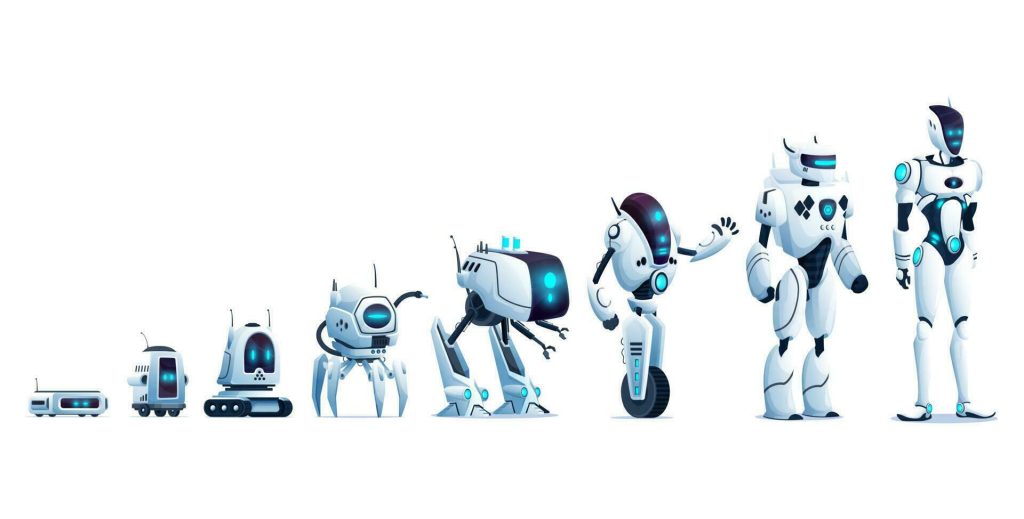
Over the last few decades, robot technology has experienced unprecedented advancements. Initially, robots were designed as simple machines meant to automate repetitive tasks in controlled environments, particularly in industries like manufacturing. Their role was confined to basic tasks such as assembly line work, material handling, and simple calculations. These early robots were predictable and functioned under the direct supervision of human operators.

However, with rapid advances in artificial intelligence (AI), machine learning, and robotics hardware, the role of robots is undergoing a fundamental shift. Robots are no longer just mechanical arms or machines performing predefined tasks. They are increasingly becoming autonomous agents capable of making decisions, learning from their environments, and taking on highly complex, varied tasks across a wide range of industries.

Today, robots are being deployed in fields as diverse as healthcare, logistics, autonomous vehicles, agriculture, and even disaster relief. This evolution of robots from simple tools to sophisticated, intelligent systems is reshaping industries, challenging traditional labor markets, and prompting new discussions around ethics, regulation, and human-robot collaboration.

In this article, we will explore how robots have evolved over time, the technologies driving this transformation, and the impact of this change on industries and society. We will also examine the implications of robots assuming more complex roles and how they are changing our understanding of automation and labor.


1. From Simple Tools to Complex Systems: A Historical Overview

The history of robots can be traced back to the early 20th century, with early mechanical devices being used in industrial applications. In the following decades, robots evolved primarily as tools designed to increase efficiency in manufacturing.

1.1. Early Robots: The Dawn of Automation

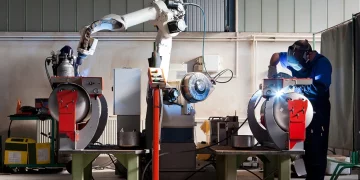
The earliest robots were relatively simple in design and were largely restricted to specific, repetitive tasks. One of the most famous early robots was Unimate, a robotic arm developed in the 1960s by George Devol and Joseph Engelberger. Unimate was initially designed to perform repetitive tasks like lifting heavy objects and welding in industrial settings. It was the first industrial robot and laid the groundwork for the use of robots in manufacturing.

These early robots lacked the capability to think independently or make decisions. They were controlled via pre-programmed instructions and operated in environments that were highly controlled. The role of robots at this stage was solely to enhance productivity by handling tasks that were either too dangerous, too monotonous, or too precise for human workers.

1.2. Advancements in Robotics: The Rise of AI and Automation

By the 1990s and early 2000s, advancements in computing and AI paved the way for robots with greater autonomy. The introduction of machine learning, computer vision, and sensor technologies allowed robots to process real-time data and interact with their environments. This shift enabled robots to perform more flexible tasks and even begin to learn from their experiences.

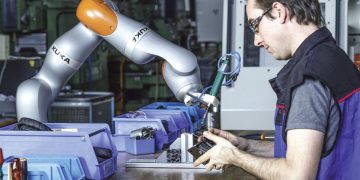
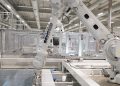
In manufacturing, robots evolved from simple task performers to flexible automation systems capable of adapting to new tasks. The rise of collaborative robots (cobots) marked a significant milestone, with robots designed to work alongside human operators without the need for safety cages or barriers. Cobots are now used in industries ranging from electronics assembly to medical device production.

1.3. The Transition to Autonomous Systems

Today, robots are increasingly autonomous, powered by advanced AI algorithms, and are capable of making decisions based on data inputs. Autonomous robots can operate in dynamic, unpredictable environments, performing complex tasks with little or no human intervention. For example, robots used in the healthcare sector can assist in surgeries, provide patient care, and even diagnose conditions based on AI-driven algorithms.

Autonomous vehicles, drones, and mobile robots are now capable of navigating unknown environments and interacting with humans, animals, and other machines in real-time. The integration of AI-driven decision-making is allowing robots to expand their range of tasks, from performing logistical operations to providing companionship for the elderly.


2. Key Technologies Driving Robot Evolution

Several key technological advancements have contributed to the shift of robots from simple tools to complex task performers. These technologies enable robots to operate autonomously, learn from experience, and interact with their environment in ways that were previously unimaginable.

2.1. Artificial Intelligence and Machine Learning

At the heart of modern robotic systems is artificial intelligence (AI). AI enables robots to perceive their environment, learn from experiences, and make decisions based on data. Machine learning (ML) algorithms, in particular, allow robots to improve their performance over time by identifying patterns in data and adjusting their actions accordingly.

  • Reinforcement Learning: In reinforcement learning, robots are trained to perform tasks by receiving feedback based on their actions. The robot is rewarded for successful actions and learns to avoid undesirable behaviors. This allows robots to learn complex tasks in unstructured environments.
  • Deep Learning: Deep learning, a subset of machine learning, is particularly useful for tasks that require image recognition, natural language processing, and other complex pattern recognition tasks. Robots can learn to identify objects, navigate spaces, and even recognize human emotions using deep learning techniques.

2.2. Computer Vision and Sensor Integration

Robots rely heavily on computer vision to interpret their environment. Cameras, LiDAR, infrared sensors, and other types of vision-based technology enable robots to perceive objects, detect obstacles, and understand spatial relationships in their environment.

For example, robots used in autonomous driving need to process visual data from cameras, LiDAR, and radar sensors to navigate streets, detect pedestrians, and avoid collisions. Similarly, robots in healthcare or logistics can use vision systems to locate and manipulate objects with precision.

2.3. Robotics Hardware and Actuators

The development of advanced robotic actuators and mechanical systems has allowed robots to take on more complex physical tasks. These actuators control the movement of a robot’s limbs and joints, enabling it to perform a variety of motions such as walking, grasping, and lifting.

  • Soft Robotics: A particularly innovative development in this space is soft robotics, which uses flexible materials instead of rigid components. Soft robots are able to mimic biological systems more closely, making them ideal for tasks like surgery or delicate object handling.
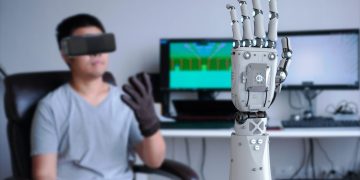
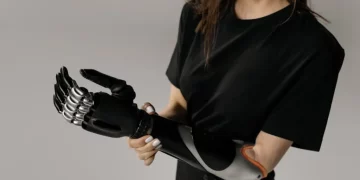
  • Exoskeletons and Prosthetics: Robotics hardware is also being used to enhance human capabilities. Exoskeletons, powered by robotics, assist individuals with mobility impairments, while prosthetic limbs are becoming increasingly sophisticated, providing greater mobility and dexterity for amputees.
3. Complex Tasks Performed by Robots Today

As robots become more intelligent and autonomous, they are increasingly entrusted with complex tasks that require problem-solving, decision-making, and collaboration.

3.1. Healthcare Robotics

In healthcare, robots are transforming the way medical procedures are performed. Robots now assist in surgical operations, providing surgeons with enhanced precision during complex procedures. For example, the da Vinci Surgical System allows surgeons to control robotic arms that perform minimally invasive surgery with extreme precision.

Robotic prosthetics and exoskeletons are also helping individuals regain lost abilities, offering improved mobility and dexterity for those with physical disabilities.

In addition to performing surgeries and providing prosthetics, robots are being used to deliver medications, assist with physical therapy, and even monitor patients’ vital signs in hospitals or at home.

3.2. Autonomous Vehicles

Autonomous vehicles, including self-driving cars, drones, and trucks, represent one of the most ambitious applications of robotics. These robots are capable of navigating complex environments, making real-time decisions, and interacting with other vehicles, pedestrians, and obstacles.

  • Self-driving Cars: Companies like Tesla, Waymo, and Uber are advancing autonomous vehicles that can drive without human intervention, using a combination of sensors, cameras, and AI algorithms to safely navigate through traffic.
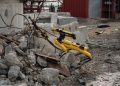
  • Autonomous Drones: Drones are being used for applications such as delivery, inspection, and mapping. These robots can fly over areas that are difficult or dangerous for humans to access, such as disaster zones or high-risk environments like oil rigs.

3.3. Industrial Automation

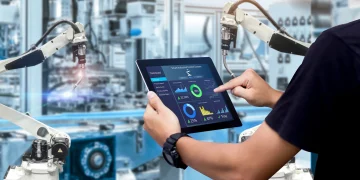
The manufacturing industry has long relied on robots for assembly line work. Today, robots are used in more advanced applications such as inspection, packaging, and even collaborative tasks with human workers. Collaborative robots (cobots) work alongside humans to handle dangerous or repetitive tasks, while human workers focus on tasks requiring creativity, critical thinking, and problem-solving.

AI-powered robots are also used for quality control, using computer vision systems to detect defects in manufactured products at a speed and accuracy beyond human capability.

3.4. Agricultural Robotics

In agriculture, robots are revolutionizing the way crops are grown, harvested, and managed. Autonomous robots are used for tasks like planting, watering, weeding, and harvesting crops. These robots increase efficiency, reduce labor costs, and even optimize crop yields by collecting data on soil health, plant growth, and environmental conditions.


4. The Future: What Lies Ahead for Robots and Automation?

As robot technology continues to evolve, we are likely to see robots take on even more complex and diverse roles. The combination of advanced AI, robotic hardware, and sensor technology will drive further advancements in areas such as:

  • Personal Assistant Robots: These robots will become smarter, more personalized, and capable of assisting with everyday tasks like cleaning, cooking, and providing companionship.
  • Space Exploration: Robots will play a critical role in exploring planets, moons, and asteroids. These robots will be able to operate autonomously in harsh, distant environments far beyond the reach of human presence.
  • Human-Robot Collaboration: In the future, robots and humans will collaborate more closely in a wide range of sectors, from healthcare to logistics, creating new opportunities for work and innovation.

As these robots continue to evolve, however, society will need to address important issues such as job displacement, ethics in AI decision-making, and the regulation of autonomous systems.


Conclusion: Robots as the New Workforce

The shift from simple tools to complex task performers marks a transformative moment in the history of robotics. Robots are not only becoming increasingly autonomous but also more capable of performing tasks that require cognition, decision-making, and creativity. From healthcare to autonomous vehicles and industrial automation, robots are reshaping industries and providing solutions to some of the world’s most pressing challenges.

As robots continue to integrate more deeply into society and the workforce, their development will require a careful balance between technological progress, ethical considerations, and human welfare. The future of robotics promises significant innovation, but it also demands that we ensure these advancements benefit humanity as a whole.
Tags: FuturesRobotTechnology Advances
ShareTweetShare

Related Posts

Robotics and Societal Change: Smart Cities and Digitalized Living
Futures

Robotics and Societal Change: Smart Cities and Digitalized Living

December 1, 2025
The Widespread Application of Robotics: Potential Impact on Traditional Jobs
Futures

The Widespread Application of Robotics: Potential Impact on Traditional Jobs

November 30, 2025
Smart Homes and Life Assistants: The Future of Everyday Living
Futures

Smart Homes and Life Assistants: The Future of Everyday Living

November 29, 2025
The Expanding Role of Robots in the Service Industry: From Customer Service to Personalized Healthcare
Futures

The Expanding Role of Robots in the Service Industry: From Customer Service to Personalized Healthcare

November 28, 2025
Fully Automated Production and Services: The Future of Industry and Innovation
Futures

Fully Automated Production and Services: The Future of Industry and Innovation

November 27, 2025
The Future of Robots: From Tools to Understanding, Learning, and Responding to Human Society
Futures

The Future of Robots: From Tools to Understanding, Learning, and Responding to Human Society

November 26, 2025
Leave Comment
  • Trending
  • Comments
  • Latest
The Revolutionary Impact of Robotics on Disaster Rescue and Environmental Protection

The Revolutionary Impact of Robotics on Disaster Rescue and Environmental Protection

October 20, 2025
Defining the Relationship Between Humans and Robots

Defining the Relationship Between Humans and Robots

October 20, 2025
Biomimetics: A Multidisciplinary Approach to the Future of Robotics and Innovation

Biomimetics: A Multidisciplinary Approach to the Future of Robotics and Innovation

October 20, 2025
The Continuous Evolution of Bionic Robot Technology: A Catalyst for Applications in Complex Environments

The Continuous Evolution of Bionic Robot Technology: A Catalyst for Applications in Complex Environments

October 20, 2025
The Integration of Artificial Intelligence and Human-Computer Interaction

The Integration of Artificial Intelligence and Human-Computer Interaction

Researching How Machines Can Recognize and Understand Human Emotions to Improve the Naturalness of Human-Computer Interaction

Researching How Machines Can Recognize and Understand Human Emotions to Improve the Naturalness of Human-Computer Interaction

AI Can Recognize User Emotions Through Facial Expressions, Voice Tones, and Other Signals and Respond Accordingly

AI Can Recognize User Emotions Through Facial Expressions, Voice Tones, and Other Signals and Respond Accordingly

Voice Assistant Research Drives Breakthroughs in Speech Recognition and Natural Language Understanding

Voice Assistant Research Drives Breakthroughs in Speech Recognition and Natural Language Understanding

Robotics and Societal Change: Smart Cities and Digitalized Living

Robotics and Societal Change: Smart Cities and Digitalized Living

December 1, 2025
How to Improve Robot Flexibility While Ensuring Strength and Durability: A Major Technological Challenge

How to Improve Robot Flexibility While Ensuring Strength and Durability: A Major Technological Challenge

December 1, 2025
The Application of Robotics and Automated Logistics Systems in Supply Chain Management

The Application of Robotics and Automated Logistics Systems in Supply Chain Management

December 1, 2025
Edge Computing: A Key Technology for Real-Time Computer Vision Applications

Edge Computing: A Key Technology for Real-Time Computer Vision Applications

December 1, 2025
AnthroboticsLab

Through expert commentary and deep dives into industry trends and ethical considerations, we bridge the gap between academic research and real-world application, fostering a deeper understanding of our technological future.

© 2025 anthroboticslab.com. contacts:[email protected]

No Result
View All Result
  • Home
  • Research
  • Technology
  • Industry
  • Insights
  • Futures

© 2025 anthroboticslab.com. contacts:[email protected]

Welcome Back!

Login to your account below

Forgotten Password?

Retrieve your password

Please enter your username or email address to reset your password.

Log In