



AnthroboticsLab
  • Home
  • Research
    Soft Robotics: Advancements in Bio-Inspired Flexible Systems

    Soft Robotics: Advancements in Bio-Inspired Flexible Systems

    Autonomous Robots and Reinforcement Learning: Paving the Way for Intelligent Machines

    Autonomous Robots and Reinforcement Learning: Paving the Way for Intelligent Machines

    Designing Adaptive User Interfaces: Enhancing Human-Computer Interaction through Dynamic Interfaces

    Designing Adaptive User Interfaces: Enhancing Human-Computer Interaction through Dynamic Interfaces

    Human-Machine Interaction in Augmented Reality and Virtual Reality: A Comprehensive Exploration

    Human-Machine Interaction in Augmented Reality and Virtual Reality: A Comprehensive Exploration

    Affective Computing and Human-Machine Emotional Interaction: The Future of Emotional AI

    Affective Computing and Human-Machine Emotional Interaction: The Future of Emotional AI

    Researching How Machines Can Understand, Recognize, and Respond to Human Emotions

    Researching How Machines Can Understand, Recognize, and Respond to Human Emotions

  • Technology
    Edge Computing: A Key Technology for Real-Time Computer Vision Applications

    Edge Computing: A Key Technology for Real-Time Computer Vision Applications

    Image Fusion in Computer Vision: Enhancing Scene Understanding Through Multi-Sensor Integration

    Image Fusion in Computer Vision: Enhancing Scene Understanding Through Multi-Sensor Integration

    Sensor Fusion Technology: Achieving High-Precision Environmental Perception in Modern Robotics

    Sensor Fusion Technology: Achieving High-Precision Environmental Perception in Modern Robotics

    3D Vision Reconstruction and Depth Estimation: Foundations, Techniques, and Applications

    3D Vision Reconstruction and Depth Estimation: Foundations, Techniques, and Applications

    Computer Vision: The Foundation of Robotic Perception and Its Broad Applications in Autonomous Driving, Industrial Automation, and Medical Surgery

    Computer Vision: The Foundation of Robotic Perception and Its Broad Applications in Autonomous Driving, Industrial Automation, and Medical Surgery

    Ensuring Robots Do Not Harm Humans While Performing Tasks

    Ensuring Robots Do Not Harm Humans While Performing Tasks

  • Industry
    The Application of Robotics and Automated Logistics Systems in Supply Chain Management

    The Application of Robotics and Automated Logistics Systems in Supply Chain Management

    Collaborative Robots and Human Workers: Enhancing Productivity and Ensuring Worker Safety

    Collaborative Robots and Human Workers: Enhancing Productivity and Ensuring Worker Safety

    Modern Production Lines: Emphasizing Flexibility and Customization

    Modern Production Lines: Emphasizing Flexibility and Customization

    The Expanding Role of Robots in Manufacturing: Advancements, Applications, and Future Prospects

    The Expanding Role of Robots in Manufacturing: Advancements, Applications, and Future Prospects

    Industry 4.0: Revolutionizing Manufacturing with IoT, AI, Robotics, and Big Data

    Industry 4.0: Revolutionizing Manufacturing with IoT, AI, Robotics, and Big Data

    Smart Manufacturing and Industry 4.0: Revolutionizing the Future of Production

    Smart Manufacturing and Industry 4.0: Revolutionizing the Future of Production

  • Insights
    How to Improve Robot Flexibility While Ensuring Strength and Durability: A Major Technological Challenge

    How to Improve Robot Flexibility While Ensuring Strength and Durability: A Major Technological Challenge

    Expert Interview: The Future of Biomimicry in Technology and Innovation

    Expert Interview: The Future of Biomimicry in Technology and Innovation

    Biomimetic Robots: Drawing Inspiration from Nature to Simulate the Behavior and Structure of Plants and Animals

    Biomimetic Robots: Drawing Inspiration from Nature to Simulate the Behavior and Structure of Plants and Animals

    Recent Advances in Flexible Materials and Bionic Muscle Actuation Technologies

    Recent Advances in Flexible Materials and Bionic Muscle Actuation Technologies

    Integrating Artificial Intelligence and Biomimetics: How Bionic Robots in Healthcare Can Provide Personalized Treatment Plans

    Integrating Artificial Intelligence and Biomimetics: How Bionic Robots in Healthcare Can Provide Personalized Treatment Plans

    The Great Potential of Bionic Robots in Neurorehabilitation

    The Great Potential of Bionic Robots in Neurorehabilitation

  • Futures
    Robotics and Societal Change: Smart Cities and Digitalized Living

    Robotics and Societal Change: Smart Cities and Digitalized Living

    The Widespread Application of Robotics: Potential Impact on Traditional Jobs

    The Widespread Application of Robotics: Potential Impact on Traditional Jobs

    Smart Homes and Life Assistants: The Future of Everyday Living

    Smart Homes and Life Assistants: The Future of Everyday Living

    The Expanding Role of Robots in the Service Industry: From Customer Service to Personalized Healthcare

    The Expanding Role of Robots in the Service Industry: From Customer Service to Personalized Healthcare

    Fully Automated Production and Services: The Future of Industry and Innovation

    Fully Automated Production and Services: The Future of Industry and Innovation

    The Future of Robots: From Tools to Understanding, Learning, and Responding to Human Society

    The Future of Robots: From Tools to Understanding, Learning, and Responding to Human Society

AnthroboticsLab
  • Home
  • Research
    Soft Robotics: Advancements in Bio-Inspired Flexible Systems

    Soft Robotics: Advancements in Bio-Inspired Flexible Systems

    Autonomous Robots and Reinforcement Learning: Paving the Way for Intelligent Machines

    Autonomous Robots and Reinforcement Learning: Paving the Way for Intelligent Machines

    Designing Adaptive User Interfaces: Enhancing Human-Computer Interaction through Dynamic Interfaces

    Designing Adaptive User Interfaces: Enhancing Human-Computer Interaction through Dynamic Interfaces

    Human-Machine Interaction in Augmented Reality and Virtual Reality: A Comprehensive Exploration

    Human-Machine Interaction in Augmented Reality and Virtual Reality: A Comprehensive Exploration

    Affective Computing and Human-Machine Emotional Interaction: The Future of Emotional AI

    Affective Computing and Human-Machine Emotional Interaction: The Future of Emotional AI

    Researching How Machines Can Understand, Recognize, and Respond to Human Emotions

    Researching How Machines Can Understand, Recognize, and Respond to Human Emotions

  • Technology
    Edge Computing: A Key Technology for Real-Time Computer Vision Applications

    Edge Computing: A Key Technology for Real-Time Computer Vision Applications

    Image Fusion in Computer Vision: Enhancing Scene Understanding Through Multi-Sensor Integration

    Image Fusion in Computer Vision: Enhancing Scene Understanding Through Multi-Sensor Integration

    Sensor Fusion Technology: Achieving High-Precision Environmental Perception in Modern Robotics

    Sensor Fusion Technology: Achieving High-Precision Environmental Perception in Modern Robotics

    3D Vision Reconstruction and Depth Estimation: Foundations, Techniques, and Applications

    3D Vision Reconstruction and Depth Estimation: Foundations, Techniques, and Applications

    Computer Vision: The Foundation of Robotic Perception and Its Broad Applications in Autonomous Driving, Industrial Automation, and Medical Surgery

    Computer Vision: The Foundation of Robotic Perception and Its Broad Applications in Autonomous Driving, Industrial Automation, and Medical Surgery

    Ensuring Robots Do Not Harm Humans While Performing Tasks

    Ensuring Robots Do Not Harm Humans While Performing Tasks

  • Industry
    The Application of Robotics and Automated Logistics Systems in Supply Chain Management

    The Application of Robotics and Automated Logistics Systems in Supply Chain Management

    Collaborative Robots and Human Workers: Enhancing Productivity and Ensuring Worker Safety

    Collaborative Robots and Human Workers: Enhancing Productivity and Ensuring Worker Safety

    Modern Production Lines: Emphasizing Flexibility and Customization

    Modern Production Lines: Emphasizing Flexibility and Customization

    The Expanding Role of Robots in Manufacturing: Advancements, Applications, and Future Prospects

    The Expanding Role of Robots in Manufacturing: Advancements, Applications, and Future Prospects

    Industry 4.0: Revolutionizing Manufacturing with IoT, AI, Robotics, and Big Data

    Industry 4.0: Revolutionizing Manufacturing with IoT, AI, Robotics, and Big Data

    Smart Manufacturing and Industry 4.0: Revolutionizing the Future of Production

    Smart Manufacturing and Industry 4.0: Revolutionizing the Future of Production

  • Insights
    How to Improve Robot Flexibility While Ensuring Strength and Durability: A Major Technological Challenge

    How to Improve Robot Flexibility While Ensuring Strength and Durability: A Major Technological Challenge

    Expert Interview: The Future of Biomimicry in Technology and Innovation

    Expert Interview: The Future of Biomimicry in Technology and Innovation

    Biomimetic Robots: Drawing Inspiration from Nature to Simulate the Behavior and Structure of Plants and Animals

    Biomimetic Robots: Drawing Inspiration from Nature to Simulate the Behavior and Structure of Plants and Animals

    Recent Advances in Flexible Materials and Bionic Muscle Actuation Technologies

    Recent Advances in Flexible Materials and Bionic Muscle Actuation Technologies

    Integrating Artificial Intelligence and Biomimetics: How Bionic Robots in Healthcare Can Provide Personalized Treatment Plans

    Integrating Artificial Intelligence and Biomimetics: How Bionic Robots in Healthcare Can Provide Personalized Treatment Plans

    The Great Potential of Bionic Robots in Neurorehabilitation

    The Great Potential of Bionic Robots in Neurorehabilitation

  • Futures
    Robotics and Societal Change: Smart Cities and Digitalized Living

    Robotics and Societal Change: Smart Cities and Digitalized Living

    The Widespread Application of Robotics: Potential Impact on Traditional Jobs

    The Widespread Application of Robotics: Potential Impact on Traditional Jobs

    Smart Homes and Life Assistants: The Future of Everyday Living

    Smart Homes and Life Assistants: The Future of Everyday Living

    The Expanding Role of Robots in the Service Industry: From Customer Service to Personalized Healthcare

    The Expanding Role of Robots in the Service Industry: From Customer Service to Personalized Healthcare

    Fully Automated Production and Services: The Future of Industry and Innovation

    Fully Automated Production and Services: The Future of Industry and Innovation

    The Future of Robots: From Tools to Understanding, Learning, and Responding to Human Society

    The Future of Robots: From Tools to Understanding, Learning, and Responding to Human Society

AnthroboticsLab
No Result
View All Result
Home Insights

How to View the Evolution of the Future ‘Human-Robot Collaboration’ Model, Especially in the Deep Integration in the Workplace and Home Life

October 17, 2025
in Insights
How to View the Evolution of the Future ‘Human-Robot Collaboration’ Model, Especially in the Deep Integration in the Workplace and Home Life

Introduction

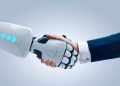
The rise of robotic technology and artificial intelligence (AI) is steadily transforming the way humans interact with machines, especially in the workplace and domestic environments. What was once a speculative notion is rapidly becoming reality: robots are not just performing tasks on their own but are increasingly becoming partners in our daily lives, assisting with everything from complex industrial operations to household chores. This evolution of human-robot collaboration (HRC) has profound implications for various aspects of society, including work culture, productivity, personal well-being, and social interaction.

In this article, we will explore the future trajectory of human-robot collaboration, focusing particularly on how robots are expected to integrate deeply into both work environments and home life. We will discuss the current state of HRC, emerging technologies, and potential challenges and opportunities as these technologies evolve. The concept of collaboration is shifting from human supervision of robots to mutual cooperation between humans and robots, paving the way for a more interconnected and intelligent world.


1. The Current State of Human-Robot Collaboration

1.1 Evolution of Human-Robot Interaction

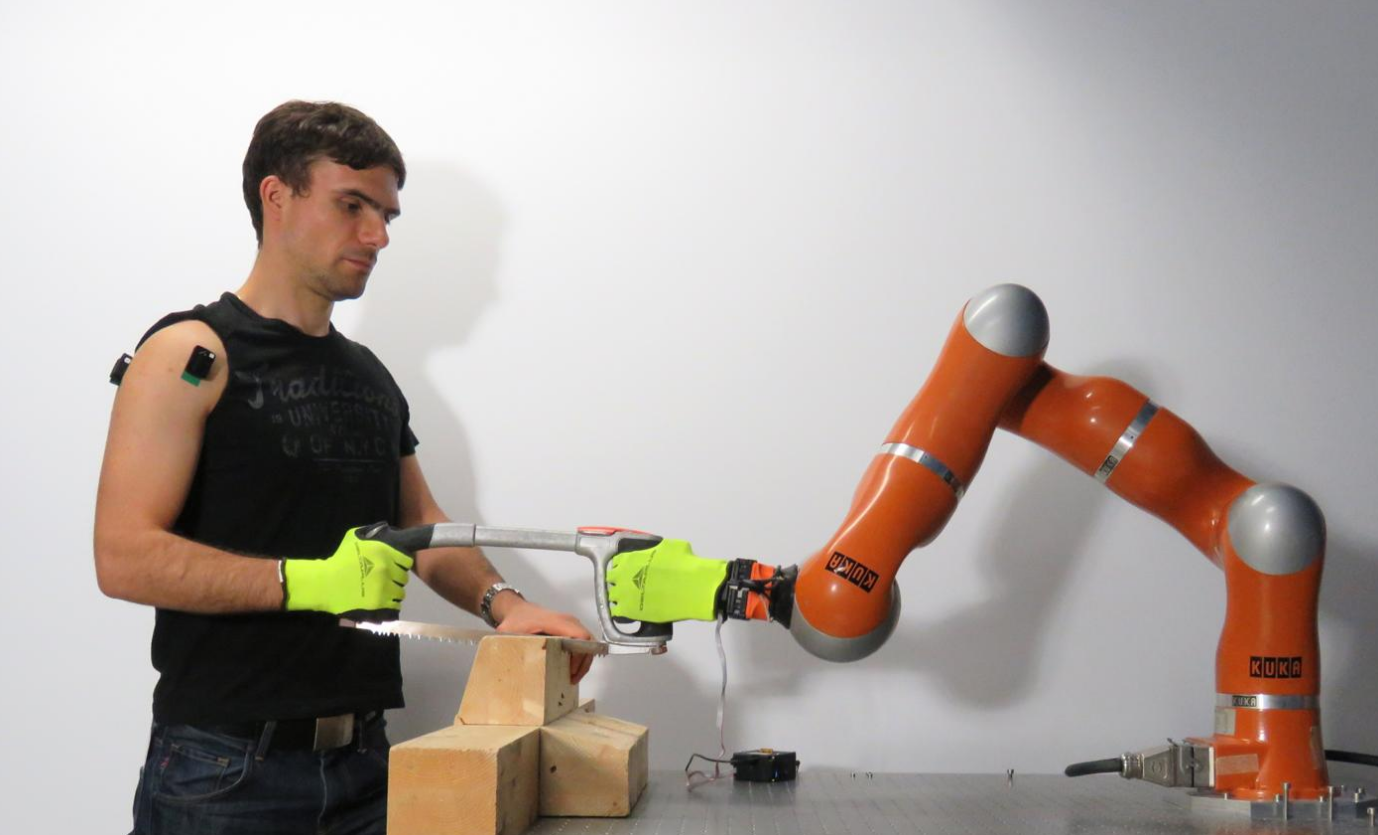
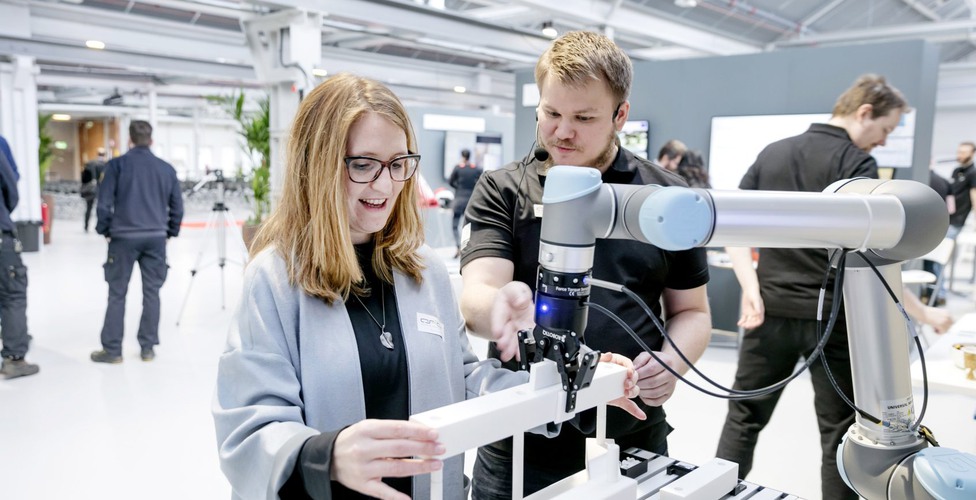
Historically, robots were seen as machines that could automate specific tasks, often in industrial settings. Over time, as artificial intelligence (AI) and machine learning have evolved, robots have become more sophisticated, capable of more dynamic, adaptive, and interactive roles. In manufacturing, collaborative robots, or cobots, have become integral parts of assembly lines, working alongside humans to perform repetitive or strenuous tasks.

In parallel, robotic systems are also emerging in domestic environments, from personal assistants like robot vacuum cleaners to caregiving robots for the elderly and disabled. In both cases, the emphasis is shifting from robots being simple tools to becoming effective and empathetic collaborators.

1.2 Real-World Applications of Human-Robot Collaboration

  • Workplace: In industries like manufacturing, logistics, and healthcare, robots have moved beyond simple automation. Cobots assist workers by carrying heavy loads, performing high-precision tasks, or even offering guidance and feedback. For instance, robotic exoskeletons help factory workers lift heavy materials, while AI-driven robots in healthcare provide diagnostic support and even assist in surgeries.
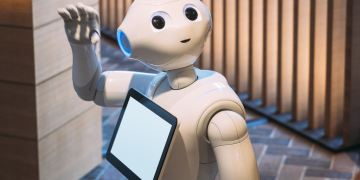
  • Home: On the personal side, robots are designed to handle various household tasks, from cleaning to caregiving. AI-powered systems can manage smart homes, while robots like Pepper or Jibo offer companionship, especially for elderly people. These robots not only assist but also understand emotional cues, creating a sense of social interaction.

2. The Role of Artificial Intelligence in Human-Robot Collaboration

2.1 AI as the Brain of Collaborative Robots

The role of artificial intelligence (AI) is pivotal in enabling robots to collaborate seamlessly with humans. By integrating AI, robots can move from being mere tools to becoming intelligent collaborators. AI algorithms allow robots to:

  • Perceive their environment through computer vision and sensor data.
  • Understand human gestures, voice commands, and emotions.
  • Learn from interactions to improve performance, making robots more adaptable and autonomous over time.

In workplaces, AI helps robots perform complex tasks that were previously reserved for human workers. For example, AI-powered robots can be trained to assemble intricate parts, detect defects in production lines, or even forecast supply chain needs based on data patterns. In households, AI allows robots to become highly responsive to personal preferences and needs, offering tailored assistance.

2.2 AI for Autonomous Decision Making in Collaborative Robots

Robots can also be autonomous decision-makers in collaborative tasks, allowing for smoother integration into human workflows. AI-enabled robots can autonomously adjust their behavior based on real-time feedback. For example, an AI-based industrial robot might adjust its pace based on how fast the human worker moves, ensuring that they collaborate effectively and safely without unnecessary delays.


3. The Future of Human-Robot Collaboration in the Workplace

3.1 Robotics and Workforce Transformation

The integration of robots into the workplace will transform labor markets, especially in industries like manufacturing, logistics, and retail. Robots will not replace workers but rather enhance their productivity. Human workers will shift from doing repetitive tasks to focusing on creative problem-solving, supervisory roles, and higher-value activities.

  • Skill Shifts: As robots handle more physical and repetitive tasks, human workers will need to upskill to manage, program, and maintain robots. Training programs will be crucial to enable the workforce to transition into this new reality.
  • Increased Productivity: With robots performing manual, repetitive tasks, businesses can expect an increase in overall productivity and efficiency. Robots can work longer hours without fatigue, enabling continuous production cycles.
  • Safety Improvements: Cobots working alongside human employees in hazardous environments (e.g., chemical plants, construction sites) can reduce workplace injuries. Robots will handle dangerous tasks, such as lifting heavy objects or working in toxic environments, while humans oversee and guide operations.

3.2 Robotics in Collaborative Office Environments

The future workplace will see robots working alongside humans in office environments. Robots might assist with administrative tasks, such as scheduling meetings, organizing documents, or answering routine queries. Virtual assistants powered by AI will take over many administrative duties, freeing human employees to engage in higher-level decision-making and strategic thinking.

4. Human-Robot Collaboration in Domestic Life

4.1 Robots as Personal Assistants in the Home

In the home, robots will evolve from being simple appliances to intelligent personal assistants capable of managing daily routines, maintaining household organization, and providing assistance for elderly or disabled individuals. The future of home robotics will likely include:

  • Smart Home Integration: Robots will become integrated into smart home ecosystems, controlling lighting, temperature, security systems, and even appliances based on user preferences.
  • Health and Elder Care: Robots like caregiving assistants will help seniors with tasks like medication reminders, mobility assistance, and even monitoring health parameters like blood pressure or glucose levels.

4.2 Emotional and Social Robots

One of the most intriguing possibilities is the rise of emotionally intelligent robots. These robots will not only assist with physical tasks but also provide companionship. Robots will be able to read and respond to human emotions, offering emotional support and social interaction.

For instance, robots might interact with children for educational purposes or serve as companions for people living alone. This shift toward emotional robots could revolutionize elderly care by addressing loneliness and offering companionship in addition to physical assistance.


5. Challenges in Human-Robot Collaboration

5.1 Ethical Concerns

As robots become more integrated into both workplaces and homes, several ethical challenges arise:

  • Job Displacement: There is a concern that automation and robots might displace jobs, particularly for low-skilled workers. While robots will create new opportunities, addressing the potential job displacement will require strategic planning and policy interventions.
  • Privacy and Security: Robots in the home or workplace will collect vast amounts of data, raising concerns about privacy and data security. Ensuring that robots respect privacy and have built-in security features will be essential for widespread adoption.

5.2 Human-Robot Trust

For collaboration to be successful, humans must trust robots. Issues like robot behavior transparency, predictability, and human-robot interaction protocols will need to be addressed. For instance, if a robot in a workplace malfunctions or causes an accident, there must be clear accountability mechanisms in place.


6. The Future: A Symbiotic Relationship Between Humans and Robots

The future of human-robot collaboration is not about replacing humans but about creating a symbiotic relationship where robots augment human capabilities and vice versa. As technology progresses, the roles of robots will continue to evolve, becoming more integrated into both the professional and personal realms of life.

  • Workplace Synergy: Robots will work hand-in-hand with humans to optimize efficiency, safety, and creativity in the workplace. This collaboration will be guided by human oversight but empowered by robotic capabilities.
  • Home Life Transformation: In homes, robots will become trusted companions, caregivers, and personal assistants, improving quality of life and enabling greater independence for individuals of all ages.

Conclusion

The future of human-robot collaboration is poised to redefine the way we work and live. With advancements in AI, robotics, and machine learning, robots will no longer be isolated entities performing menial tasks but will become intelligent, responsive collaborators capable of enhancing both professional productivity and personal well-being. As we look ahead, the challenge will be to embrace the potential of human-robot collaboration while addressing the social, ethical, and technical hurdles that come with it. The future holds incredible promise, and the evolution of this human-robot partnership will shape the world for generations to come.

Tags: CollaborationInsightsRobot Autonomy
ShareTweetShare

Related Posts

How to Improve Robot Flexibility While Ensuring Strength and Durability: A Major Technological Challenge
Insights

How to Improve Robot Flexibility While Ensuring Strength and Durability: A Major Technological Challenge

December 1, 2025
Expert Interview: The Future of Biomimicry in Technology and Innovation
Insights

Expert Interview: The Future of Biomimicry in Technology and Innovation

November 30, 2025
Biomimetic Robots: Drawing Inspiration from Nature to Simulate the Behavior and Structure of Plants and Animals
Insights

Biomimetic Robots: Drawing Inspiration from Nature to Simulate the Behavior and Structure of Plants and Animals

November 29, 2025
Recent Advances in Flexible Materials and Bionic Muscle Actuation Technologies
Insights

Recent Advances in Flexible Materials and Bionic Muscle Actuation Technologies

November 28, 2025
Integrating Artificial Intelligence and Biomimetics: How Bionic Robots in Healthcare Can Provide Personalized Treatment Plans
Insights

Integrating Artificial Intelligence and Biomimetics: How Bionic Robots in Healthcare Can Provide Personalized Treatment Plans

November 27, 2025
The Great Potential of Bionic Robots in Neurorehabilitation
Insights

The Great Potential of Bionic Robots in Neurorehabilitation

November 26, 2025
Leave Comment
  • Trending
  • Comments
  • Latest
The Revolutionary Impact of Robotics on Disaster Rescue and Environmental Protection

The Revolutionary Impact of Robotics on Disaster Rescue and Environmental Protection

October 20, 2025
Defining the Relationship Between Humans and Robots

Defining the Relationship Between Humans and Robots

October 20, 2025
Biomimetics: A Multidisciplinary Approach to the Future of Robotics and Innovation

Biomimetics: A Multidisciplinary Approach to the Future of Robotics and Innovation

October 20, 2025
The Continuous Evolution of Bionic Robot Technology: A Catalyst for Applications in Complex Environments

The Continuous Evolution of Bionic Robot Technology: A Catalyst for Applications in Complex Environments

October 20, 2025
The Integration of Artificial Intelligence and Human-Computer Interaction

The Integration of Artificial Intelligence and Human-Computer Interaction

Researching How Machines Can Recognize and Understand Human Emotions to Improve the Naturalness of Human-Computer Interaction

Researching How Machines Can Recognize and Understand Human Emotions to Improve the Naturalness of Human-Computer Interaction

AI Can Recognize User Emotions Through Facial Expressions, Voice Tones, and Other Signals and Respond Accordingly

AI Can Recognize User Emotions Through Facial Expressions, Voice Tones, and Other Signals and Respond Accordingly

Voice Assistant Research Drives Breakthroughs in Speech Recognition and Natural Language Understanding

Voice Assistant Research Drives Breakthroughs in Speech Recognition and Natural Language Understanding

Robotics and Societal Change: Smart Cities and Digitalized Living

Robotics and Societal Change: Smart Cities and Digitalized Living

December 1, 2025
How to Improve Robot Flexibility While Ensuring Strength and Durability: A Major Technological Challenge

How to Improve Robot Flexibility While Ensuring Strength and Durability: A Major Technological Challenge

December 1, 2025
The Application of Robotics and Automated Logistics Systems in Supply Chain Management

The Application of Robotics and Automated Logistics Systems in Supply Chain Management

December 1, 2025
Edge Computing: A Key Technology for Real-Time Computer Vision Applications

Edge Computing: A Key Technology for Real-Time Computer Vision Applications

December 1, 2025
AnthroboticsLab

Through expert commentary and deep dives into industry trends and ethical considerations, we bridge the gap between academic research and real-world application, fostering a deeper understanding of our technological future.

© 2025 anthroboticslab.com. contacts:[email protected]

No Result
View All Result
  • Home
  • Research
  • Technology
  • Industry
  • Insights
  • Futures

© 2025 anthroboticslab.com. contacts:[email protected]

Welcome Back!

Login to your account below

Forgotten Password?

Retrieve your password

Please enter your username or email address to reset your password.

Log In