


AnthroboticsLab
  • Home
  • Research
    Soft Robotics: Advancements in Bio-Inspired Flexible Systems

    Soft Robotics: Advancements in Bio-Inspired Flexible Systems

    Autonomous Robots and Reinforcement Learning: Paving the Way for Intelligent Machines

    Autonomous Robots and Reinforcement Learning: Paving the Way for Intelligent Machines

    Designing Adaptive User Interfaces: Enhancing Human-Computer Interaction through Dynamic Interfaces

    Designing Adaptive User Interfaces: Enhancing Human-Computer Interaction through Dynamic Interfaces

    Human-Machine Interaction in Augmented Reality and Virtual Reality: A Comprehensive Exploration

    Human-Machine Interaction in Augmented Reality and Virtual Reality: A Comprehensive Exploration

    Affective Computing and Human-Machine Emotional Interaction: The Future of Emotional AI

    Affective Computing and Human-Machine Emotional Interaction: The Future of Emotional AI

    Researching How Machines Can Understand, Recognize, and Respond to Human Emotions

    Researching How Machines Can Understand, Recognize, and Respond to Human Emotions

  • Technology
    Edge Computing: A Key Technology for Real-Time Computer Vision Applications

    Edge Computing: A Key Technology for Real-Time Computer Vision Applications

    Image Fusion in Computer Vision: Enhancing Scene Understanding Through Multi-Sensor Integration

    Image Fusion in Computer Vision: Enhancing Scene Understanding Through Multi-Sensor Integration

    Sensor Fusion Technology: Achieving High-Precision Environmental Perception in Modern Robotics

    Sensor Fusion Technology: Achieving High-Precision Environmental Perception in Modern Robotics

    3D Vision Reconstruction and Depth Estimation: Foundations, Techniques, and Applications

    3D Vision Reconstruction and Depth Estimation: Foundations, Techniques, and Applications

    Computer Vision: The Foundation of Robotic Perception and Its Broad Applications in Autonomous Driving, Industrial Automation, and Medical Surgery

    Computer Vision: The Foundation of Robotic Perception and Its Broad Applications in Autonomous Driving, Industrial Automation, and Medical Surgery

    Ensuring Robots Do Not Harm Humans While Performing Tasks

    Ensuring Robots Do Not Harm Humans While Performing Tasks

  • Industry
    The Application of Robotics and Automated Logistics Systems in Supply Chain Management

    The Application of Robotics and Automated Logistics Systems in Supply Chain Management

    Collaborative Robots and Human Workers: Enhancing Productivity and Ensuring Worker Safety

    Collaborative Robots and Human Workers: Enhancing Productivity and Ensuring Worker Safety

    Modern Production Lines: Emphasizing Flexibility and Customization

    Modern Production Lines: Emphasizing Flexibility and Customization

    The Expanding Role of Robots in Manufacturing: Advancements, Applications, and Future Prospects

    The Expanding Role of Robots in Manufacturing: Advancements, Applications, and Future Prospects

    Industry 4.0: Revolutionizing Manufacturing with IoT, AI, Robotics, and Big Data

    Industry 4.0: Revolutionizing Manufacturing with IoT, AI, Robotics, and Big Data

    Smart Manufacturing and Industry 4.0: Revolutionizing the Future of Production

    Smart Manufacturing and Industry 4.0: Revolutionizing the Future of Production

  • Insights
    How to Improve Robot Flexibility While Ensuring Strength and Durability: A Major Technological Challenge

    How to Improve Robot Flexibility While Ensuring Strength and Durability: A Major Technological Challenge

    Expert Interview: The Future of Biomimicry in Technology and Innovation

    Expert Interview: The Future of Biomimicry in Technology and Innovation

    Biomimetic Robots: Drawing Inspiration from Nature to Simulate the Behavior and Structure of Plants and Animals

    Biomimetic Robots: Drawing Inspiration from Nature to Simulate the Behavior and Structure of Plants and Animals

    Recent Advances in Flexible Materials and Bionic Muscle Actuation Technologies

    Recent Advances in Flexible Materials and Bionic Muscle Actuation Technologies

    Integrating Artificial Intelligence and Biomimetics: How Bionic Robots in Healthcare Can Provide Personalized Treatment Plans

    Integrating Artificial Intelligence and Biomimetics: How Bionic Robots in Healthcare Can Provide Personalized Treatment Plans

    The Great Potential of Bionic Robots in Neurorehabilitation

    The Great Potential of Bionic Robots in Neurorehabilitation

  • Futures
    Robotics and Societal Change: Smart Cities and Digitalized Living

    Robotics and Societal Change: Smart Cities and Digitalized Living

    The Widespread Application of Robotics: Potential Impact on Traditional Jobs

    The Widespread Application of Robotics: Potential Impact on Traditional Jobs

    Smart Homes and Life Assistants: The Future of Everyday Living

    Smart Homes and Life Assistants: The Future of Everyday Living

    The Expanding Role of Robots in the Service Industry: From Customer Service to Personalized Healthcare

    The Expanding Role of Robots in the Service Industry: From Customer Service to Personalized Healthcare

    Fully Automated Production and Services: The Future of Industry and Innovation

    Fully Automated Production and Services: The Future of Industry and Innovation

    The Future of Robots: From Tools to Understanding, Learning, and Responding to Human Society

    The Future of Robots: From Tools to Understanding, Learning, and Responding to Human Society

AnthroboticsLab
  • Home
  • Research
    Soft Robotics: Advancements in Bio-Inspired Flexible Systems

    Soft Robotics: Advancements in Bio-Inspired Flexible Systems

    Autonomous Robots and Reinforcement Learning: Paving the Way for Intelligent Machines

    Autonomous Robots and Reinforcement Learning: Paving the Way for Intelligent Machines

    Designing Adaptive User Interfaces: Enhancing Human-Computer Interaction through Dynamic Interfaces

    Designing Adaptive User Interfaces: Enhancing Human-Computer Interaction through Dynamic Interfaces

    Human-Machine Interaction in Augmented Reality and Virtual Reality: A Comprehensive Exploration

    Human-Machine Interaction in Augmented Reality and Virtual Reality: A Comprehensive Exploration

    Affective Computing and Human-Machine Emotional Interaction: The Future of Emotional AI

    Affective Computing and Human-Machine Emotional Interaction: The Future of Emotional AI

    Researching How Machines Can Understand, Recognize, and Respond to Human Emotions

    Researching How Machines Can Understand, Recognize, and Respond to Human Emotions

  • Technology
    Edge Computing: A Key Technology for Real-Time Computer Vision Applications

    Edge Computing: A Key Technology for Real-Time Computer Vision Applications

    Image Fusion in Computer Vision: Enhancing Scene Understanding Through Multi-Sensor Integration

    Image Fusion in Computer Vision: Enhancing Scene Understanding Through Multi-Sensor Integration

    Sensor Fusion Technology: Achieving High-Precision Environmental Perception in Modern Robotics

    Sensor Fusion Technology: Achieving High-Precision Environmental Perception in Modern Robotics

    3D Vision Reconstruction and Depth Estimation: Foundations, Techniques, and Applications

    3D Vision Reconstruction and Depth Estimation: Foundations, Techniques, and Applications

    Computer Vision: The Foundation of Robotic Perception and Its Broad Applications in Autonomous Driving, Industrial Automation, and Medical Surgery

    Computer Vision: The Foundation of Robotic Perception and Its Broad Applications in Autonomous Driving, Industrial Automation, and Medical Surgery

    Ensuring Robots Do Not Harm Humans While Performing Tasks

    Ensuring Robots Do Not Harm Humans While Performing Tasks

  • Industry
    The Application of Robotics and Automated Logistics Systems in Supply Chain Management

    The Application of Robotics and Automated Logistics Systems in Supply Chain Management

    Collaborative Robots and Human Workers: Enhancing Productivity and Ensuring Worker Safety

    Collaborative Robots and Human Workers: Enhancing Productivity and Ensuring Worker Safety

    Modern Production Lines: Emphasizing Flexibility and Customization

    Modern Production Lines: Emphasizing Flexibility and Customization

    The Expanding Role of Robots in Manufacturing: Advancements, Applications, and Future Prospects

    The Expanding Role of Robots in Manufacturing: Advancements, Applications, and Future Prospects

    Industry 4.0: Revolutionizing Manufacturing with IoT, AI, Robotics, and Big Data

    Industry 4.0: Revolutionizing Manufacturing with IoT, AI, Robotics, and Big Data

    Smart Manufacturing and Industry 4.0: Revolutionizing the Future of Production

    Smart Manufacturing and Industry 4.0: Revolutionizing the Future of Production

  • Insights
    How to Improve Robot Flexibility While Ensuring Strength and Durability: A Major Technological Challenge

    How to Improve Robot Flexibility While Ensuring Strength and Durability: A Major Technological Challenge

    Expert Interview: The Future of Biomimicry in Technology and Innovation

    Expert Interview: The Future of Biomimicry in Technology and Innovation

    Biomimetic Robots: Drawing Inspiration from Nature to Simulate the Behavior and Structure of Plants and Animals

    Biomimetic Robots: Drawing Inspiration from Nature to Simulate the Behavior and Structure of Plants and Animals

    Recent Advances in Flexible Materials and Bionic Muscle Actuation Technologies

    Recent Advances in Flexible Materials and Bionic Muscle Actuation Technologies

    Integrating Artificial Intelligence and Biomimetics: How Bionic Robots in Healthcare Can Provide Personalized Treatment Plans

    Integrating Artificial Intelligence and Biomimetics: How Bionic Robots in Healthcare Can Provide Personalized Treatment Plans

    The Great Potential of Bionic Robots in Neurorehabilitation

    The Great Potential of Bionic Robots in Neurorehabilitation

  • Futures
    Robotics and Societal Change: Smart Cities and Digitalized Living

    Robotics and Societal Change: Smart Cities and Digitalized Living

    The Widespread Application of Robotics: Potential Impact on Traditional Jobs

    The Widespread Application of Robotics: Potential Impact on Traditional Jobs

    Smart Homes and Life Assistants: The Future of Everyday Living

    Smart Homes and Life Assistants: The Future of Everyday Living

    The Expanding Role of Robots in the Service Industry: From Customer Service to Personalized Healthcare

    The Expanding Role of Robots in the Service Industry: From Customer Service to Personalized Healthcare

    Fully Automated Production and Services: The Future of Industry and Innovation

    Fully Automated Production and Services: The Future of Industry and Innovation

    The Future of Robots: From Tools to Understanding, Learning, and Responding to Human Society

    The Future of Robots: From Tools to Understanding, Learning, and Responding to Human Society

AnthroboticsLab
No Result
View All Result
Home Futures

The Future of Culture and Values: How Human-Robot Harmony May Shape Society

October 17, 2025
in Futures
The Future of Culture and Values: How Human-Robot Harmony May Shape Society

Introduction

As robotics and artificial intelligence (AI) continue to evolve at an unprecedented rate, the interaction between humans and robots is increasingly becoming a central theme in technological, cultural, and ethical discussions. The rapid advancement of these technologies promises a future where robots and humans not only coexist but thrive together, fostering a society where harmony between the two is essential for progress.

The idea of humans and robots coexisting harmoniously will likely redefine core cultural values, societal norms, and the very fabric of how we define work, identity, and community. This article explores the potential future of human-robot relationships, delving into how culture and values might evolve in response to these advancements, and what challenges and opportunities this coexistence may present. It examines the necessary ethical, philosophical, and practical considerations to ensure that the relationship between humans and robots is one of mutual respect, understanding, and benefit.


1. The Rise of Robots in Society: A Changing Paradigm

1.1 The Integration of Robotics in Everyday Life

Robots are no longer confined to factory floors or specialized laboratories. They are increasingly becoming an integral part of everyday life. In homes, robots are already performing tasks like cleaning, cooking, and even providing companionship. In healthcare, they assist in surgery, monitor patients, and provide rehabilitation support. In education, robots are being used as tools for teaching and learning, bridging the gap between physical and virtual spaces.

This integration of robotics into everyday life is not only reshaping industries but also changing how people perceive their relationship with machines. No longer seen as just tools for labor, robots are becoming collaborative partners in personal and professional spaces, thereby creating new dynamics between humans and machines.

1.2 Technological Progress and Human Adaptation

Technological progress is outpacing society’s ability to adapt to these innovations. The pace at which robots are becoming more sophisticated—capable of learning, perceiving, and interacting with humans—raises significant questions about how people will integrate these machines into their lives and cultures. The challenge lies not only in developing robots that can perform tasks but also in creating systems that enable them to understand and adapt to human emotions, social contexts, and ethical considerations.

As robots increasingly take on roles traditionally filled by humans—such as caregiving, teaching, and even companionship—society must begin to grapple with how these roles are defined. Will the presence of robots in these domains dehumanize or enrich the experience? And how will cultures around the world adapt to these technological shifts?


2. Human-Robot Interaction: A New Social Contract

2.1 Redefining Work, Labor, and Economic Systems

One of the most profound cultural impacts of robotics will be in the realm of work. As automation continues to expand, robots are poised to take over not just routine, manual labor but also more complex, cognitive tasks. This shift will require a reevaluation of traditional economic and labor structures.

In a future where robots perform much of the work traditionally done by humans, the very concept of work will change. The question arises: What value do humans bring to the table when machines can outperform us in many tasks? This shift could lead to the emergence of a new economic model—one that is more focused on creativity, emotional intelligence, and human relationships, rather than solely on productivity and physical labor.

One potential outcome is the widespread implementation of Universal Basic Income (UBI), a concept gaining traction in response to job displacement caused by automation. As robots take over more tasks, the need for a guaranteed income could become essential to ensuring that people can maintain their quality of life, even if traditional employment opportunities diminish.

2.2 The Evolution of Human Identity and Purpose

As robots begin to take on more roles, the traditional notions of human identity—shaped by work, societal roles, and individual contribution—will be challenged. In the future, humans might need to redefine what it means to be “productive.” Instead of contributing through labor, humans may focus on creativity, emotional connection, and collaboration with robots in innovative ways. These shifts in societal values may also give rise to new forms of self-expression and fulfillment, as people move away from job-based identities and embrace new forms of purpose in a robot-enhanced society.

The impact on human identity also raises important questions about autonomy and control. If robots are capable of performing tasks without human intervention, will this lead to a dependency on machines? Or will it allow humans to regain control over time and energy to pursue higher aspirations, like art, personal growth, and social engagement?

3. Ethical Considerations and Cultural Values in Human-Robot Relationships

3.1 The Ethics of Robot-Human Relationships

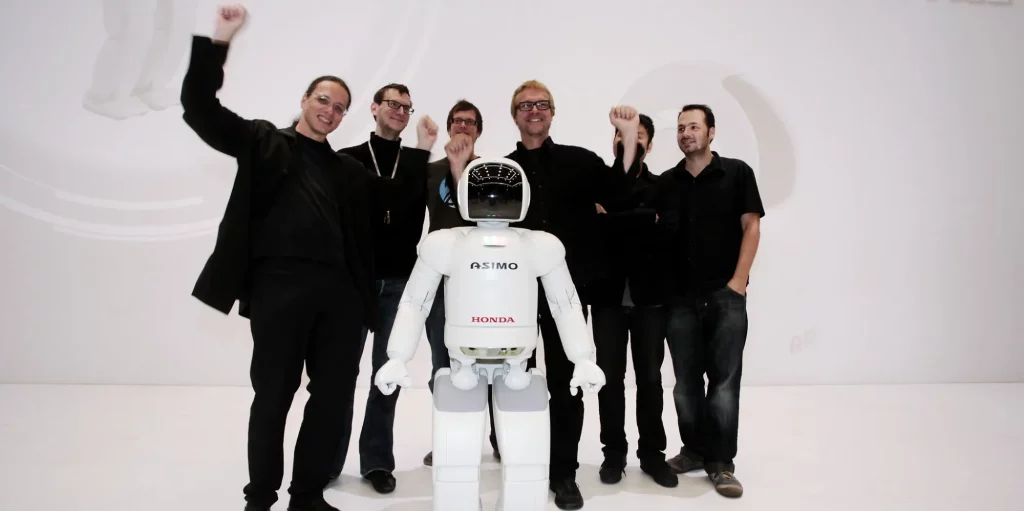
The concept of robots as partners in various human roles, whether in healthcare, education, or entertainment, brings about significant ethical questions. What rights, if any, should robots have? Should they be treated with the same respect as humans, or should they remain firmly categorized as tools?

At the heart of this debate is the question of whether robots can or should develop any form of “consciousness” or “sentience.” Some argue that granting robots rights—similar to those of humans—could be a step toward ensuring that they are treated with dignity and fairness, while others believe that robots should remain as tools devoid of rights. How society navigates this question will have profound implications on cultural values and the way people perceive their relationships with machines.

3.2 Autonomy and Accountability

As robots become more autonomous, the question of accountability becomes more pressing. If a robot makes a decision that harms a human or violates ethical principles, who should be held responsible? Is it the robot itself, the manufacturer, or the programmer who created the AI behind the robot?

These questions challenge existing legal systems and will likely require new frameworks for addressing the rights and responsibilities of autonomous machines. Ethical guidelines will need to evolve to ensure that robots do not inadvertently harm individuals or violate societal norms. These frameworks will need to be transparent, adaptable, and globally agreed upon to manage the ethical complexities that arise from the widespread use of robots in various sectors.

3.3 The Role of Empathy and Emotional Intelligence

In a future where robots play an increasing role in social interactions, empathy and emotional intelligence will become key factors in human-robot interactions. Robots are already being designed with the ability to read human emotions and respond accordingly. For instance, social robots used in healthcare are equipped with AI systems capable of recognizing distress or loneliness in patients and responding with appropriate care.

However, this raises concerns about the authenticity of such emotional interactions. Can robots truly understand human emotions, or are they simply mimicking emotional responses based on programmed algorithms? The ethical question of whether robots should engage in such roles and the potential consequences of such emotional dependency will likely play a crucial role in shaping future cultural values.


4. The Global Perspective: Cultural Differences in Human-Robot Interaction

4.1 Diverse Cultural Attitudes Towards Robots

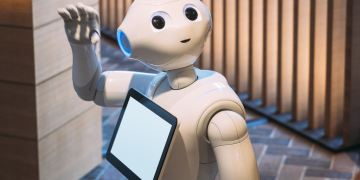
Cultural differences will play a significant role in how societies approach the integration of robots into everyday life. In Japan, for instance, there is a long-standing cultural acceptance of robots, which is reflected in the country’s widespread use of humanoid robots in both public and private settings. Robots like “Pepper,” an emotion-detecting robot, are already being used in homes, businesses, and healthcare institutions.

In contrast, many Western cultures remain more skeptical about the widespread integration of robots into social life. Concerns about job loss, privacy, and the potential for robots to replace human relationships are prominent in debates in Europe and North America. These cultural differences will influence the speed and manner in which robots are accepted, and how societies will adapt their values to accommodate robotic technology.

4.2 Global Ethical Standards for Robots

As robots become a global phenomenon, the need for international cooperation on ethical standards and regulations will grow. The integration of robotics across borders will necessitate a shared understanding of what constitutes ethical behavior in human-robot interactions. International frameworks will need to address issues such as data privacy, robot rights, and safety standards, while respecting cultural differences and local laws.

Creating a unified set of ethical standards that can be adopted by diverse cultures will be a complex but crucial task. This process will require dialogue and compromise, as societies strive to find common ground on the fundamental issues related to the integration of robots into daily life.


5. The Path Forward: Toward a Harmonious Future

5.1 Preparing for the Transition

The transition to a world where robots and humans coexist harmoniously will require proactive steps from governments, industries, and individuals. Policymakers must work with technologists, ethicists, and sociologists to create a robust framework for the ethical development, deployment, and regulation of robots. This includes investing in education systems that prepare the workforce for the future of work in a robot-integrated world.

5.2 Embracing Human-Robot Collaboration

Rather than viewing robots as competitors or threats, societies should embrace the potential for collaboration. Human-robot partnerships have the potential to significantly enhance productivity, creativity, and well-being. As robots handle repetitive or dangerous tasks, humans can focus on more complex, value-driven pursuits that require emotional intelligence, innovation, and strategic thinking.

By fostering a culture of collaboration, rather than competition, humanity can ensure that the integration of robotics leads to a future that benefits all members of society.


Conclusion

As robots become more integral to our everyday lives, the future of culture and values will inevitably shift. The key to a harmonious future lies in how humans and robots interact—how we balance the benefits of technological innovation with the preservation of essential human qualities. Society must navigate the ethical, philosophical, and practical implications of this new era, ensuring that robots are not just tools but partners in a shared future. The path to a harmonious future will require empathy, adaptability, and an unwavering commitment to maintaining the core values that define humanity.

By embracing this new paradigm of human-robot coexistence, we have the opportunity to create a future that transcends the limitations of both humans and machines, fostering a society where both can thrive together.

Tags: FuturesHarmonyRobot
ShareTweetShare

Related Posts

Robotics and Societal Change: Smart Cities and Digitalized Living
Futures

Robotics and Societal Change: Smart Cities and Digitalized Living

December 1, 2025
The Widespread Application of Robotics: Potential Impact on Traditional Jobs
Futures

The Widespread Application of Robotics: Potential Impact on Traditional Jobs

November 30, 2025
Smart Homes and Life Assistants: The Future of Everyday Living
Futures

Smart Homes and Life Assistants: The Future of Everyday Living

November 29, 2025
The Expanding Role of Robots in the Service Industry: From Customer Service to Personalized Healthcare
Futures

The Expanding Role of Robots in the Service Industry: From Customer Service to Personalized Healthcare

November 28, 2025
Fully Automated Production and Services: The Future of Industry and Innovation
Futures

Fully Automated Production and Services: The Future of Industry and Innovation

November 27, 2025
The Future of Robots: From Tools to Understanding, Learning, and Responding to Human Society
Futures

The Future of Robots: From Tools to Understanding, Learning, and Responding to Human Society

November 26, 2025
Leave Comment
  • Trending
  • Comments
  • Latest
The Revolutionary Impact of Robotics on Disaster Rescue and Environmental Protection

The Revolutionary Impact of Robotics on Disaster Rescue and Environmental Protection

October 20, 2025
Defining the Relationship Between Humans and Robots

Defining the Relationship Between Humans and Robots

October 20, 2025
Biomimetics: A Multidisciplinary Approach to the Future of Robotics and Innovation

Biomimetics: A Multidisciplinary Approach to the Future of Robotics and Innovation

October 20, 2025
The Continuous Evolution of Bionic Robot Technology: A Catalyst for Applications in Complex Environments

The Continuous Evolution of Bionic Robot Technology: A Catalyst for Applications in Complex Environments

October 20, 2025
The Integration of Artificial Intelligence and Human-Computer Interaction

The Integration of Artificial Intelligence and Human-Computer Interaction

Researching How Machines Can Recognize and Understand Human Emotions to Improve the Naturalness of Human-Computer Interaction

Researching How Machines Can Recognize and Understand Human Emotions to Improve the Naturalness of Human-Computer Interaction

AI Can Recognize User Emotions Through Facial Expressions, Voice Tones, and Other Signals and Respond Accordingly

AI Can Recognize User Emotions Through Facial Expressions, Voice Tones, and Other Signals and Respond Accordingly

Voice Assistant Research Drives Breakthroughs in Speech Recognition and Natural Language Understanding

Voice Assistant Research Drives Breakthroughs in Speech Recognition and Natural Language Understanding

Robotics and Societal Change: Smart Cities and Digitalized Living

Robotics and Societal Change: Smart Cities and Digitalized Living

December 1, 2025
How to Improve Robot Flexibility While Ensuring Strength and Durability: A Major Technological Challenge

How to Improve Robot Flexibility While Ensuring Strength and Durability: A Major Technological Challenge

December 1, 2025
The Application of Robotics and Automated Logistics Systems in Supply Chain Management

The Application of Robotics and Automated Logistics Systems in Supply Chain Management

December 1, 2025
Edge Computing: A Key Technology for Real-Time Computer Vision Applications

Edge Computing: A Key Technology for Real-Time Computer Vision Applications

December 1, 2025
AnthroboticsLab

Through expert commentary and deep dives into industry trends and ethical considerations, we bridge the gap between academic research and real-world application, fostering a deeper understanding of our technological future.

© 2025 anthroboticslab.com. contacts:[email protected]

No Result
View All Result
  • Home
  • Research
  • Technology
  • Industry
  • Insights
  • Futures

© 2025 anthroboticslab.com. contacts:[email protected]

Welcome Back!

Login to your account below

Forgotten Password?

Retrieve your password

Please enter your username or email address to reset your password.

Log In