



AnthroboticsLab
  • Home
  • Research
    Soft Robotics: Advancements in Bio-Inspired Flexible Systems

    Soft Robotics: Advancements in Bio-Inspired Flexible Systems

    Autonomous Robots and Reinforcement Learning: Paving the Way for Intelligent Machines

    Autonomous Robots and Reinforcement Learning: Paving the Way for Intelligent Machines

    Designing Adaptive User Interfaces: Enhancing Human-Computer Interaction through Dynamic Interfaces

    Designing Adaptive User Interfaces: Enhancing Human-Computer Interaction through Dynamic Interfaces

    Human-Machine Interaction in Augmented Reality and Virtual Reality: A Comprehensive Exploration

    Human-Machine Interaction in Augmented Reality and Virtual Reality: A Comprehensive Exploration

    Affective Computing and Human-Machine Emotional Interaction: The Future of Emotional AI

    Affective Computing and Human-Machine Emotional Interaction: The Future of Emotional AI

    Researching How Machines Can Understand, Recognize, and Respond to Human Emotions

    Researching How Machines Can Understand, Recognize, and Respond to Human Emotions

  • Technology
    Edge Computing: A Key Technology for Real-Time Computer Vision Applications

    Edge Computing: A Key Technology for Real-Time Computer Vision Applications

    Image Fusion in Computer Vision: Enhancing Scene Understanding Through Multi-Sensor Integration

    Image Fusion in Computer Vision: Enhancing Scene Understanding Through Multi-Sensor Integration

    Sensor Fusion Technology: Achieving High-Precision Environmental Perception in Modern Robotics

    Sensor Fusion Technology: Achieving High-Precision Environmental Perception in Modern Robotics

    3D Vision Reconstruction and Depth Estimation: Foundations, Techniques, and Applications

    3D Vision Reconstruction and Depth Estimation: Foundations, Techniques, and Applications

    Computer Vision: The Foundation of Robotic Perception and Its Broad Applications in Autonomous Driving, Industrial Automation, and Medical Surgery

    Computer Vision: The Foundation of Robotic Perception and Its Broad Applications in Autonomous Driving, Industrial Automation, and Medical Surgery

    Ensuring Robots Do Not Harm Humans While Performing Tasks

    Ensuring Robots Do Not Harm Humans While Performing Tasks

  • Industry
    The Application of Robotics and Automated Logistics Systems in Supply Chain Management

    The Application of Robotics and Automated Logistics Systems in Supply Chain Management

    Collaborative Robots and Human Workers: Enhancing Productivity and Ensuring Worker Safety

    Collaborative Robots and Human Workers: Enhancing Productivity and Ensuring Worker Safety

    Modern Production Lines: Emphasizing Flexibility and Customization

    Modern Production Lines: Emphasizing Flexibility and Customization

    The Expanding Role of Robots in Manufacturing: Advancements, Applications, and Future Prospects

    The Expanding Role of Robots in Manufacturing: Advancements, Applications, and Future Prospects

    Industry 4.0: Revolutionizing Manufacturing with IoT, AI, Robotics, and Big Data

    Industry 4.0: Revolutionizing Manufacturing with IoT, AI, Robotics, and Big Data

    Smart Manufacturing and Industry 4.0: Revolutionizing the Future of Production

    Smart Manufacturing and Industry 4.0: Revolutionizing the Future of Production

  • Insights
    How to Improve Robot Flexibility While Ensuring Strength and Durability: A Major Technological Challenge

    How to Improve Robot Flexibility While Ensuring Strength and Durability: A Major Technological Challenge

    Expert Interview: The Future of Biomimicry in Technology and Innovation

    Expert Interview: The Future of Biomimicry in Technology and Innovation

    Biomimetic Robots: Drawing Inspiration from Nature to Simulate the Behavior and Structure of Plants and Animals

    Biomimetic Robots: Drawing Inspiration from Nature to Simulate the Behavior and Structure of Plants and Animals

    Recent Advances in Flexible Materials and Bionic Muscle Actuation Technologies

    Recent Advances in Flexible Materials and Bionic Muscle Actuation Technologies

    Integrating Artificial Intelligence and Biomimetics: How Bionic Robots in Healthcare Can Provide Personalized Treatment Plans

    Integrating Artificial Intelligence and Biomimetics: How Bionic Robots in Healthcare Can Provide Personalized Treatment Plans

    The Great Potential of Bionic Robots in Neurorehabilitation

    The Great Potential of Bionic Robots in Neurorehabilitation

  • Futures
    Robotics and Societal Change: Smart Cities and Digitalized Living

    Robotics and Societal Change: Smart Cities and Digitalized Living

    The Widespread Application of Robotics: Potential Impact on Traditional Jobs

    The Widespread Application of Robotics: Potential Impact on Traditional Jobs

    Smart Homes and Life Assistants: The Future of Everyday Living

    Smart Homes and Life Assistants: The Future of Everyday Living

    The Expanding Role of Robots in the Service Industry: From Customer Service to Personalized Healthcare

    The Expanding Role of Robots in the Service Industry: From Customer Service to Personalized Healthcare

    Fully Automated Production and Services: The Future of Industry and Innovation

    Fully Automated Production and Services: The Future of Industry and Innovation

    The Future of Robots: From Tools to Understanding, Learning, and Responding to Human Society

    The Future of Robots: From Tools to Understanding, Learning, and Responding to Human Society

AnthroboticsLab
  • Home
  • Research
    Soft Robotics: Advancements in Bio-Inspired Flexible Systems

    Soft Robotics: Advancements in Bio-Inspired Flexible Systems

    Autonomous Robots and Reinforcement Learning: Paving the Way for Intelligent Machines

    Autonomous Robots and Reinforcement Learning: Paving the Way for Intelligent Machines

    Designing Adaptive User Interfaces: Enhancing Human-Computer Interaction through Dynamic Interfaces

    Designing Adaptive User Interfaces: Enhancing Human-Computer Interaction through Dynamic Interfaces

    Human-Machine Interaction in Augmented Reality and Virtual Reality: A Comprehensive Exploration

    Human-Machine Interaction in Augmented Reality and Virtual Reality: A Comprehensive Exploration

    Affective Computing and Human-Machine Emotional Interaction: The Future of Emotional AI

    Affective Computing and Human-Machine Emotional Interaction: The Future of Emotional AI

    Researching How Machines Can Understand, Recognize, and Respond to Human Emotions

    Researching How Machines Can Understand, Recognize, and Respond to Human Emotions

  • Technology
    Edge Computing: A Key Technology for Real-Time Computer Vision Applications

    Edge Computing: A Key Technology for Real-Time Computer Vision Applications

    Image Fusion in Computer Vision: Enhancing Scene Understanding Through Multi-Sensor Integration

    Image Fusion in Computer Vision: Enhancing Scene Understanding Through Multi-Sensor Integration

    Sensor Fusion Technology: Achieving High-Precision Environmental Perception in Modern Robotics

    Sensor Fusion Technology: Achieving High-Precision Environmental Perception in Modern Robotics

    3D Vision Reconstruction and Depth Estimation: Foundations, Techniques, and Applications

    3D Vision Reconstruction and Depth Estimation: Foundations, Techniques, and Applications

    Computer Vision: The Foundation of Robotic Perception and Its Broad Applications in Autonomous Driving, Industrial Automation, and Medical Surgery

    Computer Vision: The Foundation of Robotic Perception and Its Broad Applications in Autonomous Driving, Industrial Automation, and Medical Surgery

    Ensuring Robots Do Not Harm Humans While Performing Tasks

    Ensuring Robots Do Not Harm Humans While Performing Tasks

  • Industry
    The Application of Robotics and Automated Logistics Systems in Supply Chain Management

    The Application of Robotics and Automated Logistics Systems in Supply Chain Management

    Collaborative Robots and Human Workers: Enhancing Productivity and Ensuring Worker Safety

    Collaborative Robots and Human Workers: Enhancing Productivity and Ensuring Worker Safety

    Modern Production Lines: Emphasizing Flexibility and Customization

    Modern Production Lines: Emphasizing Flexibility and Customization

    The Expanding Role of Robots in Manufacturing: Advancements, Applications, and Future Prospects

    The Expanding Role of Robots in Manufacturing: Advancements, Applications, and Future Prospects

    Industry 4.0: Revolutionizing Manufacturing with IoT, AI, Robotics, and Big Data

    Industry 4.0: Revolutionizing Manufacturing with IoT, AI, Robotics, and Big Data

    Smart Manufacturing and Industry 4.0: Revolutionizing the Future of Production

    Smart Manufacturing and Industry 4.0: Revolutionizing the Future of Production

  • Insights
    How to Improve Robot Flexibility While Ensuring Strength and Durability: A Major Technological Challenge

    How to Improve Robot Flexibility While Ensuring Strength and Durability: A Major Technological Challenge

    Expert Interview: The Future of Biomimicry in Technology and Innovation

    Expert Interview: The Future of Biomimicry in Technology and Innovation

    Biomimetic Robots: Drawing Inspiration from Nature to Simulate the Behavior and Structure of Plants and Animals

    Biomimetic Robots: Drawing Inspiration from Nature to Simulate the Behavior and Structure of Plants and Animals

    Recent Advances in Flexible Materials and Bionic Muscle Actuation Technologies

    Recent Advances in Flexible Materials and Bionic Muscle Actuation Technologies

    Integrating Artificial Intelligence and Biomimetics: How Bionic Robots in Healthcare Can Provide Personalized Treatment Plans

    Integrating Artificial Intelligence and Biomimetics: How Bionic Robots in Healthcare Can Provide Personalized Treatment Plans

    The Great Potential of Bionic Robots in Neurorehabilitation

    The Great Potential of Bionic Robots in Neurorehabilitation

  • Futures
    Robotics and Societal Change: Smart Cities and Digitalized Living

    Robotics and Societal Change: Smart Cities and Digitalized Living

    The Widespread Application of Robotics: Potential Impact on Traditional Jobs

    The Widespread Application of Robotics: Potential Impact on Traditional Jobs

    Smart Homes and Life Assistants: The Future of Everyday Living

    Smart Homes and Life Assistants: The Future of Everyday Living

    The Expanding Role of Robots in the Service Industry: From Customer Service to Personalized Healthcare

    The Expanding Role of Robots in the Service Industry: From Customer Service to Personalized Healthcare

    Fully Automated Production and Services: The Future of Industry and Innovation

    Fully Automated Production and Services: The Future of Industry and Innovation

    The Future of Robots: From Tools to Understanding, Learning, and Responding to Human Society

    The Future of Robots: From Tools to Understanding, Learning, and Responding to Human Society

AnthroboticsLab
No Result
View All Result
Home Futures

The Future of Work: From Repetitive Labor to Creative and Strategic Roles

October 17, 2025
in Futures
The Future of Work: From Repetitive Labor to Creative and Strategic Roles

Introduction

As we navigate the rapid technological revolution of the 21st century, one of the most profound shifts occurring in the workplace is the redefinition of human labor. Over the last few decades, automation, artificial intelligence (AI), and machine learning have steadily transformed industries and professions. These technologies have excelled in automating repetitive, routine tasks that were once performed by humans. Consequently, human roles in the workforce are being reshaped, with an increasing emphasis on creativity, strategic decision-making, and high-level cognitive functions. This article explores the factors driving this shift, the characteristics of creative and strategic roles, and the implications for individuals, organizations, and society.


1. The Forces Driving the Shift

1.1 Technological Advancements: Automation and AI

The most significant force driving the transition from repetitive tasks to creative and strategic roles is the rise of automation and AI technologies. These tools are increasingly able to handle tasks that were once seen as the domain of human workers:

  • Robotic Process Automation (RPA) has taken over repetitive administrative tasks like data entry, scheduling, and reporting.
  • AI-driven analytics and machine learning algorithms can analyze vast amounts of data, identify patterns, and generate insights that would have once required human intervention.
  • Robotics and autonomous systems are revolutionizing sectors like manufacturing, transportation, and logistics by performing tasks such as assembly, inspection, and delivery, often with greater efficiency and precision than humans.

These technologies not only reduce the need for human labor in repetitive roles but also provide the tools that enable humans to focus on higher-order tasks that require judgment, strategy, and creativity.

1.2 Economic Pressures and Efficiency Gains

Organizations are under constant pressure to improve efficiency and reduce operational costs. As automation and AI technologies become more affordable and accessible, many businesses are opting to replace manual labor with machines, especially for low-skilled, repetitive tasks. The need for human workers in these roles is diminishing, creating a shift in demand toward more cognitive, strategic, and creative tasks.

Additionally, in a highly competitive global economy, businesses must innovate rapidly to stay ahead. This has made creativity and strategic thinking indispensable for companies seeking to differentiate themselves and develop new products or services. Companies are now investing more in human capital that can drive innovation, develop new business strategies, and foster creativity.

1.3 Changing Workforce Expectations

The workforce itself is increasingly demanding more meaningful and fulfilling work. Studies have shown that many employees feel disengaged when performing routine, repetitive tasks and would prefer roles that allow them to apply creativity, problem-solving, and higher-level decision-making skills.

This demand for more stimulating work is prompting organizations to rethink their approach to workforce design, allowing employees to engage in more strategic and creative functions. A study by Gallup found that employees who feel their work is meaningful are more productive and committed to their jobs.


2. Characteristics of Creative and Strategic Roles

As routine tasks become automated, human roles are shifting toward those that require more complex cognitive abilities, strategic thinking, and creativity. These new roles are characterized by several core features:

2.1 Cognitive Complexity and Problem-Solving

Creative and strategic roles often involve tasks that are ambiguous, require critical thinking, and are not easily solved by a set of predefined rules. These roles involve:

  • Problem identification and definition: Instead of simply following instructions, employees are now tasked with framing problems and identifying innovative solutions.
  • Critical thinking and decision-making: Professionals in these roles must evaluate multiple options, weigh trade-offs, and make decisions based on a variety of complex factors.
  • Uncertainty management: These roles often involve working with incomplete information and navigating uncertainty—something machines still struggle with.

2.2 Innovation and Creativity

Creativity is a cornerstone of many emerging roles. Whether it’s in product design, marketing, strategy, or customer experience, employees will increasingly be called upon to create new ideas, challenge the status quo, and think outside the box.

  • Innovation: In fields such as technology, healthcare, and entertainment, employees will need to constantly innovate to stay competitive. Creative roles will involve everything from developing new technologies to coming up with unique business models.
  • Design Thinking: Many creative roles will involve applying principles of design thinking—empathizing with users, ideating solutions, and prototyping new products or services.

2.3 Strategic Thinking and Leadership

As automation handles more of the operational workload, human workers will take on more strategic roles that require foresight, long-term thinking, and leadership. These roles include:

  • Strategic decision-making: The ability to craft strategies, assess market trends, and make high-level decisions will be crucial.
  • Leadership and team management: As work becomes more collaborative, leaders will need to guide teams, manage diverse talents, and foster innovation.
  • Ethical considerations: With the rise of AI and automation, strategic decision-makers must consider the ethical implications of their choices, such as the impact on jobs, privacy, and society.

3. The Impact on Various Sectors

3.1 Manufacturing

In manufacturing, robots and AI have already taken over many of the repetitive, physical tasks such as assembly, welding, and painting. As a result, human workers are shifting toward roles in quality control, process optimization, product design, and supply chain management.

Manufacturers are increasingly relying on human employees to:

  • Oversee automation: Human workers may manage automated production lines, ensuring that machines operate smoothly and resolve any issues that arise.
  • Innovate products and processes: Rather than focusing on assembly, employees can now work on designing new products, improving manufacturing techniques, and implementing sustainable practices.

3.2 Healthcare

The healthcare industry is also seeing a shift in the roles humans play. AI is being used to process medical data, assist with diagnoses, and even perform robotic surgery. However, the need for human interaction, empathy, and strategic decision-making remains strong.

  • Strategic healthcare planning: Human professionals will be essential in planning healthcare systems, addressing public health challenges, and developing new medical technologies.
  • Patient care and emotional intelligence: While machines can perform diagnostics, human care providers will continue to be crucial for patient care, emotional support, and delivering personalized treatments.
  • Innovation and research: In medical research, humans will continue to drive innovation, discovering new treatments and developing novel healthcare solutions.

3.3 Education and Training

As the demand for creative and strategic roles grows, so does the need for continuous learning and upskilling. Educational institutions will need to adapt their curricula to equip students with the skills required for the future of work.

  • Project-based learning: Educational systems will increasingly emphasize problem-solving, creativity, and collaboration through hands-on projects and real-world applications.
  • Lifelong learning: For adults in the workforce, access to training programs that emphasize creativity, strategic thinking, and leadership will be vital for career progression.
4. The Role of Technology in the Shift

While automation and AI are often seen as threats to jobs, they also present significant opportunities for workers to perform higher-value tasks. By automating repetitive work, employees can focus on roles that require creativity, problem-solving, and strategic thinking.

4.1 Human-Machine Collaboration

Rather than replacing humans, many technologies are designed to complement human capabilities. In the future, workers will likely collaborate with machines, using advanced tools to enhance their decision-making abilities. For example:

  • AI in decision-making: AI can provide real-time data analysis and predictive analytics, while humans use this information to make strategic decisions.
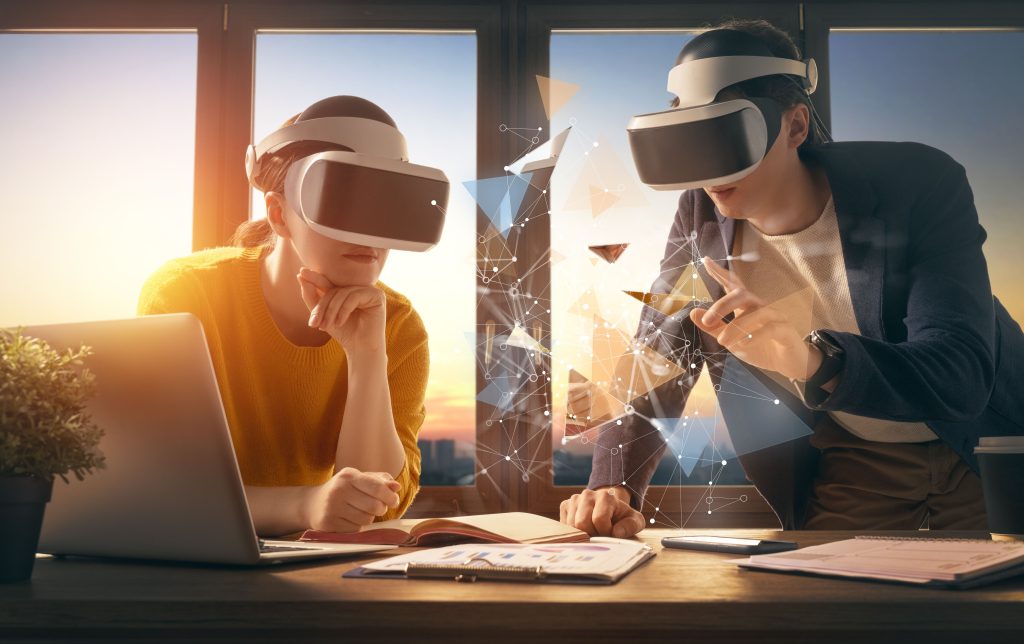
  • Augmented reality (AR) and virtual reality (VR): These technologies will enable employees to visualize data, simulate scenarios, and design products or services in entirely new ways.

4.2 Technology as a Tool for Creativity

Creative professionals will increasingly rely on AI tools to assist with brainstorming, design, and even writing. These tools will automate certain tasks, such as generating preliminary drafts or exploring design options, allowing humans to focus on refining ideas and making high-level decisions.


5. Implications for Workers and Organizations

5.1 Reskilling and Upskilling

The shift toward more strategic and creative work presents both challenges and opportunities for workers. As automation takes over routine tasks, workers will need to adapt by acquiring new skills that align with the demands of the future job market. This may involve:

  • Reskilling: Workers in roles at risk of automation will need to transition into creative and strategic positions by learning new skills.
  • Upskilling: Even those in creative or strategic roles will need to continuously develop their skills, particularly in areas such as digital literacy, data analysis, and leadership.

5.2 Organizational Transformation

Organizations will need to rethink how they structure work. Traditional job roles and hierarchies may give way to more flexible, cross-functional teams that emphasize collaboration, creativity, and agility. Companies will need to:

  • Invest in employee development: Providing opportunities for reskilling and upskilling will be essential for long-term success.
  • Foster a culture of innovation: Organizations will need to cultivate an environment where creativity and experimentation are encouraged, and failure is viewed as a learning opportunity.

5.3 Societal Implications

On a broader scale, the transition to creative and strategic roles will require significant investment in education and social infrastructure. Policymakers will need to ensure that workers have access to the training and support they need to succeed in this new era of work.

  • Universal access to education: Governments will need to prioritize education reforms that emphasize creativity, problem-solving, and digital literacy.
  • Support for displaced workers: As automation displaces certain jobs, there will need to be robust social safety nets, including unemployment benefits and retraining programs.

Conclusion

The future of work is shifting from repetitive labor to more creative and strategic roles, driven by technological advancements in automation and AI. As routine tasks become automated, humans will focus on roles that require cognitive complexity, creativity, strategic thinking, and leadership. This transformation presents both challenges and opportunities for workers, organizations, and society as a whole.

To succeed in this new world of work, individuals will need to continuously adapt by developing new skills, especially in areas like creativity, decision-making, and emotional intelligence. Organizations will need to invest in human capital, redesign roles, and foster a culture of innovation. Meanwhile, policymakers will play a crucial role in ensuring that workers have access to the training and support they need to thrive in this new landscape.

The future of work offers an exciting opportunity to reshape our careers and industries, allowing us to focus on the tasks that truly require human ingenuity and innovation.

Tags: Future of WorkFuturesLabor
ShareTweetShare

Related Posts

Robotics and Societal Change: Smart Cities and Digitalized Living
Futures

Robotics and Societal Change: Smart Cities and Digitalized Living

December 1, 2025
The Widespread Application of Robotics: Potential Impact on Traditional Jobs
Futures

The Widespread Application of Robotics: Potential Impact on Traditional Jobs

November 30, 2025
Smart Homes and Life Assistants: The Future of Everyday Living
Futures

Smart Homes and Life Assistants: The Future of Everyday Living

November 29, 2025
The Expanding Role of Robots in the Service Industry: From Customer Service to Personalized Healthcare
Futures

The Expanding Role of Robots in the Service Industry: From Customer Service to Personalized Healthcare

November 28, 2025
Fully Automated Production and Services: The Future of Industry and Innovation
Futures

Fully Automated Production and Services: The Future of Industry and Innovation

November 27, 2025
The Future of Robots: From Tools to Understanding, Learning, and Responding to Human Society
Futures

The Future of Robots: From Tools to Understanding, Learning, and Responding to Human Society

November 26, 2025
Leave Comment
  • Trending
  • Comments
  • Latest
The Revolutionary Impact of Robotics on Disaster Rescue and Environmental Protection

The Revolutionary Impact of Robotics on Disaster Rescue and Environmental Protection

October 20, 2025
Defining the Relationship Between Humans and Robots

Defining the Relationship Between Humans and Robots

October 20, 2025
Biomimetics: A Multidisciplinary Approach to the Future of Robotics and Innovation

Biomimetics: A Multidisciplinary Approach to the Future of Robotics and Innovation

October 20, 2025
How Robots Understand, Respond to, and Simulate Human Emotions to Enhance Interaction Experience

How Robots Understand, Respond to, and Simulate Human Emotions to Enhance Interaction Experience

October 20, 2025
The Integration of Artificial Intelligence and Human-Computer Interaction

The Integration of Artificial Intelligence and Human-Computer Interaction

Researching How Machines Can Recognize and Understand Human Emotions to Improve the Naturalness of Human-Computer Interaction

Researching How Machines Can Recognize and Understand Human Emotions to Improve the Naturalness of Human-Computer Interaction

AI Can Recognize User Emotions Through Facial Expressions, Voice Tones, and Other Signals and Respond Accordingly

AI Can Recognize User Emotions Through Facial Expressions, Voice Tones, and Other Signals and Respond Accordingly

Voice Assistant Research Drives Breakthroughs in Speech Recognition and Natural Language Understanding

Voice Assistant Research Drives Breakthroughs in Speech Recognition and Natural Language Understanding

Robotics and Societal Change: Smart Cities and Digitalized Living

Robotics and Societal Change: Smart Cities and Digitalized Living

December 1, 2025
How to Improve Robot Flexibility While Ensuring Strength and Durability: A Major Technological Challenge

How to Improve Robot Flexibility While Ensuring Strength and Durability: A Major Technological Challenge

December 1, 2025
The Application of Robotics and Automated Logistics Systems in Supply Chain Management

The Application of Robotics and Automated Logistics Systems in Supply Chain Management

December 1, 2025
Edge Computing: A Key Technology for Real-Time Computer Vision Applications

Edge Computing: A Key Technology for Real-Time Computer Vision Applications

December 1, 2025
AnthroboticsLab

Through expert commentary and deep dives into industry trends and ethical considerations, we bridge the gap between academic research and real-world application, fostering a deeper understanding of our technological future.

© 2025 anthroboticslab.com. contacts:[email protected]

No Result
View All Result
  • Home
  • Research
  • Technology
  • Industry
  • Insights
  • Futures

© 2025 anthroboticslab.com. contacts:[email protected]

Welcome Back!

Login to your account below

Forgotten Password?

Retrieve your password

Please enter your username or email address to reset your password.

Log In